HTML SitemapExplore
logo
Find Things to DoFind The Best Restaurants

National Pantheon — Attraction in Lisbon

Name
National Pantheon
Description
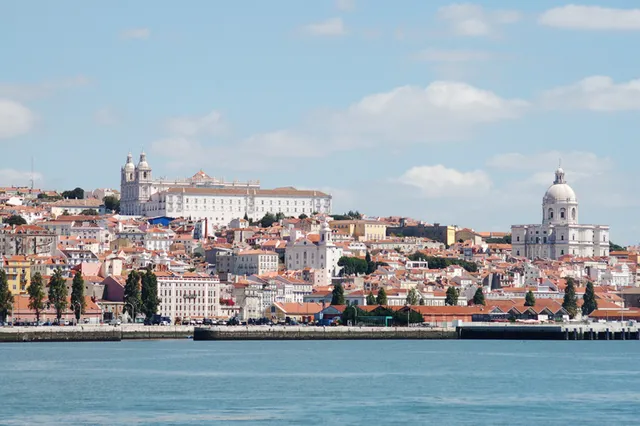
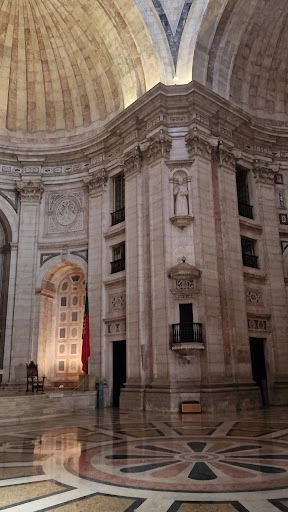
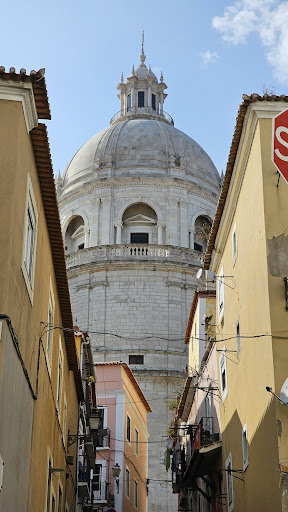
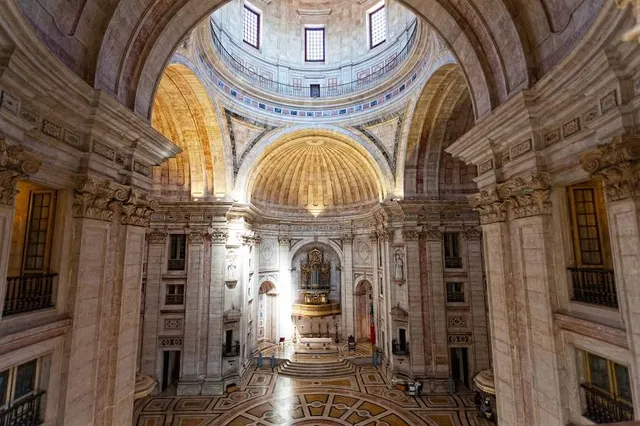
The Church of Santa Engrácia is a 17th-century monument in Lisbon, Portugal. Originally a church it was converted into the National Pantheon, in which important Portuguese personalities are buried.
Nearby attractions
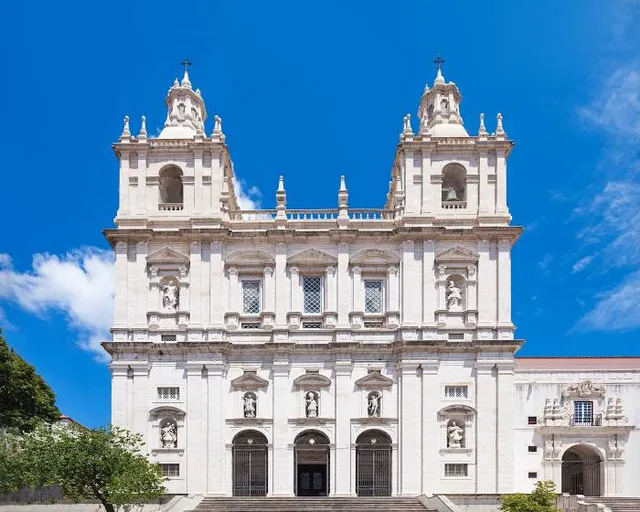
Igreja de São Vicente de Fora
Largo de São Vicente, 1100-472 Lisboa, Portugal
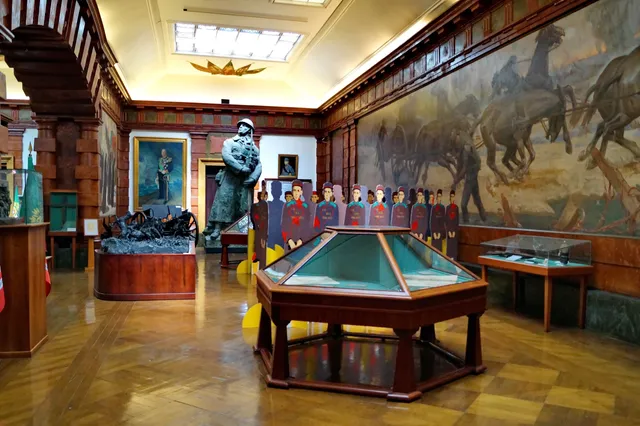
Lisbon Military Museum
R. do Museu de Artilharia 51, 1100-366 Lisboa, Portugal
Lisbon Architecture Triennale
Office:, Campo de Santa Clara 142, 1100-474 Lisboa, Portugal
Mosteiro de São Vicente de Fora
Largo de São Vicente, 1100-572 Lisboa, Portugal
Miradouro de Santa Luzia
Largo de Santa Luzia, 1100-487 Lisboa, Portugal
Fado Museum
Alfama, Largo do Chafariz de Dentro 1, 1100-139 Lisboa, Portugal
Miradouro das Portas do Sol
Largo Portas do Sol, 1100-411 Lisboa, Portugal
Castelo de S. Jorge
R. de Santa Cruz do Castelo, 1100-129 Lisboa, Portugal
escolas gerais electrico 28
Escolas Gerais 15, 1100-213 Lisboa, Portugal
CAL - Centro de Artes de Lisboa
R. de Santa Engrácia 12 A, 1170-333 Lisboa, Portugal
Nearby restaurants
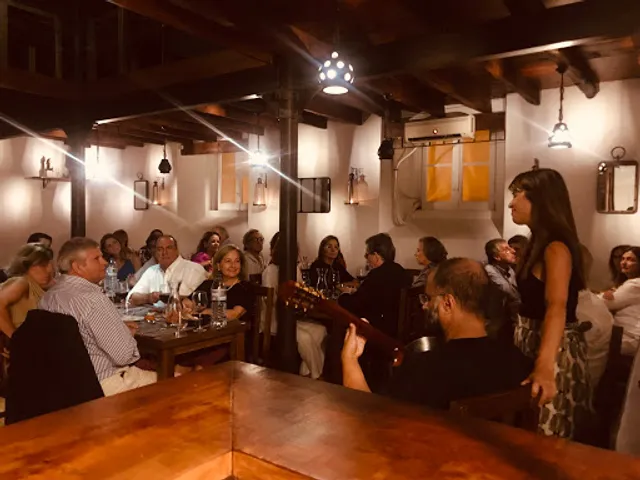
O Corrido – Casa de Fado
Campo de Santa Clara 49, 1100-471 Lisboa, Portugal
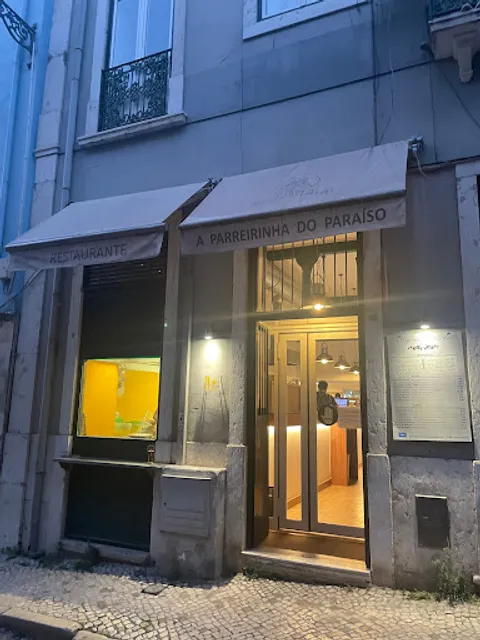
A Parreirinha do Paraíso
Rua do Paraíso 40C, 1100-397 Lisboa, Portugal
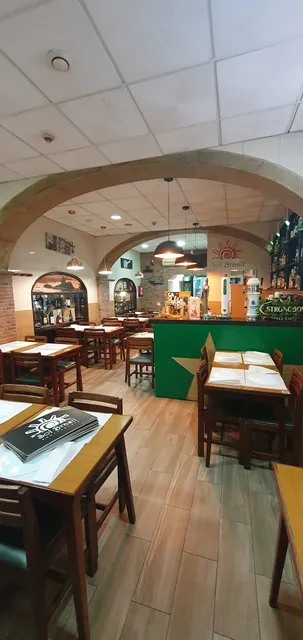
Sol Brasil
Rua dos Caminhos de Ferro 112 120, 1100-109 Lisboa, Portugal
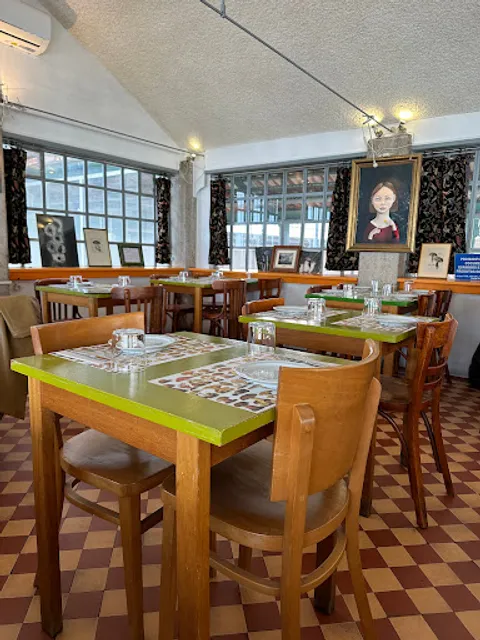
Santa Clara dos Cogumelos
Mercado de Santa Clara, Campo de Santa Clara, 1100-472 Lisboa, Portugal
Tabernita
Campo de Santa Clara 30 Loja 12, 1100-471 Lisboa, Portugal
Faz Figura
Rua do Paraíso 15B, 1100-395 Lisboa, Portugal
Açores na Feira
Campo de Santa Clara 140, 1100-474 Lisboa, Portugal
Magokoro Ramen Santa Apolónia
Rua dos Caminhos de Ferro 136, 1100-109 Lisboa, Portugal
Focaccia in Giro
Focaccia in Giro, Campo de Santa Clara 141, 1100-474 Lisboa, Portugal
Copenhagen Coffee Lab - Campo de Santa Clara
Campo de Santa Clara 136, 1100-474 Lisboa, Portugal
Related posts
Keywords
National Pantheon tourism.National Pantheon hotels.National Pantheon bed and breakfast. flights to National Pantheon.National Pantheon attractions.National Pantheon restaurants.National Pantheon travel.National Pantheon travel guide.National Pantheon travel blog.National Pantheon pictures.National Pantheon photos.National Pantheon travel tips.National Pantheon maps.National Pantheon things to do.
National Pantheon things to do, attractions, restaurants, events info and trip planning
National Pantheon
PortugalLisbonNational Pantheon

Basic Info

National Pantheon

Campo de Santa Clara, 1100-471 Lisboa, Portugal
4.5(5K)
Open 24 hours
Save
spot

Ratings & Description

Info

The Church of Santa Engrácia is a 17th-century monument in Lisbon, Portugal. Originally a church it was converted into the National Pantheon, in which important Portuguese personalities are buried.

Cultural
Accessibility
attractions: Igreja de São Vicente de Fora, Lisbon Military Museum, Lisbon Architecture Triennale, Mosteiro de São Vicente de Fora, Miradouro de Santa Luzia, Fado Museum, Miradouro das Portas do Sol, Castelo de S. Jorge, escolas gerais electrico 28, CAL - Centro de Artes de Lisboa, restaurants: O Corrido – Casa de Fado, A Parreirinha do Paraíso, Sol Brasil, Santa Clara dos Cogumelos, Tabernita, Faz Figura, Açores na Feira, Magokoro Ramen Santa Apolónia, Focaccia in Giro, Copenhagen Coffee Lab - Campo de Santa Clara
logoLearn more insights from Wanderboat AI.
Phone
+351 21 885 4820
Website
panteaonacional.gov.pt

Plan your stay

hotel
Pet-friendly Hotels in Lisbon
Find a cozy hotel nearby and make it a full experience.

hotel
Affordable Hotels in Lisbon
Find a cozy hotel nearby and make it a full experience.

hotel
The Coolest Hotels You Haven't Heard Of (Yet)
Find a cozy hotel nearby and make it a full experience.

hotel
Trending Stays Worth the Hype in Lisbon
Find a cozy hotel nearby and make it a full experience.

Reviews

Nearby attractions of National Pantheon

Igreja de São Vicente de Fora

Lisbon Military Museum

Lisbon Architecture Triennale

Mosteiro de São Vicente de Fora

Miradouro de Santa Luzia

Fado Museum

Miradouro das Portas do Sol

Castelo de S. Jorge

escolas gerais electrico 28

CAL - Centro de Artes de Lisboa
Igreja de São Vicente de Fora

Igreja de São Vicente de Fora

4.6

(2.1K)

Closed
Click for details
Lisbon Military Museum

Lisbon Military Museum

4.6

(738)

Closed
Click for details
Lisbon Architecture Triennale

Lisbon Architecture Triennale

4.4

(37)

Open 24 hours
Click for details
Mosteiro de São Vicente de Fora

Mosteiro de São Vicente de Fora

4.7

(279)

Closed
Click for details

Things to do nearby

Daytrip to Sintra from Lisbon - A True Experience
Fri, Dec 5 • 8:30 AM
1249-970, Lisbon, Portugal
View details
Portuguese Cuisine: 17 Tastings Lisbon Food Tour
Thu, Dec 4 • 11:00 AM
1100-053, Lisbon, Portugal
View details
Best of Lisbon walking tour
Thu, Dec 4 • 2:30 PM
1100-200, Lisbon, Portugal
View details

Nearby restaurants of National Pantheon

O Corrido – Casa de Fado

A Parreirinha do Paraíso

Sol Brasil

Santa Clara dos Cogumelos

Tabernita

Faz Figura

Açores na Feira

Magokoro Ramen Santa Apolónia

Focaccia in Giro

Copenhagen Coffee Lab - Campo de Santa Clara

O Corrido – Casa de Fado

O Corrido – Casa de Fado

4.9

(828)

Click for details
A Parreirinha do Paraíso

A Parreirinha do Paraíso

4.7

(608)

Click for details
Sol Brasil

Sol Brasil

4.5

(1.3K)

$

Click for details
Santa Clara dos Cogumelos

Santa Clara dos Cogumelos

4.7

(592)

$$

Click for details
Get the Appoverlay
Get the AppOne tap to find yournext favorite spots!
Wanderboat LogoWanderboat

Your everyday Al companion for getaway ideas

CompanyAbout Us
InformationAI Trip PlannerSitemap
SocialXInstagramTiktokLinkedin
LegalTerms of ServicePrivacy Policy

Get the app

© 2025 Wanderboat. All rights reserved.
logo

Reviews of National Pantheon

4.5
(4,985)
avatar
5.0
2y

The National Pantheon is intended to honor and perpetuate the memory of Portuguese citizens who distinguished themselves by services rendered to the country, in the exercise of high public office, high military services, in the expansion of Portuguese culture, in literary, scientific and artistic creation or In defense of the values of civilization, for the dignity of the human person and the cause of freedom. The honors of the pantheon may consist of the deposition, in the national pantheon, of the remains of distinguished citizens or in the affixation, in the national pantheon, of tombstone alluding to his life and his work. The decision to "pantonize" distinguished Portuguese figures is not recent. In 1836, the then Minister Passos Manuel decrees the building of a national pantheon but with no place still chosen. The goal at the time would be to dignify the heroes who sacrificed themselves in the 1820 revolution and rebuild the collective memory for great men in the meantime, such as Louis de Camões. For the collective memory of the Portuguese, however, the Jeronimos Monastery, the Batalha Monastery or even St. Vincent from outside (with the burials of many of the Bragança and the Cardinals-Patriarchs of Lisbon) have long remained as the true Portuguese pantheons than the one that would be officially defined later. Church of Santa Engrácia (Lisbon) The Church of Santa Engrácia is located in the current parish of São Vicente (Subdivision of São Vicente de Fora), in Lisbon, Portugal. Still incomplete, he now has the National Monument Statute in 1910 and then the role of national pantheon with Law No. 520 of April 29, 1916. It was open to the public with this statute after its works completed 1 December 1966 with inaugural mass presided by Cardinal Cherry and in the presence of the President of the Republic Américo Tomás and the president of the Council Oliveira Salazar. Stylistically is considered the first baroque monument in the country, it is crowned by a giant zimborium (modern construction according to Luís Amoroso Lopes) and its interior is paved with various types of...

   Read more
avatar
5.0
22w

🏛️ Where Silence Meets Grandeur — A Monument to Portugal’s Soul ⭐️⭐️⭐️⭐️⭐️ (5/5)

If you're in Lisbon and even remotely interested in architecture, history, or panoramic views — don’t skip the Panteão Nacional (also known as Santa Engrácia Church). It’s far more than just another old building.

Originally designed as a church in the 17th century, this structure took nearly 300 years to complete — and today it serves as Portugal’s National Pantheon, honoring the country’s most iconic figures. It’s where Amália Rodrigues, the queen of Fado, rests — alongside presidents, writers, explorers, and cultural legends.

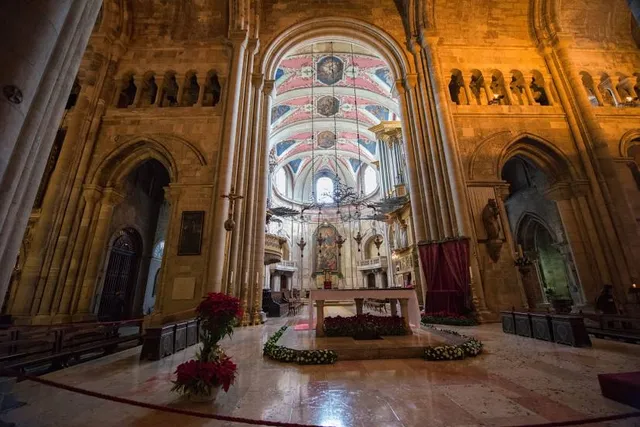
Inside, the atmosphere is calm and solemn, with towering white marble columns, symmetrical floor patterns, and an incredible sense of scale. The central dome rises above you like a marble sky, and every step echoes — adding to the spiritual stillness of the space.

One of the best parts? You can walk all the way up to the rooftop terrace, which gives you a 360-degree view over Lisbon’s Alfama district and the shimmering Tagus River. The view alone is worth the small entry fee.

Quick Ratings: Historical Significance: 10/10 Interior Architecture: 9.5/10 Rooftop View: 10/10 Atmosphere & Serenity: 9/10 Photo Opportunities: 9.5/10

Tip: Go earlier in the day to avoid crowds, and take your time — this place isn’t meant to be rushed.

📝 If this review helped or inspired your visit, a quick 👍 would be appreciated!

I share real cultural stops across Europe — feel free to explore my...

   Read more
avatar
5.0
2y

I arrived at this place by pure luck. I love walking around the cities I visit to discover things by myself. And while walking around beautiful Lisbon I bumped into this magnificent building. I went in and they asked me if I wanted to visit inside. The building reminded me of the Pantheon in Paris which I love so I decided to buy the ticket and come inside. The first thing that caught my eye was a photographic exhibition of people of determination ( or Special Needs people as they're called in Europe). I was touched by the images and the content.. After I walked around in the ground floor and saw some of the tombs of Presidents and famous Portuguese Writers and Explorers I decided to go up the stairs. I ended up in the most fantastic Miradour in the whole of Lisbonne. 360 degrees of sheer beauty. The whole of the city right under your eyes. I was so happy to be there I sat down facing the glorious morning sun and stayed there for 2 hours. There was hardly anyone there The next day I brought my son along and he was delighted with the place and took beautiful photos. We both absolutely loved this place. Worth a visit a 100%.. I would go back...

   Read more
Page 1 of 7
Previous
Next

Posts

Artur VictoriaArtur Victoria
The National Pantheon is intended to honor and perpetuate the memory of Portuguese citizens who distinguished themselves by services rendered to the country, in the exercise of high public office, high military services, in the expansion of Portuguese culture, in literary, scientific and artistic creation or In defense of the values of civilization, for the dignity of the human person and the cause of freedom. The honors of the pantheon may consist of the deposition, in the national pantheon, of the remains of distinguished citizens or in the affixation, in the national pantheon, of tombstone alluding to his life and his work. The decision to "pantonize" distinguished Portuguese figures is not recent. In 1836, the then Minister Passos Manuel decrees the building of a national pantheon but with no place still chosen. The goal at the time would be to dignify the heroes who sacrificed themselves in the 1820 revolution and rebuild the collective memory for great men in the meantime, such as Louis de Camões. For the collective memory of the Portuguese, however, the Jeronimos Monastery, the Batalha Monastery or even St. Vincent from outside (with the burials of many of the Bragança and the Cardinals-Patriarchs of Lisbon) have long remained as the true Portuguese pantheons than the one that would be officially defined later. Church of Santa Engrácia (Lisbon) The Church of Santa Engrácia is located in the current parish of São Vicente (Subdivision of São Vicente de Fora), in Lisbon, Portugal. Still incomplete, he now has the National Monument Statute in 1910 and then the role of national pantheon with Law No. 520 of April 29, 1916. It was open to the public with this statute after its works completed 1 December 1966 with inaugural mass presided by Cardinal Cherry and in the presence of the President of the Republic Américo Tomás and the president of the Council Oliveira Salazar. Stylistically is considered the first baroque monument in the country, it is crowned by a giant zimborium (modern construction according to Luís Amoroso Lopes) and its interior is paved with various types of color marble.
Ridvan Cakir (STTR)Ridvan Cakir (STTR)
🏛️ Where Silence Meets Grandeur — A Monument to Portugal’s Soul ⭐️⭐️⭐️⭐️⭐️ (5/5) If you're in Lisbon and even remotely interested in architecture, history, or panoramic views — don’t skip the Panteão Nacional (also known as Santa Engrácia Church). It’s far more than just another old building. Originally designed as a church in the 17th century, this structure took nearly 300 years to complete — and today it serves as Portugal’s National Pantheon, honoring the country’s most iconic figures. It’s where Amália Rodrigues, the queen of Fado, rests — alongside presidents, writers, explorers, and cultural legends. Inside, the atmosphere is calm and solemn, with towering white marble columns, symmetrical floor patterns, and an incredible sense of scale. The central dome rises above you like a marble sky, and every step echoes — adding to the spiritual stillness of the space. One of the best parts? You can walk all the way up to the rooftop terrace, which gives you a 360-degree view over Lisbon’s Alfama district and the shimmering Tagus River. The view alone is worth the small entry fee. Quick Ratings: Historical Significance: 10/10 Interior Architecture: 9.5/10 Rooftop View: 10/10 Atmosphere & Serenity: 9/10 Photo Opportunities: 9.5/10 Tip: Go earlier in the day to avoid crowds, and take your time — this place isn’t meant to be rushed. 📝 If this review helped or inspired your visit, a quick 👍 would be appreciated! I share real cultural stops across Europe — feel free to explore my other reviews.
Andrea FraserAndrea Fraser
I arrived at this place by pure luck. I love walking around the cities I visit to discover things by myself. And while walking around beautiful Lisbon I bumped into this magnificent building. I went in and they asked me if I wanted to visit inside. The building reminded me of the Pantheon in Paris which I love so I decided to buy the ticket and come inside. The first thing that caught my eye was a photographic exhibition of people of determination ( or Special Needs people as they're called in Europe). I was touched by the images and the content.. After I walked around in the ground floor and saw some of the tombs of Presidents and famous Portuguese Writers and Explorers I decided to go up the stairs. I ended up in the most fantastic Miradour in the whole of Lisbonne. 360 degrees of sheer beauty. The whole of the city right under your eyes. I was so happy to be there I sat down facing the glorious morning sun and stayed there for 2 hours. There was hardly anyone there The next day I brought my son along and he was delighted with the place and took beautiful photos. We both absolutely loved this place. Worth a visit a 100%.. I would go back there any time.
See more posts
See more posts
hotel
Find your stay

Pet-friendly Hotels in Lisbon

Find a cozy hotel nearby and make it a full experience.

The National Pantheon is intended to honor and perpetuate the memory of Portuguese citizens who distinguished themselves by services rendered to the country, in the exercise of high public office, high military services, in the expansion of Portuguese culture, in literary, scientific and artistic creation or In defense of the values of civilization, for the dignity of the human person and the cause of freedom. The honors of the pantheon may consist of the deposition, in the national pantheon, of the remains of distinguished citizens or in the affixation, in the national pantheon, of tombstone alluding to his life and his work. The decision to "pantonize" distinguished Portuguese figures is not recent. In 1836, the then Minister Passos Manuel decrees the building of a national pantheon but with no place still chosen. The goal at the time would be to dignify the heroes who sacrificed themselves in the 1820 revolution and rebuild the collective memory for great men in the meantime, such as Louis de Camões. For the collective memory of the Portuguese, however, the Jeronimos Monastery, the Batalha Monastery or even St. Vincent from outside (with the burials of many of the Bragança and the Cardinals-Patriarchs of Lisbon) have long remained as the true Portuguese pantheons than the one that would be officially defined later. Church of Santa Engrácia (Lisbon) The Church of Santa Engrácia is located in the current parish of São Vicente (Subdivision of São Vicente de Fora), in Lisbon, Portugal. Still incomplete, he now has the National Monument Statute in 1910 and then the role of national pantheon with Law No. 520 of April 29, 1916. It was open to the public with this statute after its works completed 1 December 1966 with inaugural mass presided by Cardinal Cherry and in the presence of the President of the Republic Américo Tomás and the president of the Council Oliveira Salazar. Stylistically is considered the first baroque monument in the country, it is crowned by a giant zimborium (modern construction according to Luís Amoroso Lopes) and its interior is paved with various types of color marble.
Artur Victoria

Artur Victoria

hotel
Find your stay

Affordable Hotels in Lisbon

Find a cozy hotel nearby and make it a full experience.

Get the Appoverlay
Get the AppOne tap to find yournext favorite spots!
🏛️ Where Silence Meets Grandeur — A Monument to Portugal’s Soul ⭐️⭐️⭐️⭐️⭐️ (5/5) If you're in Lisbon and even remotely interested in architecture, history, or panoramic views — don’t skip the Panteão Nacional (also known as Santa Engrácia Church). It’s far more than just another old building. Originally designed as a church in the 17th century, this structure took nearly 300 years to complete — and today it serves as Portugal’s National Pantheon, honoring the country’s most iconic figures. It’s where Amália Rodrigues, the queen of Fado, rests — alongside presidents, writers, explorers, and cultural legends. Inside, the atmosphere is calm and solemn, with towering white marble columns, symmetrical floor patterns, and an incredible sense of scale. The central dome rises above you like a marble sky, and every step echoes — adding to the spiritual stillness of the space. One of the best parts? You can walk all the way up to the rooftop terrace, which gives you a 360-degree view over Lisbon’s Alfama district and the shimmering Tagus River. The view alone is worth the small entry fee. Quick Ratings: Historical Significance: 10/10 Interior Architecture: 9.5/10 Rooftop View: 10/10 Atmosphere & Serenity: 9/10 Photo Opportunities: 9.5/10 Tip: Go earlier in the day to avoid crowds, and take your time — this place isn’t meant to be rushed. 📝 If this review helped or inspired your visit, a quick 👍 would be appreciated! I share real cultural stops across Europe — feel free to explore my other reviews.
Ridvan Cakir (STTR)

Ridvan Cakir (STTR)

hotel
Find your stay

The Coolest Hotels You Haven't Heard Of (Yet)

Find a cozy hotel nearby and make it a full experience.

hotel
Find your stay

Trending Stays Worth the Hype in Lisbon

Find a cozy hotel nearby and make it a full experience.

I arrived at this place by pure luck. I love walking around the cities I visit to discover things by myself. And while walking around beautiful Lisbon I bumped into this magnificent building. I went in and they asked me if I wanted to visit inside. The building reminded me of the Pantheon in Paris which I love so I decided to buy the ticket and come inside. The first thing that caught my eye was a photographic exhibition of people of determination ( or Special Needs people as they're called in Europe). I was touched by the images and the content.. After I walked around in the ground floor and saw some of the tombs of Presidents and famous Portuguese Writers and Explorers I decided to go up the stairs. I ended up in the most fantastic Miradour in the whole of Lisbonne. 360 degrees of sheer beauty. The whole of the city right under your eyes. I was so happy to be there I sat down facing the glorious morning sun and stayed there for 2 hours. There was hardly anyone there The next day I brought my son along and he was delighted with the place and took beautiful photos. We both absolutely loved this place. Worth a visit a 100%.. I would go back there any time.
Andrea Fraser

Andrea Fraser

See more posts
See more posts