National Museum Soares dos Reis things to do, attractions, restaurants, events info and trip planning

Basic Info
National Museum Soares dos Reis
R. de D Manuel II 44, 4050-342 Porto, Portugal
4.4(1.6K)
Open until 12:00 AM


tickets
Save
spot
spot
Ratings & Description
Info
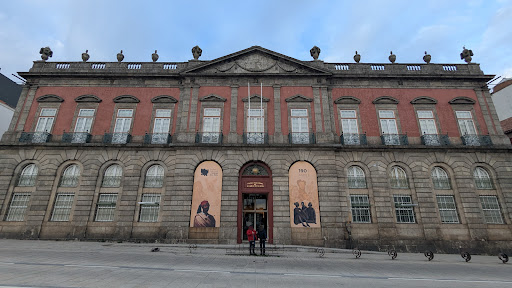
Soares dos Reis National Museum is a museum, currently housed in the Carrancas Palace situated in the civil parish of Cedofeita, Santo Ildefonso, Sé, Miragaia, São Nicolau e Vitória, in the northern Portuguese city of Porto.
Cultural
Accessibility
attractions: Jardins do Palácio de Cristal, Jardim do Carregal (Carrilho Videira), Pavilhão Rosa Mota, Destino Fado, Jardim da Cordoaria, Igreja do Carmo, World of Discoveries, Alfandega Congress Center, Museum of Transport and Communication, Torre dos Clérigos, restaurants: Assador Típico, Tropical Burguer, A Padoca, Época, INDIAN ITALIAN RESTAURANT, Decomur, Boulevard Burger House, Rota Do Chá, Tasquinha Zé Povinho, MEU TEMPO, local businesses: Gardens of the Crystal Palace, Parque de las Virtudes, Super Bock Arena – Pabellón Rosa Mota, Estacionamento Palácio de Cristal, R. de Miguel Bombarda, Museu do Centro Hospitalar do Porto, La Patilla - Porto, USAxe Club, Museo de la Historia Natural y de la Ciencia de la Universidad de Porto, Barca Açaí
 Learn more insights from Wanderboat AI.
Phone
+351 22 339 3770
Website
museusoaresdosreis.gov.pt
Open hoursSee all hours
MonClosedOpen
Plan your stay

Pet-friendly Hotels in Porto
Find a cozy hotel nearby and make it a full experience.

Affordable Hotels in Porto
Find a cozy hotel nearby and make it a full experience.

The Coolest Hotels You Haven't Heard Of (Yet)
Find a cozy hotel nearby and make it a full experience.

Trending Stays Worth the Hype in Porto
Find a cozy hotel nearby and make it a full experience.
Reviews
Live events
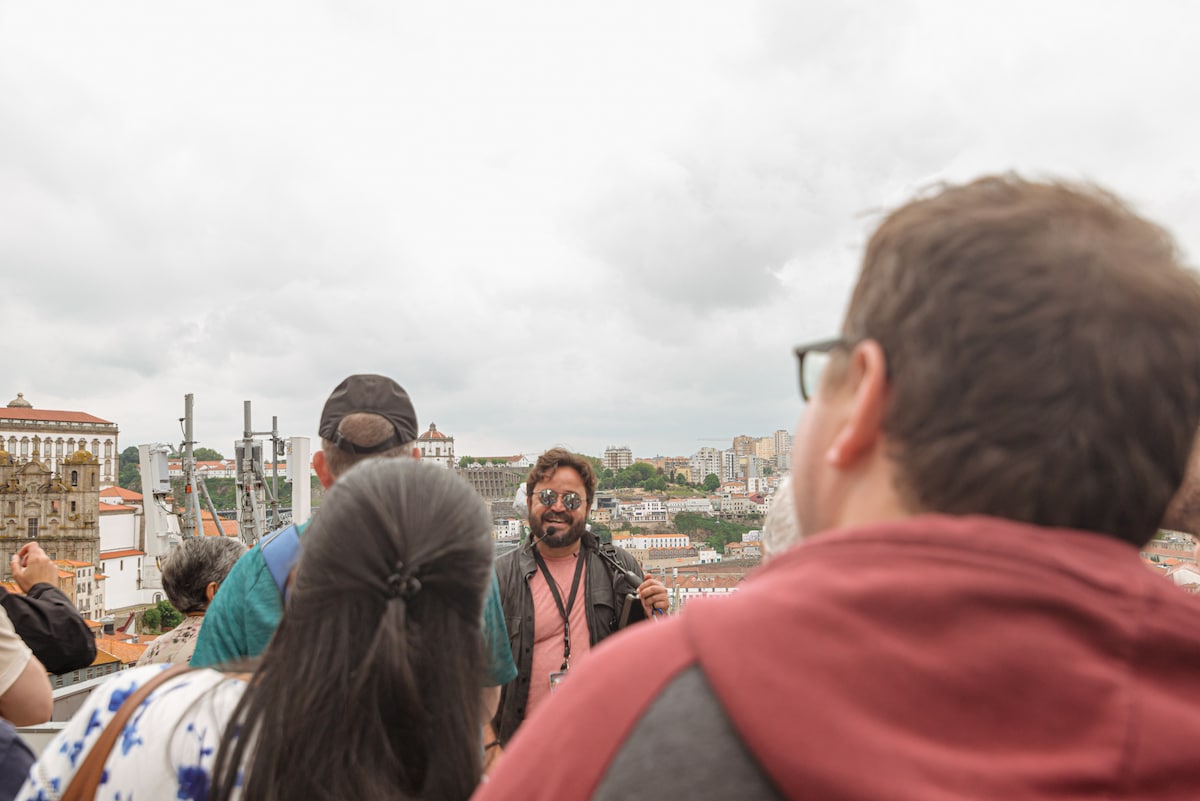
Uncover Portos history with a local guide
Mon, Jan 26 • 3:30 PM
4050-161, Porto, Portugal
View details
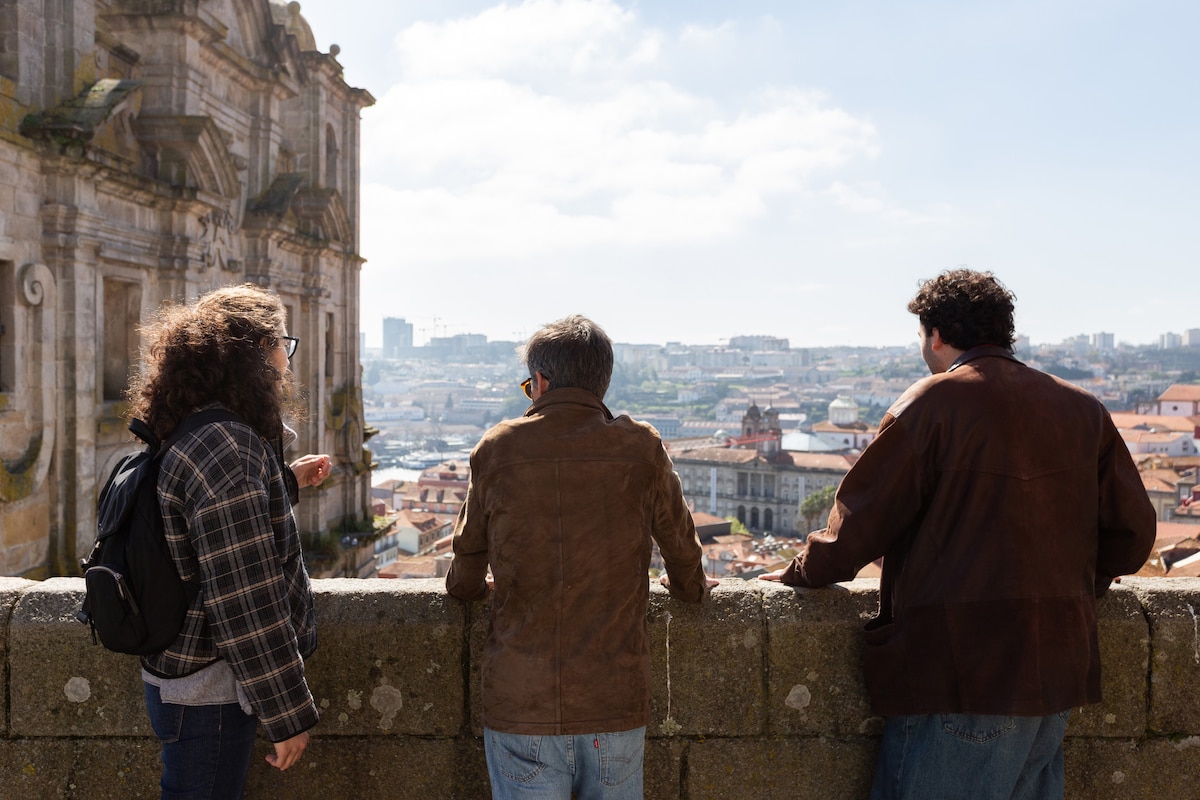
Travel back in time to Portos roots
Tue, Jan 27 • 10:00 AM
4000-013, Porto, Portugal
View details

Learn to make Pastel de Nata
Mon, Jan 26 • 2:30 PM
4510-551, Fânzeres, Portugal
View details
Nearby attractions of National Museum Soares dos Reis
Jardins do Palácio de Cristal
Jardim do Carregal (Carrilho Videira)
Pavilhão Rosa Mota
Destino Fado
Jardim da Cordoaria
Igreja do Carmo
World of Discoveries
Alfandega Congress Center
Museum of Transport and Communication
Torre dos Clérigos

Jardins do Palácio de Cristal
4.6
(16.7K)
Open until 7:00 PM
Click for details
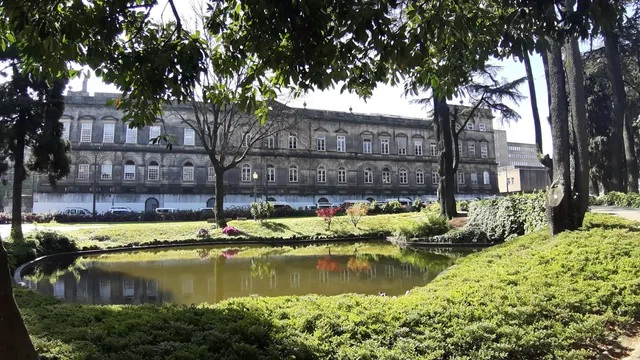
Jardim do Carregal (Carrilho Videira)
4.2
(760)
Open until 12:00 AM
Click for details
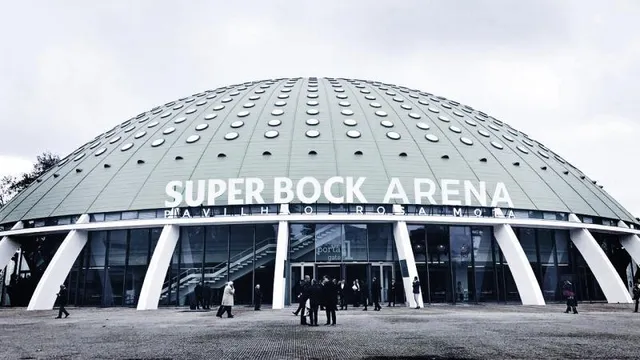
Pavilhão Rosa Mota
4.6
(1.9K)
Open until 12:00 AM
Click for details
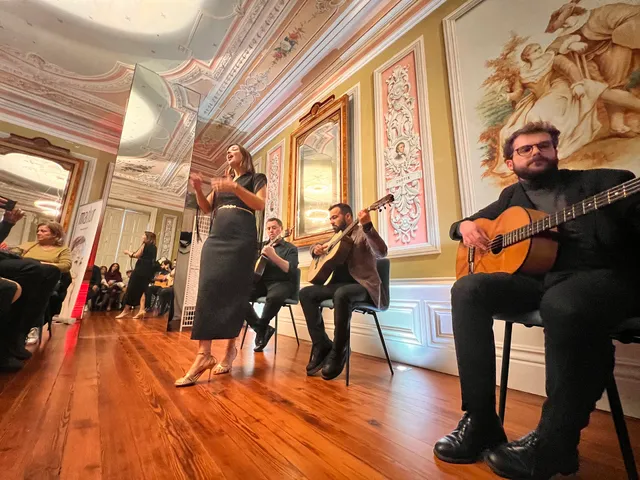
Destino Fado
4.9
(93)
Open 24 hours
Click for details
Nearby restaurants of National Museum Soares dos Reis
Assador Típico
Tropical Burguer
A Padoca
Época
INDIAN ITALIAN RESTAURANT
Decomur
Boulevard Burger House
Rota Do Chá
Tasquinha Zé Povinho
MEU TEMPO
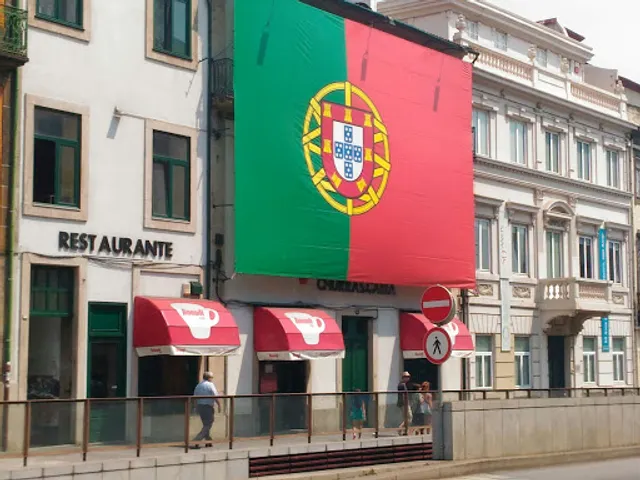
Assador Típico
3.9
(1.1K)
$$
Click for details
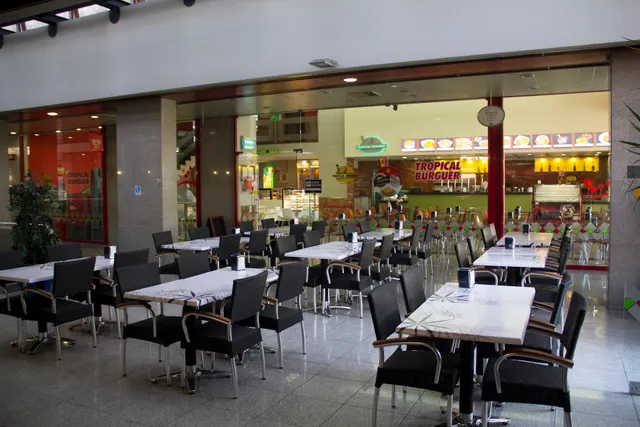
Tropical Burguer
4.0
(688)
Open until 1:00 AM
Click for details
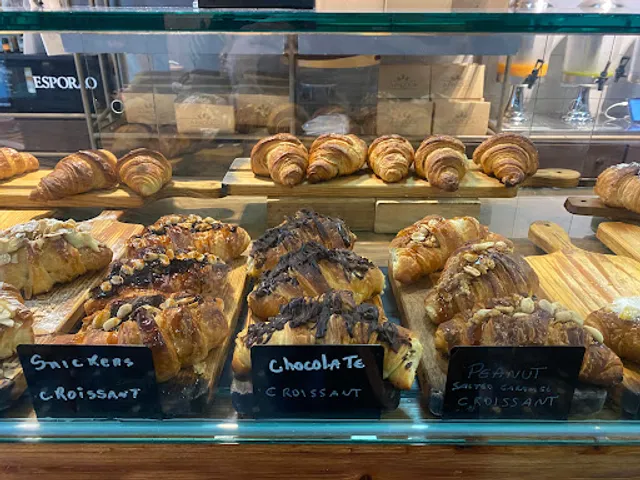
A Padoca
4.6
(639)
$
Open until 12:00 AM
Click for details
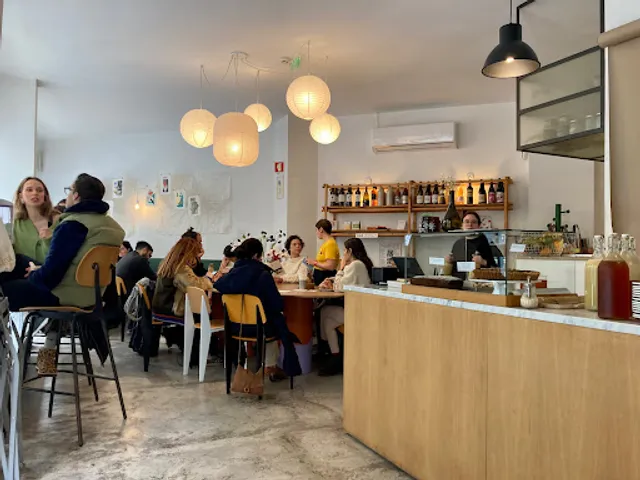
Época
4.7
(464)
Open until 12:00 AM
Click for details
Nearby local services of National Museum Soares dos Reis
Gardens of the Crystal Palace
Parque de las Virtudes
Super Bock Arena – Pabellón Rosa Mota
Estacionamento Palácio de Cristal
R. de Miguel Bombarda
Museu do Centro Hospitalar do Porto
La Patilla - Porto
USAxe Club
Museo de la Historia Natural y de la Ciencia de la Universidad de Porto
Barca Açaí
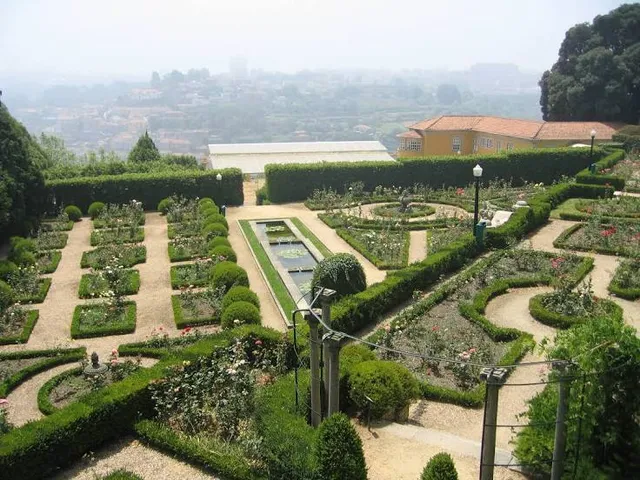
Gardens of the Crystal Palace
4.6
(14K)
Click for details
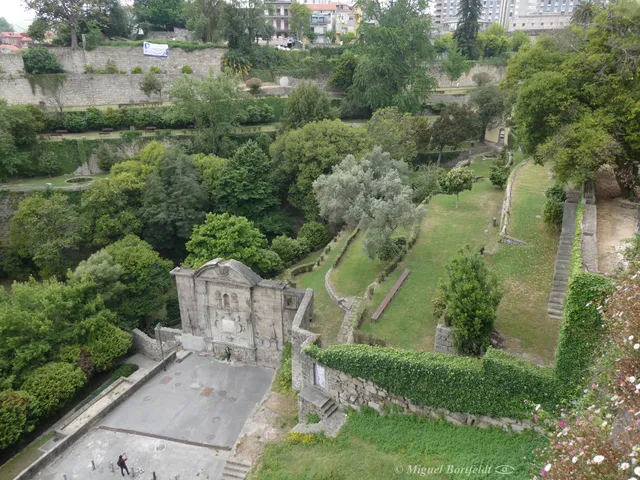
Parque de las Virtudes
4.6
(2.6K)
Click for details
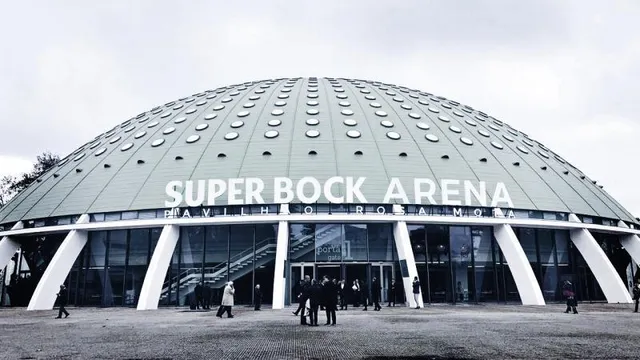
Super Bock Arena – Pabellón Rosa Mota
4.6
(1.3K)
Click for details
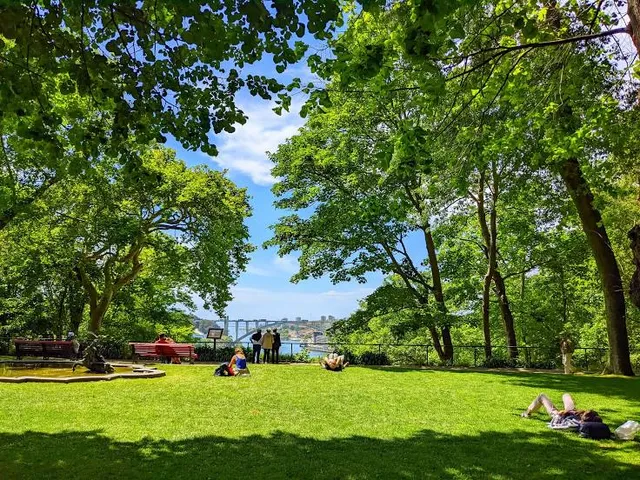
Estacionamento Palácio de Cristal
4.1
(198)
Click for details