HTML SitemapExplore
logo
Find Things to DoFind The Best Restaurants

Convent of Christ — Attraction in Tomar

Name
Convent of Christ
Description
Nearby attractions
Seven Hills National Forest
Avenida Dr. Vieira Guimarães 1 2300, Tomar, Portugal
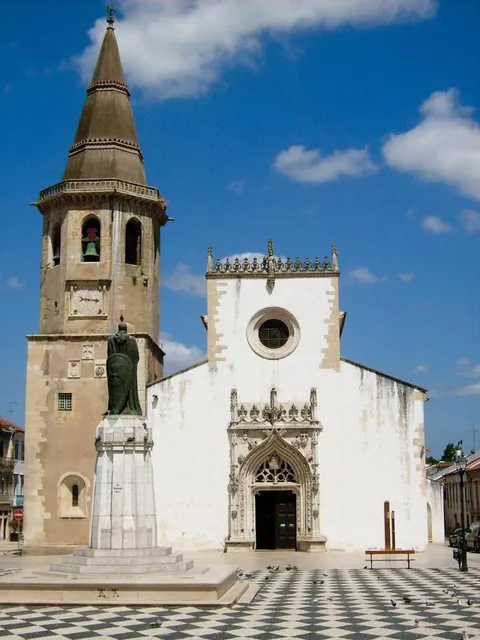
Igreja de São João Baptista
R. São João 135, 2300-568 Tomar, Portugal
Park "Mouchão"
Rua Parque, 2300-586 Tomar, Portugal
Synagogue
R. Dr. Joaquim Jacinto 73, Tomar, Portugal
Hermitage of Nossa Senhora da Conceição
Ermida da Imaculada Conceição, Convento de Cristo, 2300-322 Tomar, Portugal
Museu dos Fósforos - Aquiles da Mota Lima
Av. Gen. Bernardo Faria, Tomar, Portugal
Levada de Tomar
Nabão River, Portogallo, Portugal
Roda do Mouchão
Av. Marquês de Tomar 12, 2300-586 Tomar, Portugal
Charolinha da Mata Nacional dos Sete Montes
Tomar, Portugal
Casa dos Cubos
Av. Norton de Matos 42, Tomar, Portugal
Nearby restaurants
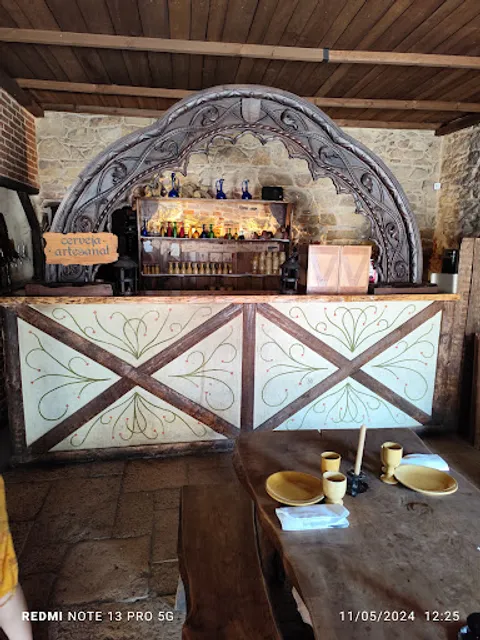
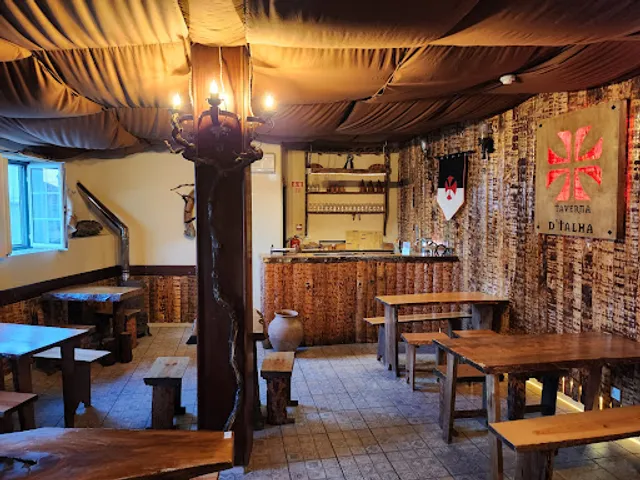
Taverna Antiqua
Praça da República 23, 2300-556 Tomar, Portugal
Fernandos' Brewery
R. da Silva Magalhães 47, Tomar, Portugal
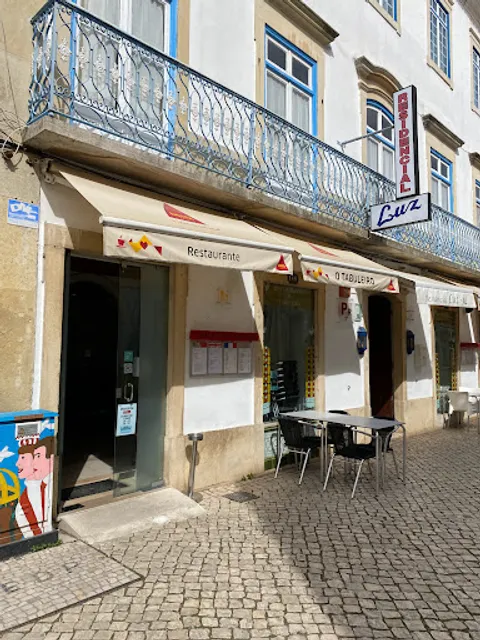
O Tabuleiro
R. Serpa Pinto 146, Tomar, Portugal
Biscaia.Tomar
R. da Silva Magalhães 77, 2300-390 Tomar, Portugal
Insensato Café-Livraria
R. da Silva Magalhães 25, 2300-593 Tomar, Portugal
15
R. Dona Aurora de Macedo 23, 2300-556 Tomar, Portugal
D’o Costume
R. São João 135, 2300-568 Tomar, Portugal
Restaurante Jardim
R. da Silva Magalhães 54, 2300-593 Tomar, Portugal
Cova Funda
R. Infantaria 15 nº65/67, 2300-583 Tomar, Portugal
RESTAURANTE LANDEIRA
R. da Silva Magalhães, 2300-593 Tomar, Portugal
Nearby hotels
Hotel República Boutique Hotel
Praça da República 41, 2300-550 Tomar, Portugal
Casa dos Ofícios - Hotel
R. da Silva Magalhães N.º 71, 2300-593 Tomar, Portugal
D'El Rey Guest House
R. Casal do Láparo 40 2300, 2300-376 Tomar, Portugal
Pé do Castelo
Região Centro PT, R. do Pé da Costa de Cima 15, 2300-360 Tomar, Portugal
Hotel dos Templários
Largo Cândido dos Reis 1, 2300-326 Tomar, Portugal
Pensão Residencial Luanda
Av. Marquês de Tomar nº15, 2300-586 Tomar, Portugal
Residencial Luz
R. Serpa Pinto 144, Tomar, Portugal
Hotel Sinagoga
R. Gil Avô, 2300-580 Tomar, Portugal
Hostel 2300 Thomar
R. Serpa Pinto 43, 2300-592 Tomar, Portugal
União - Guest House
R. Serpa Pinto 94, 2300-592 Tomar, Portugal
Related posts
Keywords
Convent of Christ tourism.Convent of Christ hotels.Convent of Christ bed and breakfast. flights to Convent of Christ.Convent of Christ attractions.Convent of Christ restaurants.Convent of Christ travel.Convent of Christ travel guide.Convent of Christ travel blog.Convent of Christ pictures.Convent of Christ photos.Convent of Christ travel tips.Convent of Christ maps.Convent of Christ things to do.
Convent of Christ things to do, attractions, restaurants, events info and trip planning
Convent of Christ
PortugalTomarConvent of Christ

Basic Info

Convent of Christ

Igreja do Castelo Templário, Estr. do Convento, 2300-000 Tomar, Portugal
4.7(7.2K)
Open 24 hours
Save
spot

Ratings & Description

Info

attractions: Seven Hills National Forest, Igreja de São João Baptista, Park "Mouchão", Synagogue, Hermitage of Nossa Senhora da Conceição, Museu dos Fósforos - Aquiles da Mota Lima, Levada de Tomar, Roda do Mouchão, Charolinha da Mata Nacional dos Sete Montes, Casa dos Cubos, restaurants: Taverna Antiqua, Fernandos' Brewery, O Tabuleiro, Biscaia.Tomar, Insensato Café-Livraria, 15, D’o Costume, Restaurante Jardim, Cova Funda, RESTAURANTE LANDEIRA
logoLearn more insights from Wanderboat AI.
Phone
+351 249 315 089
Website
conventocristo.gov.pt

Plan your stay

hotel
Pet-friendly Hotels in Tomar
Find a cozy hotel nearby and make it a full experience.

hotel
Affordable Hotels in Tomar
Find a cozy hotel nearby and make it a full experience.

hotel
The Coolest Hotels You Haven't Heard Of (Yet)
Find a cozy hotel nearby and make it a full experience.

hotel
Trending Stays Worth the Hype in Tomar
Find a cozy hotel nearby and make it a full experience.

Reviews

Nearby attractions of Convent of Christ

Seven Hills National Forest

Igreja de São João Baptista

Park "Mouchão"

Synagogue

Hermitage of Nossa Senhora da Conceição

Museu dos Fósforos - Aquiles da Mota Lima

Levada de Tomar

Roda do Mouchão

Charolinha da Mata Nacional dos Sete Montes

Casa dos Cubos
Seven Hills National Forest

Seven Hills National Forest

4.5

(645)

Open 24 hours
Click for details
Igreja de São João Baptista

Igreja de São João Baptista

4.6

(579)

Open until 7:30 PM
Click for details
Park "Mouchão"

Park "Mouchão"

4.6

(2K)

Open 24 hours
Click for details
Synagogue

Synagogue

4.3

(370)

Open 24 hours
Click for details

Nearby restaurants of Convent of Christ

Taverna Antiqua

Fernandos' Brewery

O Tabuleiro

Biscaia.Tomar

Insensato Café-Livraria

15

D’o Costume

Restaurante Jardim

Cova Funda

RESTAURANTE LANDEIRA

Taverna Antiqua

Taverna Antiqua

4.6

(1.8K)

Click for details
Fernandos' Brewery

Fernandos' Brewery

4.4

(927)

$

Click for details
O Tabuleiro

O Tabuleiro

4.5

(945)

Click for details
Biscaia.Tomar

Biscaia.Tomar

4.8

(277)

Click for details
Get the Appoverlay
Get the AppOne tap to find yournext favorite spots!
Wanderboat LogoWanderboat

Your everyday Al companion for getaway ideas

CompanyAbout Us
InformationAI Trip PlannerSitemap
SocialXInstagramTiktokLinkedin
LegalTerms of ServicePrivacy Policy

Get the app

© 2025 Wanderboat. All rights reserved.
logo

Reviews of Convent of Christ

4.7
(7,154)
avatar
5.0
11w

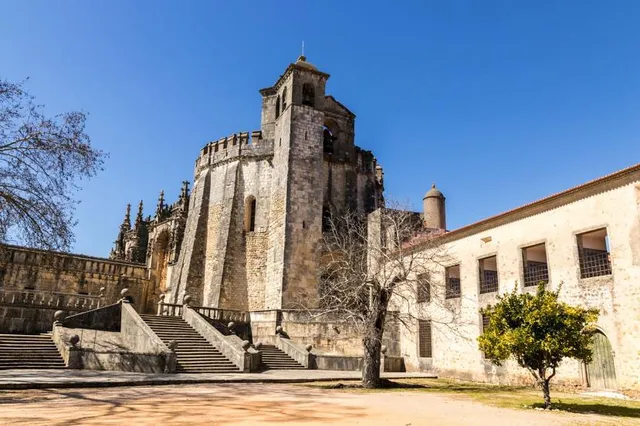
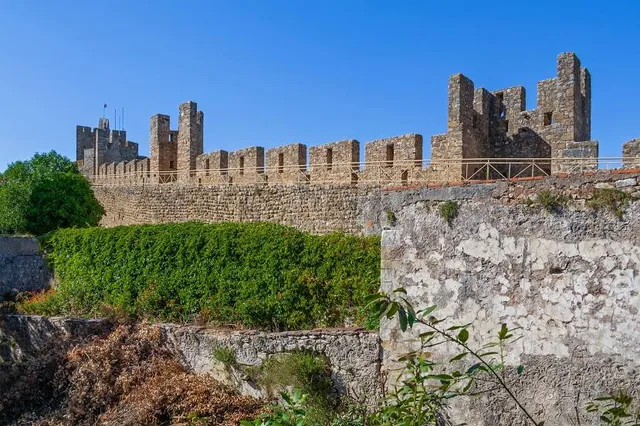
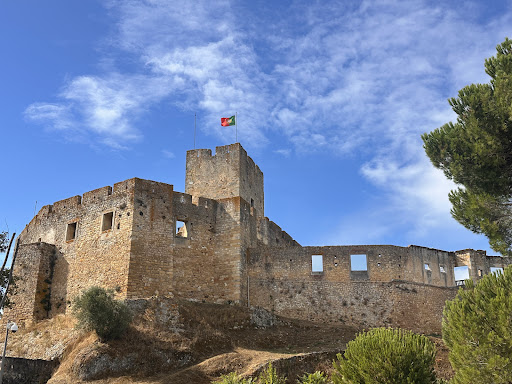
Wrapped in splendour and mystery, the Knights Templar held enormous power in Portugal from the 12th to 16th centuries, and largely bankrolled the Age of Discoveries. Their headquarters sit on wooded slopes above the town and are enclosed within 12th-century walls. The Convento de Cristo is a stony expression of magnificence, founded in 1160 by Gualdim Pais. It has chapels, cloisters and choirs in diverging styles, added over the centuries by successive kings and Grand Masters.

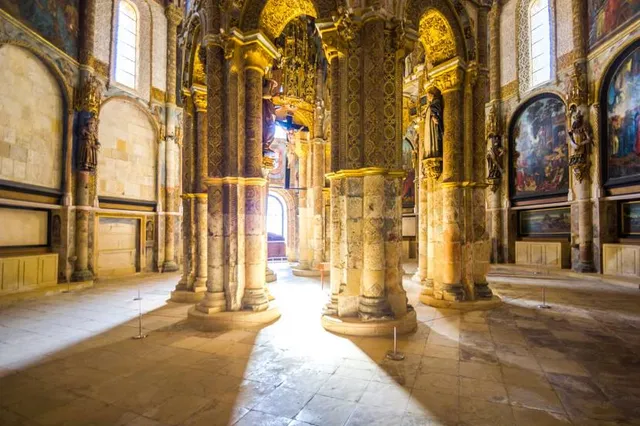
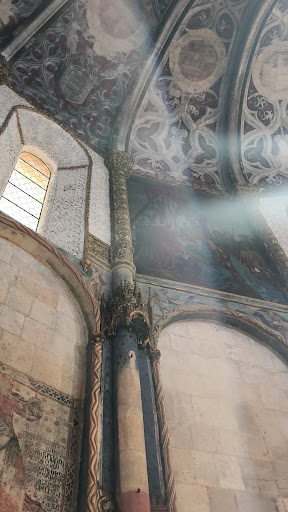
The Charola, the extraordinary 16-sided Templar church, thought to be in imitation of the Church of the Holy Sepulchre in Jerusalem, dominates the complex. Its eastern influences give it a very different feel to most Portuguese churches; the interior is otherworldly in its vast heights – an awesome combination of simple forms and rich embellishment. It’s said that the circular design enabled knights to attend Mass on horseback. In the centre stands an eerily Gothic high altar, while wall paintings date from the early 16th century. A huge funnel to the left is an ancient organ pipe (the organ itself is long gone).

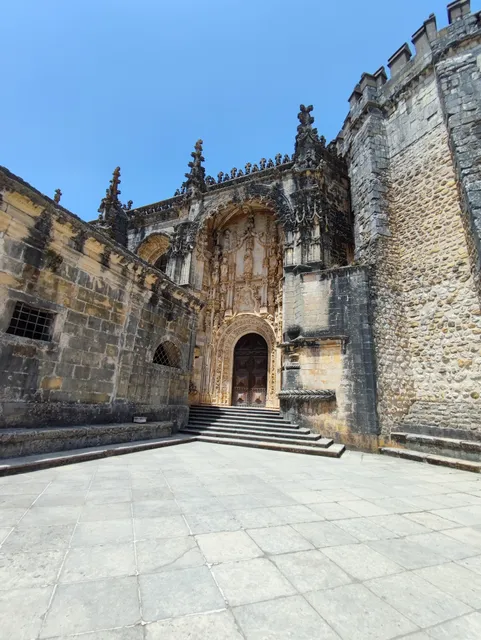
Dom Manuel was responsible for tacking the nave on to the west side of the Charola and for commissioning a two-level choir. The coro alto (upper choir) is a fabulous Manueline work, with intricate decor on the vaulting and windows. The main western doorway into the nave is a splendid example of Spanish plateresque style.

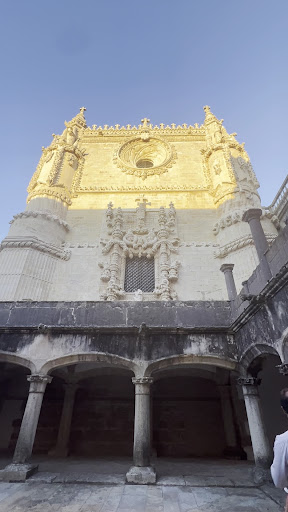
Seeming to have grown from the wall, the Janela Manuelina (Manueline Window) on the church's western side is the most famous and fantastical feature of the monastery. It’s the ultimate in Manueline extravagance, a celebration of the Age of Discoveries: a Medusa tangle of snaking ropes, seaweed and cork boats, atop of which floats the Cross of the Order of Christ and the royal arms and armillary spheres of Dom Manuel. It’s best seen from the roof of the adjacent Claustro de Santa Bárbara. Follow signs to the janela. Unfortunately obscured by the Claustro Principal is an almost-equivalent window on the southern side of the church.

Two serene, azulejo-decorated cloisters to the east of the Charola were built during the time when Prince Henry the Navigator was Grand Master of the order in the 15th century. The Claustro do Cemitério (Burial-Ground Cloisters) contains two 16th-century tombs and pretty citrus trees, while the two-storey Claustro da Lavagem (Ablutions Cloisters) affords nice views of the crenellated ruins of the Templars’ original castle.

The elegant Renaissance Claustro Principal (Great Cloisters) stands in striking contrast to the flamboyance of the monastery’s Manueline architecture. Commissioned during the reign of João III, the cloisters were probably designed by the Spaniard Diogo de Torralva but completed in 1587 by an Italian, Filippo Terzi. These foreign architects were among several responsible for introducing a delayed Renaissance style into Portugal. The Claustro Principal is arguably the country’s finest expression of that style: a sober ensemble of Greek columns and pillars, gentle arches and sinuous,...

   Read more
avatar
5.0
25w

The Convent of Christ (Convento de Cristo) in Tomar is an extraordinarily unique and complex UNESCO World Heritage site, fundamentally defined by its profound historical connection to the Knights Templar and their successors, the Order of Christ. It's not merely a single building but a vast architectural ensemble that evolved over several centuries, showcasing a remarkable blend of architectural styles.

Its most iconic and unique element is the Charola, the original 12th-century Templar rotunda church. This circular, fortified oratory was inspired by the Church of the Holy Sepulchre in Jerusalem and served as the spiritual heart of the Knights. Its unique design and rich 16th-century frescoes are unparalleled.

Beyond the Charola, the convent is a living architectural textbook, featuring a stunning array of styles including Romanesque, Gothic, Renaissance, Mannerist, and especially the uniquely Portuguese Manueline. The Chapter House Window (Janela do Capítulo) is a world-renowned masterpiece of Manueline art, with intricate carvings of maritime motifs, ropes, and symbols of the Age of Discoveries. The complex also boasts eight cloisters, each with its own distinct character, demonstrating the evolution of architectural design over centuries. This fusion of a powerful military order's headquarters with evolving architectural grandeur and profound historical significance makes the Convent of Christ an...

   Read more
avatar
4.0
2y

This place is enormous, as we discovered when searching for the restrooms, which were all the way at the "end." It's a little underwhelming at the start as you first visit the areas just adjacent to the old castle, which are rather old and seem a bit run down. The convent was built up over time as a series of additions to the Knights Templar castle. I don't believe there is a way to pass from one to the other within the convent/monastery, and the castle was closed for renovations when we were there. The castle grounds are open to the public and worth a visit, but we had to access them from outside of the monastery from a separate entrance off of the parking lot. You eventually get to tour the church, dining hall, cells, kitchen, etc. There are tons of courtyards, gardens, and fountains. The most interesting parts to us were the rows and rows of cells, the dining hall, and the kitchen areas. It was interesting to get to see how they lived. Some of the ruined / unfinished portions were interesting as well. It is not a quick trip, so plan to spend some time there. I'm not usually big on religious sites, but it was an interesting stop. There were not a lot of staff there, so we wandered around and found some interesting areas - some that weren't lit and we had to use our camera flashlights to...

   Read more
Page 1 of 7
Previous
Next

Posts

Alexandre AlvesAlexandre Alves
Wrapped in splendour and mystery, the Knights Templar held enormous power in Portugal from the 12th to 16th centuries, and largely bankrolled the Age of Discoveries. Their headquarters sit on wooded slopes above the town and are enclosed within 12th-century walls. The Convento de Cristo is a stony expression of magnificence, founded in 1160 by Gualdim Pais. It has chapels, cloisters and choirs in diverging styles, added over the centuries by successive kings and Grand Masters. The Charola, the extraordinary 16-sided Templar church, thought to be in imitation of the Church of the Holy Sepulchre in Jerusalem, dominates the complex. Its eastern influences give it a very different feel to most Portuguese churches; the interior is otherworldly in its vast heights – an awesome combination of simple forms and rich embellishment. It’s said that the circular design enabled knights to attend Mass on horseback. In the centre stands an eerily Gothic high altar, while wall paintings date from the early 16th century. A huge funnel to the left is an ancient organ pipe (the organ itself is long gone). Dom Manuel was responsible for tacking the nave on to the west side of the Charola and for commissioning a two-level choir. The coro alto (upper choir) is a fabulous Manueline work, with intricate decor on the vaulting and windows. The main western doorway into the nave is a splendid example of Spanish plateresque style. Seeming to have grown from the wall, the Janela Manuelina (Manueline Window) on the church's western side is the most famous and fantastical feature of the monastery. It’s the ultimate in Manueline extravagance, a celebration of the Age of Discoveries: a Medusa tangle of snaking ropes, seaweed and cork boats, atop of which floats the Cross of the Order of Christ and the royal arms and armillary spheres of Dom Manuel. It’s best seen from the roof of the adjacent Claustro de Santa Bárbara. Follow signs to the janela. Unfortunately obscured by the Claustro Principal is an almost-equivalent window on the southern side of the church. Two serene, azulejo-decorated cloisters to the east of the Charola were built during the time when Prince Henry the Navigator was Grand Master of the order in the 15th century. The Claustro do Cemitério (Burial-Ground Cloisters) contains two 16th-century tombs and pretty citrus trees, while the two-storey Claustro da Lavagem (Ablutions Cloisters) affords nice views of the crenellated ruins of the Templars’ original castle. The elegant Renaissance Claustro Principal (Great Cloisters) stands in striking contrast to the flamboyance of the monastery’s Manueline architecture. Commissioned during the reign of João III, the cloisters were probably designed by the Spaniard Diogo de Torralva but completed in 1587 by an Italian, Filippo Terzi. These foreign architects were among several responsible for introducing a delayed Renaissance style into Portugal. The Claustro Principal is arguably the country’s finest expression of that style: a sober ensemble of Greek columns and pillars, gentle arches and sinuous, spiralling staircases.
Varto BasmajianVarto Basmajian
The Convento de Cristo in Tomar is one of those places that feel suspended in time, a stone labyrinth where the echoes of the Knights Templar still linger. Originally built as the headquarters of the Templars in Portugal, it later became the home of the Order of Christ, carrying that same air of mystery and quiet power. The main church, the Charola is extraordinary, its circular design was inspired by the Church of the Holy Sepulchre in Jerusalem, a direct architectural link between Portugal and the Holy Land. Inside, the space glows with medieval frescoes, gold leaf, and a sense of sacred geometry that feels spiritual and beautiful. The rest of the convent unfolds like a dream of stone, cloisters upon cloisters, Manueline windows crawling with rope and coral motifs, and corridors that seem to hum with history. You can almost imagine the Templar knights walking through at dusk, the weight of centuries in their silence. It’s not just a monument; it’s a story carved in limestone, blending faith, art, and mystery. Whether you’re drawn by history or atmosphere, Convento de Cristo is one of the most powerful and beautiful places in Portugal. Well worth the visit when in Tomar.
antonio j stenta bantonio j stenta b
I visited the Convent of Christ in Tomar and found it to be a truly captivating and historic destination. Originally a 12th‑century stronghold founded by the Templars and later expanded by the Order of Christ, the site masterfully blends Romanesque, Gothic, Manueline and Renaissance architecture. Walking through the grand Charola rotated with its ornate columns and richly detailed carvings feels like stepping into a medieval masterpiece. I especially loved exploring the cloisters, including the astonishing window of the Chapter House, which beautifully combines natural light with extraordinary stonework. The gardens and surrounding grounds are peaceful and offer lovely views over the town. Entry fee is very reasonable and gives you access to all key areas, making the visit excellent value for history and architecture lovers. The museum sections provide clear explanations of the convent’s evolving role over the centuries. As the site is quite large, I recommend dedicating a few hours to fully appreciate its beauty and significance. It is an inspiring place that brings Portugal’s rich past vividly to life.
See more posts
See more posts
hotel
Find your stay

Pet-friendly Hotels in Tomar

Find a cozy hotel nearby and make it a full experience.

Wrapped in splendour and mystery, the Knights Templar held enormous power in Portugal from the 12th to 16th centuries, and largely bankrolled the Age of Discoveries. Their headquarters sit on wooded slopes above the town and are enclosed within 12th-century walls. The Convento de Cristo is a stony expression of magnificence, founded in 1160 by Gualdim Pais. It has chapels, cloisters and choirs in diverging styles, added over the centuries by successive kings and Grand Masters. The Charola, the extraordinary 16-sided Templar church, thought to be in imitation of the Church of the Holy Sepulchre in Jerusalem, dominates the complex. Its eastern influences give it a very different feel to most Portuguese churches; the interior is otherworldly in its vast heights – an awesome combination of simple forms and rich embellishment. It’s said that the circular design enabled knights to attend Mass on horseback. In the centre stands an eerily Gothic high altar, while wall paintings date from the early 16th century. A huge funnel to the left is an ancient organ pipe (the organ itself is long gone). Dom Manuel was responsible for tacking the nave on to the west side of the Charola and for commissioning a two-level choir. The coro alto (upper choir) is a fabulous Manueline work, with intricate decor on the vaulting and windows. The main western doorway into the nave is a splendid example of Spanish plateresque style. Seeming to have grown from the wall, the Janela Manuelina (Manueline Window) on the church's western side is the most famous and fantastical feature of the monastery. It’s the ultimate in Manueline extravagance, a celebration of the Age of Discoveries: a Medusa tangle of snaking ropes, seaweed and cork boats, atop of which floats the Cross of the Order of Christ and the royal arms and armillary spheres of Dom Manuel. It’s best seen from the roof of the adjacent Claustro de Santa Bárbara. Follow signs to the janela. Unfortunately obscured by the Claustro Principal is an almost-equivalent window on the southern side of the church. Two serene, azulejo-decorated cloisters to the east of the Charola were built during the time when Prince Henry the Navigator was Grand Master of the order in the 15th century. The Claustro do Cemitério (Burial-Ground Cloisters) contains two 16th-century tombs and pretty citrus trees, while the two-storey Claustro da Lavagem (Ablutions Cloisters) affords nice views of the crenellated ruins of the Templars’ original castle. The elegant Renaissance Claustro Principal (Great Cloisters) stands in striking contrast to the flamboyance of the monastery’s Manueline architecture. Commissioned during the reign of João III, the cloisters were probably designed by the Spaniard Diogo de Torralva but completed in 1587 by an Italian, Filippo Terzi. These foreign architects were among several responsible for introducing a delayed Renaissance style into Portugal. The Claustro Principal is arguably the country’s finest expression of that style: a sober ensemble of Greek columns and pillars, gentle arches and sinuous, spiralling staircases.
Alexandre Alves

Alexandre Alves

hotel
Find your stay

Affordable Hotels in Tomar

Find a cozy hotel nearby and make it a full experience.

Get the Appoverlay
Get the AppOne tap to find yournext favorite spots!
The Convento de Cristo in Tomar is one of those places that feel suspended in time, a stone labyrinth where the echoes of the Knights Templar still linger. Originally built as the headquarters of the Templars in Portugal, it later became the home of the Order of Christ, carrying that same air of mystery and quiet power. The main church, the Charola is extraordinary, its circular design was inspired by the Church of the Holy Sepulchre in Jerusalem, a direct architectural link between Portugal and the Holy Land. Inside, the space glows with medieval frescoes, gold leaf, and a sense of sacred geometry that feels spiritual and beautiful. The rest of the convent unfolds like a dream of stone, cloisters upon cloisters, Manueline windows crawling with rope and coral motifs, and corridors that seem to hum with history. You can almost imagine the Templar knights walking through at dusk, the weight of centuries in their silence. It’s not just a monument; it’s a story carved in limestone, blending faith, art, and mystery. Whether you’re drawn by history or atmosphere, Convento de Cristo is one of the most powerful and beautiful places in Portugal. Well worth the visit when in Tomar.
Varto Basmajian

Varto Basmajian

hotel
Find your stay

The Coolest Hotels You Haven't Heard Of (Yet)

Find a cozy hotel nearby and make it a full experience.

hotel
Find your stay

Trending Stays Worth the Hype in Tomar

Find a cozy hotel nearby and make it a full experience.

I visited the Convent of Christ in Tomar and found it to be a truly captivating and historic destination. Originally a 12th‑century stronghold founded by the Templars and later expanded by the Order of Christ, the site masterfully blends Romanesque, Gothic, Manueline and Renaissance architecture. Walking through the grand Charola rotated with its ornate columns and richly detailed carvings feels like stepping into a medieval masterpiece. I especially loved exploring the cloisters, including the astonishing window of the Chapter House, which beautifully combines natural light with extraordinary stonework. The gardens and surrounding grounds are peaceful and offer lovely views over the town. Entry fee is very reasonable and gives you access to all key areas, making the visit excellent value for history and architecture lovers. The museum sections provide clear explanations of the convent’s evolving role over the centuries. As the site is quite large, I recommend dedicating a few hours to fully appreciate its beauty and significance. It is an inspiring place that brings Portugal’s rich past vividly to life.
antonio j stenta b

antonio j stenta b

See more posts
See more posts