The reimagining of the collection galleries has brought about a comprehensive visitor trail, expanded interpretive materials to provide context for the masterworks, and introduced new resources designed for mobile access and child-friendliness to enhance the museum's accessibility for families and younger guests.
The eighteen galleries are thoughtfully organized based on broad historical and cultural themes, periods, and geography, offering an exploration of the great traditions of Islamic craftsmanship.
Your journey begins on the ground floor with an immersive introductory gallery that delves into the fascinating story of I.M. Pei and his audacious design for this iconic museum.
Gallery 1, "Embarking on a Journey through the Islamic World," invites you to explore the formation and spread of Islam, offering insights into its religious, intellectual, and cultural heritage. Upstairs, you'll traverse the Islamic world, from the Mediterranean to Southeast Asia, encountering some of the greatest empires in Islamic history and discovering the crucial role of trade and exchange.
This first gallery serves as your starting point on this enriching journey, displaying a selection of the museum's most significant masterpieces and sharing captivating stories that Islamic art narrates about the past, present, and future.
You'll find engaging collection highlights in each gallery, such as the "Cavour vase," a remarkable example of Mamluk glass.
Gallery 2, "The Qur'an – Word and Art," delves into the divine word of God in Islam, the Qur'an, exploring its profound significance, its recitation, and its role in shaping Islamic culture. The gallery also showcases the wide range of motifs and materials used to ornament Qur'an manuscripts.
In Gallery 3, "Religious Life in the Islamic World," you'll learn about the core beliefs and practices of the Muslim community and how they create a sense of unity. The material culture associated with religious life reflects the diversity within the umma.
Gallery 4, "Learning in the Islamic World," highlights the significance of learning and education in Islam, particularly in major intellectual centers like Baghdad, Cairo, Cordoba, and Fez. The gallery showcases the impact of scholars, libraries, and madrasas on advancing knowledge.
In Gallery 5, "Knowledge, Science, and Technology," you'll discover the contributions of Muslim scholars in various fields, from medicine and astronomy to mathematics and engineering, as they paved the way for modern scientific discoveries. The gallery illustrates how Muslim societies developed technologies to meet a range of needs.
Gallery 6, "The Establishment of the Caliphate," explores the rapid territorial expansion of Islam, the creation of the caliphate, the adoption of Arabic as the official language, and the introduction of a new calendar.
Gallery 7, "The Eastern World – Iran and Central Asia," showcases the cultural trends and innovations that emerged in the region as a result of the spread of Islam and its interaction with existing civilizations.
Gallery 8, "The Courtly Arts of Al-Andalus," focuses on the region of Al-Andalus, highlighting its brilliant political, economic, and cultural development under Muslim rule.
Gallery 9, "The Islamic Legacy in Al-Andalus," explores the enduring influence of Islamic art and culture even after the fall of Muslim rule in Granada.
Gallery 10, "The Mediterranean – Sea of Exchange," delves into the Mediterranean's role as a hub for trade and cultural exchange for thousands of years.
Gallery 11, "Ayyubid Syria and Mamluk Egypt," explores the dynasties of the Ayyubids and Mamluks, their political consolidation, prosperity, and their impact on the region's artistic production.
Gallery 12, "Arts of Turkey and the Ottoman Provinces," highlights the Ottoman Empire's rich artistic diversity, reflecting the multicultural and multilingual nature of the empire.
Gallery 13, "Arms and Armour," delves into the art of warfare in the Islamic world, showcasing how weapons and tactics evolved and became markers of...
Read moreA Timeless Journey Through Art and Culture – The Museum of Islamic Art, Doha
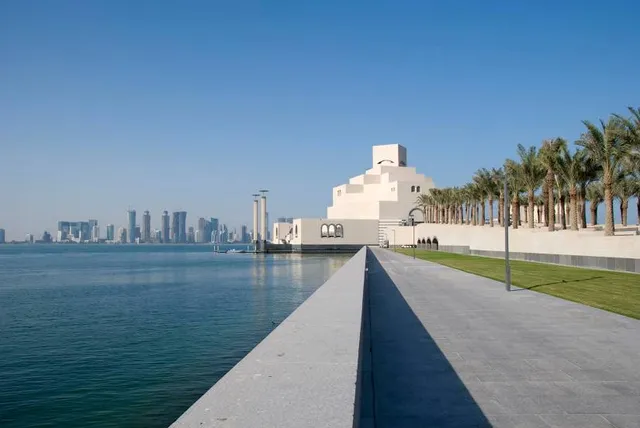
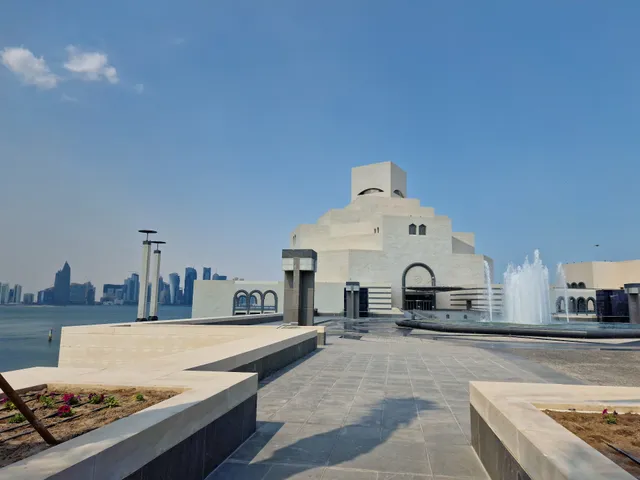
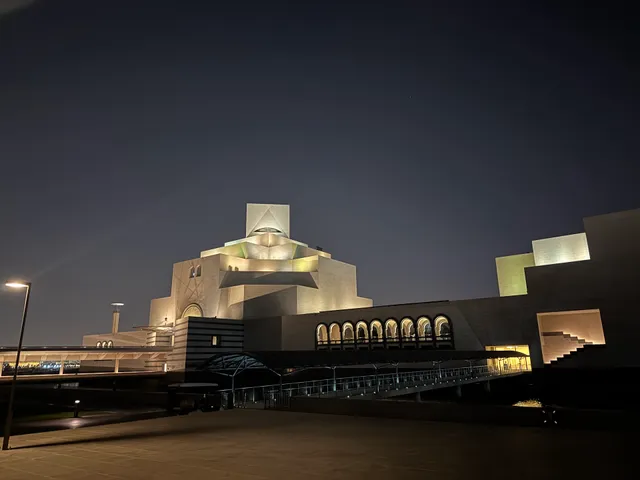
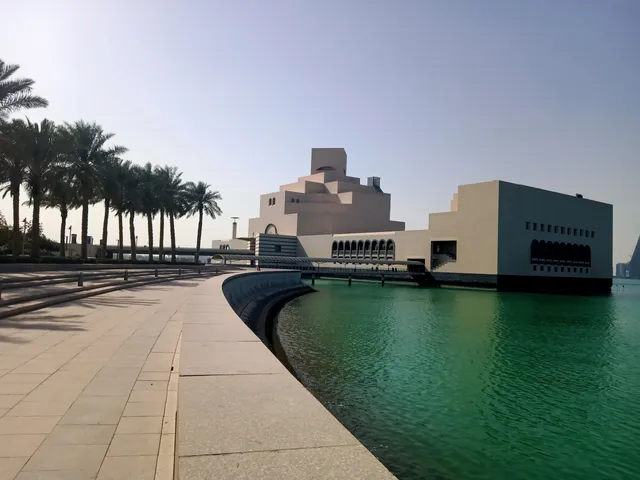
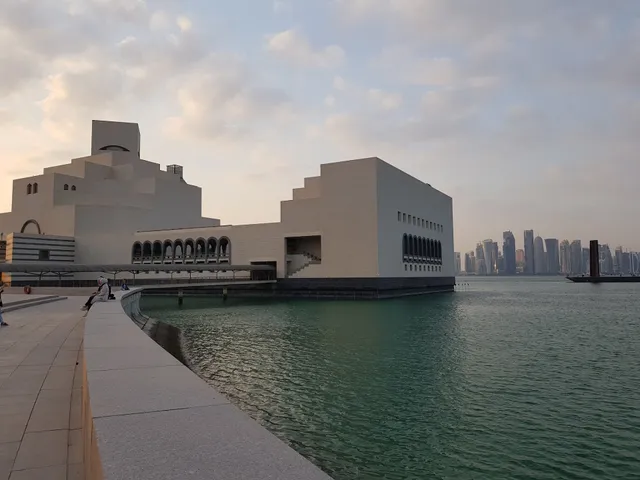
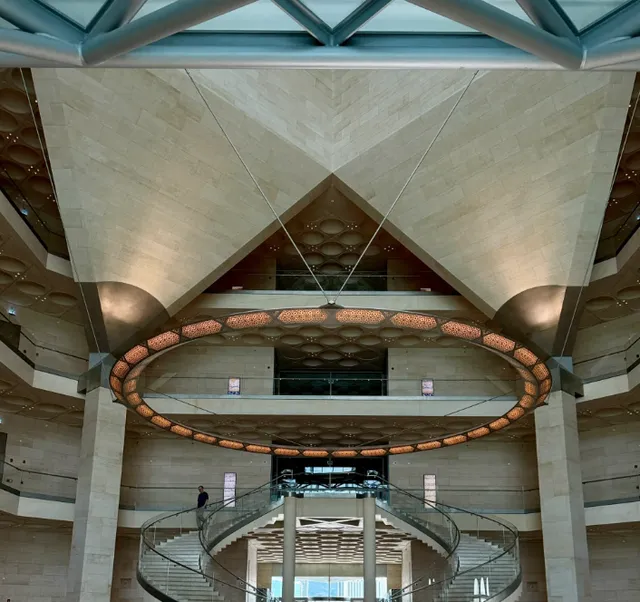
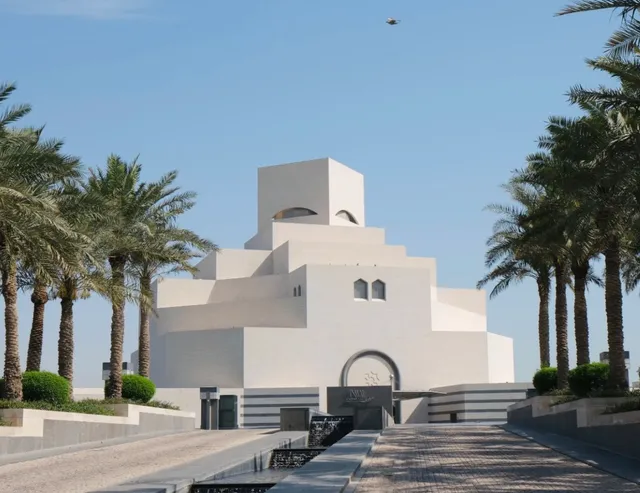
Visiting the Museum of Islamic Art (MIA) in Doha is like stepping into a living chronicle of history—where every corridor whispers stories of civilization, craftsmanship, and faith. Perched on its own serene island along the Corniche, the museum’s architectural grandeur, designed by the legendary I. M. Pei, is a masterpiece in itself. With its geometric precision and interplay of light and shadow, the building stands as a beacon of timeless beauty, mirroring the essence of the treasures it houses.
As you walk through its galleries, you embark on a mesmerizing journey spanning 1,400 years of Islamic art, from the intricate calligraphy of Persian manuscripts to the shimmering tiles of Ottoman mosques. The collection, sourced from three continents, showcases exquisite ceramics, rare textiles, delicate glasswork, and breathtaking jewelry—each piece a testament to the artistic and intellectual vibrancy of the Islamic world.
What makes MIA truly special is its ability to transport visitors beyond mere aesthetics. Every artifact tells a story—not just of faith, but of scientific discovery, trade, and cross-cultural exchanges that shaped history. The Qur’anic scripts, etched with divine precision, the Damascene metalwork, rich with symbolism, and the Mughal-era miniatures, bursting with color and life, all speak of an age where art and knowledge flourished hand in hand.
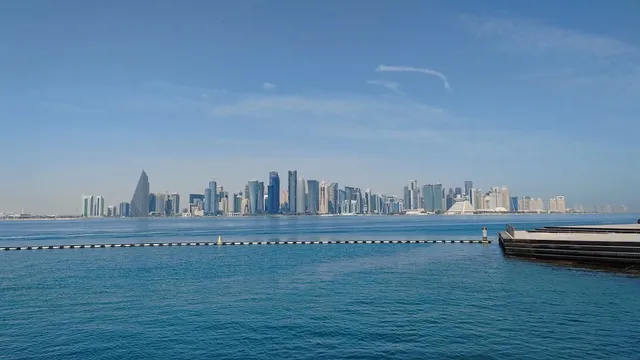
Beyond the galleries, MIA’s surroundings offer a moment of quiet reflection. The expansive waterfront terrace provides an uninterrupted view of Doha’s futuristic skyline, a striking contrast that beautifully encapsulates Qatar’s deep respect for its past while embracing the future. The MIA Café, nestled on the top floor, offers a perfect spot to sip on fragrant Arabic coffee while contemplating the seamless fusion of heritage and modernity.
Few museums in the world achieve what the Museum of Islamic Art in Doha does—it doesn’t just display history; it breathes it, celebrates it, and invites you to become part of its story. Whether you're an art enthusiast, a history buff, or simply a traveler seeking inspiration, MIA is more than a museum; it is an experience—profound, immersive, and utterly...
Read moreA Masterpiece in Every Sense!
The Museum of Islamic Art (MIA) in Doha is an absolute must-visit and easily deserves a five-star rating. From its stunning architecture to its incredible collection, it's a truly unforgettable experience.
Designed by the legendary I.M. Pei, the building itself is a work of art, standing majestically on its own island with breathtaking views of the Doha skyline and the Corniche. The geometric patterns and elegant lines are captivating, and even before you step inside, you know you're in for something special.
Inside, the museum houses one of the world's most comprehensive collections of Islamic art, spanning 14 centuries and three continents. Each gallery is thoughtfully curated, showcasing exquisite metalwork, ceramics, textiles, jewelry, and manuscripts. It's an immersive journey through the rich history and diverse artistic traditions of the Islamic world. Even if you're not an art history buff, the sheer beauty and craftsmanship of the pieces will leave you in awe.
Practical details for your visit: Admission Fee: For non-residents of Qatar, the admission fee is QAR 50. Residents of Qatar, children (16 and under), and students (with a valid ID) can enjoy free entry, which is a fantastic bonus!
Parking: There is a dedicated covered parking lot available at the museum. While generally convenient, it can fill up quickly, especially on weekends or during special events at MIA Park. We found it easy enough to find a spot, but it's good to be aware that it might be busy. There's also a taxi stand at the parking area.
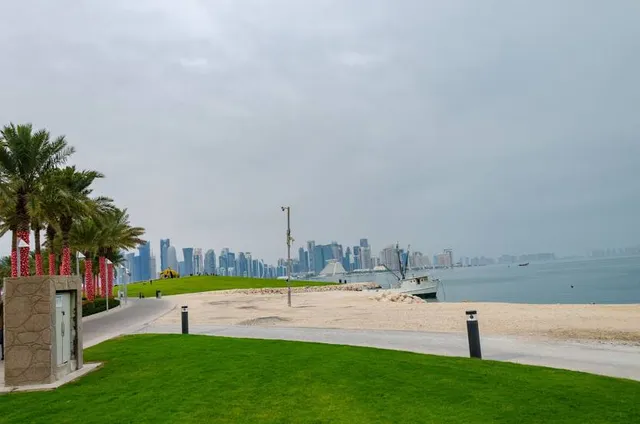
MIA Park: Don't forget to explore the expansive MIA Park surrounding the museum. It's a beautiful green space with cafes, walking paths, and stunning views – perfect for a picnic or a relaxing stroll before or after your museum visit. The iconic "7" sculpture by Richard Serra is also located here.
The Museum of Islamic Art is more than just a museum; it's an architectural marvel, a cultural treasure, and a serene escape. It offers a profound insight into Islamic civilization and truly enriches the soul. Highly,...
Read more