Jogyesa Temple things to do, attractions, restaurants, events info and trip planning
Basic Info
Jogyesa Temple
55 Ujeongguk-ro, Jongno District, Seoul, South Korea
4.5(3.4K)
Open until 11:00 PM
Save
spot
spot
Ratings & Description
Info
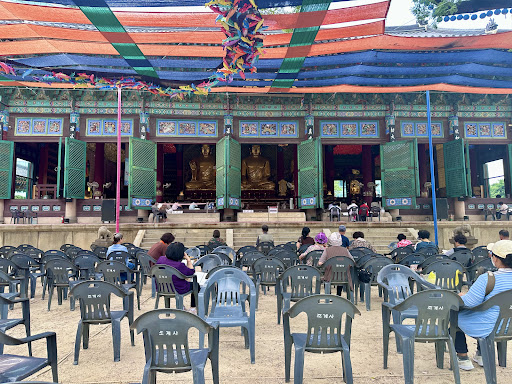
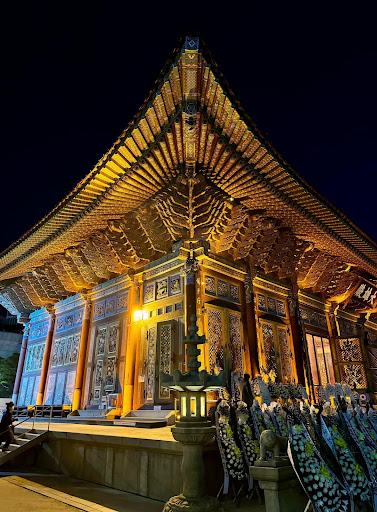
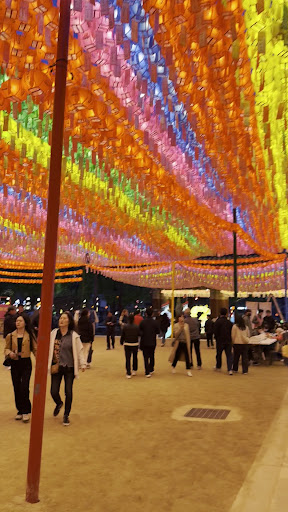
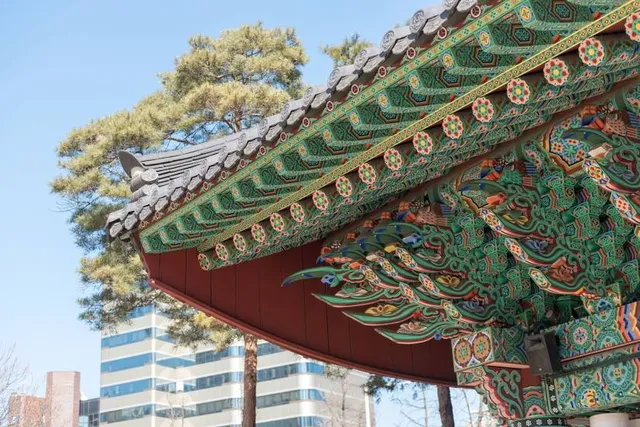
Jogyesa is the chief temple of the Jogye Order of Korean Buddhism. The building dates back to the late 14th century and became the order's chief temple in 1936. It thus plays a leading role in the current state of Seon Buddhism in South Korea.
Cultural
Family friendly
attractions: Insa Central Museum, Ground Seoul, Colorpool Museum, OCI Art Museum, Museum Kimchikan, Insa Art Center, Buddhism Central Museum, Insa-dong Culture Street, Gongpyeong Historic Sites Museum, National Museum of Korean Contemporary History, restaurants: Balwoo Gongyang, Imun Seolnongtang, 레아 카페 leah, Crystal Jade Gwanghwamun Shanghai Palace, 나주소나주곰탕 종로수송점, Beijing koya, Morang Haemulsotbap Jongno-gu office, Chinese Kitchen Hongseongweon, Terarosa Coffee Gwanghwamun, Hangwa Miuisik Annyeong Insadong, local businesses: Anyoung Insadong Shopping Mall, Ssamziegil, ARA Modern Art Museum, Princess Hanbok, Gallery Insaart, Insadong Vintage, Teastory | Beautiful Tea Museum, Byeolgungteo Hanbok Anguk Branch, Yeolrin Songhyeon, hanokhanbok
 Learn more insights from Wanderboat AI.
Phone
+82 2-768-8600
Website
jogyesa.kr
Open hoursSee all hours
Thu4 AM - 11 PMOpen
Plan your stay

Pet-friendly Hotels in Seoul
Find a cozy hotel nearby and make it a full experience.

Affordable Hotels in Seoul
Find a cozy hotel nearby and make it a full experience.

The Coolest Hotels You Haven't Heard Of (Yet)
Find a cozy hotel nearby and make it a full experience.

Trending Stays Worth the Hype in Seoul
Find a cozy hotel nearby and make it a full experience.
Reviews
Live events
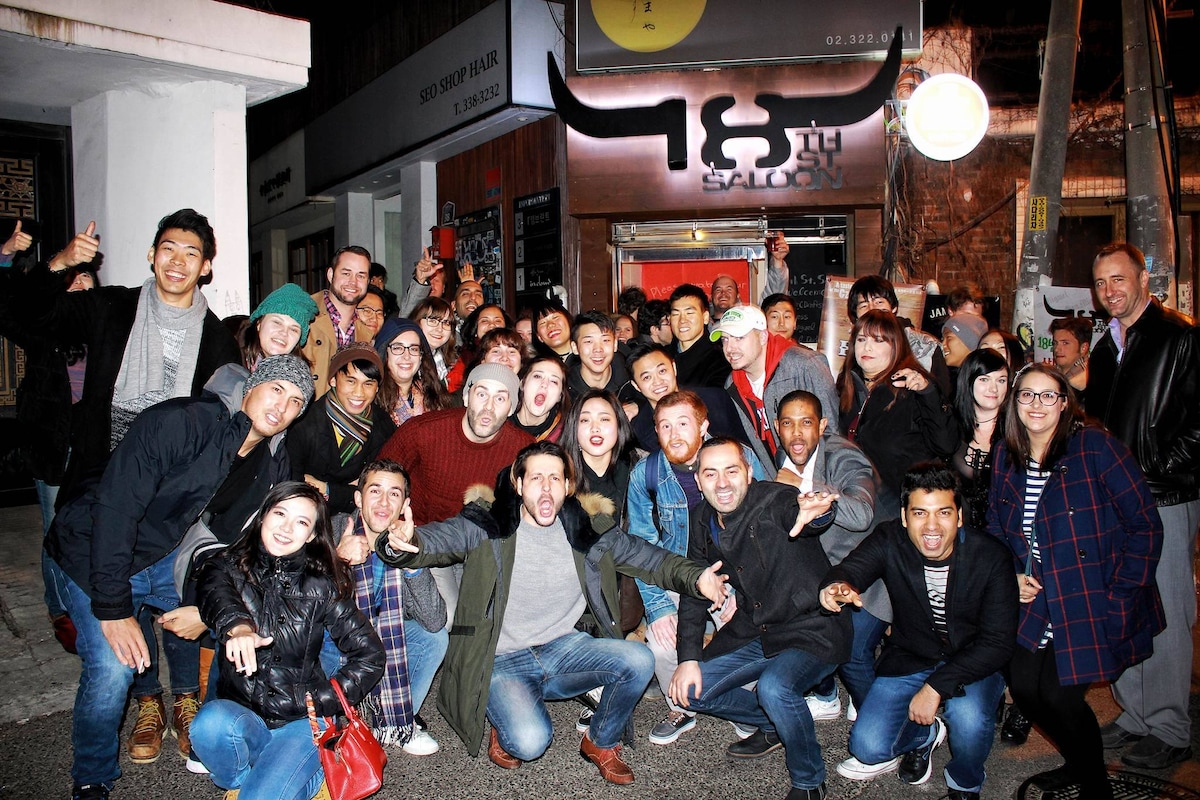
Seoul Pub Crawl
Thu, Feb 12 • 8:00 PM
Seoul, Mapo-gu, 04049, South Korea
View details
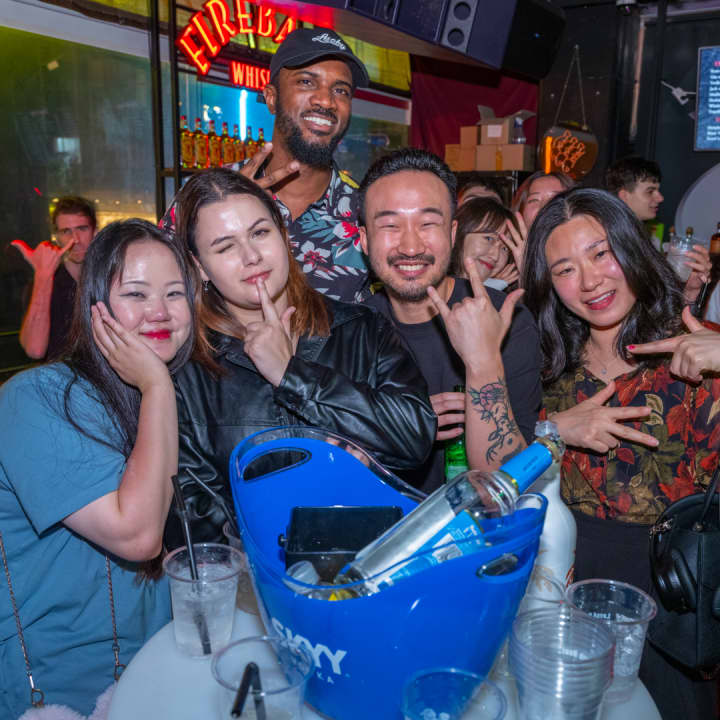
언어교환 글로벌 파티 in 홍대
Thu, Feb 12 • 7:00 PM
마포구 와우산로 65, 04049
View details
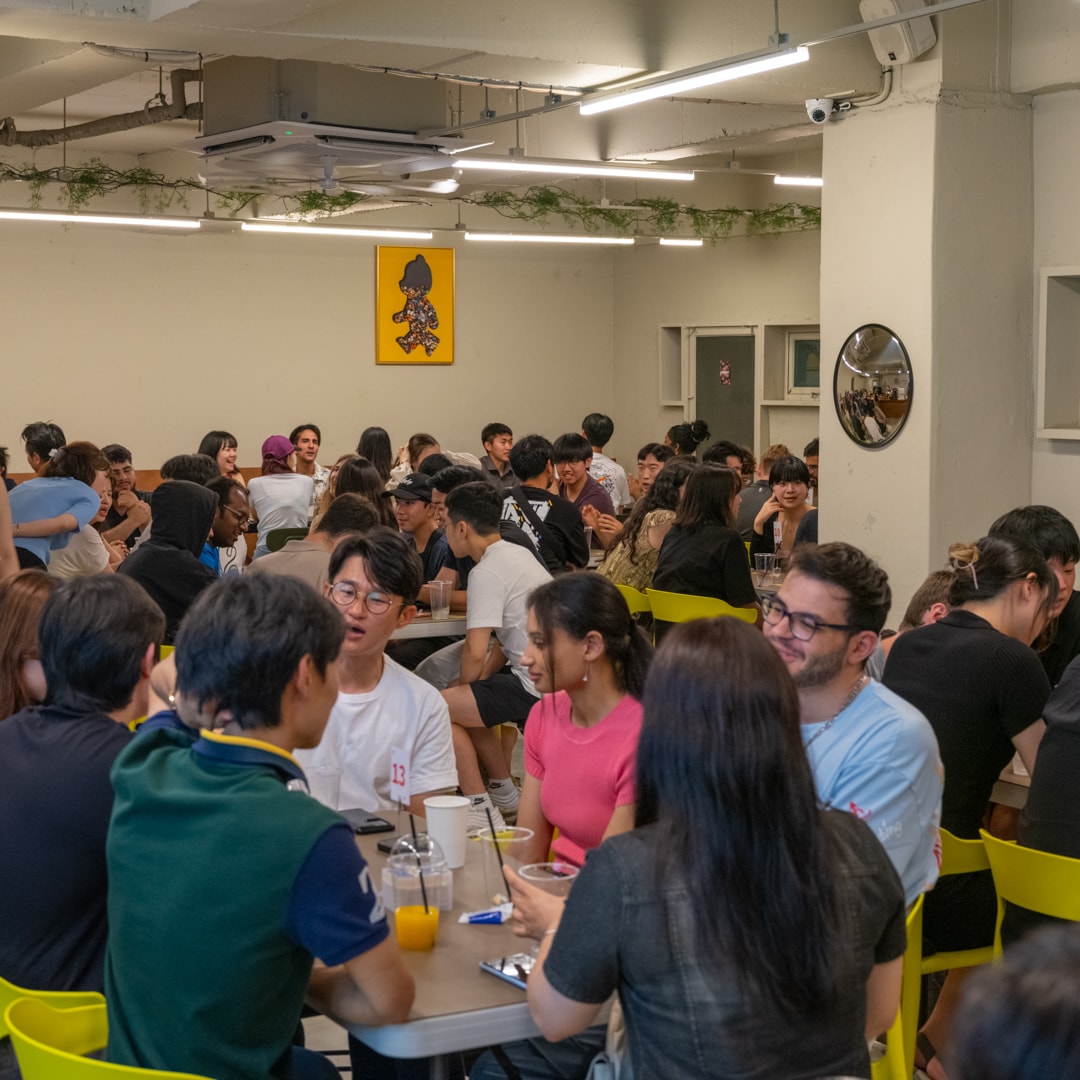
International Language Exchange In Hongdae
Thu, Feb 12 • 7:00 PM
Seoul, Seoul, 04049, South Korea
View details
Nearby attractions of Jogyesa Temple
Insa Central Museum
Ground Seoul
Colorpool Museum
OCI Art Museum
Museum Kimchikan
Insa Art Center
Buddhism Central Museum
Insa-dong Culture Street
Gongpyeong Historic Sites Museum
National Museum of Korean Contemporary History

Insa Central Museum
4.4
(334)
Closed
Click for details
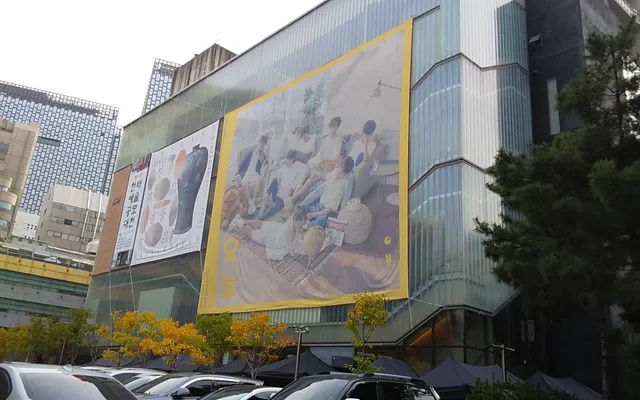
Ground Seoul
4.2
(375)
Closed
Click for details
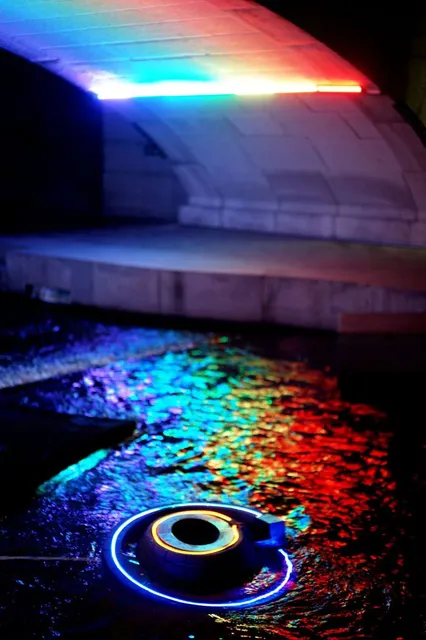
Colorpool Museum
3.9
(166)
Closed
Click for details
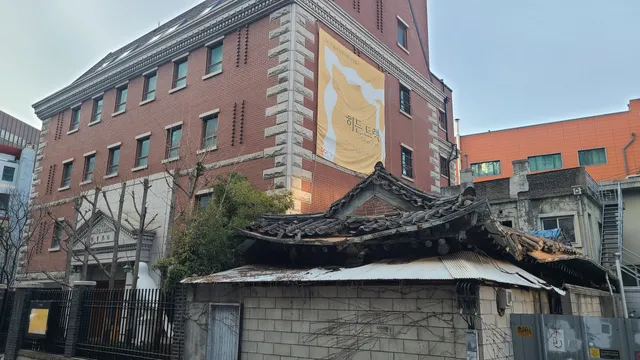
OCI Art Museum
4.6
(32)
Closed
Click for details
Nearby restaurants of Jogyesa Temple
Balwoo Gongyang
Imun Seolnongtang
레아 카페 leah
Crystal Jade Gwanghwamun Shanghai Palace
나주소나주곰탕 종로수송점
Beijing koya
Morang Haemulsotbap Jongno-gu office
Chinese Kitchen Hongseongweon
Terarosa Coffee Gwanghwamun
Hangwa Miuisik Annyeong Insadong
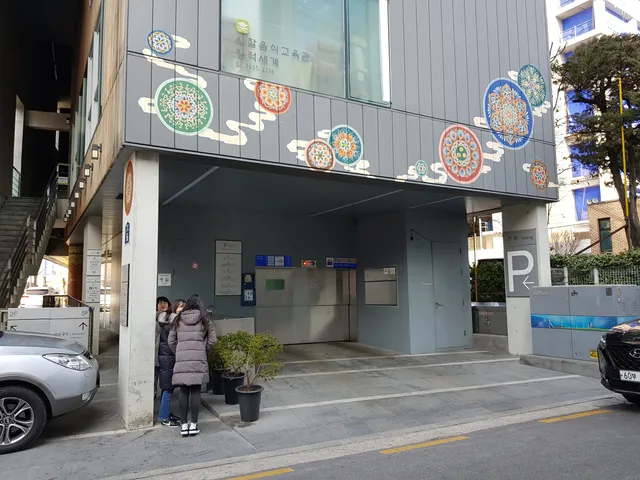
Balwoo Gongyang
4.2
(243)
$$$
Closed
Click for details
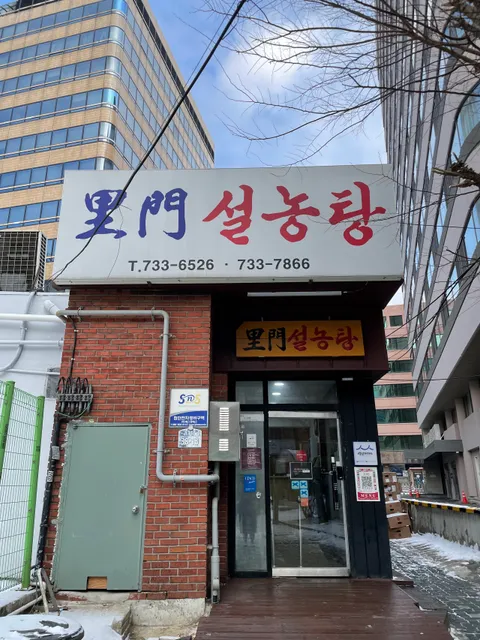
Imun Seolnongtang
3.9
(1.2K)
Open until 3:00 PM
Click for details
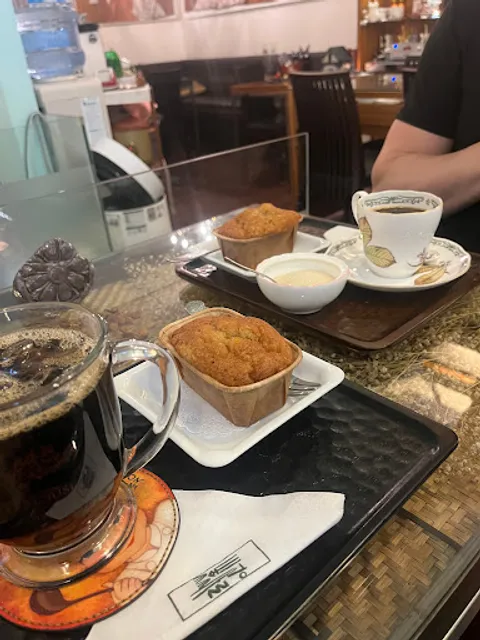
레아 카페 leah
5.0
(469)
Closed
Click for details
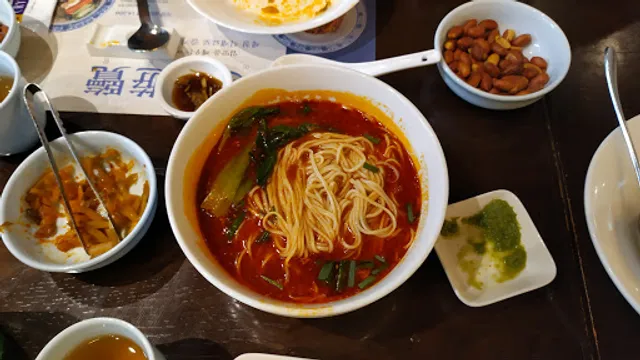
Crystal Jade Gwanghwamun Shanghai Palace
4.0
(258)
Closed
Click for details
Nearby local services of Jogyesa Temple
Anyoung Insadong Shopping Mall
Ssamziegil
ARA Modern Art Museum
Princess Hanbok
Gallery Insaart
Insadong Vintage
Teastory | Beautiful Tea Museum
Byeolgungteo Hanbok Anguk Branch
Yeolrin Songhyeon
hanokhanbok
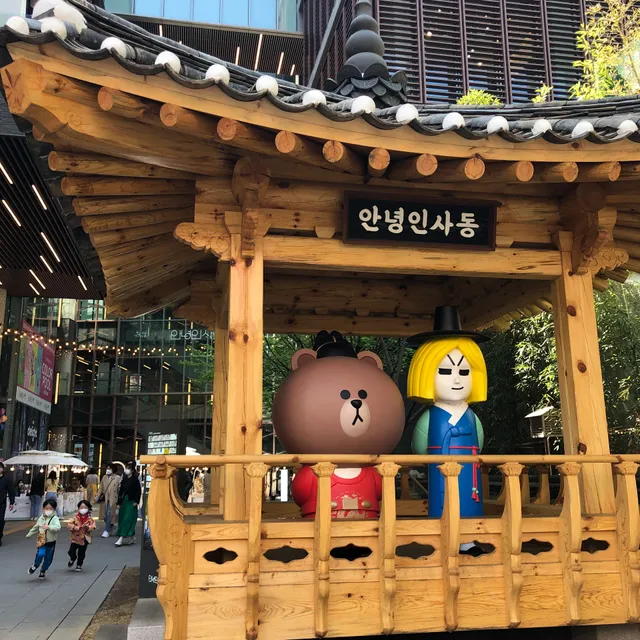
Anyoung Insadong Shopping Mall
4.3
(751)
Click for details
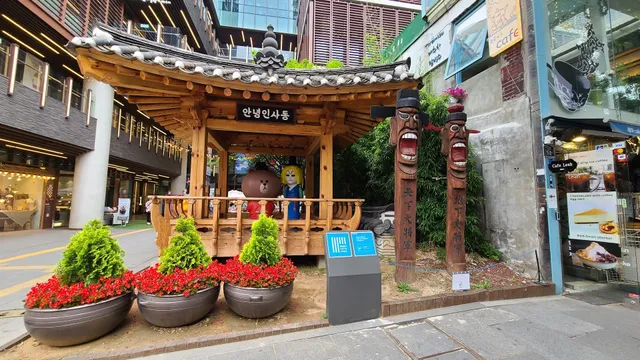
Ssamziegil
4.4
(754)
Click for details
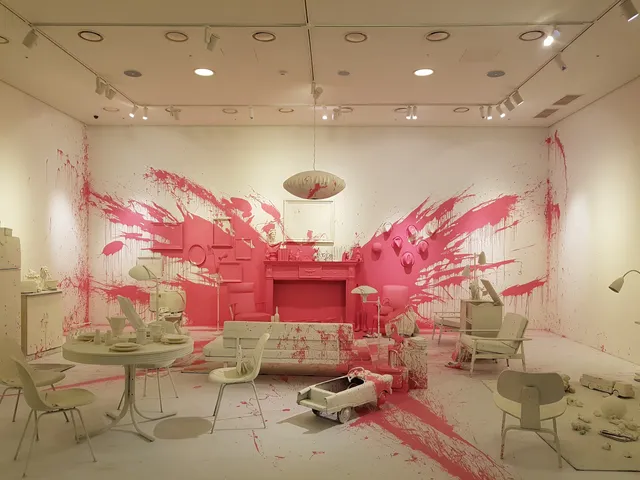
ARA Modern Art Museum
4.2
(28)
Click for details
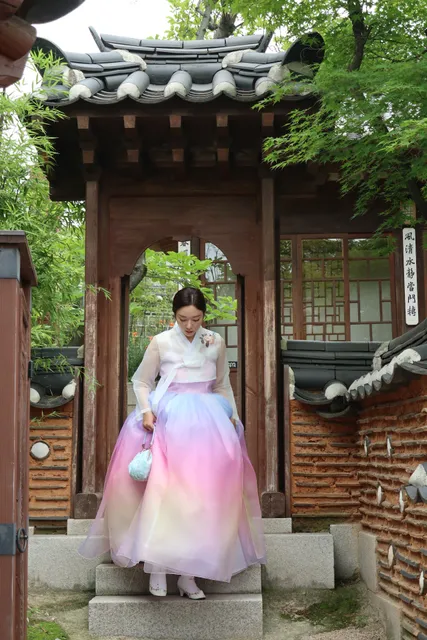
Princess Hanbok
4.5
(131)
Click for details