Walls of Ávila things to do, attractions, restaurants, events info and trip planning
Basic Info
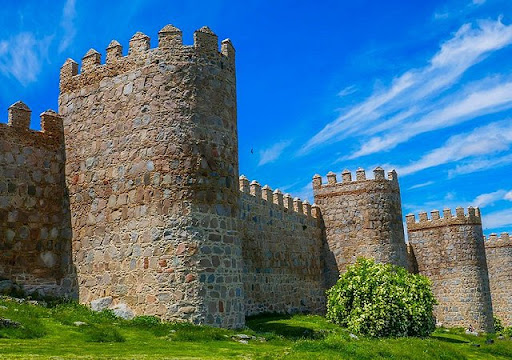
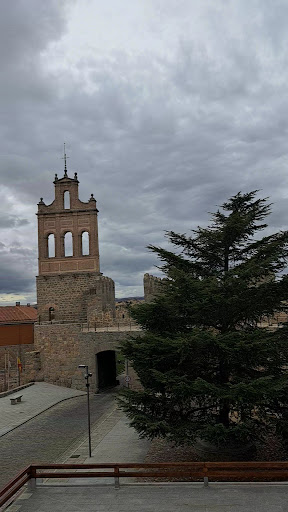
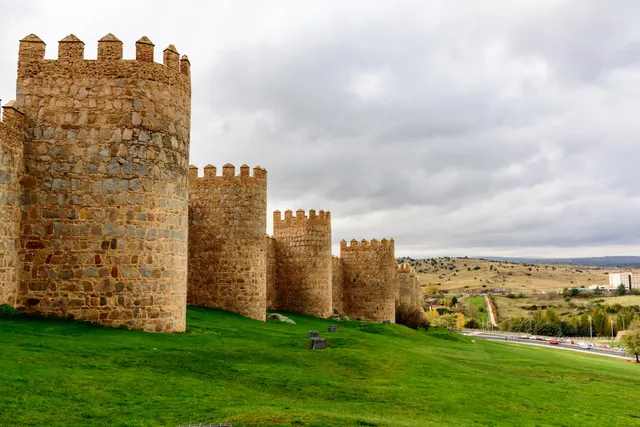
Walls of Ávila
C. Conde Don Ramón, 15, 05001 Ávila, Spain
4.8(7.1K)
Closed

tickets
Save
spot
spot
Ratings & Description
Info
Cultural
Scenic
Outdoor
Family friendly
Accessibility
attractions: Catedral de Ávila, San Vicente de Ávila, Visitor Reception Center, Puerta de San Vicente, Palacio de los Verdugo, Museum of Avila, Flour Gate, Puerta del Alcázar, Capilla de Mosén Rubí, Muralla de Ávila - Puerta de la Catedral, restaurants: Taberna de los Verdugo, Restaurante Las Murallas, El Viejo Marqués, Restaurante Siglodoce, Restaurante Sofraga Palacio, La Bodeguita de San Segundo, Casa de Postas, Alavirulé, Restaurante De Cine Ávila, La Lumbre, local businesses: Muralla de Ávila, Plaza Mercado Chico, Parish of St. Peter the Apostle, Church and birthplace of Saint Teresa of Jesus, Capilla de San Segundo, Ciudad vieja de Ávila e iglesias extramuros, El Gamusino, Ancient Convent of Saint Anne, Roman bridge of Ávila, Hermitage of San Segundo
 Learn more insights from Wanderboat AI.
Phone
+34 920 35 40 05
Website
muralladeavila.com
Open hoursSee all hours
Thu10 AM - 8 PMClosed
Plan your stay

Pet-friendly Hotels in Ávila
Find a cozy hotel nearby and make it a full experience.

Affordable Hotels in Ávila
Find a cozy hotel nearby and make it a full experience.

The Coolest Hotels You Haven't Heard Of (Yet)
Find a cozy hotel nearby and make it a full experience.

Trending Stays Worth the Hype in Ávila
Find a cozy hotel nearby and make it a full experience.
Reviews
Live events
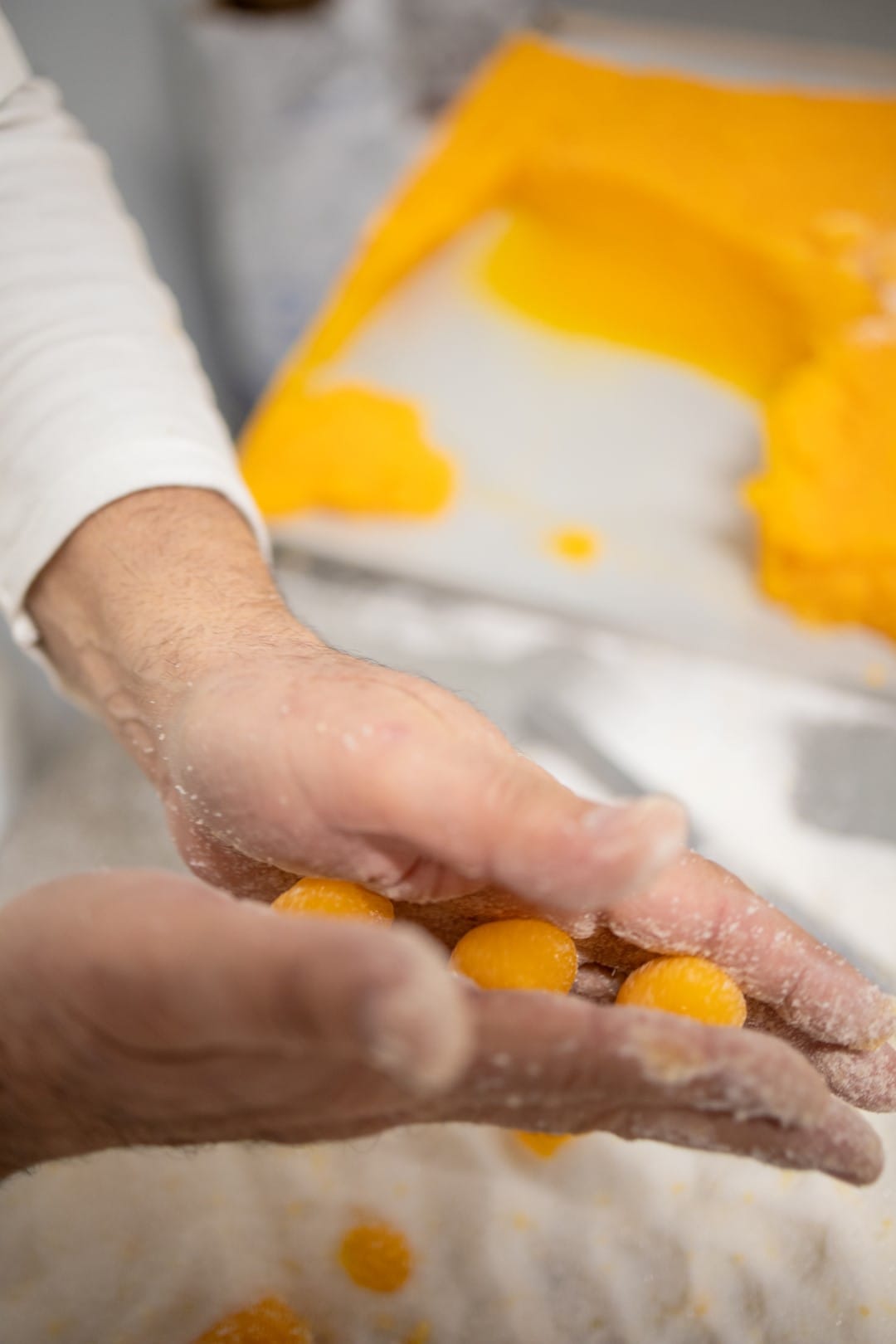
Santa Teresa Host Ávila Luxury
Fri, Feb 13 • 11:00 AM
05001, Ávila, Castile and León, Spain
View details
Nearby attractions of Walls of Ávila
Catedral de Ávila
San Vicente de Ávila
Visitor Reception Center
Puerta de San Vicente
Palacio de los Verdugo
Museum of Avila
Flour Gate
Puerta del Alcázar
Capilla de Mosén Rubí
Muralla de Ávila - Puerta de la Catedral
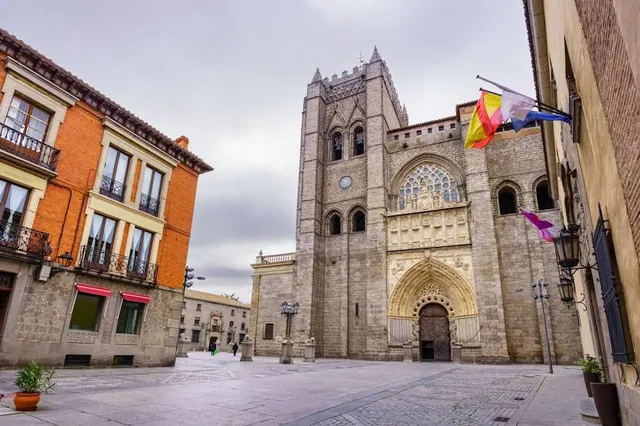
Catedral de Ávila
4.5
(4.3K)
Open 24 hours
Click for details
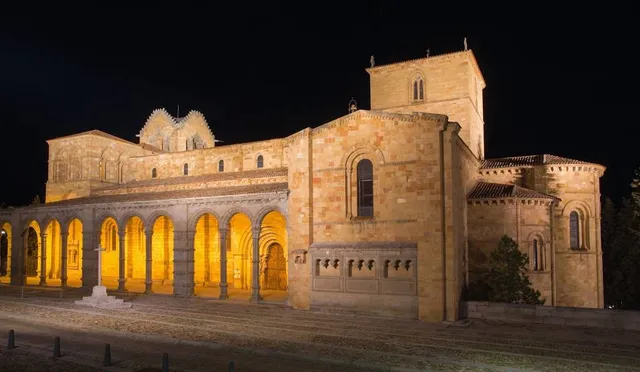
San Vicente de Ávila
4.6
(1.0K)
Closed
Click for details

Visitor Reception Center
4.2
(419)
Closed
Click for details
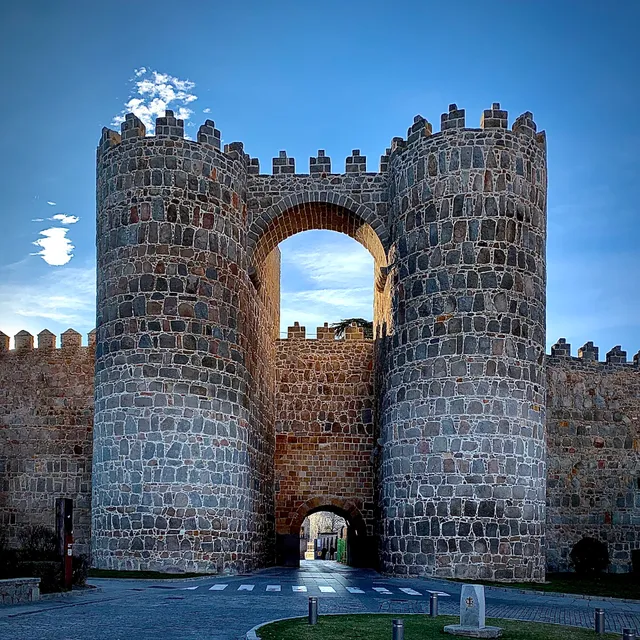
Puerta de San Vicente
4.8
(92)
Closed
Click for details
Nearby restaurants of Walls of Ávila
Taberna de los Verdugo
Restaurante Las Murallas
El Viejo Marqués
Restaurante Siglodoce
Restaurante Sofraga Palacio
La Bodeguita de San Segundo
Casa de Postas
Alavirulé
Restaurante De Cine Ávila
La Lumbre
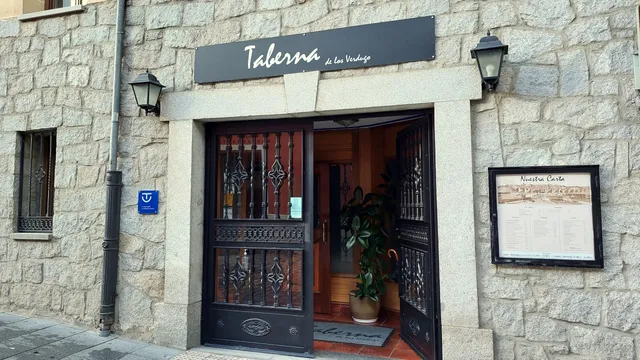
Taberna de los Verdugo
4.6
(695)
Closed
Click for details
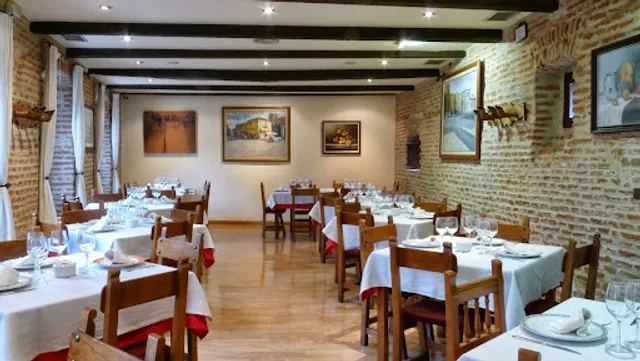
Restaurante Las Murallas
3.9
(899)
Closed
Click for details
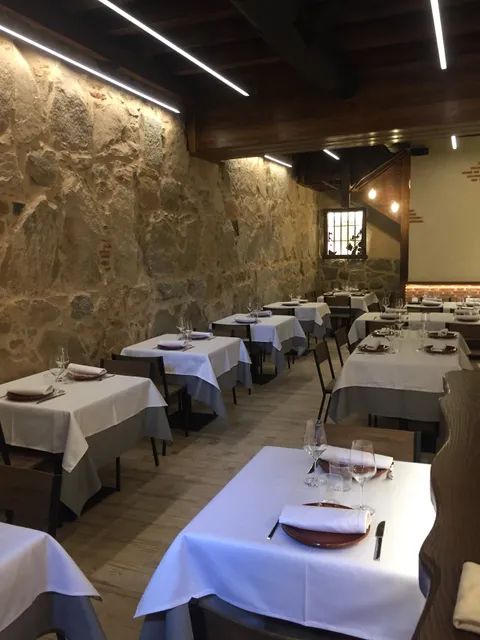
El Viejo Marqués
4.5
(475)
Open until 12:00 AM
Click for details
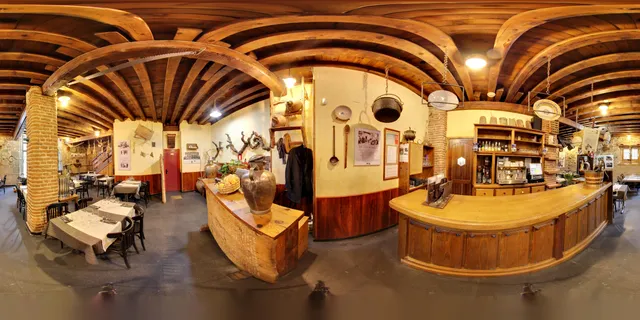
Restaurante Siglodoce
4.5
(1.8K)
Closed
Click for details
Nearby local services of Walls of Ávila
Muralla de Ávila
Plaza Mercado Chico
Parish of St. Peter the Apostle
Church and birthplace of Saint Teresa of Jesus
Capilla de San Segundo
Ciudad vieja de Ávila e iglesias extramuros
El Gamusino
Ancient Convent of Saint Anne
Roman bridge of Ávila
Hermitage of San Segundo
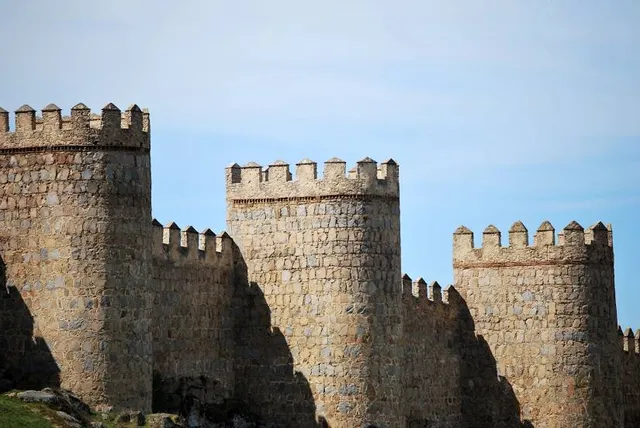
Muralla de Ávila
4.8
(5.8K)
Click for details
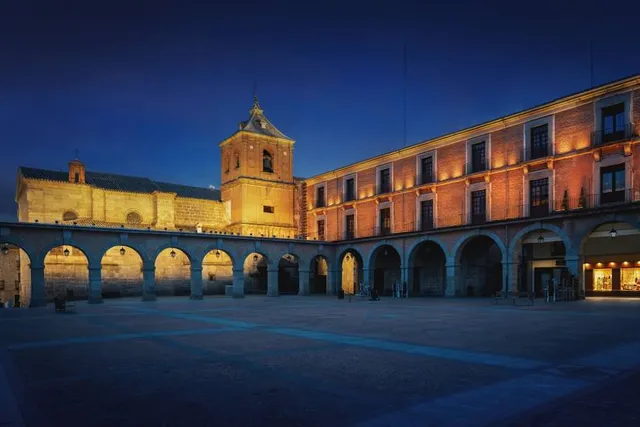
Plaza Mercado Chico
4.4
(1.6K)
Click for details
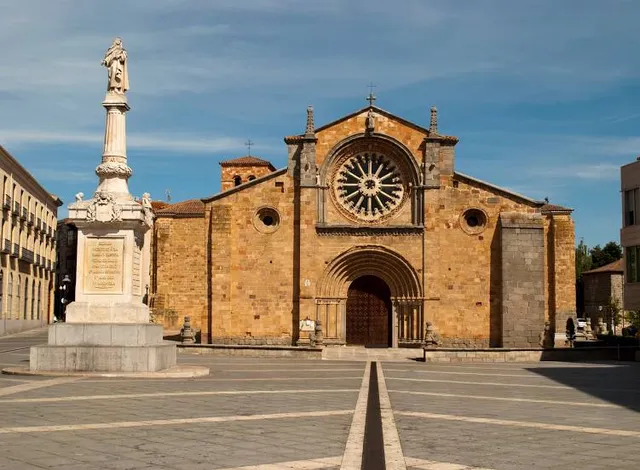
Parish of St. Peter the Apostle
4.5
(295)
Click for details
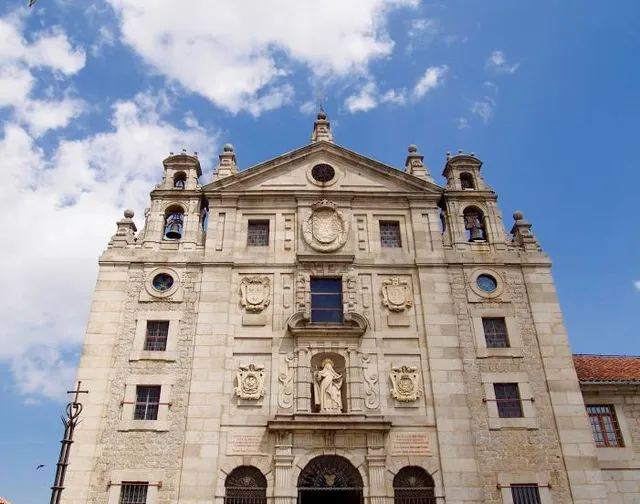
Church and birthplace of Saint Teresa of Jesus
4.5
(1.5K)
Click for details