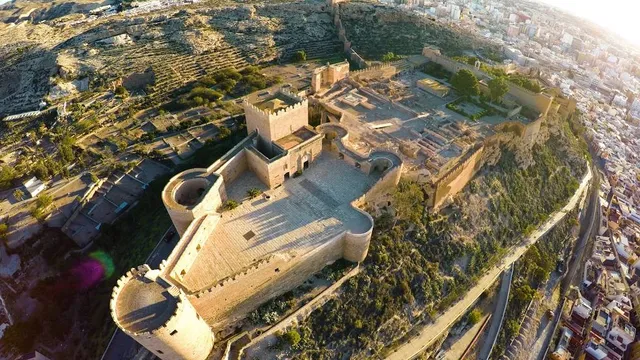
The Conjunto Monumental de la Alcazaba de Almería is a magnificent fortified complex located in the city of Almería, in southern Spain. The word "alcazaba" itself comes from the Arabic word "al-qaṣabah," meaning a walled fortification within a city. This impressive structure is one of the most important historical landmarks in Almería and one of the largest and best-preserved Arab fortresses in Spain. Here's a breakdown of what makes the Alcazaba de Almería so significant: History: Construction: The Alcazaba's construction began in the 10th century under Abderramán III, the Caliph of Córdoba. Its initial purpose was primarily defensive, aiming to protect the city and its port, which was becoming increasingly important. Later Expansions: Subsequent rulers, particularly Al-Mansur and later the Taifa king Jairán of Almería in the 11th century, expanded and enhanced the fortress, bringing it to its period of greatest splendor. Jairán is credited with building the palatial areas within the second enclosure. Christian Conquest: In 1489, the Catholic Monarchs, Isabella I of Castile and Ferdinand II of Aragon, conquered Almería as part of the Reconquista. They significantly altered the Alcazaba by constructing a Christian-style castle in the highest, third enclosure to adapt it to new military needs, including gunpowder artillery. They also built a chapel, the Ermita de San Juan, on the site of the former mosque. Later Use and Damage: The Alcazaba saw defensive use as late as the First Carlist War in 1836. However, it also suffered damage over time, notably from a significant earthquake in 1522. Declaration as a Monument: In 1931, the Alcazaba was declared an Artistic Heritage Monument, recognizing its historical and cultural importance. Architecture and Layout: The Alcazaba is a complex structure built on a hill overlooking the city and the sea, showcasing impressive defensive capabilities and beautiful palatial areas. It is typically divided into three main enclosures (recintos): First Enclosure (Primer Recinto): Originally designed as a communal area with housing and baths, this enclosure now features extensive gardens. Key elements include: Baluarte del Saliente: An outward-projecting bastion. Muro de la Vela: The "Sail Wall." Campana de Santa María la Mayor: A bell tower added later. Arab Baths: Remains of the 10th-century baths. Second Enclosure (Segundo Recinto): This area housed the palatial residences of the Muslim governors, their soldiers, and servants. It contains: Casa del Alcaide (Governor's House): Reconstructed, showcasing potential living arrangements. Gardens and Water Features: Beautiful courtyards and pools reflecting Islamic garden design. Ermita de San Juan: The Christian chapel built on the former mosque site. Mirador de la Odalisca: A viewpoint offering scenic views. Arab Houses: Reconstructed 11th-century homes providing insight into domestic life. Third Enclosure (Tercer Recinto) or the Christian Castle: Built after the Christian conquest, this section features: Patio de Armas: A large courtyard. Torre del Homenaje (Keep): The main tower of the Christian castle, now hosting art exhibitions. Torre de la Noria del Viento (Windmill Tower): Torre de la Pólvora (Gunpowder Tower): Significance and Tourist Attraction: Historical Importance: The Alcazaba is a powerful reminder of the long period of Arab rule in Spain and the subsequent Christian influence. Its various architectural styles reflect these different historical phases. Architectural Beauty: The intricate stonework, the layout of the palaces and gardens, and the impressive defensive structures make it a fascinating site for those interested in history and architecture. Strategic Location and Views: Perched on a hill, the Alcazaba offers breathtaking panoramic views of the city of Almería, the coastline, and the Mediterranean Sea. Cultural Experience: Visiting the Alcazaba provides a tangible connection to the past and an understanding...
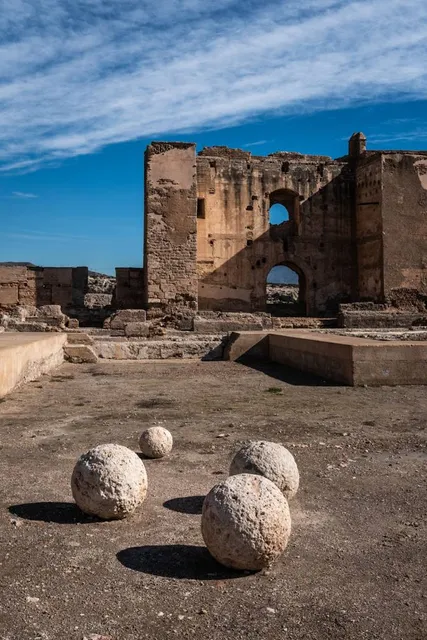
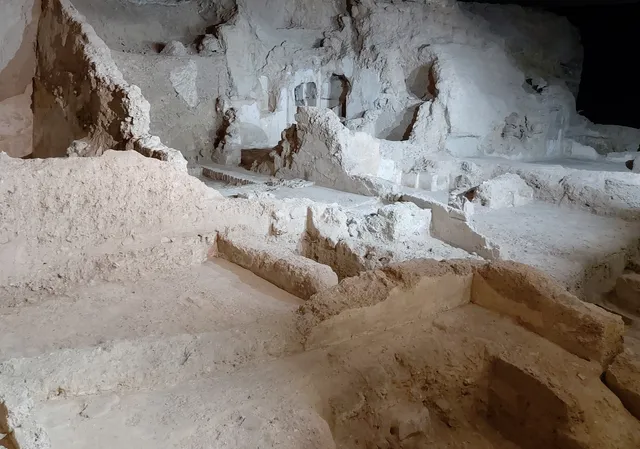
Read moreThe Alcazaba is an enormous fortress that dominates the city of Almería, standing as it does on a hill overlooking the town and the sea. It was built in the tenth century but over the centuries it has had further enhancements added such as a Moorish palace and, in the time of the Catholic Kings, a Christian palace. I enjoy walking around the grounds of the Alcazaba and exploring the towers and battlements - especially as I don't have to pay to get in! Entrance to the fortress is free to EU Nationals - just remember to take your passport. The leaflet provided at the entrance kiosk is headed 'Monumental Site Alcazaba de Almería' - a pretty good description because the 'Alcazaba' really is both monumental in size and, I think, monumental in appearance. There's a lot to see in the various enclosures of the Alcazaba. In the first enclosure there are pleasant gardens which lead to a building called 'Baluarte de Saliente' which literally means 'Projecting Bastion'. In the 10th century the old walls, which enclosed the city, started from here before making their way to the sea. From the battlements on the northern side of the garden, there are spectacular views of the 'Muralla de Jayrán' - the walls that were built to enlarge the city's defences in the 11th century. They run all the way to the 'Cerro de San Cristóbal' - the hill of Saint Christopher. On the 'Wall of the Watchtower' stands an impressive bell tower. The bell was used to warn people of attacking pirates. At the entrance to the second enclosure, a mighty mimosa tree provides shade for the goldfish swimming around in the pond next to the doorway. The second enclosure originally housed the royal residence and contained all the most important buildings including houses, baths and the mosque. Most have been destroyed but there is still plenty to see. Just inside the second enclosure, there is a beautiful enclosed garden containing a number of tropical plants. Manicured bushes and trees surround a pond and a fountain is located at the far end. I would recommend visitors to visit the towers of the Alcazaba. From 'Torre Norte' there are spectacular views of the walls of Jayrán and, in my view, even more impressive panoramas can be seen from 'Torre Sur'. Southeasterly the Cabo de Gata can be seen in the distance. Southwest is the 'Castillo de San Telmo', Almería's lighthouse standing proudly on a rocky outcrop. These towers are great vantage points for viewing much of the city below. Visitors might even notice a ferry pulling out of the harbour and wonder whether its passengers are bound for Morocco, Algeria or the Spanish enclave of Melilla. On leaving the towers, visitors will encounter another little garden that mostly contains dwarf palms and cactus type plants with a tall eucalyptus tree hovering over them. Most of the second enclosure is in ruins and, on my last visit, I had to walk to the third enclosure by way of a cordoned off walkway. This area between the garden of dwarf palms and the third sector is enormous - big enough to hold an army. It actually holds the foundations of palaces, houses, baths and probably much more. Several workers are employed there, some renovating and some, I believe, are archaeologists unearthing more treasures. One such important relic is the private baths of the 'Hammam Palace'. I know this because a placard had been thoughtfully erected nearby. In the third enclosure, at the very top of the hill, is an impressive parade ground. Parapets and towers surround a large paved area. One of the towers, 'Torre de Homenaje', has the coat of arms of the 'Catholic Monarchs' above the doorway. It was Ferdinand and Isabella who ordered the construction of this, the castle part of the 'Alcazaba'. In the 'Torre de la Pólvora' - the tower of gunpowder - there are cannon. One of them was pointing seaward. Pirates do not invade Almería anymore but the province does get its fair share of illegal immigrants especially...
Read moreThe Conjunto Monumental de la Alcazaba in Almería is absolutely worth visiting and a true highlight of the city. This monumental complex offers a fascinating journey through centuries of history, from Moorish fortifications to Christian influences. The grounds are extensive, with well-preserved walls, beautiful gardens, and plenty of architectural details to admire. One of the best parts is that entry is free, which makes it accessible to everyone and a perfect choice for a leisurely afternoon.
A visit here is not just about history – it’s also about the experience of walking through wide open spaces, taking in breathtaking panoramic views of Almería, the coastline, and even the surrounding mountains. It’s a place where you can take your time, enjoy a peaceful walk, and let your imagination travel back to times when the Alcazaba was a powerful stronghold.
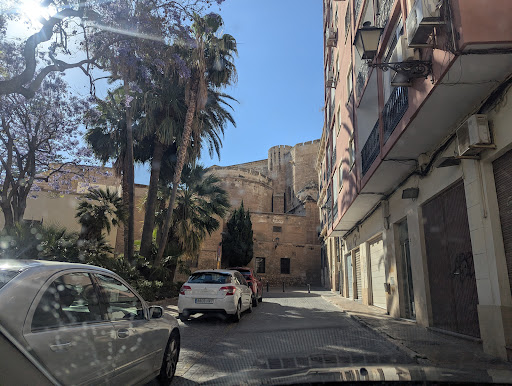
However, there are a couple of practical things to be aware of. Parking near the Alcazaba can be challenging, and the area directly behind the castle doesn’t give the best impression. There’s some visible criminal activity, a fair amount of litter, and groups of young people hanging around, which can feel a bit uncomfortable at times. That said, these issues are outside the main complex and do not take away from the beauty and historical importance of the Alcazaba itself.
Overall, if you’re visiting Almería, the Alcazaba is a must-see. It combines history, culture, stunning views, and free entry – a perfect combination for anyone interested in exploring the...
Read more