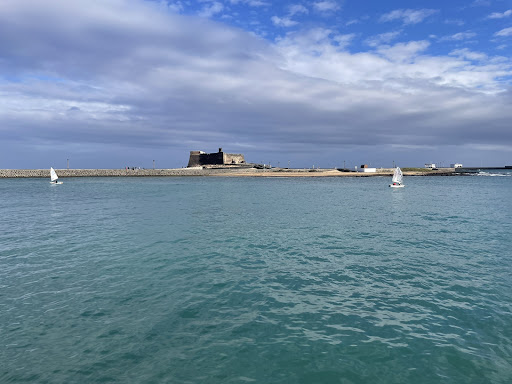
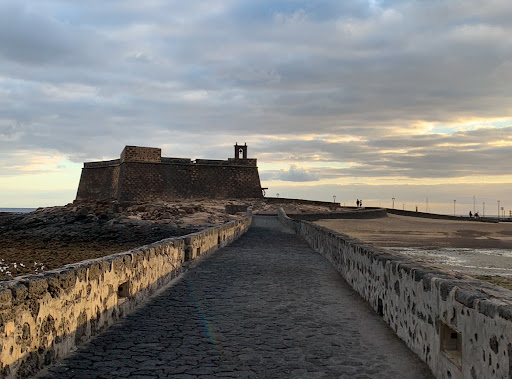
Castillo de San Gabriel things to do, attractions, restaurants, events info and trip planning
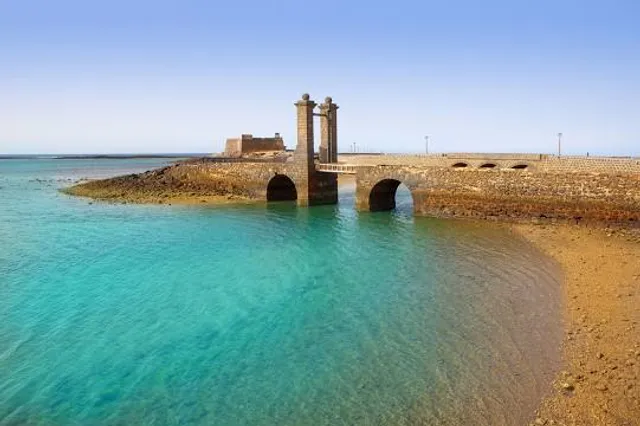
Basic Info
Castillo de San Gabriel
Castillo de San Gabriel, Lanzarote, C. Punta de la Lagarta, 1, Arrecife, Las Palmas, Spain
4.3(2.5K)
Closed
Save
spot
spot
Ratings & Description
Info
Cultural
Outdoor
Family friendly
attractions: Parque Jose Ramirez Cerda, Estatua de Heraclio Niz Mesa, La Casa Amarilla, Charco de San Ginés, Centro de Innovación Cultural "El Almacén", Parque Islas Canarias, restaurants: Bar Andalucia 1960, Barbacana Bar & Grill, Strava - Vermuteria, Restaurantes La Rústica, Pan Boutique Jonay, 8Burgers, Parador Arrecife. Restaurante frente al mar, CAFETERIA SAN FRANCISCO, Barullo Gastrobar, La Tentación, local businesses: Mapy jewelry S.A., Multicines Atlántida, Lanzarote Souvenir, Onion spring, Trendz - The Fashion Brands Store, Mercadillo local, Ahl Informatica, Toy Planet, Disco Pub H, GAME
 Learn more insights from Wanderboat AI.
Phone
+34 928 80 28 84
Website
turismolanzarote.com
Open hoursSee all hours
Fri11 AM - 5 PMClosed
Plan your stay

Pet-friendly Hotels in Arrecife
Find a cozy hotel nearby and make it a full experience.

Affordable Hotels in Arrecife
Find a cozy hotel nearby and make it a full experience.

The Coolest Hotels You Haven't Heard Of (Yet)
Find a cozy hotel nearby and make it a full experience.

Trending Stays Worth the Hype in Arrecife
Find a cozy hotel nearby and make it a full experience.
Reviews
Live events
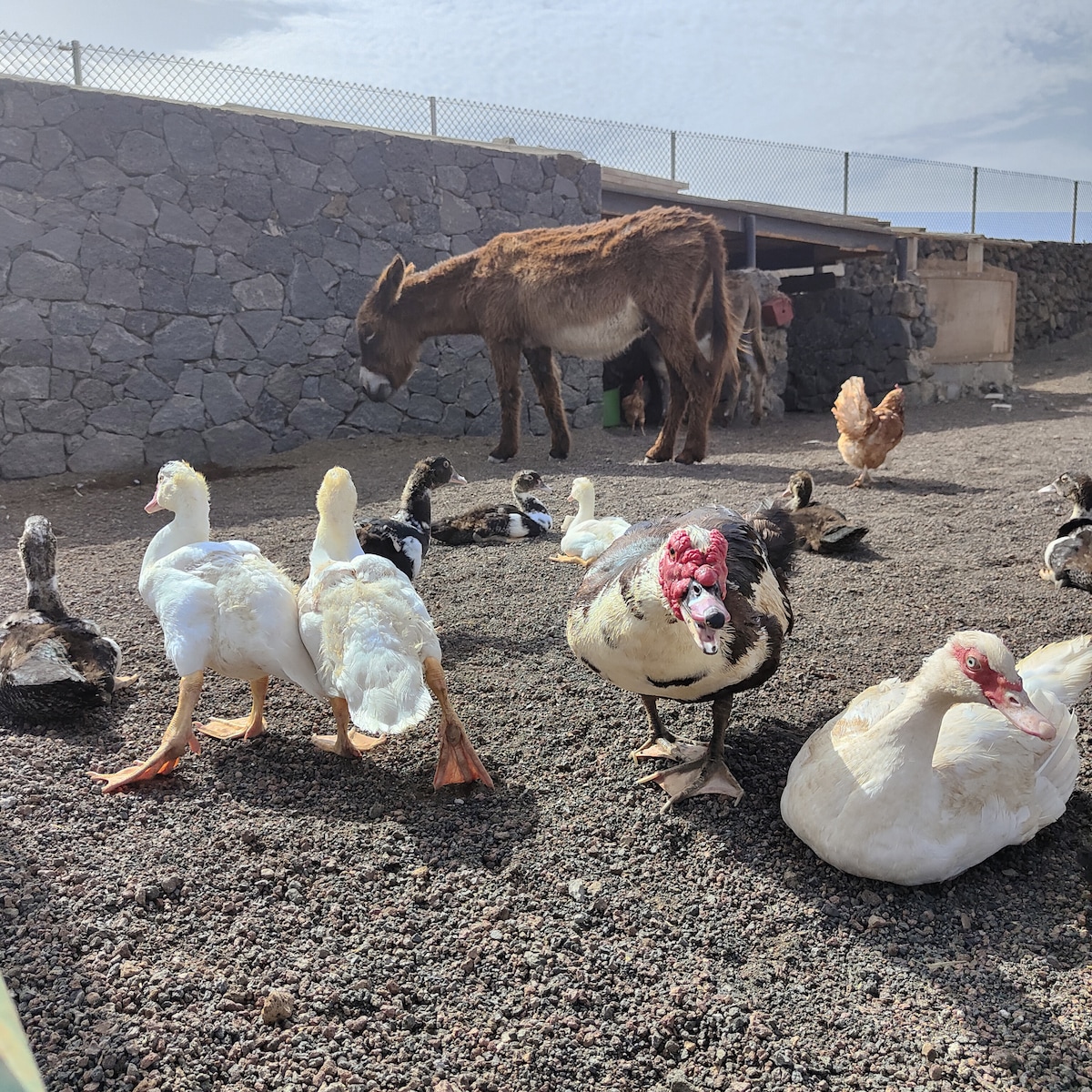
Experience the magic of our special farm
Sat, Feb 21 • 10:00 AM
35544, Guatiza, Canary Islands, Spain
View details
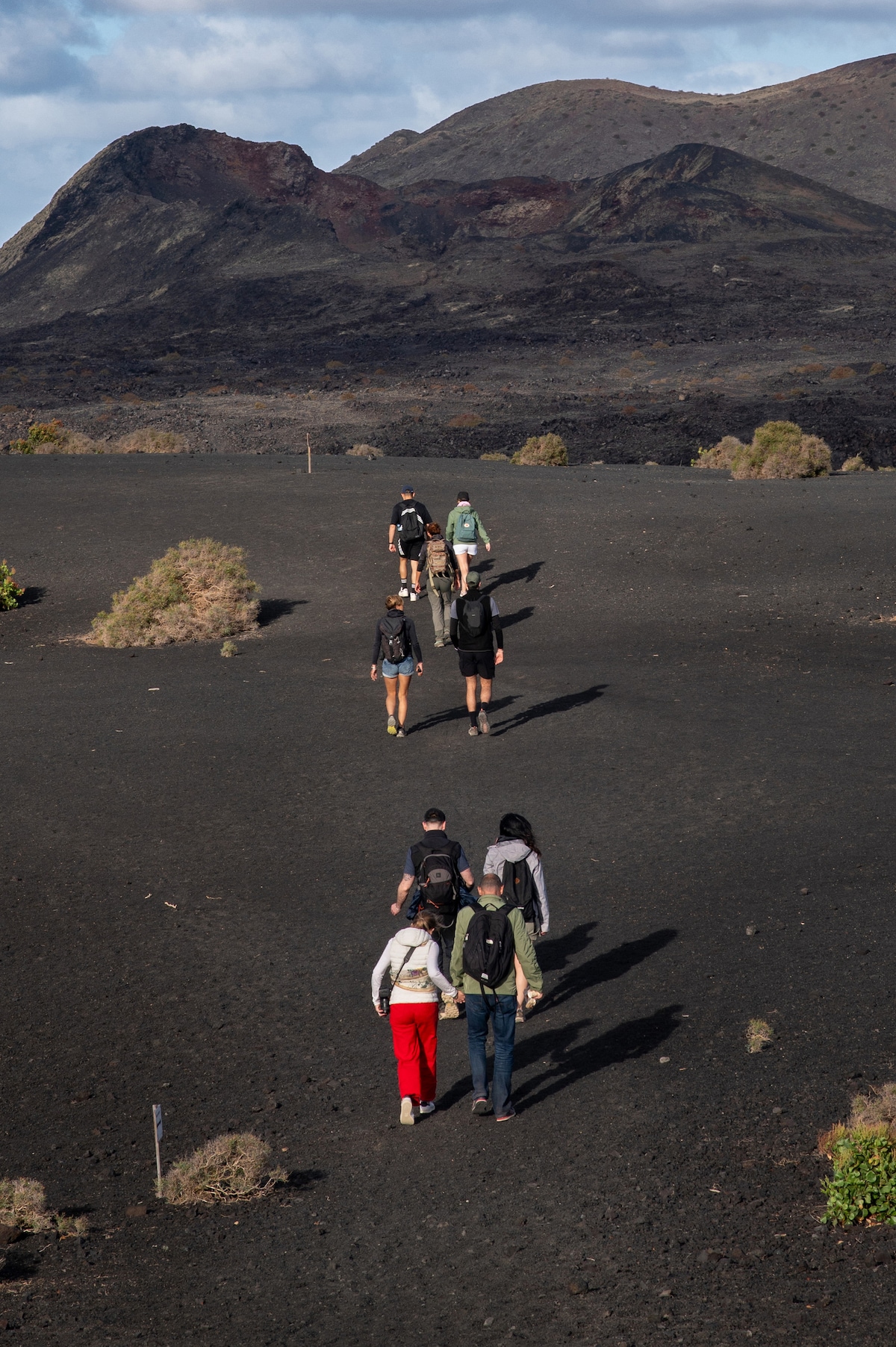
Walk among volcanoes with a local guide
Mon, Feb 23 • 9:00 AM
35572, Tías, Canarias, Spain
View details

Learn to surf in Lanzarote and have fun
Sat, Feb 21 • 11:30 AM
35558, Las Palmas, Canarias, Spain
View details
Nearby attractions of Castillo de San Gabriel
Parque Jose Ramirez Cerda
Estatua de Heraclio Niz Mesa
La Casa Amarilla
Charco de San Ginés
Centro de Innovación Cultural "El Almacén"
Parque Islas Canarias
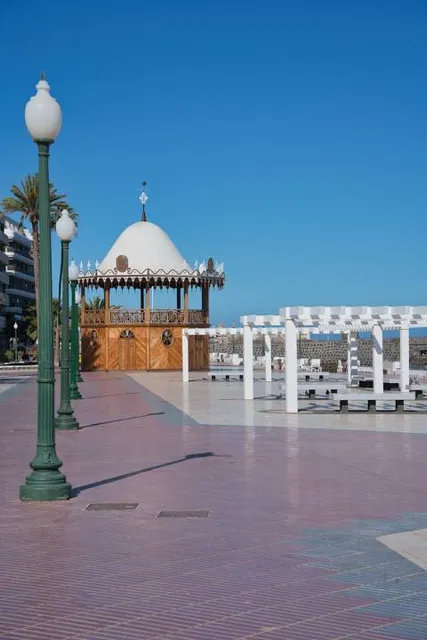
Parque Jose Ramirez Cerda
4.3
(511)
Open until 12:00 AM
Click for details
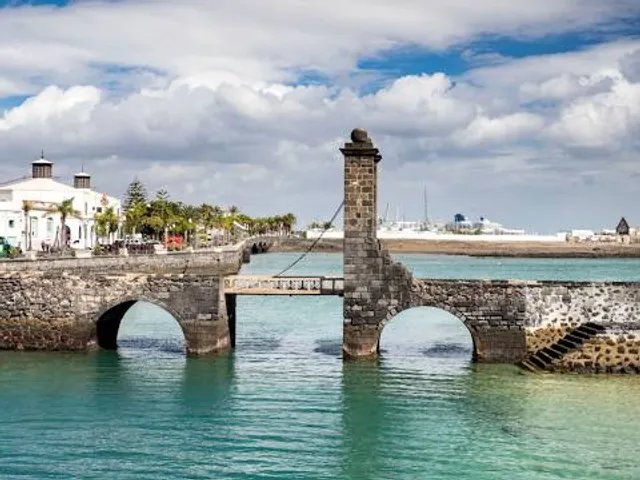
Estatua de Heraclio Niz Mesa
4.3
(117)
Open 24 hours
Click for details
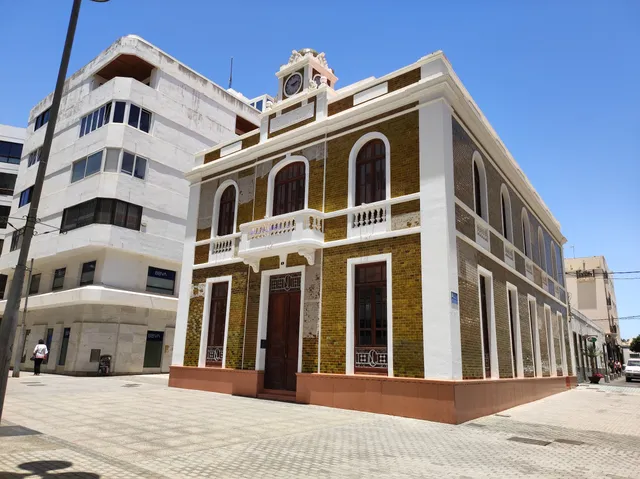
La Casa Amarilla
4.1
(64)
Closed
Click for details
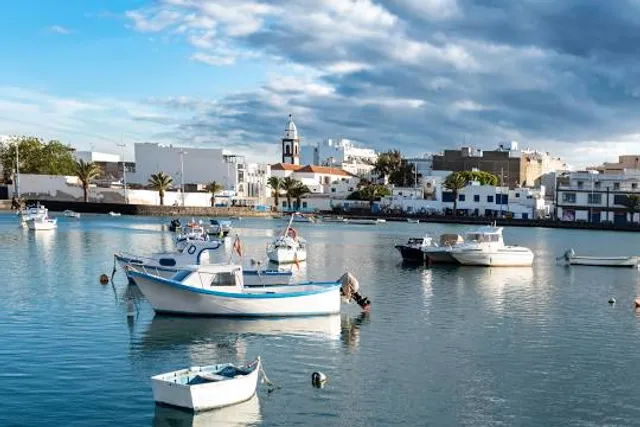
Charco de San Ginés
4.5
(411)
Open 24 hours
Click for details
Nearby restaurants of Castillo de San Gabriel
Bar Andalucia 1960
Barbacana Bar & Grill
Strava - Vermuteria
Restaurantes La Rústica
Pan Boutique Jonay
8Burgers
Parador Arrecife. Restaurante frente al mar
CAFETERIA SAN FRANCISCO
Barullo Gastrobar
La Tentación
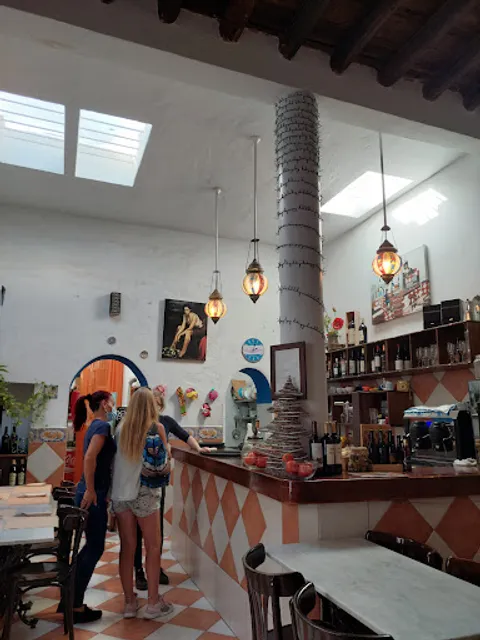
Bar Andalucia 1960
4.7
(491)
Open until 12:00 AM
Click for details
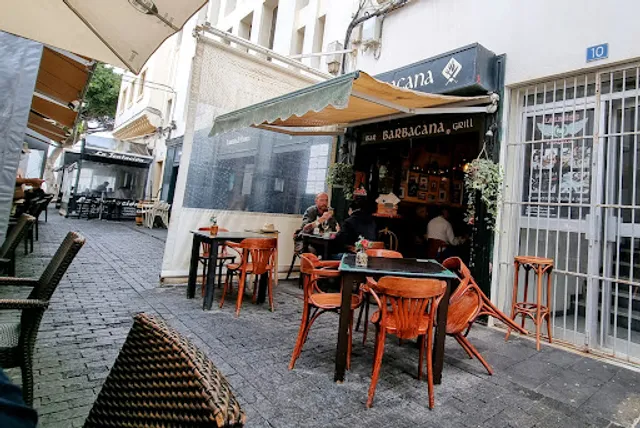
Barbacana Bar & Grill
4.8
(514)
$$
Closed
Click for details
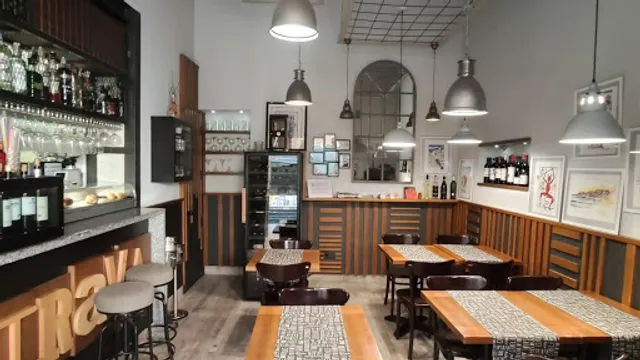
Strava - Vermuteria
4.6
(621)
Open until 10:30 PM
Click for details
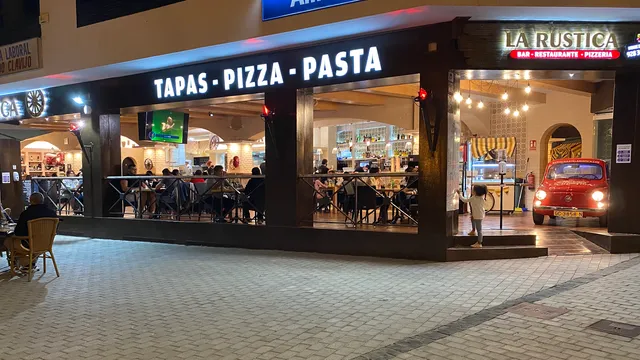
Restaurantes La Rústica
3.5
(906)
Open until 12:00 AM
Click for details
Nearby local services of Castillo de San Gabriel
Mapy jewelry S.A.
Multicines Atlántida
Lanzarote Souvenir
Onion spring
Trendz - The Fashion Brands Store
Mercadillo local
Ahl Informatica
Toy Planet
Disco Pub H
GAME
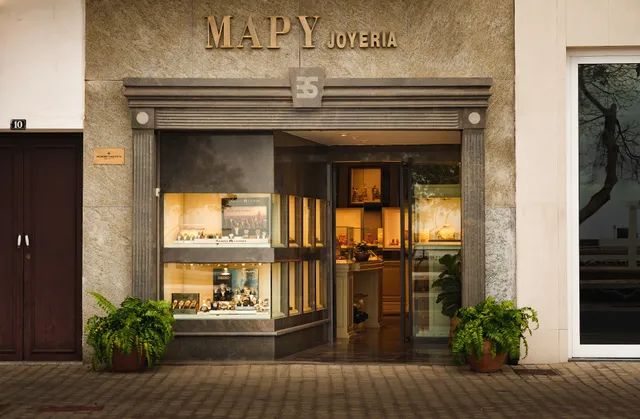
Mapy jewelry S.A.
4.9
(128)
Click for details
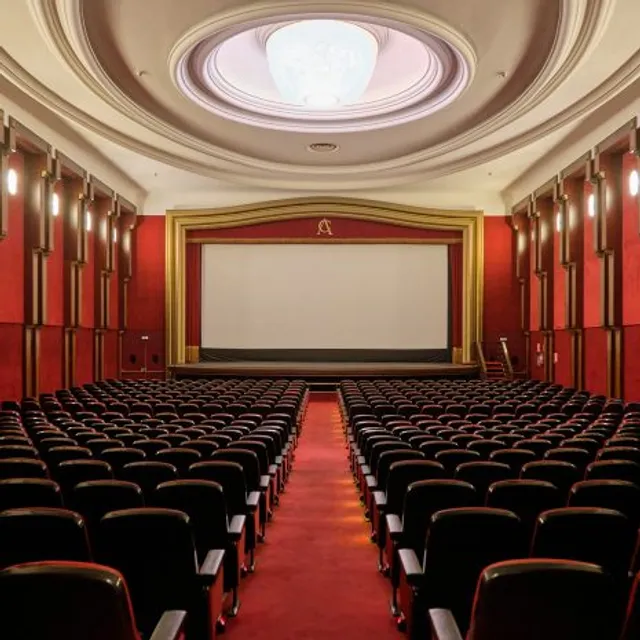
Multicines Atlántida
4.0
(635)
Click for details
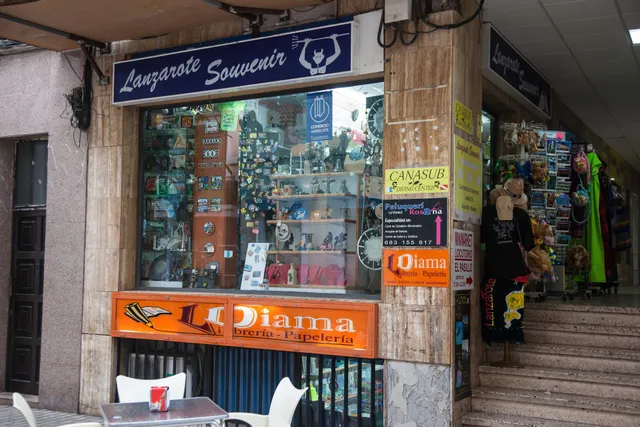
Lanzarote Souvenir
3.1
(13)
Click for details
Onion spring
4.4
(21)
Click for details