HTML SitemapExplore
logo
Find Things to DoFind The Best Restaurants

Bellesguard — Attraction in Barcelona

Name
Bellesguard
Description
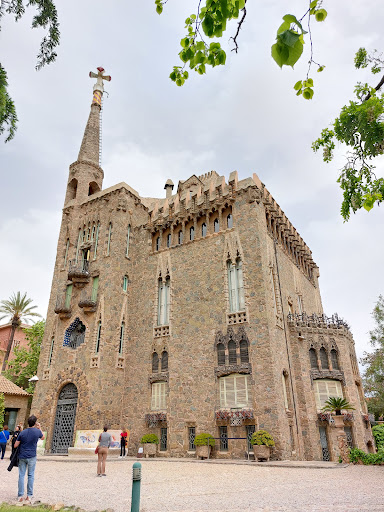
Bellesguard, also known as Casa Figueres, is a modernist manor house designed by Catalan architect Antoni Gaudí, which was constructed between 1900 and 1909. It is located at the Sarrià-Sant Gervasi district of Barcelona in Catalonia, Spain.
Nearby attractions
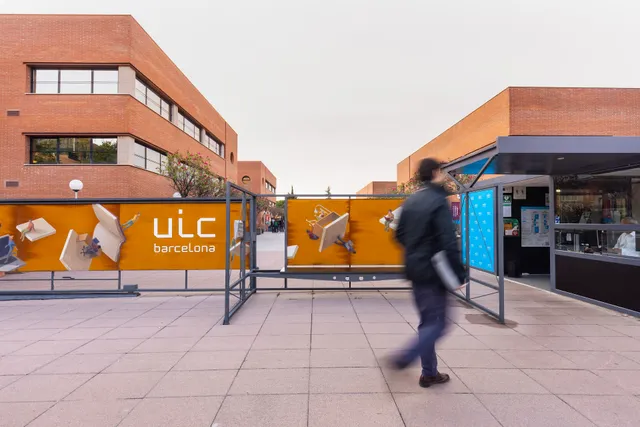
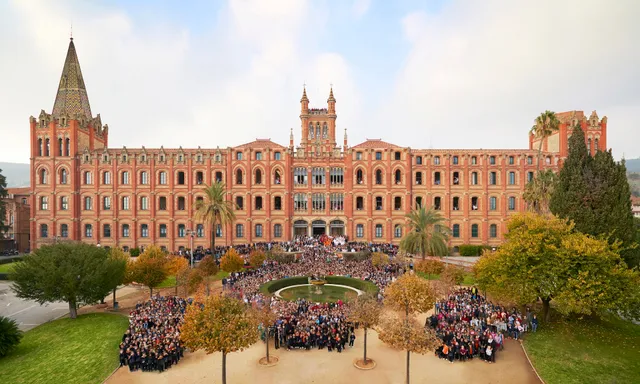
Abat Oliba CEU University
Carrer de Bellesguard, 30, Sarrià-Sant Gervasi, 08022 Barcelona, Spain
Museo de la Ciencia CosmoCaixa
Carrer d'Isaac Newton, 26, Sarrià-Sant Gervasi, 08022 Barcelona, Spain
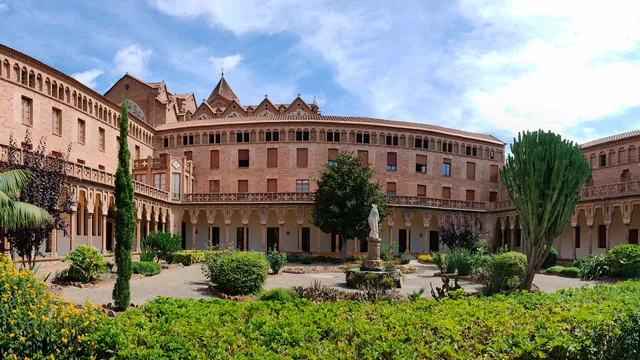
Monestir de Santa Maria de Valldonzella
Carrer del Císter, 43-45, Sarrià-Sant Gervasi, 08022 Barcelona, Spain
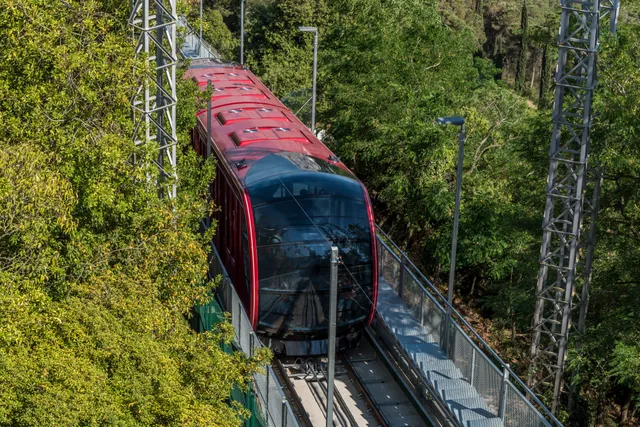
Tibidabo Funicular
Plaça del Doctor Andreu, s/n, Sarrià-Sant Gervasi, 08035 Barcelona, Spain
Jardines de la Tamarita
Pg. de St. Gervasi, 47, Sarrià-Sant Gervasi, 08022 Barcelona, Spain
Jardins de ca n'Altimira
Carrer de Maó, 13, Sarrià-Sant Gervasi, 08022 Barcelona, Spain
Nearby restaurants
La Balsa
Carrer de la Infanta Isabel, 4, Sarrià-Sant Gervasi, 08022 Barcelona, Spain
El Trapío
Carrer de l'Esperança, 25, Sarrià-Sant Gervasi, 08017 Barcelona, Spain
Cafè-restaurant Museu de la Ciència CosmoCaixa Singularis
Carrer d'Isaac Newton, 26, Sarrià-Sant Gervasi, 08022 Barcelona, Spain
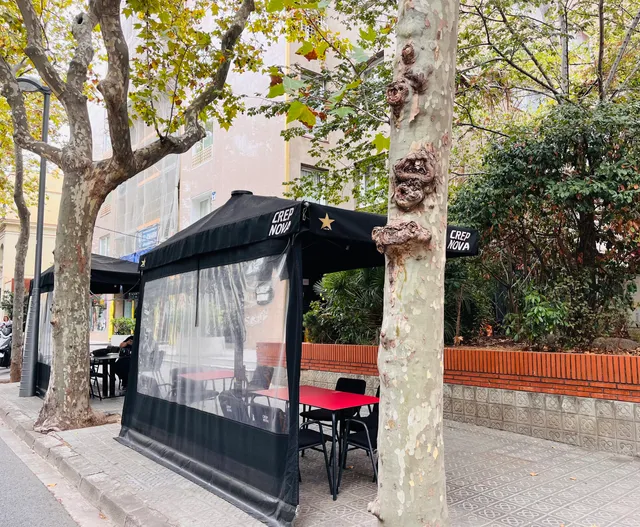
Crep Nova Bonanova
Pg. de la Bonanova, 12, Sarrià-Sant Gervasi, 08017 Barcelona, Spain
Restaurant Sehari
Pg. de la Bonanova, 26, Sarrià-Sant Gervasi, 08022 Barcelona, Spain
Aranda's Grill
Av. del Tibidabo, 31, Sarrià-Sant Gervasi, 08022 Barcelona, Spain
Mirablau
Plaça del Doctor Andreu, s/n, Sarrià-Sant Gervasi, 08035 Barcelona, Spain
Restaurant Bisibisau
Carrer del Lluçanès, 2, Sarrià-Sant Gervasi, 08022 Barcelona, Spain
Restaurant Petit Xerpi
Pg. de la Bonanova, 10, Sarrià-Sant Gervasi, 08022 Barcelona, Spain
Panino Silvestre
Pl. de la Bonanova, 3, Sarrià-Sant Gervasi, 08022 Barcelona, Spain
Nearby hotels
Residència Universitària Resa Campus La Salle
Carrer de Sant Joan de la Salle, 42, Sarrià-Sant Gervasi, 08022 Barcelona, Spain
Vilana Hotel
Carrer de Vilana, 7, 5, Sarrià-Sant Gervasi, 08017 Barcelona, Spain
Hotel Catalonia Mikado
Pg. de la Bonanova, 58, Sarrià-Sant Gervasi, 08017 Barcelona, Spain
Ikonik Anglí
Carrer d'Anglí, 60, Distrito de Sarrià-Sant Gervasi, 08017 Barcelona, Spain
Hotel Boutique Mirlo Barcelona (Torre Macaya)
Av. del Tibidabo, 32, Sarrià-Sant Gervasi, 08022 Barcelona, Spain
ABaC Hotel
Av. del Tibidabo, 1, Sarrià-Sant Gervasi, 08022 Barcelona, Spain
My Space Barcelona- Bonanova for 8 people
Pg. de la Bonanova, 10, Escalera A, 2 - 2, Distrito de Sarrià-Sant Gervasi, 08022 Barcelona, Spain
Related posts
Keywords
Bellesguard tourism.Bellesguard hotels.Bellesguard bed and breakfast. flights to Bellesguard.Bellesguard attractions.Bellesguard restaurants.Bellesguard travel.Bellesguard travel guide.Bellesguard travel blog.Bellesguard pictures.Bellesguard photos.Bellesguard travel tips.Bellesguard maps.Bellesguard things to do.
Bellesguard things to do, attractions, restaurants, events info and trip planning
Bellesguard
SpainCataloniaBarcelonaBellesguard

Basic Info

Bellesguard

Carrer de Bellesguard, 20, Sarrià-Sant Gervasi, 08022 Barcelona, Spain
4.6(1.3K)
Open 24 hours
Save
spot

Ratings & Description

Info

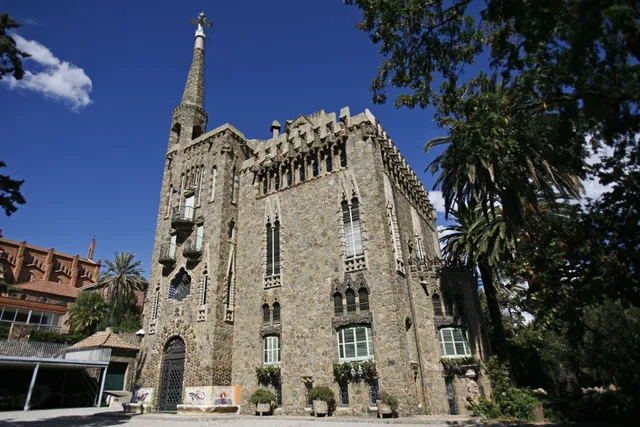
Bellesguard, also known as Casa Figueres, is a modernist manor house designed by Catalan architect Antoni Gaudí, which was constructed between 1900 and 1909. It is located at the Sarrià-Sant Gervasi district of Barcelona in Catalonia, Spain.

Cultural
Accessibility
attractions: Abat Oliba CEU University, Museo de la Ciencia CosmoCaixa, Monestir de Santa Maria de Valldonzella, Tibidabo Funicular, Jardines de la Tamarita, Jardins de ca n'Altimira, restaurants: La Balsa, El Trapío, Cafè-restaurant Museu de la Ciència CosmoCaixa Singularis, Crep Nova Bonanova, Restaurant Sehari, Aranda's Grill, Mirablau, Restaurant Bisibisau, Restaurant Petit Xerpi, Panino Silvestre
logoLearn more insights from Wanderboat AI.
Phone
+34 932 50 40 93
Website
bellesguardgaudi.com

Plan your stay

hotel
Pet-friendly Hotels in Barcelona
Find a cozy hotel nearby and make it a full experience.
hotel
Affordable Hotels in Barcelona
Find a cozy hotel nearby and make it a full experience.
hotel
The Coolest Hotels You Haven't Heard Of (Yet)
Find a cozy hotel nearby and make it a full experience.
hotel
Trending Stays Worth the Hype in Barcelona
Find a cozy hotel nearby and make it a full experience.

Reviews

Nearby attractions of Bellesguard

Abat Oliba CEU University

Museo de la Ciencia CosmoCaixa

Monestir de Santa Maria de Valldonzella

Tibidabo Funicular

Jardines de la Tamarita

Jardins de ca n'Altimira

Abat Oliba CEU University

Abat Oliba CEU University

4.3

(116)

Open 24 hours
Click for details
Museo de la Ciencia CosmoCaixa

Museo de la Ciencia CosmoCaixa

4.7

(16.8K)

Closed
Click for details
Monestir de Santa Maria de Valldonzella

Monestir de Santa Maria de Valldonzella

4.7

(180)

Open 24 hours
Click for details
Tibidabo Funicular

Tibidabo Funicular

4.3

(4.5K)

Closed
Click for details

Things to do nearby

Midday and sunset sailing
Tue, Dec 9 • 11:30 AM
08039, Barcelona, Catalonia, Spain
View details
Fun Tapas Adventure Through the Citys Hidden Gems
Tue, Dec 9 • 6:00 PM
08004, Barcelona, Catalonia, Spain
View details
Paella Maestro Tapas & Sangria Barcelona
Tue, Dec 9 • 12:00 PM
08034, Barcelona, Catalonia, Spain
View details

Nearby restaurants of Bellesguard

La Balsa

El Trapío

Cafè-restaurant Museu de la Ciència CosmoCaixa Singularis

Crep Nova Bonanova

Restaurant Sehari

Aranda's Grill

Mirablau

Restaurant Bisibisau

Restaurant Petit Xerpi

Panino Silvestre

La Balsa

La Balsa

4.3

(925)

$$$

Click for details
El Trapío

El Trapío

4.3

(792)

$$$

Click for details
Cafè-restaurant Museu de la Ciència CosmoCaixa Singularis

Cafè-restaurant Museu de la Ciència CosmoCaixa Singularis

4.0

(367)

Click for details
Crep Nova Bonanova

Crep Nova Bonanova

4.1

(830)

Click for details
Get the Appoverlay
Get the AppOne tap to find yournext favorite spots!
Wanderboat LogoWanderboat

Your everyday Al companion for getaway ideas

CompanyAbout Us
InformationAI Trip PlannerSitemap
SocialXInstagramTiktokLinkedin
LegalTerms of ServicePrivacy Policy

Get the app

© 2025 Wanderboat. All rights reserved.
logo

Posts

H O'SullivanH O'Sullivan
I was completely unaware of Torre Bellesguard (also known as Casa Figueras) when I first visited Barcelona last autumn. Having bought Rainer Zerbst’s wonderful book “Gaudí, The Complete Works” following my visit, I learned about Torre B which, by many, is regarded as the proud Catalonian Gaudí’s most patriotic undertaking. However, surprisingly, there seems to be very little information available about this comparatively small country house, located in a quiet residential area quite far from Barcelona’s city centre. Both this lack of information and publicity, and the effort one has to make to travel to the area (it’s a 20-30 minutes walk, much of it uphill, from the nearest Metro stop, unless you want to splash out on a taxi) might explain why there were only few visitors on a sunny day in early May. Obviously though, the quiet surroundings only added to my pleasant visit to Torre B and made a welcome change to the horrid cattle markets that are famous Casas Battló and Milà. Of the different types of visits bookable on their website, I had opted for the €12 self-guided audio tour and found it good value for money. It gives access to the pretty gardens and a small number of rooms within the building itself. I very much look forward to returning to Torre B once restoration work is complete and more rooms are accessible and hopefully furnished as they would’ve looked when occupied by the Widow Figueras, after the house was completed in 1909. As it is, what can be seen of the interior is a delight from the moment one steps into the gorgeous little entrance hall with its wonderful pendant light. Following the staircase up and up, past the glorious stained-glass windows, marvelling at the parlour’s spiderweb-like rib-vaulted ceiling, one reaches a somehow familiar-looking attic. Gaudí’s typically complicated looking brick arches are beautifully illuminated. Torre B’s crowning glory is, of course, it’s roof which doubles as a viewing platform, affording panoramic views of the city all the way to the Med. There, you will also find one of Gaudí’s typical, four-armed, mosaic-covered crosses. Spoiler alert: If you’ve been looking out for Gaudí’s beloved lizards, you will love the huge and kindly-looking dragon this clever architect has designed for and integrated in the roof structure. Between strolling through the peaceful gardens, viewing the interior of the house and enjoying some time on the roof, I spent just over one hour at the property. It was time well spent but, as I mentioned above, I would love to return once the restoration is complete. The friendly lady at the reception booth said, it might be as early as autumn 2026. I would like to think that more information and photographic images of the interior of the house post-completion would be available by then. It states on the property’s website, that a dedicated research group is busy compiling such documentation, and my wish is, that the property owners would then collaborate with the publishers of the wonderful Dosde series of books that features the individual Modernist buildings open to the general public. It would make a wonderful addition to my cherished collection.
ppg nakita73ppg nakita73
Visitado el 20 marzo 2024. Un lugar tranquilo y sin aglomeraciones, abierta al público desde 2013. Rodeada de un gran jardín con los restos del castillo del Rey Martí I. Agradecer la amabilidad de Eduard, que nos guió por la casa y la chica de taquilla, muy amables y atentos. Esta finca tiene más de 2.000 años de historia. De estilo gótico y Modernista, que Gaudí construyó entre 1900 y 1909. Como en muchas de sus obras se inspira en la religión cristiana, la simbologia Catalana y la naturaleza. Se han encontrado restos arqueológicos: cerámicas ibéricas del 200 a.C y cerámica romana del 50 d.C. Zona con gran abundancia de agua subterránea, por su cercanía al torrente de Betlén. Delante de la torre está el viaducto, fue lo primero que hizo Gaudí para desviar las aguas. Con columnas inclinadas del mismo estilo que el Park Güell. La Torre está revestida con piedra de pizarra en diferentes tonalidades. Gaudí, era gran devoto de la Virgen Maria, en la puerta forjada de la entrada puede leerse la frase en catalán 'María Purísima sin pecado fuiste concebida'. En la ventana está la Estrella de Venus, con variedad de cristales de colores. En la azotea podemos ver lo que parece la cabeza de un dragón y el pináculo con la bandera catalana, dando a entender que es la espada que mató al dragon de Sant Jordi.l, con maravillosas vistas panorámicas de 360° grados sobre la ciudad de Barcelona. Historia: En 1408 fue construido en estos terrenos el palacio mediaval del rey Martí I "el Humano", último rey de la corona de Aragon. Su salud era delicada, aquejado de problemas pulmonares y respiratorios. Eligió este entorno alejado de la ciudad de Barcelona para su recuperación. Cuenta la leyenda, que el poeta y secretario del rey Bernat Metge, descuartizó una cabra en trozos esparciendolos por la zona, en el último lugar donde se pudrió, allí se decidió construir el castillo. También fue la residencia temporal de Benedicto XIII (Papa Luna). Se refugio en el castillo, huyendo de la peste que estaba castigando sus dependencias papales en Perpiñán. También a Fray Vicente Ferrer, posteriormente Santo. El rey Martí, recibió la noticia de la muerte de su único hijo Martí 'el Joven' a causa de la fiebre de la malaria. Los barcos llegaron al puerto de Barcelona anunciando su muerte, con velas blancas al viento. En uno de los bancos de trencadis de la fachada está representado. También un pez, que hace referencia a la frase de Roger de LLúria, 'Ningún pez logra hacerse en el mediterráneo sin llevar el escudo y la enseña del Rey de la Corona de Aragón al lomo'. El rey se casó en segundas nupcias con Margarita de Prades, para tener herederos a la corona. En 1410 muere Martí, sin descendencia, ya que sus 4 hijos murieron. Gaudí, representa este echo en uno de los mosaicos de los bancos de la fachada, donde se pueden ver unos nubarrones sobre las montañas de Montserrat. Tras la muerte del rey, el castillo cae en desgracia, y en sus ruinas se refugia en el siglo XVII el bandolero Serrallonga, conocido como Robin Hood catalán de los campesinos. Vemos en el picaporte de la puerta de caballerizas, en forma de fémur humano, el homenaje de Gaudí a Serrallonga, ya que, según la leyenda, uno de los restos del bandolero fue emparedado en las ruinas del antiguo castillo. En 1900 el comerciante de harinas Jaume Figueres, compra el terreno para hacer la Torre, y encarga el proyecto a su amigo Gaudí. Figueres, no la vió acabada, murió en 1907. Gaudí, se inspira en la construcción de Bellasguard, en la vida del rey Martí. Gaudí abandona el proyecto en 1909. La casa fue terminada en 1916 por Domènec Sugranyes. Finalizada la casa, se instala Maria Sagues i Molins, viuda de Figueres con sus 3 hijos. Al comienzo de la guerra, fue expropiada y destinada aún orfanato. En 1944 la adquirió el doctor Guilera, que la habilitó como clínica de oncologia y maternidad. El 24 de julio de 1969, fue declarada Bien de Interés Cultural. En 2018 la familia Guilera vende la propiedad a la compañía de seguros Catalana Occidente. Actualmente no vive nadie.
Kent WangKent Wang
Fantastic! Almost as good as Casa Batlló and Casa Vicens. Recommended to buy tickets online. I did the audioguide tour which was great. Torre Bellesguard was designed by Antoni Gaudí and built 1900-1909. The site was the location of a 15th century castle built for Martin the Humane, King of Aragon and Count of Barcelona. When Jaume Figueres commissioned Gaudí to build a second home in 1900, all that remained of the medieval castle were a few walls. Still, Gaudí was aware of the important history this location had for Catalan history, so he worked to preserve the medieval spirit of the site, as is evident in the exterior resemblance to a castle and the numerous iconographic elements of King Martin's heraldry in the decoration. Gaudí designed Bellesguard midway in his career, during his Neo-Gothic period, before he would enter into his Naturalist period for which he is most famous (Casa Batlló, Casa Mila, Sagrada Família).
See more posts
See more posts
hotel
Find your stay

Pet-friendly Hotels in Barcelona

Find a cozy hotel nearby and make it a full experience.

I was completely unaware of Torre Bellesguard (also known as Casa Figueras) when I first visited Barcelona last autumn. Having bought Rainer Zerbst’s wonderful book “Gaudí, The Complete Works” following my visit, I learned about Torre B which, by many, is regarded as the proud Catalonian Gaudí’s most patriotic undertaking. However, surprisingly, there seems to be very little information available about this comparatively small country house, located in a quiet residential area quite far from Barcelona’s city centre. Both this lack of information and publicity, and the effort one has to make to travel to the area (it’s a 20-30 minutes walk, much of it uphill, from the nearest Metro stop, unless you want to splash out on a taxi) might explain why there were only few visitors on a sunny day in early May. Obviously though, the quiet surroundings only added to my pleasant visit to Torre B and made a welcome change to the horrid cattle markets that are famous Casas Battló and Milà. Of the different types of visits bookable on their website, I had opted for the €12 self-guided audio tour and found it good value for money. It gives access to the pretty gardens and a small number of rooms within the building itself. I very much look forward to returning to Torre B once restoration work is complete and more rooms are accessible and hopefully furnished as they would’ve looked when occupied by the Widow Figueras, after the house was completed in 1909. As it is, what can be seen of the interior is a delight from the moment one steps into the gorgeous little entrance hall with its wonderful pendant light. Following the staircase up and up, past the glorious stained-glass windows, marvelling at the parlour’s spiderweb-like rib-vaulted ceiling, one reaches a somehow familiar-looking attic. Gaudí’s typically complicated looking brick arches are beautifully illuminated. Torre B’s crowning glory is, of course, it’s roof which doubles as a viewing platform, affording panoramic views of the city all the way to the Med. There, you will also find one of Gaudí’s typical, four-armed, mosaic-covered crosses. Spoiler alert: If you’ve been looking out for Gaudí’s beloved lizards, you will love the huge and kindly-looking dragon this clever architect has designed for and integrated in the roof structure. Between strolling through the peaceful gardens, viewing the interior of the house and enjoying some time on the roof, I spent just over one hour at the property. It was time well spent but, as I mentioned above, I would love to return once the restoration is complete. The friendly lady at the reception booth said, it might be as early as autumn 2026. I would like to think that more information and photographic images of the interior of the house post-completion would be available by then. It states on the property’s website, that a dedicated research group is busy compiling such documentation, and my wish is, that the property owners would then collaborate with the publishers of the wonderful Dosde series of books that features the individual Modernist buildings open to the general public. It would make a wonderful addition to my cherished collection.
H O'Sullivan

H O'Sullivan

hotel
Find your stay

Affordable Hotels in Barcelona

Find a cozy hotel nearby and make it a full experience.

Get the Appoverlay
Get the AppOne tap to find yournext favorite spots!
Visitado el 20 marzo 2024. Un lugar tranquilo y sin aglomeraciones, abierta al público desde 2013. Rodeada de un gran jardín con los restos del castillo del Rey Martí I. Agradecer la amabilidad de Eduard, que nos guió por la casa y la chica de taquilla, muy amables y atentos. Esta finca tiene más de 2.000 años de historia. De estilo gótico y Modernista, que Gaudí construyó entre 1900 y 1909. Como en muchas de sus obras se inspira en la religión cristiana, la simbologia Catalana y la naturaleza. Se han encontrado restos arqueológicos: cerámicas ibéricas del 200 a.C y cerámica romana del 50 d.C. Zona con gran abundancia de agua subterránea, por su cercanía al torrente de Betlén. Delante de la torre está el viaducto, fue lo primero que hizo Gaudí para desviar las aguas. Con columnas inclinadas del mismo estilo que el Park Güell. La Torre está revestida con piedra de pizarra en diferentes tonalidades. Gaudí, era gran devoto de la Virgen Maria, en la puerta forjada de la entrada puede leerse la frase en catalán 'María Purísima sin pecado fuiste concebida'. En la ventana está la Estrella de Venus, con variedad de cristales de colores. En la azotea podemos ver lo que parece la cabeza de un dragón y el pináculo con la bandera catalana, dando a entender que es la espada que mató al dragon de Sant Jordi.l, con maravillosas vistas panorámicas de 360° grados sobre la ciudad de Barcelona. Historia: En 1408 fue construido en estos terrenos el palacio mediaval del rey Martí I "el Humano", último rey de la corona de Aragon. Su salud era delicada, aquejado de problemas pulmonares y respiratorios. Eligió este entorno alejado de la ciudad de Barcelona para su recuperación. Cuenta la leyenda, que el poeta y secretario del rey Bernat Metge, descuartizó una cabra en trozos esparciendolos por la zona, en el último lugar donde se pudrió, allí se decidió construir el castillo. También fue la residencia temporal de Benedicto XIII (Papa Luna). Se refugio en el castillo, huyendo de la peste que estaba castigando sus dependencias papales en Perpiñán. También a Fray Vicente Ferrer, posteriormente Santo. El rey Martí, recibió la noticia de la muerte de su único hijo Martí 'el Joven' a causa de la fiebre de la malaria. Los barcos llegaron al puerto de Barcelona anunciando su muerte, con velas blancas al viento. En uno de los bancos de trencadis de la fachada está representado. También un pez, que hace referencia a la frase de Roger de LLúria, 'Ningún pez logra hacerse en el mediterráneo sin llevar el escudo y la enseña del Rey de la Corona de Aragón al lomo'. El rey se casó en segundas nupcias con Margarita de Prades, para tener herederos a la corona. En 1410 muere Martí, sin descendencia, ya que sus 4 hijos murieron. Gaudí, representa este echo en uno de los mosaicos de los bancos de la fachada, donde se pueden ver unos nubarrones sobre las montañas de Montserrat. Tras la muerte del rey, el castillo cae en desgracia, y en sus ruinas se refugia en el siglo XVII el bandolero Serrallonga, conocido como Robin Hood catalán de los campesinos. Vemos en el picaporte de la puerta de caballerizas, en forma de fémur humano, el homenaje de Gaudí a Serrallonga, ya que, según la leyenda, uno de los restos del bandolero fue emparedado en las ruinas del antiguo castillo. En 1900 el comerciante de harinas Jaume Figueres, compra el terreno para hacer la Torre, y encarga el proyecto a su amigo Gaudí. Figueres, no la vió acabada, murió en 1907. Gaudí, se inspira en la construcción de Bellasguard, en la vida del rey Martí. Gaudí abandona el proyecto en 1909. La casa fue terminada en 1916 por Domènec Sugranyes. Finalizada la casa, se instala Maria Sagues i Molins, viuda de Figueres con sus 3 hijos. Al comienzo de la guerra, fue expropiada y destinada aún orfanato. En 1944 la adquirió el doctor Guilera, que la habilitó como clínica de oncologia y maternidad. El 24 de julio de 1969, fue declarada Bien de Interés Cultural. En 2018 la familia Guilera vende la propiedad a la compañía de seguros Catalana Occidente. Actualmente no vive nadie.
ppg nakita73

ppg nakita73

hotel
Find your stay

The Coolest Hotels You Haven't Heard Of (Yet)

Find a cozy hotel nearby and make it a full experience.

hotel
Find your stay

Trending Stays Worth the Hype in Barcelona

Find a cozy hotel nearby and make it a full experience.

Fantastic! Almost as good as Casa Batlló and Casa Vicens. Recommended to buy tickets online. I did the audioguide tour which was great. Torre Bellesguard was designed by Antoni Gaudí and built 1900-1909. The site was the location of a 15th century castle built for Martin the Humane, King of Aragon and Count of Barcelona. When Jaume Figueres commissioned Gaudí to build a second home in 1900, all that remained of the medieval castle were a few walls. Still, Gaudí was aware of the important history this location had for Catalan history, so he worked to preserve the medieval spirit of the site, as is evident in the exterior resemblance to a castle and the numerous iconographic elements of King Martin's heraldry in the decoration. Gaudí designed Bellesguard midway in his career, during his Neo-Gothic period, before he would enter into his Naturalist period for which he is most famous (Casa Batlló, Casa Mila, Sagrada Família).
Kent Wang

Kent Wang

See more posts
See more posts

Reviews of Bellesguard

4.6
(1,264)
avatar
4.0
28w

I was completely unaware of Torre Bellesguard (also known as Casa Figueras) when I first visited Barcelona last autumn. Having bought Rainer Zerbst’s wonderful book “Gaudí, The Complete Works” following my visit, I learned about Torre B which, by many, is regarded as the proud Catalonian Gaudí’s most patriotic undertaking. However, surprisingly, there seems to be very little information available about this comparatively small country house, located in a quiet residential area quite far from Barcelona’s city centre. Both this lack of information and publicity, and the effort one has to make to travel to the area (it’s a 20-30 minutes walk, much of it uphill, from the nearest Metro stop, unless you want to splash out on a taxi) might explain why there were only few visitors on a sunny day in early May. Obviously though, the quiet surroundings only added to my pleasant visit to Torre B and made a welcome change to the horrid cattle markets that are famous Casas Battló and Milà.

Of the different types of visits bookable on their website, I had opted for the €12 self-guided audio tour and found it good value for money. It gives access to the pretty gardens and a small number of rooms within the building itself. I very much look forward to returning to Torre B once restoration work is complete and more rooms are accessible and hopefully furnished as they would’ve looked when occupied by the Widow Figueras, after the house was completed in 1909.

As it is, what can be seen of the interior is a delight from the moment one steps into the gorgeous little entrance hall with its wonderful pendant light. Following the staircase up and up, past the glorious stained-glass windows, marvelling at the parlour’s spiderweb-like rib-vaulted ceiling, one reaches a somehow familiar-looking attic. Gaudí’s typically complicated looking brick arches are beautifully illuminated. Torre B’s crowning glory is, of course, it’s roof which doubles as a viewing platform, affording panoramic views of the city all the way to the Med. There, you will also find one of Gaudí’s typical, four-armed, mosaic-covered crosses. Spoiler alert: If you’ve been looking out for Gaudí’s beloved lizards, you will love the huge and kindly-looking dragon this clever architect has designed for and integrated in the roof structure.

Between strolling through the peaceful gardens, viewing the interior of the house and enjoying some time on the roof, I spent just over one hour at the property. It was time well spent but, as I mentioned above, I would love to return once the restoration is complete. The friendly lady at the reception booth said, it might be as early as autumn 2026. I would like to think that more information and photographic images of the interior of the house post-completion would be available by then. It states on the property’s website, that a dedicated research group is busy compiling such documentation, and my wish is, that the property owners would then collaborate with the publishers of the wonderful Dosde series of books that features the individual Modernist buildings open to the general public. It would make a wonderful addition to my...

   Read more
avatar
5.0
1y

Visitado el 20 marzo 2024. Un lugar tranquilo y sin aglomeraciones, abierta al público desde 2013. Rodeada de un gran jardín con los restos del castillo del Rey Martí I. Agradecer la amabilidad de Eduard, que nos guió por la casa y la chica de taquilla, muy amables y atentos. Esta finca tiene más de 2.000 años de historia. De estilo gótico y Modernista, que Gaudí construyó entre 1900 y 1909. Como en muchas de sus obras se inspira en la religión cristiana, la simbologia Catalana y la naturaleza. Se han encontrado restos arqueológicos: cerámicas ibéricas del 200 a.C y cerámica romana del 50 d.C. Zona con gran abundancia de agua subterránea, por su cercanía al torrente de Betlén. Delante de la torre está el viaducto, fue lo primero que hizo Gaudí para desviar las aguas. Con columnas inclinadas del mismo estilo que el Park Güell. La Torre está revestida con piedra de pizarra en diferentes tonalidades. Gaudí, era gran devoto de la Virgen Maria, en la puerta forjada de la entrada puede leerse la frase en catalán 'María Purísima sin pecado fuiste concebida'. En la ventana está la Estrella de Venus, con variedad de cristales de colores. En la azotea podemos ver lo que parece la cabeza de un dragón y el pináculo con la bandera catalana, dando a entender que es la espada que mató al dragon de Sant Jordi.l, con maravillosas vistas panorámicas de 360° grados sobre la ciudad de Barcelona. Historia: En 1408 fue construido en estos terrenos el palacio mediaval del rey Martí I "el Humano", último rey de la corona de Aragon. Su salud era delicada, aquejado de problemas pulmonares y respiratorios. Eligió este entorno alejado de la ciudad de Barcelona para su recuperación. Cuenta la leyenda, que el poeta y secretario del rey Bernat Metge, descuartizó una cabra en trozos esparciendolos por la zona, en el último lugar donde se pudrió, allí se decidió construir el castillo. También fue la residencia temporal de Benedicto XIII (Papa Luna). Se refugio en el castillo, huyendo de la peste que estaba castigando sus dependencias papales en Perpiñán. También a Fray Vicente Ferrer, posteriormente Santo. El rey Martí, recibió la noticia de la muerte de su único hijo Martí 'el Joven' a causa de la fiebre de la malaria. Los barcos llegaron al puerto de Barcelona anunciando su muerte, con velas blancas al viento. En uno de los bancos de trencadis de la fachada está representado. También un pez, que hace referencia a la frase de Roger de LLúria, 'Ningún pez logra hacerse en el mediterráneo sin llevar el escudo y la enseña del Rey de la Corona de Aragón al lomo'. El rey se casó en segundas nupcias con Margarita de Prades, para tener herederos a la corona. En 1410 muere Martí, sin descendencia, ya que sus 4 hijos murieron. Gaudí, representa este echo en uno de los mosaicos de los bancos de la fachada, donde se pueden ver unos nubarrones sobre las montañas de Montserrat. Tras la muerte del rey, el castillo cae en desgracia, y en sus ruinas se refugia en el siglo XVII el bandolero Serrallonga, conocido como Robin Hood catalán de los campesinos. Vemos en el picaporte de la puerta de caballerizas, en forma de fémur humano, el homenaje de Gaudí a Serrallonga, ya que, según la leyenda, uno de los restos del bandolero fue emparedado en las ruinas del antiguo castillo. En 1900 el comerciante de harinas Jaume Figueres, compra el terreno para hacer la Torre, y encarga el proyecto a su amigo Gaudí. Figueres, no la vió acabada, murió en 1907. Gaudí, se inspira en la construcción de Bellasguard, en la vida del rey Martí. Gaudí abandona el proyecto en 1909. La casa fue terminada en 1916 por Domènec Sugranyes. Finalizada la casa, se instala Maria Sagues i Molins, viuda de Figueres con sus 3 hijos. Al comienzo de la guerra, fue expropiada y destinada aún orfanato. En 1944 la adquirió el doctor Guilera, que la habilitó como clínica de oncologia y maternidad. El 24 de julio de 1969, fue declarada Bien de Interés Cultural. En 2018 la familia Guilera vende la propiedad a la compañía de seguros Catalana Occidente. Actualmente no...

   Read more
avatar
5.0
1y

Fantastic! Almost as good as Casa Batlló and Casa Vicens.

Recommended to buy tickets online. I did the audioguide tour which was great.

Torre Bellesguard was designed by Antoni Gaudí and built 1900-1909.

The site was the location of a 15th century castle built for Martin the Humane, King of Aragon and Count of Barcelona.

When Jaume Figueres commissioned Gaudí to build a second home in 1900, all that remained of the medieval castle were a few walls. Still, Gaudí was aware of the important history this location had for Catalan history, so he worked to preserve the medieval spirit of the site, as is evident in the exterior resemblance to a castle and the numerous iconographic elements of King Martin's heraldry in the decoration.

Gaudí designed Bellesguard midway in his career, during his Neo-Gothic period, before he would enter into his Naturalist period for which he is most famous (Casa Batlló, Casa Mila,...

   Read more
Page 1 of 7
Previous
Next