HTML SitemapExplore
logo
Find Things to DoFind The Best Restaurants

Sagrada Família Schools — Attraction in Barcelona

Name
Sagrada Família Schools
Description
Nearby attractions
La Sagrada Familia
Carrer de Mallorca, 401, L'Eixample, 08013 Barcelona, Spain
Plaça de la Sagrada Família
Plaça Sagrada Família, s/n, L'Eixample, 08013 Barcelona, Spain
Plaça de Gaudí
Carrer de Lepant, 278, L'Eixample, 08013 Barcelona, Spain
Museum of the Church of the Sagrada Familia
Carrer de Mallorca, 401, L'Eixample, 08013 Barcelona, Spain
Escape Hunt Barcelona
Carrer de Nàpols, 255 bis, L'Eixample, 08025 Barcelona, Spain
Parc de la Myrurgia
Carrer de Nàpols, 244, L'Eixample, 08013 Barcelona, Spain
Elements Barcelona - Escape Room - Atlantis - Cetro de Fuego
Carrer dels Enamorats, 39, L'Eixample, 08013 Barcelona, Spain
Àrea de joc infantil
Carrer de Lepant, 281, L'Eixample, 08013 Barcelona, Spain
BCM Art Gallery
Carrer de Mallorca, 438, L'Eixample, 08013 Barcelona, Spain
The Hive Escape Room
Carrer de los Castillejos, 287, L'Eixample, 08025 Barcelona, Spain
Nearby restaurants
Mira restaurant
Carrer de Sardenya, 312, L'Eixample, 08013 Barcelona, Spain
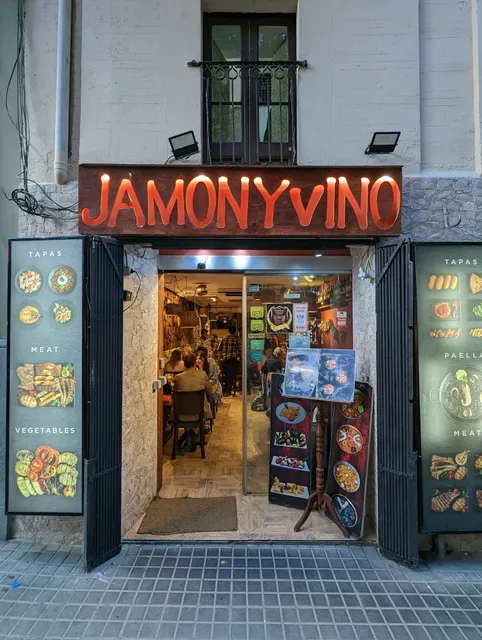
Jamón y Vino
Carrer de Sardenya, 310, L'Eixample, 08013 Barcelona, Spain
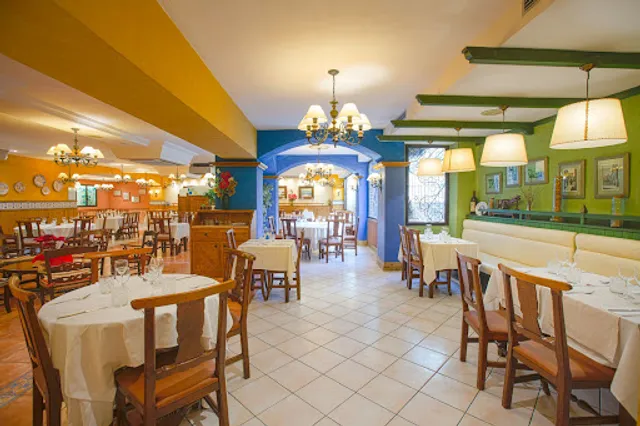
Restaurant Els Porxos
Carrer de Mallorca, 410, L'Eixample, 08013 Barcelona, Spain
Brunch & Cake
Plaça de la Sagrada Família, 21, L'Eixample, 08013 Barcelona, Spain
MIAM SAGRADA FAMILIA
Carrer de València, 423, L'Eixample, 08013 Barcelona, Spain
Casa Angela
Plaça de la Sagrada Família, 13, 15, L'Eixample, 08025 Barcelona, Spain
Puertecillo Sagrada Familia
Ptge. de Simó, 18, L'Eixample, 08025 Barcelona, Spain
Five Guys Burgers and Fries Sagrada Familia
Carrer de Provença, 427, L'Eixample, 08025 Barcelona, Spain
La Cachapera | Restaurante Venezolano Barcelona
Carrer de la Marina, 241, L'Eixample, 08013 Barcelona, Spain
Condal Tapes Bar Sagrada Família
Carrer de Sardenya, 312, L'Eixample, 08013 Barcelona, Spain
Related posts
Keywords
Sagrada Família Schools tourism.Sagrada Família Schools hotels.Sagrada Família Schools bed and breakfast. flights to Sagrada Família Schools.Sagrada Família Schools attractions.Sagrada Família Schools restaurants.Sagrada Família Schools travel.Sagrada Família Schools travel guide.Sagrada Família Schools travel blog.Sagrada Família Schools pictures.Sagrada Família Schools photos.Sagrada Família Schools travel tips.Sagrada Família Schools maps.Sagrada Família Schools things to do.
Sagrada Família Schools things to do, attractions, restaurants, events info and trip planning
Sagrada Família Schools
SpainCataloniaBarcelonaSagrada Família Schools

Basic Info

Sagrada Família Schools

Carrer de Sardenya, 316, L'Eixample, 08013 Barcelona, Spain
4.6(49)
Open 24 hours
Save
spot

Ratings & Description

Info

Cultural
attractions: La Sagrada Familia, Plaça de la Sagrada Família, Plaça de Gaudí, Museum of the Church of the Sagrada Familia, Escape Hunt Barcelona, Parc de la Myrurgia, Elements Barcelona - Escape Room - Atlantis - Cetro de Fuego, Àrea de joc infantil, BCM Art Gallery, The Hive Escape Room, restaurants: Mira restaurant, Jamón y Vino, Restaurant Els Porxos, Brunch & Cake, MIAM SAGRADA FAMILIA, Casa Angela, Puertecillo Sagrada Familia, Five Guys Burgers and Fries Sagrada Familia, La Cachapera | Restaurante Venezolano Barcelona, Condal Tapes Bar Sagrada Família
logoLearn more insights from Wanderboat AI.
Website
sagradafamilia.org

Plan your stay

hotel
Pet-friendly Hotels in Barcelona
Find a cozy hotel nearby and make it a full experience.
hotel
Affordable Hotels in Barcelona
Find a cozy hotel nearby and make it a full experience.
hotel
The Coolest Hotels You Haven't Heard Of (Yet)
Find a cozy hotel nearby and make it a full experience.
hotel
Trending Stays Worth the Hype in Barcelona
Find a cozy hotel nearby and make it a full experience.

Reviews

Nearby attractions of Sagrada Família Schools

La Sagrada Familia

Plaça de la Sagrada Família

Plaça de Gaudí

Museum of the Church of the Sagrada Familia

Escape Hunt Barcelona

Parc de la Myrurgia

Elements Barcelona - Escape Room - Atlantis - Cetro de Fuego

Àrea de joc infantil

BCM Art Gallery

The Hive Escape Room

La Sagrada Familia

La Sagrada Familia

4.8

(88.5K)

Open 24 hours
Click for details
Plaça de la Sagrada Família

Plaça de la Sagrada Família

4.6

(3.2K)

Closed
Click for details
Plaça de Gaudí

Plaça de Gaudí

4.6

(2.7K)

Open until 12:00 AM
Click for details
Museum of the Church of the Sagrada Familia

Museum of the Church of the Sagrada Familia

4.8

(210)

Closed
Click for details

Things to do nearby

The Castle Wine Tour in Penedès, Wine & Tapas
Fri, Dec 5 • 10:00 AM
08021, Barcelona, Catalonia, Spain
View details
Authentic Paella Class, Market Tour, Tapas & More
Thu, Dec 4 • 2:00 PM
08001, Barcelona, Catalonia, Spain
View details
Paella Maestro Market Tour Paella, Tapas & Sangria
Fri, Dec 5 • 11:30 AM
08034, Barcelona, Catalonia, Spain
View details

Nearby restaurants of Sagrada Família Schools

Mira restaurant

Jamón y Vino

Restaurant Els Porxos

Brunch & Cake

MIAM SAGRADA FAMILIA

Casa Angela

Puertecillo Sagrada Familia

Five Guys Burgers and Fries Sagrada Familia

La Cachapera | Restaurante Venezolano Barcelona

Condal Tapes Bar Sagrada Família

Mira restaurant

Mira restaurant

4.9

(3.6K)

Click for details
Jamón y Vino

Jamón y Vino

4.6

(2.3K)

Click for details
Restaurant Els Porxos

Restaurant Els Porxos

4.3

(1.1K)

Click for details
Brunch & Cake

Brunch & Cake

4.7

(1.1K)

Click for details
Get the Appoverlay
Get the AppOne tap to find yournext favorite spots!
Wanderboat LogoWanderboat

Your everyday Al companion for getaway ideas

CompanyAbout Us
InformationAI Trip PlannerSitemap
SocialXInstagramTiktokLinkedin
LegalTerms of ServicePrivacy Policy

Get the app

© 2025 Wanderboat. All rights reserved.
logo

Reviews of Sagrada Família Schools

4.6
(49)
avatar
5.0
1y

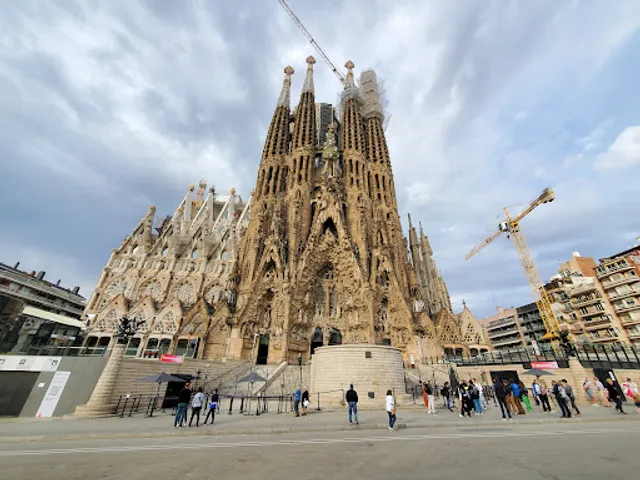
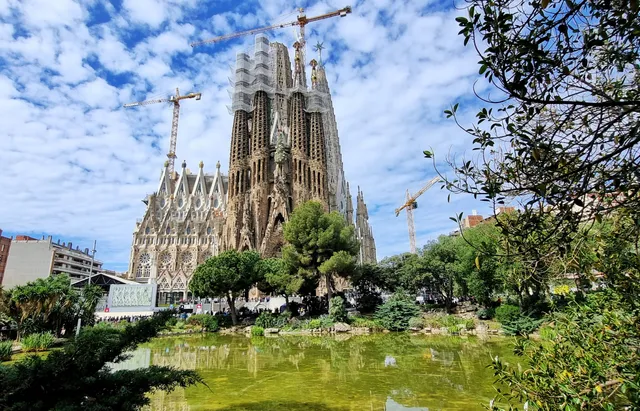
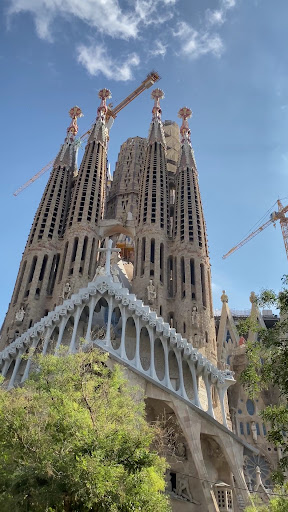
The Sagrada Família is an iconic basilica in Barcelona, Spain, renowned for its intricate design and symbolic architecture. Officially named Basílica i Temple Expiatori de la Sagrada Família, it was designed by the celebrated Catalan architect Antoni Gaudí, and it remains unfinished to this day.

History and Construction😍👇

Construction began in 1882, but Gaudí took over the project in 1883, transforming it into a symbol of his unique, organic architectural style.

Gaudí dedicated the last years of his life entirely to the basilica. At the time of his death in 1926, only a fraction of the building was complete.

Progress slowed due to funding issues, the Spanish Civil War, and its complexity, but recent efforts aim to complete it by 2032 or soon after.

Architectural Features

Facades:

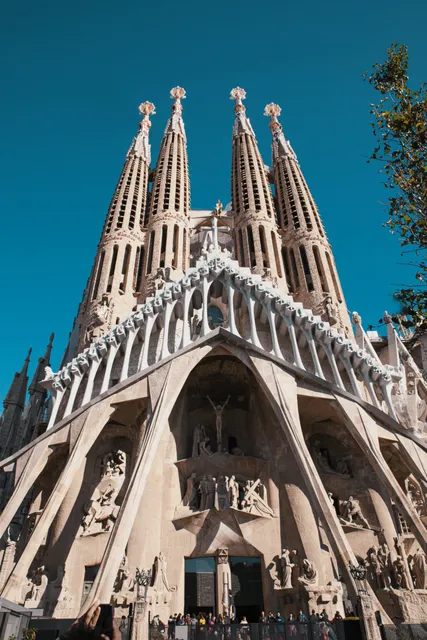
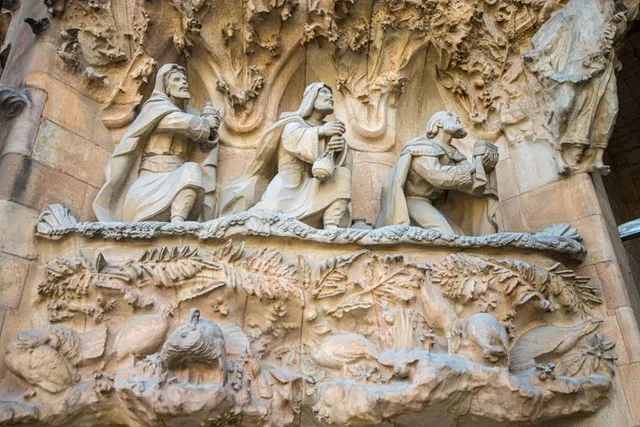
Nativity Facade: The only part completed during Gaudí's lifetime, it depicts the birth of Christ with intricate natural and religious symbolism.

Passion Facade: Dramatically designed to portray the suffering of Christ, featuring stark, angular sculptures.

Glory Facade (under construction): Will symbolize the ascent to God and reflect the final triumph of Jesus.

Towers:

The basilica will feature 18 towers: 12 for the apostles, 4 for the evangelists, 1 for the Virgin Mary, and 1 central tower dedicated to Jesus Christ, which will make it the tallest church in the world at 172.5 meters (566 feet).

Interior:

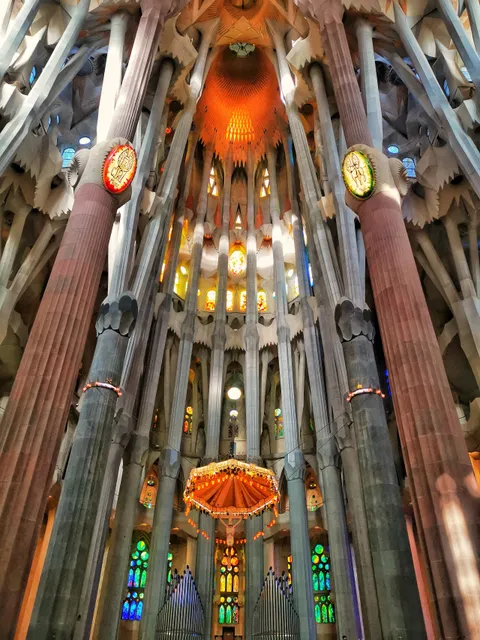
Gaudí envisioned the interior as a forest, with tree-like columns branching towards the ceiling. Natural light filters through colorful stained glass, creating a tranquil, sacred atmosphere.

Symbolism

The Sagrada Família is deeply rooted in Christian symbolism. Every element, from the facades to the smallest details, reflects biblical themes and Gaudí’s love for nature as a divine creation.

UNESCO World Heritage and Current Status

Parts of the basilica, including the Nativity Facade and crypt, are listed as UNESCO World Heritage Sites.

Despite still being under construction, it was consecrated by Pope Benedict XVI in 2010, allowing religious services to be held there.

Visiting Information

Location: Barcelona, Spain

Opening Hours: Open year-round with varying hours depending on the season.

Tickets: Visitors are encouraged to book tickets online to avoid long queues.

The Sagrada Família is a testament to faith, perseverance, and architectural genius, embodying Gaudí’s dream of merging art, spirituality, and nature in a...

   Read more
avatar
5.0
2y

To be honest, I didn’t know much about this place, or the architect who designed it. From what I’ve seen online it’s quite atrocious in my opinion. But I went with a small group of people while traveling to Barcelona, and I am very glad I visited. It was on the weekend, very crowded and we got there before opening hours. The audio guide that walks you from Mark one all the way through the entirety of the church. I learned so much about the background, the reasons it was being constructed, the architect who designed it. By the end I have concluded it was one of the most mesmerizing structure I’ve ever seen, so much so that we went and visited another Gaudi structure later that night.

I’m a fan forever! Get tickets ahead of...

   Read more
avatar
5.0
1y

Las Escuelas de la Sagrada Familia es un edificio construido en 1909 por el arquitecto modernista catalán Antonio Gaudí, situado en el recinto del Templo Expiatorio de la Sagrada Familia.


Escuelas de la Sagrada Familia

Se realizó por encargo de la Asociación de Devotos de San José que presidía Josep Maria Bocabella, promotor del templo de la Sagrada Familia. Gaudí edificó en el terreno destinado a la fachada de la Gloria, que se preveía estaría libre durante bastante tiempo todavía; era un pequeño edificio destinado a escuela para los hijos de los obreros que trabajaban en la Sagrada Familia. El edificio tiene planta rectangular de 10 x 20 metros, y constaba de tres aulas, vestíbulo y capilla, con lavabos en un cuerpo añadido al edificio. La construcción se realizó con ladrillo visto, en tres capas superpuestas, siguiendo la técnica tradicional catalana. Tanto las paredes como el tejado tienen forma ondulada, que confiere a la estructura una sensación de ligereza pero a la vez una gran resistencia. En el exterior definió tres áreas destinadas a aulas al aire libre que estaban cubiertas con pérgolas de hierro.

Las Escuelas sufrieron graves daños durante la Guerra Civil Española, por lo que el edificio fue desmontado en bloques y reconstruido posteriormente. Domènec Sugrañes se encargó de su restauración en 1940 con escasos fondos, por lo que tuvo algún desmoronamiento y necesitó una nueva intervención en 1943 a cargo de Francesc Quintana. En el año 2002 el edificio de las Escuelas fue trasladado al exterior del templo, a la esquina entre las calles Sardenya y Mallorca.

Las Escuelas de la Sagrada Familia han sido un ejemplo en genialidad constructiva y han servido de fuente de inspiración para muchos arquitectos, por su simplicidad, resistencia, originalidad del volumen, funcionalidad y pureza geométrica. Sus formas onduladas han sido aplicadas por arquitectos como Le Corbusier, Pier Luigi Nervi, Félix...

   Read more
Page 1 of 7
Previous
Next

Posts

Civil EngineerCivil Engineer
The Sagrada Família is an iconic basilica in Barcelona, Spain, renowned for its intricate design and symbolic architecture. Officially named Basílica i Temple Expiatori de la Sagrada Família, it was designed by the celebrated Catalan architect Antoni Gaudí, and it remains unfinished to this day. History and Construction😍👇 Construction began in 1882, but Gaudí took over the project in 1883, transforming it into a symbol of his unique, organic architectural style. Gaudí dedicated the last years of his life entirely to the basilica. At the time of his death in 1926, only a fraction of the building was complete. Progress slowed due to funding issues, the Spanish Civil War, and its complexity, but recent efforts aim to complete it by 2032 or soon after. Architectural Features 1. Facades: Nativity Facade: The only part completed during Gaudí's lifetime, it depicts the birth of Christ with intricate natural and religious symbolism. Passion Facade: Dramatically designed to portray the suffering of Christ, featuring stark, angular sculptures. Glory Facade (under construction): Will symbolize the ascent to God and reflect the final triumph of Jesus. 2. Towers: The basilica will feature 18 towers: 12 for the apostles, 4 for the evangelists, 1 for the Virgin Mary, and 1 central tower dedicated to Jesus Christ, which will make it the tallest church in the world at 172.5 meters (566 feet). 3. Interior: Gaudí envisioned the interior as a forest, with tree-like columns branching towards the ceiling. Natural light filters through colorful stained glass, creating a tranquil, sacred atmosphere. Symbolism The Sagrada Família is deeply rooted in Christian symbolism. Every element, from the facades to the smallest details, reflects biblical themes and Gaudí’s love for nature as a divine creation. UNESCO World Heritage and Current Status Parts of the basilica, including the Nativity Facade and crypt, are listed as UNESCO World Heritage Sites. Despite still being under construction, it was consecrated by Pope Benedict XVI in 2010, allowing religious services to be held there. Visiting Information Location: Barcelona, Spain Opening Hours: Open year-round with varying hours depending on the season. Tickets: Visitors are encouraged to book tickets online to avoid long queues. The Sagrada Família is a testament to faith, perseverance, and architectural genius, embodying Gaudí’s dream of merging art, spirituality, and nature in a monumental form.
MayMay
To be honest, I didn’t know much about this place, or the architect who designed it. From what I’ve seen online it’s quite atrocious in my opinion. But I went with a small group of people while traveling to Barcelona, and I am very glad I visited. It was on the weekend, very crowded and we got there before opening hours. The audio guide that walks you from Mark one all the way through the entirety of the church. I learned so much about the background, the reasons it was being constructed, the architect who designed it. By the end I have concluded it was one of the most mesmerizing structure I’ve ever seen, so much so that we went and visited another Gaudi structure later that night. I’m a fan forever! Get tickets ahead of time if you can.
Jordi DuartJordi Duart
Las Escuelas de la Sagrada Familia es un edificio construido en 1909 por el arquitecto modernista catalán Antonio Gaudí, situado en el recinto del Templo Expiatorio de la Sagrada Familia.  Escuelas de la Sagrada Familia Se realizó por encargo de la Asociación de Devotos de San José que presidía Josep Maria Bocabella, promotor del templo de la Sagrada Familia. Gaudí edificó en el terreno destinado a la fachada de la Gloria, que se preveía estaría libre durante bastante tiempo todavía; era un pequeño edificio destinado a escuela para los hijos de los obreros que trabajaban en la Sagrada Familia. El edificio tiene planta rectangular de 10 x 20 metros, y constaba de tres aulas, vestíbulo y capilla, con lavabos en un cuerpo añadido al edificio. La construcción se realizó con ladrillo visto, en tres capas superpuestas, siguiendo la técnica tradicional catalana. Tanto las paredes como el tejado tienen forma ondulada, que confiere a la estructura una sensación de ligereza pero a la vez una gran resistencia. En el exterior definió tres áreas destinadas a aulas al aire libre que estaban cubiertas con pérgolas de hierro. Las Escuelas sufrieron graves daños durante la Guerra Civil Española, por lo que el edificio fue desmontado en bloques y reconstruido posteriormente. Domènec Sugrañes se encargó de su restauración en 1940 con escasos fondos, por lo que tuvo algún desmoronamiento y necesitó una nueva intervención en 1943 a cargo de Francesc Quintana. En el año 2002 el edificio de las Escuelas fue trasladado al exterior del templo, a la esquina entre las calles Sardenya y Mallorca. Las Escuelas de la Sagrada Familia han sido un ejemplo en genialidad constructiva y han servido de fuente de inspiración para muchos arquitectos, por su simplicidad, resistencia, originalidad del volumen, funcionalidad y pureza geométrica. Sus formas onduladas han sido aplicadas por arquitectos como Le Corbusier, Pier Luigi Nervi, Félix Candela o Santiago Calatrava.
See more posts
See more posts
hotel
Find your stay

Pet-friendly Hotels in Barcelona

Find a cozy hotel nearby and make it a full experience.

The Sagrada Família is an iconic basilica in Barcelona, Spain, renowned for its intricate design and symbolic architecture. Officially named Basílica i Temple Expiatori de la Sagrada Família, it was designed by the celebrated Catalan architect Antoni Gaudí, and it remains unfinished to this day. History and Construction😍👇 Construction began in 1882, but Gaudí took over the project in 1883, transforming it into a symbol of his unique, organic architectural style. Gaudí dedicated the last years of his life entirely to the basilica. At the time of his death in 1926, only a fraction of the building was complete. Progress slowed due to funding issues, the Spanish Civil War, and its complexity, but recent efforts aim to complete it by 2032 or soon after. Architectural Features 1. Facades: Nativity Facade: The only part completed during Gaudí's lifetime, it depicts the birth of Christ with intricate natural and religious symbolism. Passion Facade: Dramatically designed to portray the suffering of Christ, featuring stark, angular sculptures. Glory Facade (under construction): Will symbolize the ascent to God and reflect the final triumph of Jesus. 2. Towers: The basilica will feature 18 towers: 12 for the apostles, 4 for the evangelists, 1 for the Virgin Mary, and 1 central tower dedicated to Jesus Christ, which will make it the tallest church in the world at 172.5 meters (566 feet). 3. Interior: Gaudí envisioned the interior as a forest, with tree-like columns branching towards the ceiling. Natural light filters through colorful stained glass, creating a tranquil, sacred atmosphere. Symbolism The Sagrada Família is deeply rooted in Christian symbolism. Every element, from the facades to the smallest details, reflects biblical themes and Gaudí’s love for nature as a divine creation. UNESCO World Heritage and Current Status Parts of the basilica, including the Nativity Facade and crypt, are listed as UNESCO World Heritage Sites. Despite still being under construction, it was consecrated by Pope Benedict XVI in 2010, allowing religious services to be held there. Visiting Information Location: Barcelona, Spain Opening Hours: Open year-round with varying hours depending on the season. Tickets: Visitors are encouraged to book tickets online to avoid long queues. The Sagrada Família is a testament to faith, perseverance, and architectural genius, embodying Gaudí’s dream of merging art, spirituality, and nature in a monumental form.
Civil Engineer

Civil Engineer

hotel
Find your stay

Affordable Hotels in Barcelona

Find a cozy hotel nearby and make it a full experience.

Get the Appoverlay
Get the AppOne tap to find yournext favorite spots!
To be honest, I didn’t know much about this place, or the architect who designed it. From what I’ve seen online it’s quite atrocious in my opinion. But I went with a small group of people while traveling to Barcelona, and I am very glad I visited. It was on the weekend, very crowded and we got there before opening hours. The audio guide that walks you from Mark one all the way through the entirety of the church. I learned so much about the background, the reasons it was being constructed, the architect who designed it. By the end I have concluded it was one of the most mesmerizing structure I’ve ever seen, so much so that we went and visited another Gaudi structure later that night. I’m a fan forever! Get tickets ahead of time if you can.
May

May

hotel
Find your stay

The Coolest Hotels You Haven't Heard Of (Yet)

Find a cozy hotel nearby and make it a full experience.

hotel
Find your stay

Trending Stays Worth the Hype in Barcelona

Find a cozy hotel nearby and make it a full experience.

Las Escuelas de la Sagrada Familia es un edificio construido en 1909 por el arquitecto modernista catalán Antonio Gaudí, situado en el recinto del Templo Expiatorio de la Sagrada Familia.  Escuelas de la Sagrada Familia Se realizó por encargo de la Asociación de Devotos de San José que presidía Josep Maria Bocabella, promotor del templo de la Sagrada Familia. Gaudí edificó en el terreno destinado a la fachada de la Gloria, que se preveía estaría libre durante bastante tiempo todavía; era un pequeño edificio destinado a escuela para los hijos de los obreros que trabajaban en la Sagrada Familia. El edificio tiene planta rectangular de 10 x 20 metros, y constaba de tres aulas, vestíbulo y capilla, con lavabos en un cuerpo añadido al edificio. La construcción se realizó con ladrillo visto, en tres capas superpuestas, siguiendo la técnica tradicional catalana. Tanto las paredes como el tejado tienen forma ondulada, que confiere a la estructura una sensación de ligereza pero a la vez una gran resistencia. En el exterior definió tres áreas destinadas a aulas al aire libre que estaban cubiertas con pérgolas de hierro. Las Escuelas sufrieron graves daños durante la Guerra Civil Española, por lo que el edificio fue desmontado en bloques y reconstruido posteriormente. Domènec Sugrañes se encargó de su restauración en 1940 con escasos fondos, por lo que tuvo algún desmoronamiento y necesitó una nueva intervención en 1943 a cargo de Francesc Quintana. En el año 2002 el edificio de las Escuelas fue trasladado al exterior del templo, a la esquina entre las calles Sardenya y Mallorca. Las Escuelas de la Sagrada Familia han sido un ejemplo en genialidad constructiva y han servido de fuente de inspiración para muchos arquitectos, por su simplicidad, resistencia, originalidad del volumen, funcionalidad y pureza geométrica. Sus formas onduladas han sido aplicadas por arquitectos como Le Corbusier, Pier Luigi Nervi, Félix Candela o Santiago Calatrava.
Jordi Duart

Jordi Duart

See more posts
See more posts