National Museum of Underwater Archaeology things to do, attractions, restaurants, events info and trip planning
Basic Info
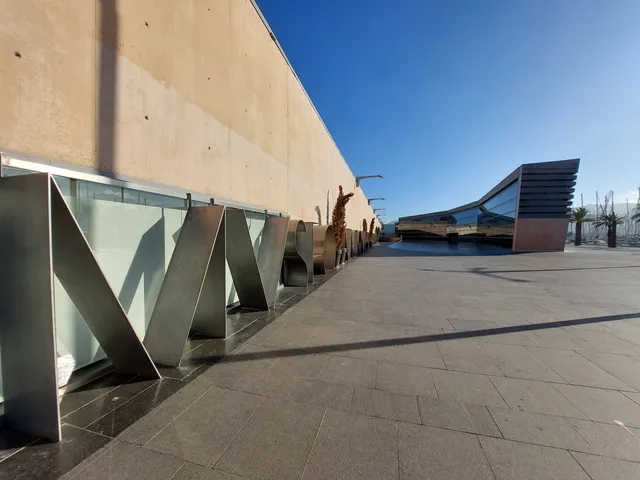
National Museum of Underwater Archaeology
P.º Alfonso XII, 22, 30202 Cartagena, Murcia, Spain
4.4(1.9K)
Open until 7:45 PM

tickets
Save
spot
spot
Ratings & Description
Info
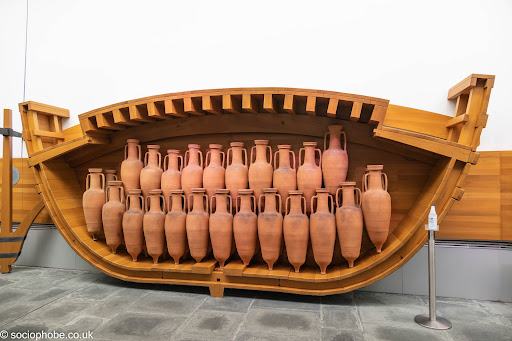
The National Museum of Subaquatic Archaeology in Cartagena, Spain is an underwater archaeology museum. It owns a large collection of pieces recovered from shipwrecks that begins in the Phoenician period, and arrives until the 19th century.
Cultural
Accessibility
attractions: Yacht Port Cartagena, Auditorium & Convention Center The Batel, Puerto de Cartagena, Teatro Romano de Cartagena, Parque Torres, Castillo de la Concepción, Ascensor panorámico, Civil War Museum, Anfiteatro Romano y Plaza de Toros de Cartagena, Torres Park Auditorium, restaurants: House of the Sea, Restaurante Eszencia, Mare Nostrum, Restaurante Cuarenta y tres 43, Alviento Restaurante (1r planta), Restaurante Techos Bajos, Restaurante Varadero, Restaurante Tapería “El Cantón”, El Soldadito de Plomo, Saona Cartagena, local businesses: UPCT Escuela Técnica Superior de Ingeniería Industrial, Licor 43 Shop, Museo Teatro Romano, La Lonja del Pescado, Puerto Trips, Cofradía de Pescadores, La Fortaleza, Le Chaton, SUPERMERCADO Cañón., Primor
 Learn more insights from Wanderboat AI.
Phone
+34 968 12 11 66
Website
culturaydeporte.gob.es
Open hoursSee all hours
Fri9:30 AM - 7:45 PMOpen
Plan your stay

Pet-friendly Hotels in Cartagena
Find a cozy hotel nearby and make it a full experience.

Affordable Hotels in Cartagena
Find a cozy hotel nearby and make it a full experience.

The Coolest Hotels You Haven't Heard Of (Yet)
Find a cozy hotel nearby and make it a full experience.

Trending Stays Worth the Hype in Cartagena
Find a cozy hotel nearby and make it a full experience.
Reviews
Live events
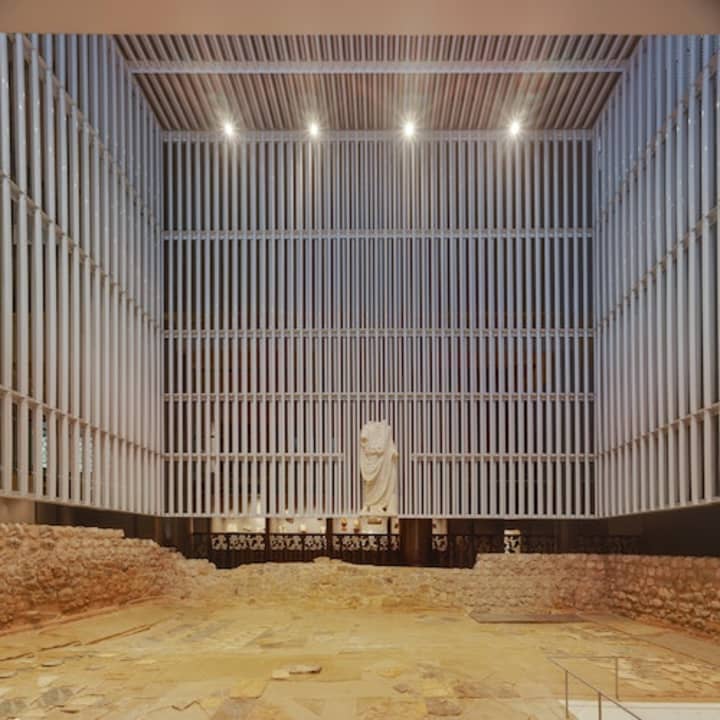
Museo del Foro Romano Molinete
Fri, Feb 6 • 10:00 AM
Calle Adarve, 6, Cartagena, 30201
View details

Alternativas al MOVENTO
Tue, Feb 10 • 1:00 PM
F-35 30700 Torre-Pacheco
View details

Jornadas Técnicas: Cotonet y Araña Roja en Cítricos y Caqui
Tue, Feb 10 • 4:00 PM
F-35, 30700 Torre-Pacheco
View details
Nearby attractions of National Museum of Underwater Archaeology
Yacht Port Cartagena
Auditorium & Convention Center The Batel
Puerto de Cartagena
Teatro Romano de Cartagena
Parque Torres
Castillo de la Concepción
Ascensor panorámico
Civil War Museum
Anfiteatro Romano y Plaza de Toros de Cartagena
Torres Park Auditorium

Yacht Port Cartagena
4.4
(801)
Open until 12:00 AM
Click for details
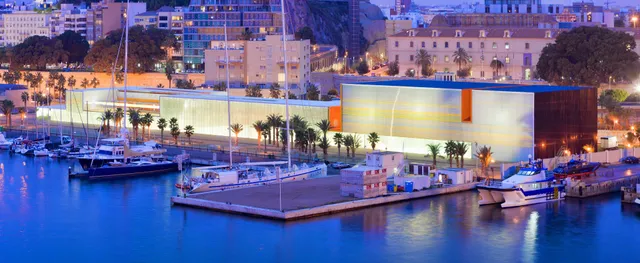
Auditorium & Convention Center The Batel
4.4
(1.7K)
Open until 3:00 PM
Click for details
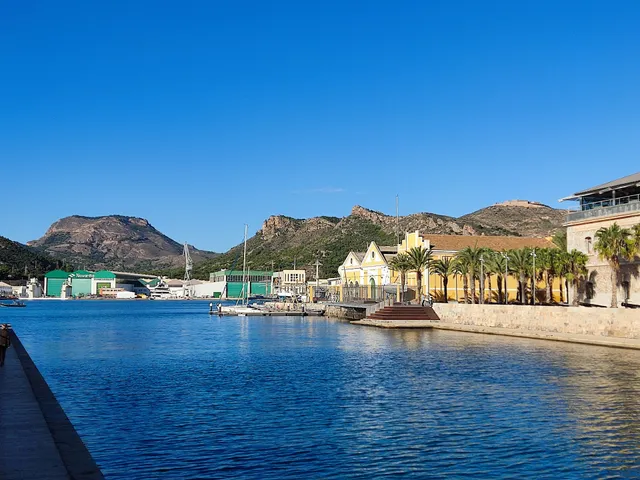
Puerto de Cartagena
4.7
(3.5K)
Open until 12:00 AM
Click for details
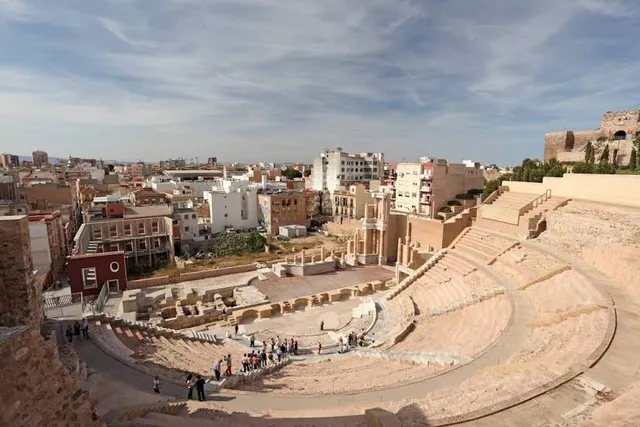
Teatro Romano de Cartagena
4.6
(8.7K)
Open until 6:00 PM
Click for details
Nearby restaurants of National Museum of Underwater Archaeology
House of the Sea
Restaurante Eszencia
Mare Nostrum
Restaurante Cuarenta y tres 43
Alviento Restaurante (1r planta)
Restaurante Techos Bajos
Restaurante Varadero
Restaurante Tapería “El Cantón”
El Soldadito de Plomo
Saona Cartagena
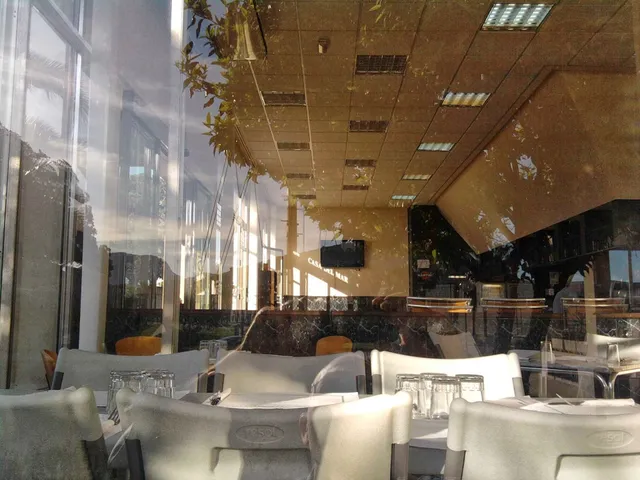
House of the Sea
4.2
(321)
Click for details
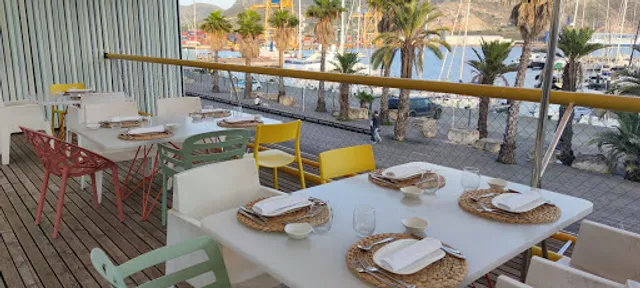
Restaurante Eszencia
4.1
(291)
Open until 10:00 PM
Click for details
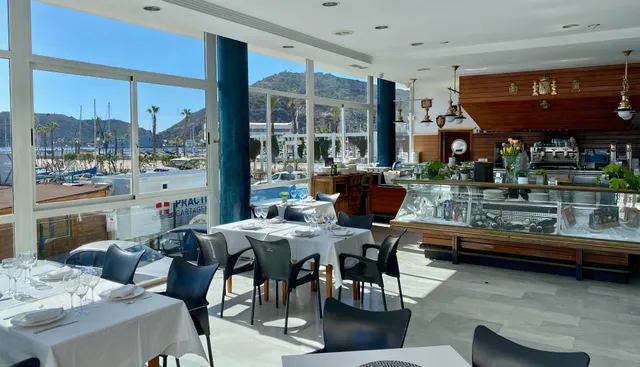
Mare Nostrum
3.6
(621)
$$
Open until 9:00 PM
Click for details
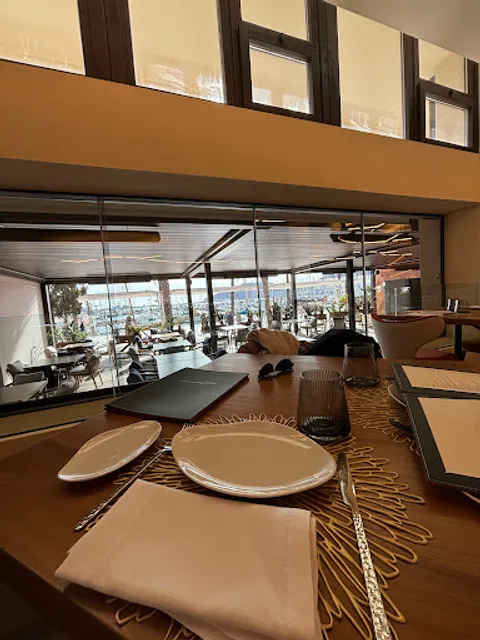
Restaurante Cuarenta y tres 43
4.5
(566)
Open until 12:00 AM
Click for details
Nearby local services of National Museum of Underwater Archaeology
UPCT Escuela Técnica Superior de Ingeniería Industrial
Licor 43 Shop
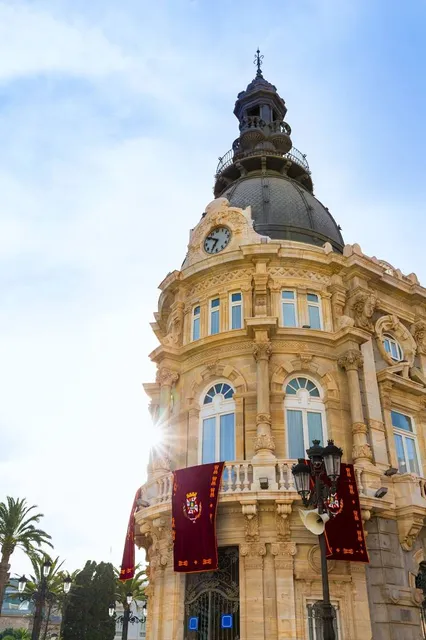
Museo Teatro Romano
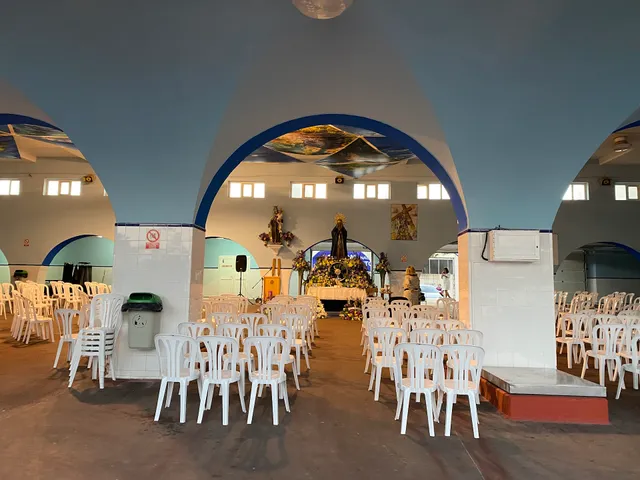
La Lonja del Pescado
Puerto Trips
Cofradía de Pescadores
La Fortaleza
Le Chaton
SUPERMERCADO Cañón.
Primor
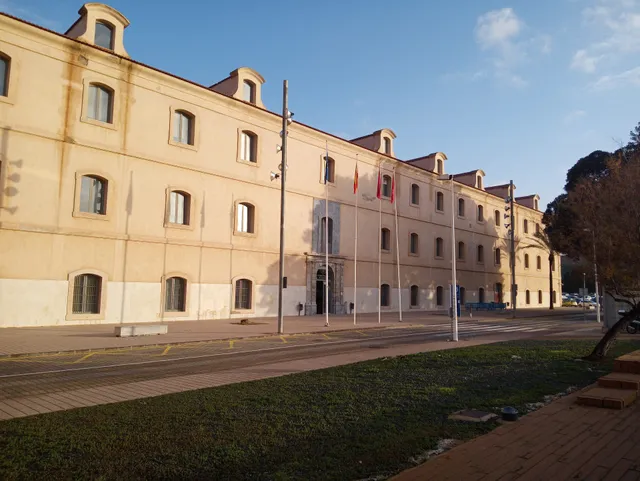
UPCT Escuela Técnica Superior de Ingeniería Industrial
4.1
(79)
Click for details
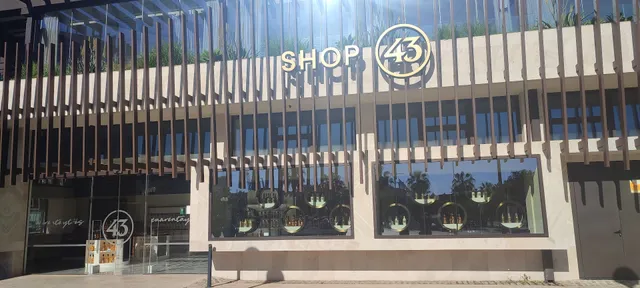
Licor 43 Shop
4.1
(60)
Click for details
Museo Teatro Romano
4.6
(106)
Click for details
La Lonja del Pescado
4.4
(77)
Click for details