Cuenca Cathedral things to do, attractions, restaurants, events info and trip planning
Basic Info
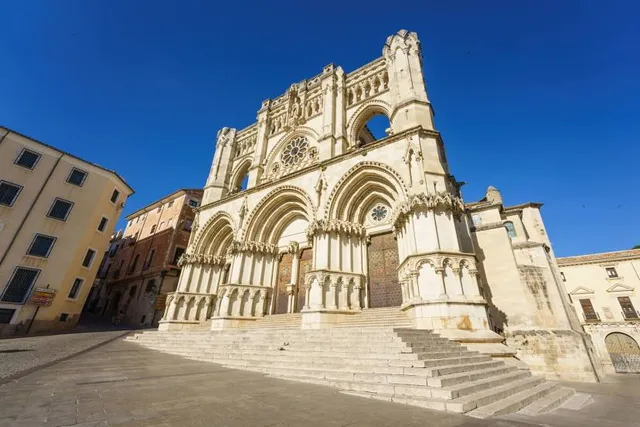
Cuenca Cathedral
Pl. Mayor, 16001 Cuenca, Spain
4.5(2.2K)
Open 24 hours

tickets
Save
spot
spot
Ratings & Description
Info
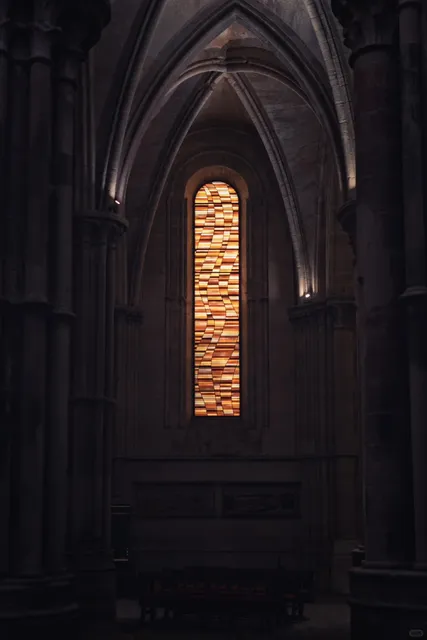
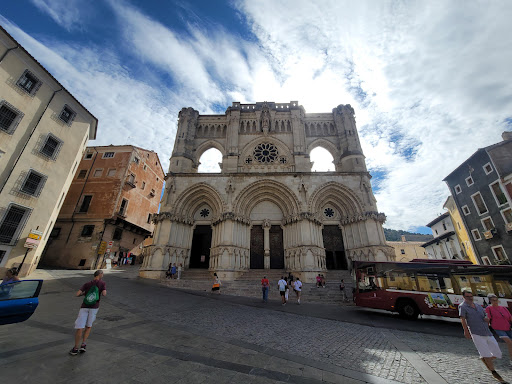
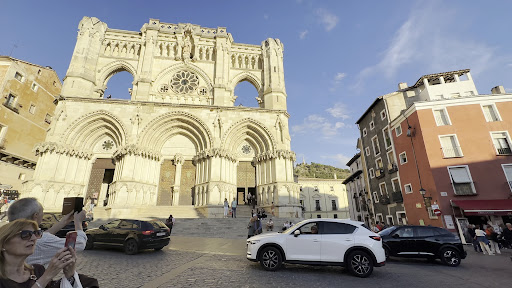
Cuenca Cathedral is a Gothic cathedral in the city of Cuenca, located in the Province of Cuenca in the Castile-La Mancha region of south-eastern central Spain. The building is one of the earliest Spanish examples of Gothic architecture, built at a time when the Romanesque style predominated in the Iberian Peninsula.
Cultural
Accessibility
attractions: Casas Colgadas de Cuenca, San Pablo Bridge, Spanish Abstract Art Museum. Juan March Foundation, Science Museum of Castilla La Mancha, Museo Diocesano de Cuenca, Casa Zavala, Torre de Mangana, Palacio Episcopal - Obispado de Cuenca, Iglesia San Pedro, Castillo de Cuenca, restaurants: Pícaro Tapas y Copas, Abrasador El Secreto de La Catedral, Mesón Plaza Mayor, Piola Gastrobar, Restaurante Mangana, Taberna Albero, Restaurante Recreo Peral, Restaurante Raff San Pedro, CASA DE LA SIRENA | Restaurante, CASAS COLGADAS | Restaurante, local businesses: Iglesia de San Miguel, Iglesia de la Santa Cruz, Monumento al Sagrado Corazón de Jesús (Cuenca)
 Learn more insights from Wanderboat AI.
Phone
+34 969 22 46 26
Website
catedralcuenca.es
Plan your stay

Pet-friendly Hotels in Cuenca
Find a cozy hotel nearby and make it a full experience.

Affordable Hotels in Cuenca
Find a cozy hotel nearby and make it a full experience.

The Coolest Hotels You Haven't Heard Of (Yet)
Find a cozy hotel nearby and make it a full experience.

Trending Stays Worth the Hype in Cuenca
Find a cozy hotel nearby and make it a full experience.
Reviews
Live events

¡Partida de Airsoft! Experiencia inmersiva
Sun, Feb 1 • 1:00 PM
Carretera de, Villalba de la Sierra, 16140
View details
Nearby attractions of Cuenca Cathedral
Casas Colgadas de Cuenca
San Pablo Bridge
Spanish Abstract Art Museum. Juan March Foundation
Science Museum of Castilla La Mancha
Museo Diocesano de Cuenca
Casa Zavala
Torre de Mangana
Palacio Episcopal - Obispado de Cuenca
Iglesia San Pedro
Castillo de Cuenca
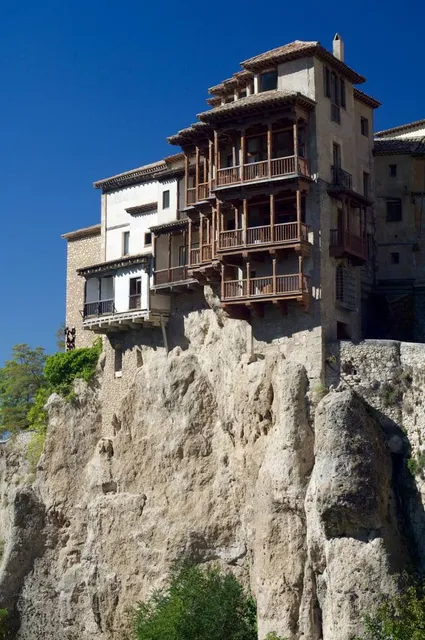
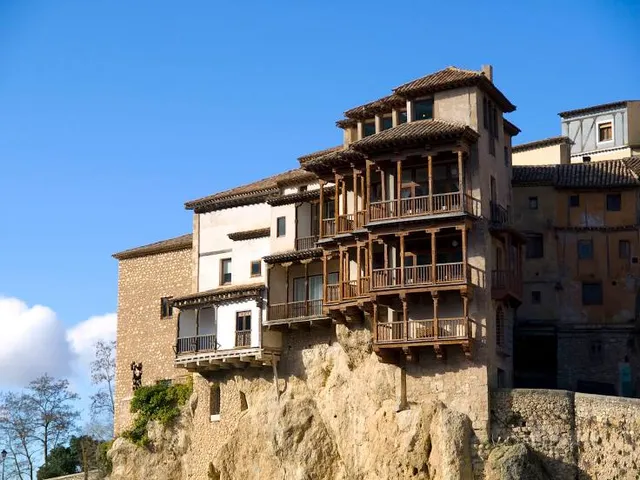
Casas Colgadas de Cuenca
4.6
(6.2K)
Open until 12:00 AM
Click for details
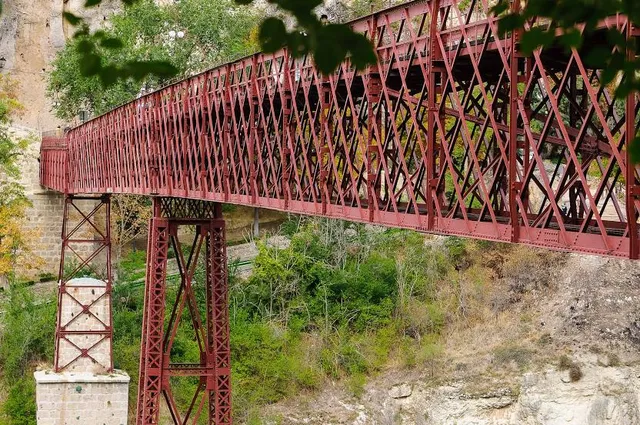
San Pablo Bridge
4.6
(1.6K)
Open until 12:00 AM
Click for details
Spanish Abstract Art Museum. Juan March Foundation
4.6
(706)
Closed
Click for details
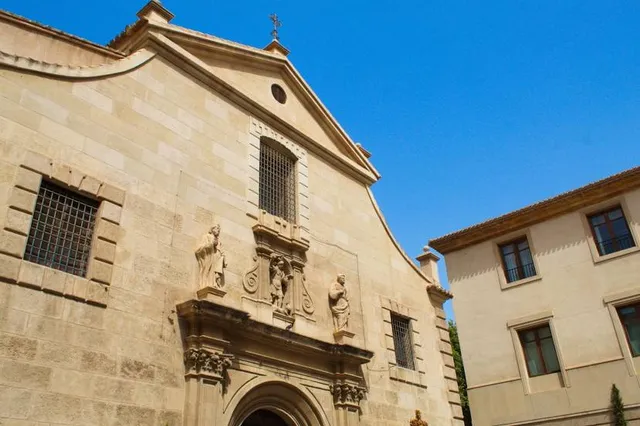
Science Museum of Castilla La Mancha
4.6
(1.2K)
Open until 7:00 PM
Click for details
Nearby restaurants of Cuenca Cathedral
Pícaro Tapas y Copas
Abrasador El Secreto de La Catedral
Mesón Plaza Mayor
Piola Gastrobar
Restaurante Mangana
Taberna Albero
Restaurante Recreo Peral
Restaurante Raff San Pedro
CASA DE LA SIRENA | Restaurante
CASAS COLGADAS | Restaurante
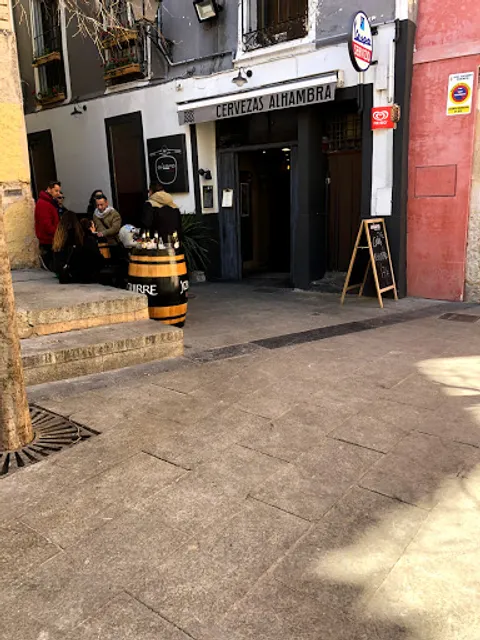
Pícaro Tapas y Copas
4.0
(990)
Open until 1:00 AM
Click for details
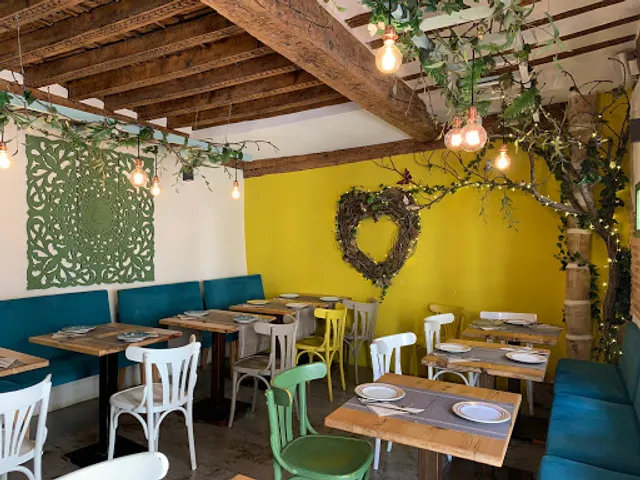
Abrasador El Secreto de La Catedral
4.1
(727)
Open until 12:00 AM
Click for details
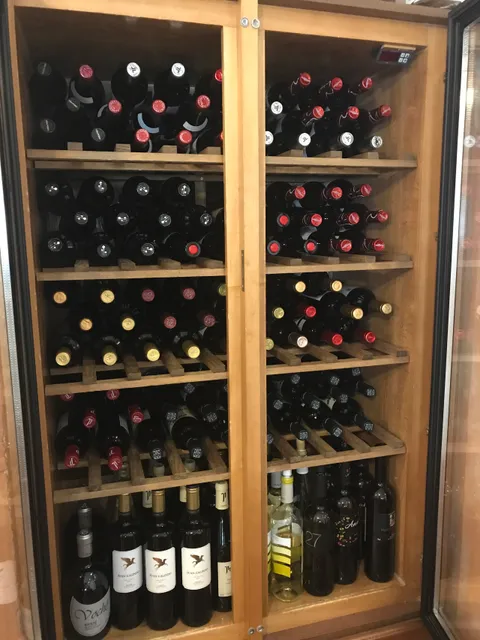
Mesón Plaza Mayor
3.9
(952)
Open until 11:30 PM
Click for details
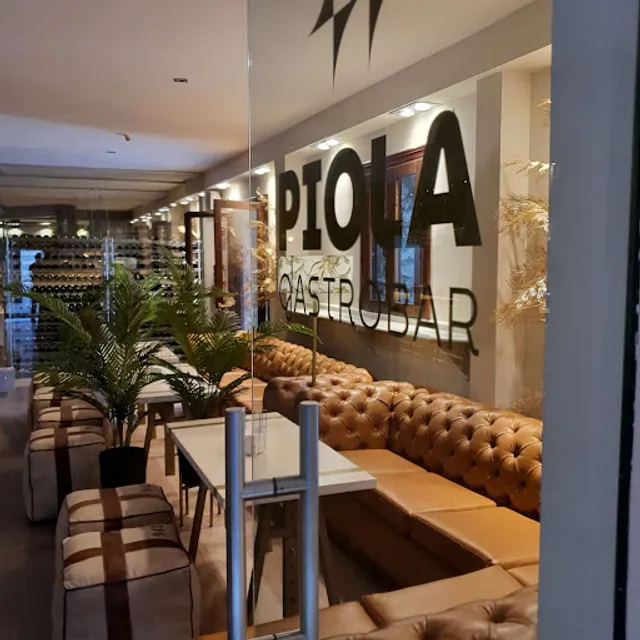
Piola Gastrobar
4.3
(681)
Open until 11:00 PM
Click for details
Nearby local services of Cuenca Cathedral
Iglesia de San Miguel
Iglesia de la Santa Cruz
Monumento al Sagrado Corazón de Jesús (Cuenca)
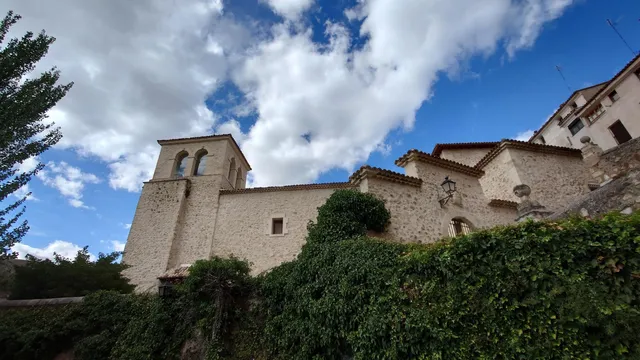
Iglesia de San Miguel
4.5
(29)
Click for details
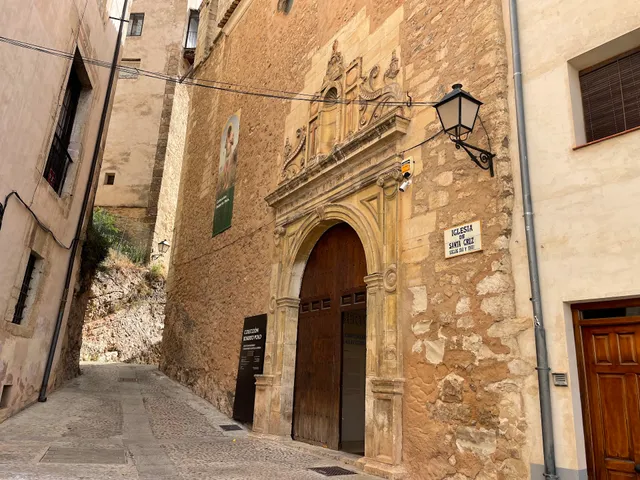
Iglesia de la Santa Cruz
4.6
(15)
Click for details
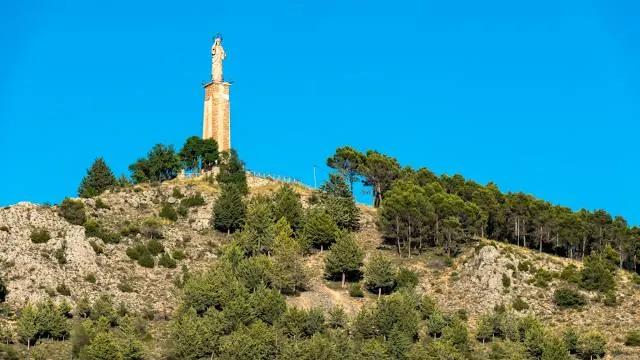
Monumento al Sagrado Corazón de Jesús (Cuenca)
4.5
(19)
Click for details