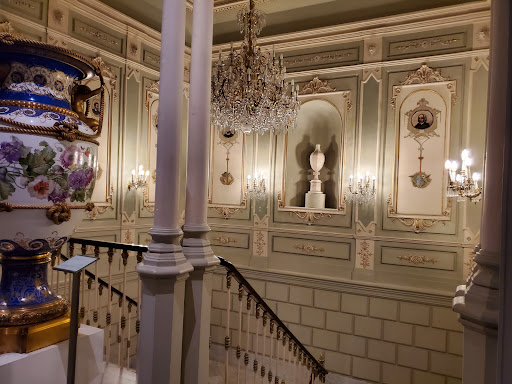
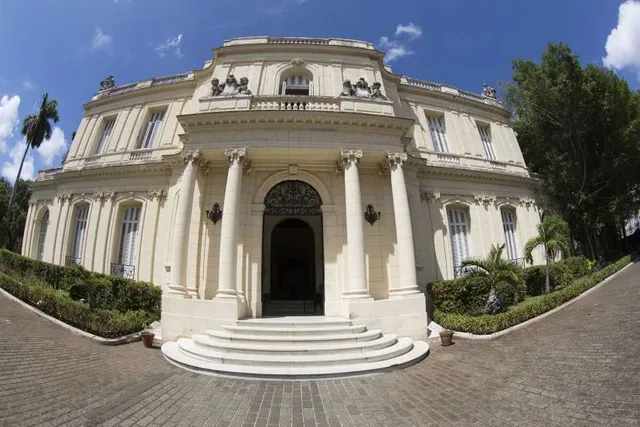
National Museum of Decorative Arts things to do, attractions, restaurants, events info and trip planning
Basic Info
National Museum of Decorative Arts
C. de Montalbán, 12, Retiro, 28014 Madrid, Spain
4.3(1.4K)
Closed

tickets
Save
spot
spot
Ratings & Description
Info
The National Museum of Ireland – Decorative Arts and History is a branch of the National Museum of Ireland located at the former Collins Barracks in the Arbour Hill area of Dublin, Ireland.
Cultural
Accessibility
attractions: Puerta de Alcalá, Cibeles Fountain, Naval Museum, CentroCentro, Espanya Gate, Museo Nacional del Prado, Linares Palace, Palacio de Cibeles Viewpoint, Casa de América, Palacio de Cibeles, restaurants: Em Sherif Madrid, Restaurante Alabaster, Restaurante Adrede, Azotea Cibeles, Barracuda l Restaurante Mexicano Madrid, Restaurante Vinoteca García de la Navarra, Aarde, Cafetería Restaurante Alfonso XI, Horcher, AZ Restaurante - Restaurante en el Retiro, local businesses: Blow Dry Bar - Daniele Sigigliano - Peluquería en los Jerónimos Madrid, Madrid City Hall, Blondie Madrid, Cibeles de Cine, Camp Summers USA, C. del Conde de Aranda, 4, ARRABE INTEGRA - Company Advisors, The MadRoom | Peluquería de Lujo en Madrid, Rent & Roll Madrid, Flamenco de Leones
 Learn more insights from Wanderboat AI.
Phone
+34 915 32 64 99
Website
cultura.gob.es
Open hoursSee all hours
Fri9:30 AM - 3 PMClosed
Plan your stay

Pet-friendly Hotels in Madrid
Find a cozy hotel nearby and make it a full experience.

Affordable Hotels in Madrid
Find a cozy hotel nearby and make it a full experience.

The Coolest Hotels You Haven't Heard Of (Yet)
Find a cozy hotel nearby and make it a full experience.

Trending Stays Worth the Hype in Madrid
Find a cozy hotel nearby and make it a full experience.
Reviews
Live events
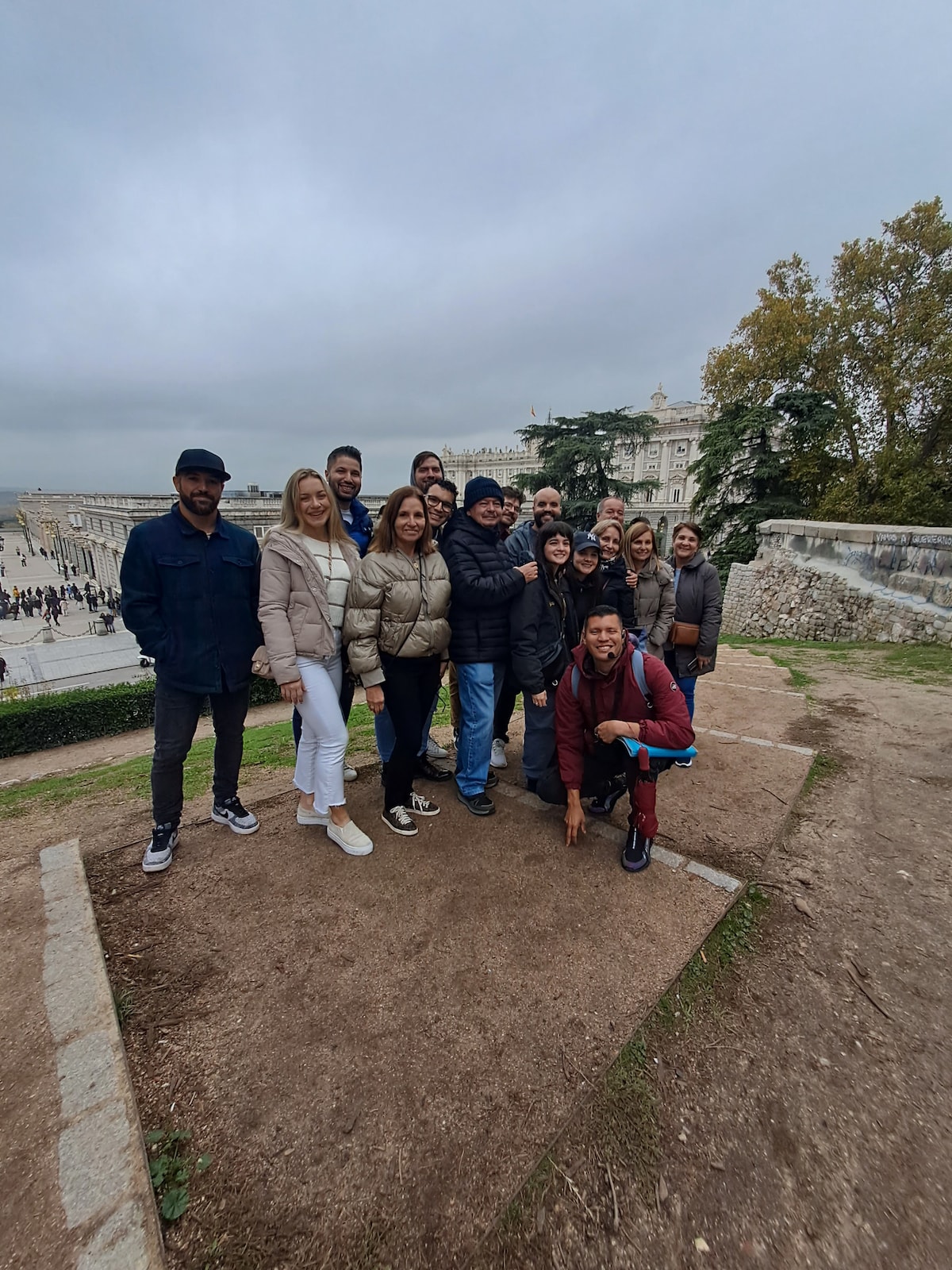
Freetour Discover the historic Madrid
Sat, Feb 28 • 10:00 AM
28000, Madrid, Community of Madrid, Spain
View details

Enjoy Authentic Flamenco
Fri, Feb 27 • 7:15 PM
28012, Madrid, Community of Madrid, Spain
View details
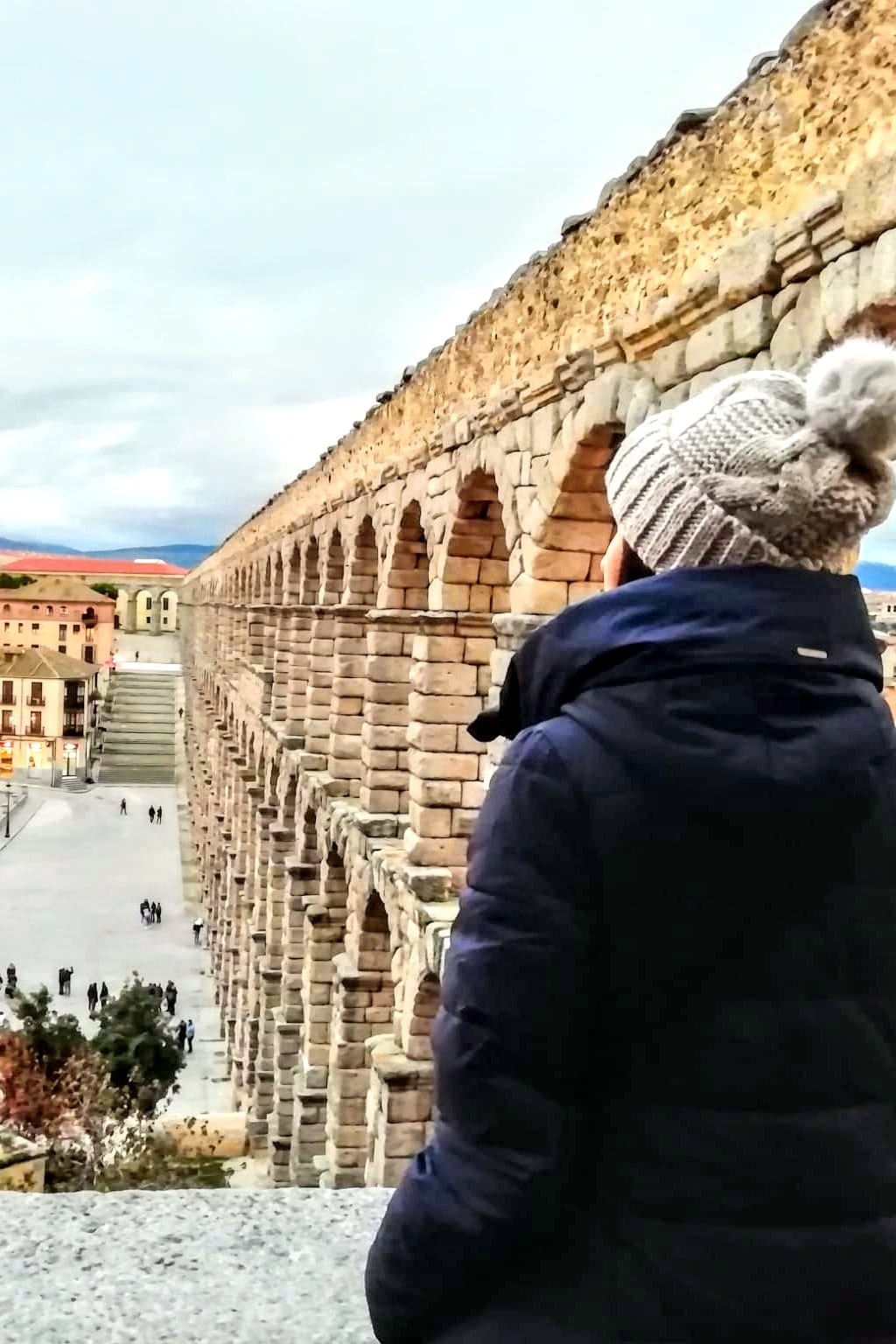
Travel through medieval Spain in Toledo and Segovia
Fri, Feb 27 • 9:00 AM
28009, Madrid, Community of Madrid, Spain
View details
Nearby attractions of National Museum of Decorative Arts
Puerta de Alcalá
Cibeles Fountain
Naval Museum
CentroCentro
Espanya Gate
Museo Nacional del Prado
Linares Palace
Palacio de Cibeles Viewpoint
Casa de América
Palacio de Cibeles

Puerta de Alcalá
4.7
(20.3K)
Open until 12:00 AM
Click for details

Cibeles Fountain
4.7
(20.3K)
Open until 12:00 AM
Click for details

Naval Museum
4.6
(4.5K)
Closed
Click for details
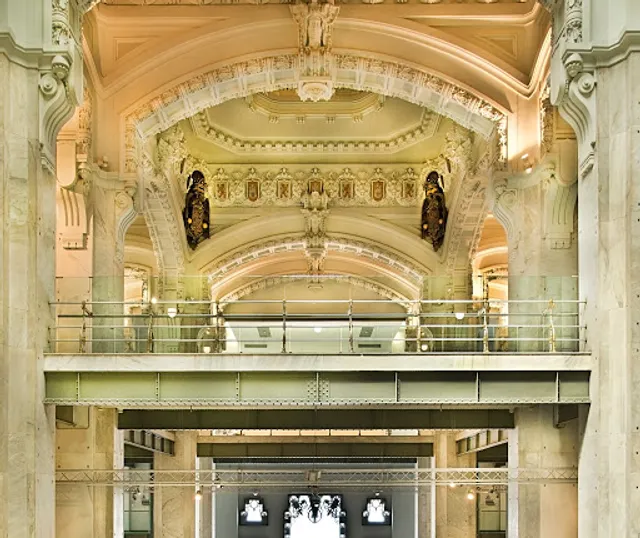
CentroCentro
4.5
(3.1K)
Closed
Click for details
Nearby restaurants of National Museum of Decorative Arts
Em Sherif Madrid
Restaurante Alabaster
Restaurante Adrede
Azotea Cibeles
Barracuda l Restaurante Mexicano Madrid
Restaurante Vinoteca García de la Navarra
Aarde
Cafetería Restaurante Alfonso XI
Horcher
AZ Restaurante - Restaurante en el Retiro

Em Sherif Madrid
4.7
(89)
Open until 11:30 PM
Click for details
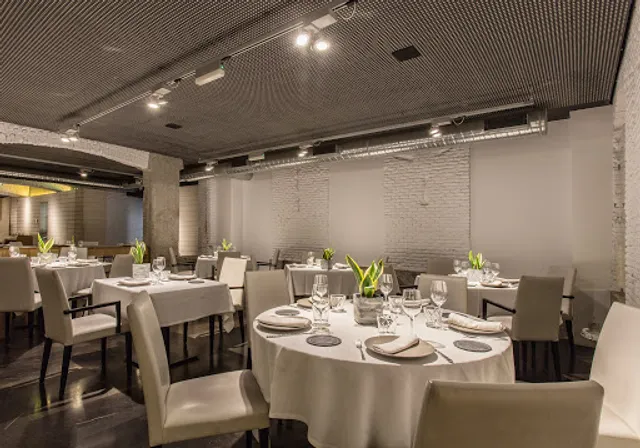
Restaurante Alabaster
4.6
(869)
$$$
Closed
Click for details
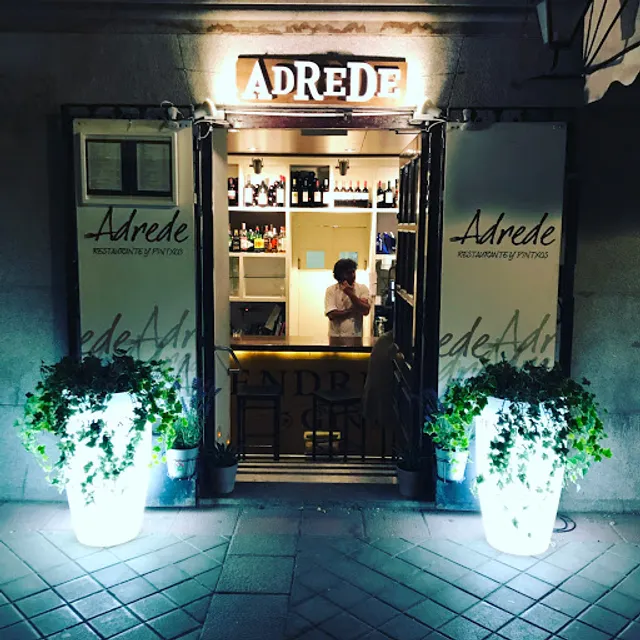
Restaurante Adrede
4.6
(496)
Closed
Click for details
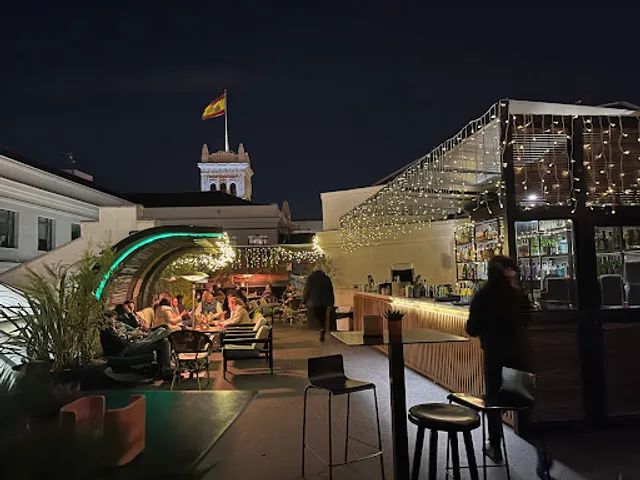
Azotea Cibeles
4.1
(3.8K)
Open until 1:30 AM
Click for details
Nearby local services of National Museum of Decorative Arts
Blow Dry Bar - Daniele Sigigliano - Peluquería en los Jerónimos Madrid
Madrid City Hall
Blondie Madrid
Cibeles de Cine
Camp Summers USA
C. del Conde de Aranda, 4
ARRABE INTEGRA - Company Advisors
The MadRoom | Peluquería de Lujo en Madrid
Rent & Roll Madrid
Flamenco de Leones

Blow Dry Bar - Daniele Sigigliano - Peluquería en los Jerónimos Madrid
4.9
(254)
Click for details

Madrid City Hall
3.7
(652)
Click for details

Blondie Madrid
4.6
(497)
Click for details
Cibeles de Cine
4.4
(244)
Click for details