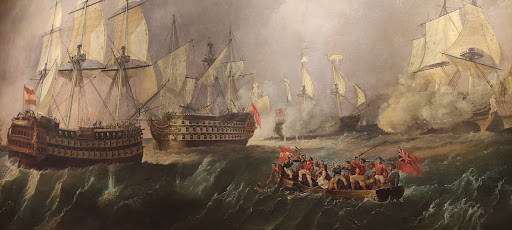
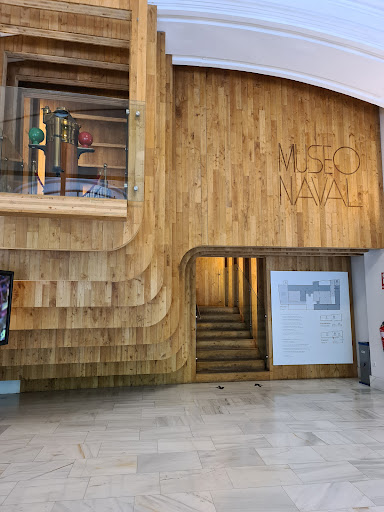
Naval Museum things to do, attractions, restaurants, events info and trip planning

Basic Info
Naval Museum
Entrada temporal por, Paseo del Prado, 3, C. de Montalbán, 2, 28014 Madrid, Spain
4.6(4.5K)
Closed
Save
spot
spot
Ratings & Description
Info
Cultural
Accessibility
attractions: Cibeles Fountain, CentroCentro, Prado Boulevard, Círculo de Bellas Artes, Palacio de Cibeles Viewpoint, Palacio de Cibeles, Apollo Fountain, Neptune Fountain, Museo Nacional del Prado, Puerta de Alcalá, restaurants: Azotea Cibeles, Em Sherif Madrid, Restaurante Vinoteca García de la Navarra, Raimunda, Cornamusa Cibeles, Bareto Alcalá, James Joyce Irish Pub Madrid, Restaurante Casa Suecia, Azotea del Círculo, Restaurante Alabaster, local businesses: Madrid City Hall, Cibeles de Cine, Bank of Spain, Gran Vía, Calle Gran Vía, Blondie Madrid, TORRONS VICENS PRADO, Nature Pilates, Cine Estudio del Circulo de Bellas Artes, Palacio Neptuno
 Learn more insights from Wanderboat AI.
Phone
+34 913 79 51 89
Website
armada.defensa.gob.es
Open hoursSee all hours
Sun10 AM - 7 PMClosed
Plan your stay

Pet-friendly Hotels in Madrid
Find a cozy hotel nearby and make it a full experience.

Affordable Hotels in Madrid
Find a cozy hotel nearby and make it a full experience.

The Coolest Hotels You Haven't Heard Of (Yet)
Find a cozy hotel nearby and make it a full experience.

Trending Stays Worth the Hype in Madrid
Find a cozy hotel nearby and make it a full experience.
Reviews
Live events

POP UP - Xulo x Blau Vintage @MALASAÑA
Sat, Feb 21 • 11:00 AM
3 Calle de San Andrés, 28004 Madrid
View details

Avatar: The Experience
Sun, Feb 22 • 10:30 AM
Paseo de las Delicias, 61, 28045
View details
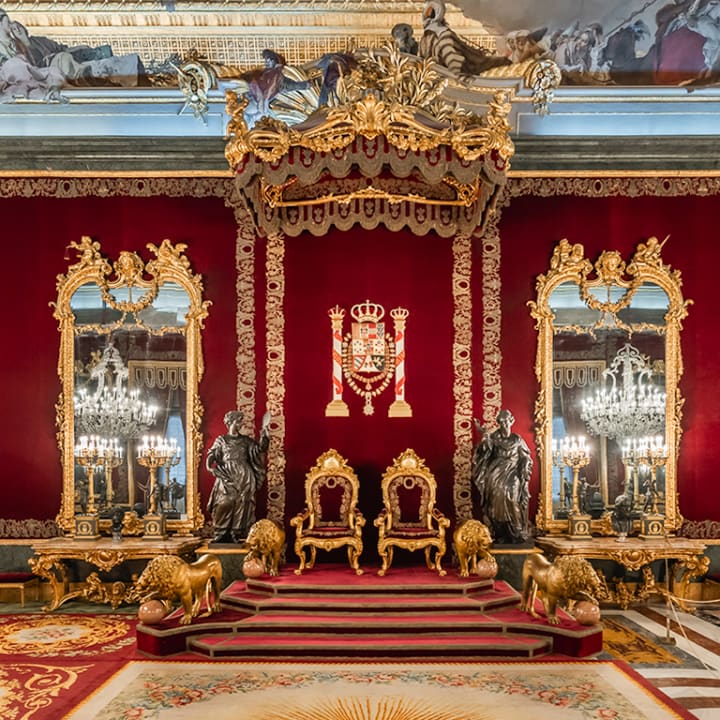
Palacio Real de Madrid
Sun, Feb 22 • 10:00 AM
Calle de Bailén, s , Madrid, 28071
View details
Nearby attractions of Naval Museum
Cibeles Fountain
CentroCentro
Prado Boulevard
Círculo de Bellas Artes
Palacio de Cibeles Viewpoint
Palacio de Cibeles
Apollo Fountain
Neptune Fountain
Museo Nacional del Prado
Puerta de Alcalá
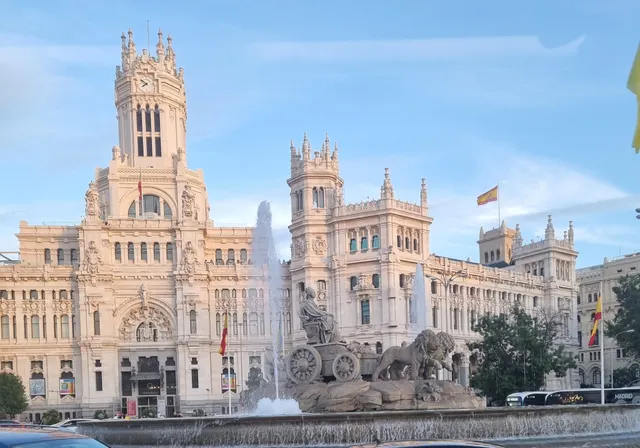
Cibeles Fountain
4.7
(20.1K)
Open until 12:00 AM
Click for details
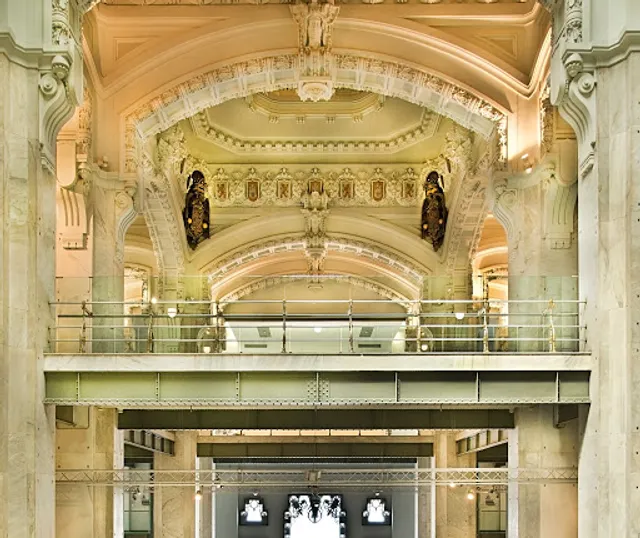
CentroCentro
4.5
(3.3K)
Closed
Click for details
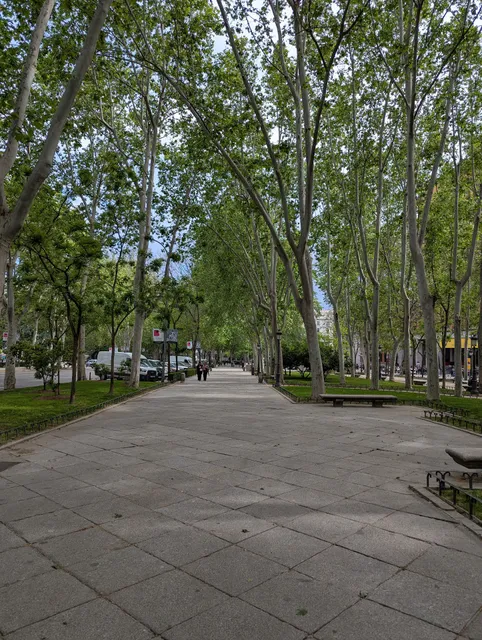
Prado Boulevard
4.6
(405)
Open until 12:00 AM
Click for details
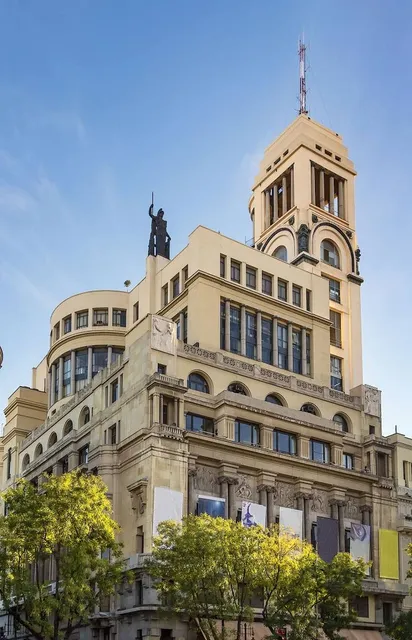
Círculo de Bellas Artes
4.4
(12.8K)
Closed
Click for details
Nearby restaurants of Naval Museum
Azotea Cibeles
Em Sherif Madrid
Restaurante Vinoteca García de la Navarra
Raimunda
Cornamusa Cibeles
Bareto Alcalá
James Joyce Irish Pub Madrid
Restaurante Casa Suecia
Azotea del Círculo
Restaurante Alabaster
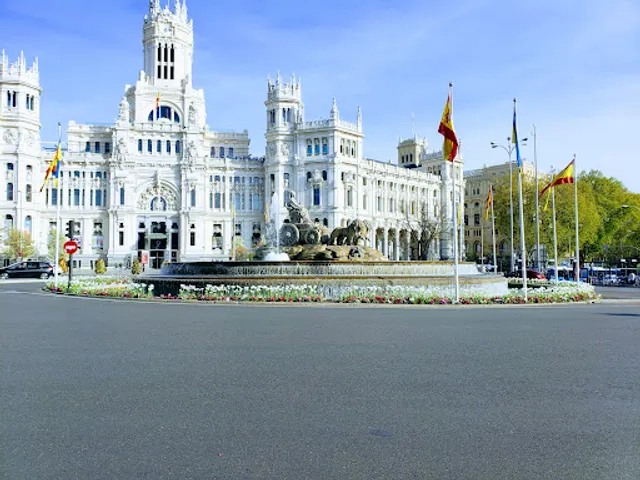
Azotea Cibeles
4.1
(3.7K)
$
Open until 1:30 AM
Click for details

Em Sherif Madrid
4.7
(86)
Closed
Click for details
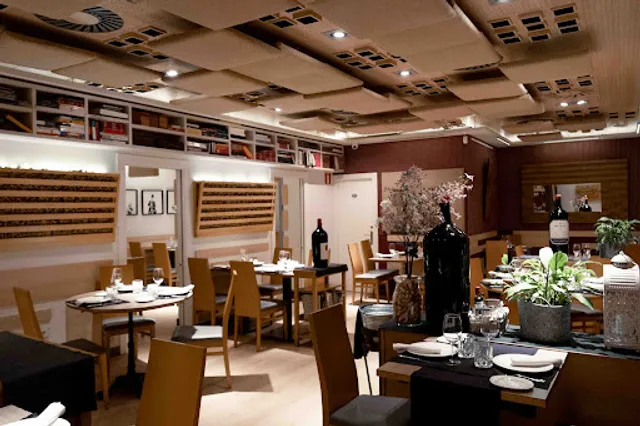
Restaurante Vinoteca García de la Navarra
4.6
(574)
$$
Open until 12:00 AM
Click for details
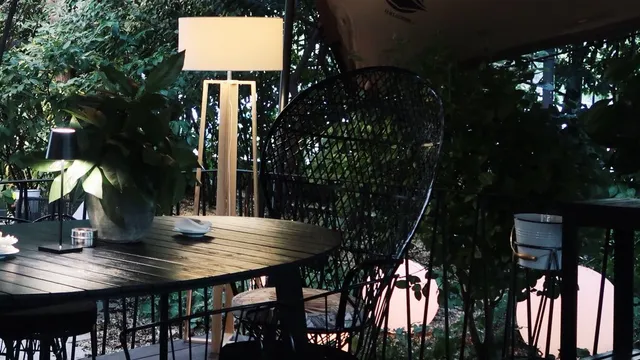
Raimunda
4.3
(2.6K)
Open until 1:30 AM
Click for details
Nearby local services of Naval Museum
Madrid City Hall
Cibeles de Cine
Bank of Spain
Gran Vía
Calle Gran Vía
Blondie Madrid
TORRONS VICENS PRADO
Nature Pilates
Cine Estudio del Circulo de Bellas Artes
Palacio Neptuno
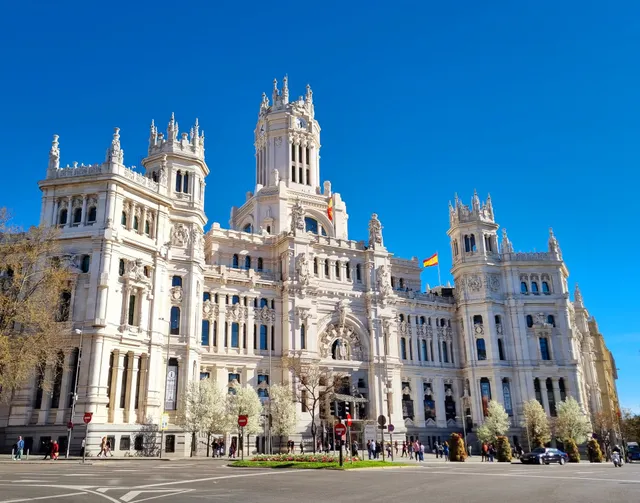
Madrid City Hall
3.7
(638)
Click for details
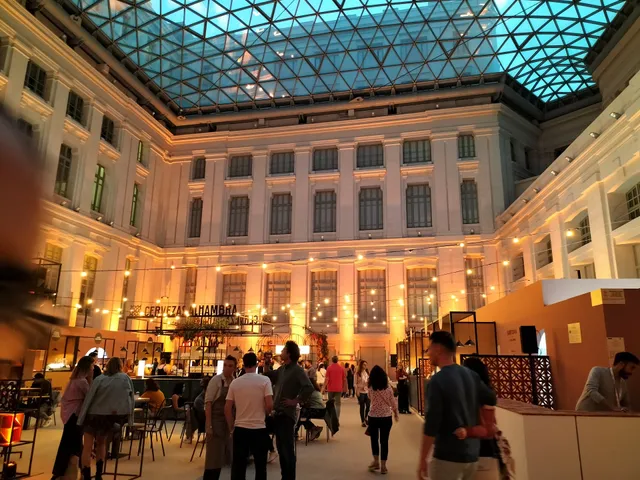
Cibeles de Cine
4.4
(234)
Click for details
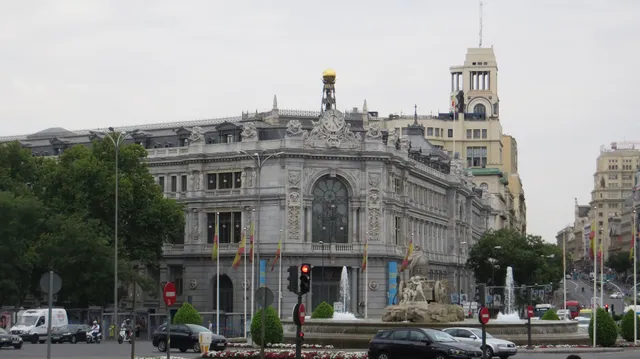
Bank of Spain
4.2
(418)
Click for details
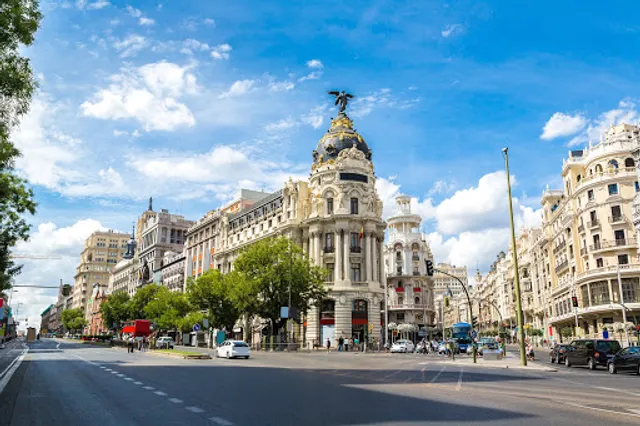
Gran Vía
4.8
(3.8K)
Click for details