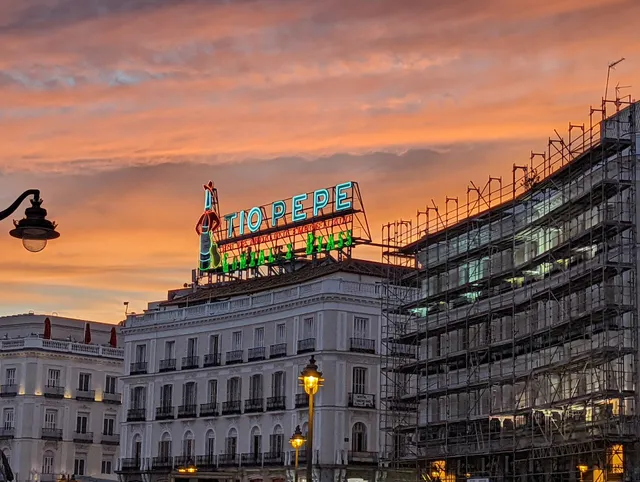
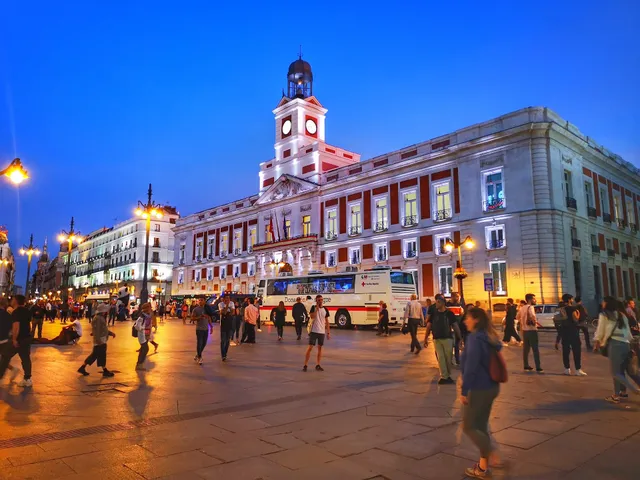
Once upon a time in the bustling city of Madrid, there was a beautiful square known as Puerta del Sol. Located in the heart of the city, it was the center of all the action, with its grand architecture, lively atmosphere, and rich history.
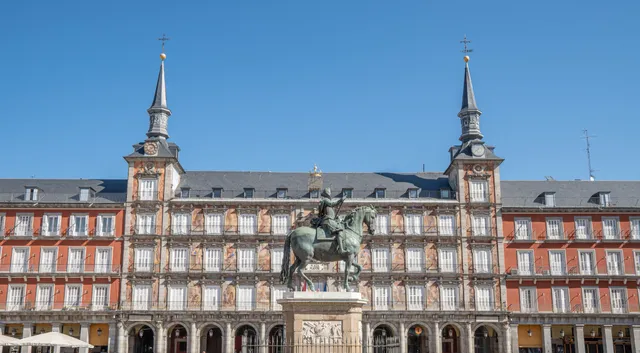
The square was surrounded by tall buildings, each one boasting its own unique style. On one side stood the imposing Royal Palace, while on the other side, the elegant Alcala Gate stood tall. In the center of the square, a grand statue of King Charles III on horseback served as a reminder of Spain's rich monarchy.
But the true heart of Puerta del Sol was the famous clock tower, known as the "Reloj de Sol," which translated to "Sun Clock." This clock tower was a symbol of Spain's past, present, and future, with its intricate design and golden sun dial that shone brightly even on the cloudiest of days.
As the sun set over the city, the square came alive with street performers, musicians, and artists, all adding to the vibrant atmosphere. Tourists and locals alike flocked to the square to witness the daily ritual of the "Doce Uvas," or "Twelve Grapes," where people would eat twelve grapes at midnight on New Year's Eve for good luck.
But the most memorable part of Puerta del Sol was the annual celebration of "San Isidro," the patron saint of Madrid. The square would be adorned with colorful decorations, and the streets would be filled with music, dancing, and traditional Spanish food.
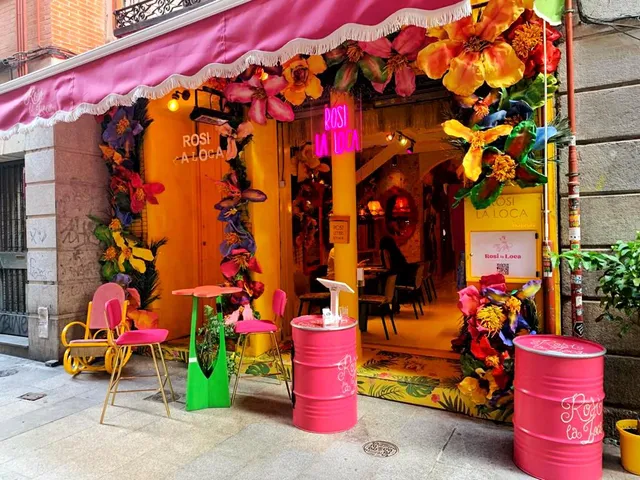
One year, a young girl named Maria visited Puerta del Sol for the first time during the San Isidro festival. She was captivated by the lively atmosphere and the warm hospitality of the locals. As she explored the square, she stumbled upon a small café tucked away in one of the corners.
The café owner, Pablo, welcomed her with a smile and treated her to a traditional Spanish meal. Over a plate of paella, he told her stories about the history of Puerta del Sol and the significance of the clock tower.
Maria was so taken by the beauty of the square and the kindness of the people that she decided to stay in Madrid and make it her home. She even opened a small souvenir shop in Puerta del Sol, where she would share the stories of the square with tourists from all over the world.
Years went by, and Maria became an integral part of the community, always spreading joy and warmth to everyone she met. And every time she looked up at the golden sun dial on the clock tower, she was reminded of the magical place that had captured her heart and soul – Puerta del Sol, the...
Read morePuerta del Sol in Madrid is an absolute gem! As one of the most famous and lively squares in the city, it truly embodies the spirit and energy of Madrid. I had the pleasure of visiting recently, and I was completely captivated by the vibrant atmosphere and rich history that surrounds this iconic landmark.
The first thing that struck me about Puerta del Sol was its sheer size and bustling activity. It's the heart of Madrid, and it never fails to impress. From locals going about their daily routines to tourists soaking in the lively ambiance, the square is always abuzz with life. The vibrant energy is contagious, and it's impossible not to get swept up in the excitement.
The historical significance of Puerta del Sol is also remarkable. Standing proudly at the center of the square is the famous clock tower, which marks the Kilometer Zero, the point from which all Spanish roads are measured. This symbolic landmark adds an extra layer of intrigue and makes Puerta del Sol a must-visit for history enthusiasts.
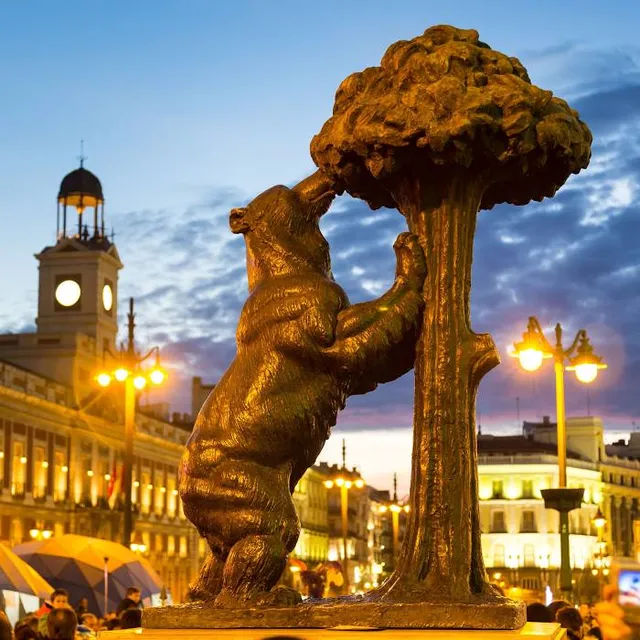
One of the highlights of my visit was witnessing the tradition of the New Year's Eve celebration at Puerta del Sol. The iconic clock tower, affectionately known as "El Oso y el Madroño," is the center of attention as people gather to welcome the new year. It's an exhilarating experience that showcases the unity and joy of the Madrileños.
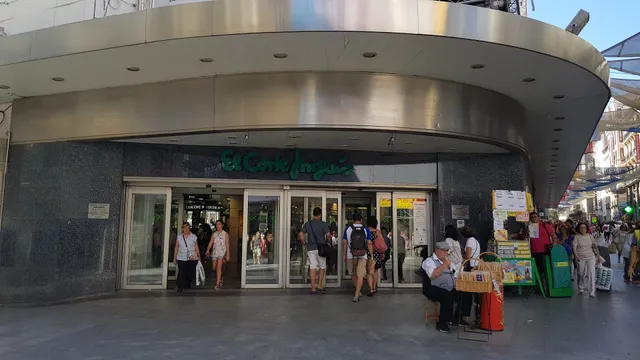
Aside from its historical significance, Puerta del Sol also offers excellent shopping opportunities. The surrounding streets are lined with an array of shops, boutiques, and souvenir stores, allowing visitors to indulge in retail therapy and take home a piece of Madrid with them.
The accessibility of Puerta del Sol is another advantage. The square serves as a major transportation hub, with several metro lines converging here. This makes it incredibly convenient for travelers to explore other parts of the city from this central location.
Overall, Puerta del Sol is an absolute must-visit when in Madrid. Its vibrant atmosphere, rich history, and strategic location make it the perfect starting point to explore the city. Whether you're a history enthusiast, a shopaholic, or simply looking to soak in the energy of Madrid, Puerta del Sol will...
Read morePuerta del Sol is the center of Madrid. It is one of the most touristic spots in the city, since most of the tourist attractions are located around the semicircular square. On its eastern side is also one of the most emblematic symbols of the city: the statue of the bear and the strawberry tree (El Oso y el Madroño) It is only a three-minute walk from the Plaza Mayor and there is ""kilometer zero"", where the measurement of distances on Spanish roads begins. Puerta del Sol takes its name from the sun emblem on the old city gate, which used to be here. Puerta del Sol was the scene of many historical events, including the Spanish resistance to Napoleon on May 2, 1808, and in 1931 the Second Republic was proclaimed. In the square there is the famous clock on top of the Casa de Correos, whose bells mark the traditional consumption of the twelve grapes and the beginning of the new year. There is also a tradition during the ritual that with each strike of the clock you should eat a grape for good luck (12 in total). Opposite the square, at the beginning of Calle Alcalá, Madrid's longest street, you will find the famous Oso y Madroño. The official symbol of the city, the statue of a bear eating a strawberry is a popular meeting point. On the other side of the square, at the beginning of the pedestrian Calle del Arenal that leads to the Teatro Real Opera House, there is a replica of the La Mariblanca statue. The original, which dates back to the 17th century and once adorned a fountain in this very spot, is now kept in the Casa de la Villa. The third and largest statue of Puerta del Sol is located in the center of the square and depicts King Charles III of Spain on horseback. During his reign, the monarch introduced so many progressive reforms and gave the city such a makeover that he earned the nickname the best mayor of Madrid. From the Puerta del Sol square begins the Calle del Arenal pedestrian street that connects it to the Plaza de Isabel II (Ópera) and has many shops. From the square begins the Calle de Preciados pedestrian street with its countless shops that offers...
Read more