Catedral de la Almudena things to do, attractions, restaurants, events info and trip planning
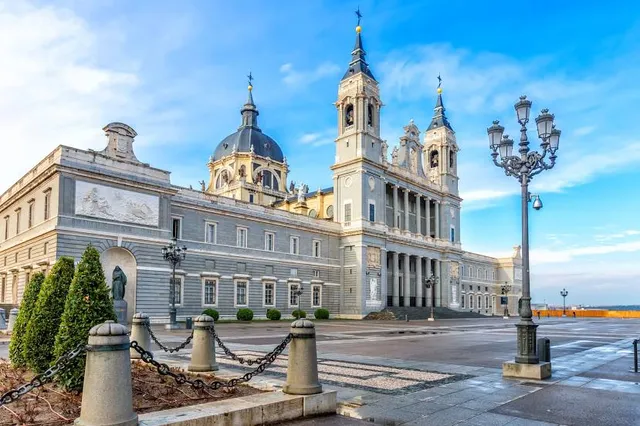
Basic Info
Catedral de la Almudena
C. de Bailén, 10, Centro, 28013 Madrid, Spain
4.6(10.9K)
Open until 8:30 PM
Save
spot
spot
Ratings & Description
Info
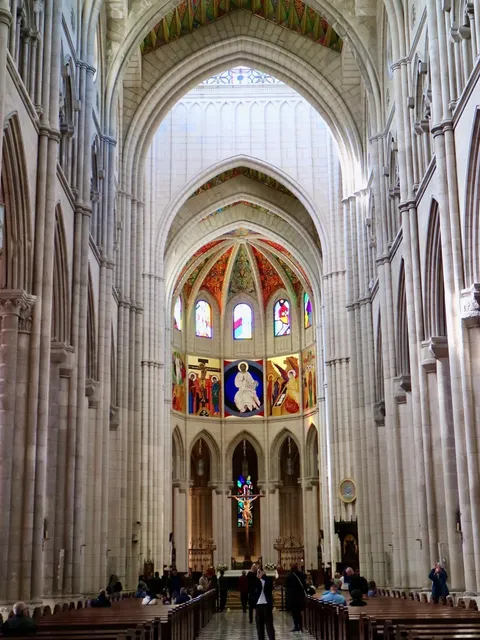
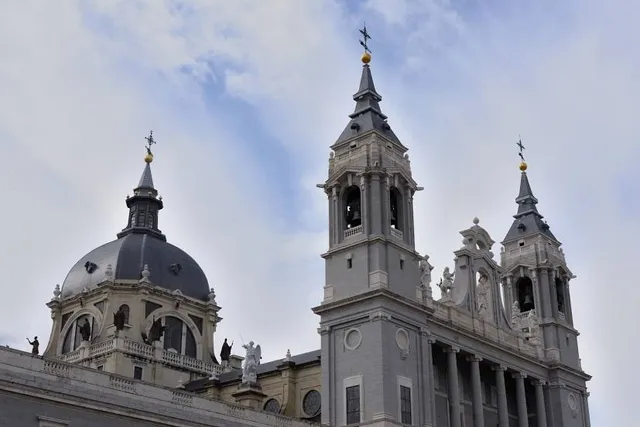
Almudena Cathedral is a Catholic church in Madrid, Spain. It is the seat of the Roman Catholic Archdiocese of Madrid. The cathedral was consecrated by Pope John Paul II in 1993.
Cultural
Accessibility
attractions: Galería de las Colecciones Reales, St Mary Royal of the Almudena, Arab Walls, Royal Palace’s Ledge Viewpoint, Museum of the Almudena Cathedral, Parque del Emir Mohamed I, Royal Armoury of Madrid, Plaza de la Armería, Cathedral Church of the Armed Forces, Viaducto de Segovia, restaurants: Singular de Mayor 88, Mercado de San Miguel, La Mayor Cervecería (Madrid), Restaurante Dadam, El Alamillo - Fonda Mexicana, Los Arrieros, Choose Restaurante Vegano, Café de Oriente Palacio Real, Maison Glacée, Dans le Noir ? Madrid - Cena a oscuras, local businesses: Archbishop of Madrid, Palacio Real, Taquilla Palacio Real, Las Carboneras tablao flamenco, La Cueva De Lola, Casa de La Villa. City of Madrid, Domi, Capilla Real de Madrid, Madrid Tapas Trip - Food & Wine Guided Tours (Madrid), Mercado de la Cebada
 Learn more insights from Wanderboat AI.
Phone
+34 915 42 22 00
Website
catedraldelaalmudena.es
Open hoursSee all hours
Sat10 AM - 8:30 PMOpen
Plan your stay

Pet-friendly Hotels in Madrid
Find a cozy hotel nearby and make it a full experience.

Affordable Hotels in Madrid
Find a cozy hotel nearby and make it a full experience.

The Coolest Hotels You Haven't Heard Of (Yet)
Find a cozy hotel nearby and make it a full experience.

Trending Stays Worth the Hype in Madrid
Find a cozy hotel nearby and make it a full experience.
Reviews
Live events

POP UP - Xulo x Blau Vintage @MALASAÑA
Sat, Feb 21 • 11:00 AM
3 Calle de San Andrés, 28004 Madrid
View details

Avatar: The Experience
Sat, Feb 21 • 2:00 PM
Paseo de las Delicias, 61, 28045
View details
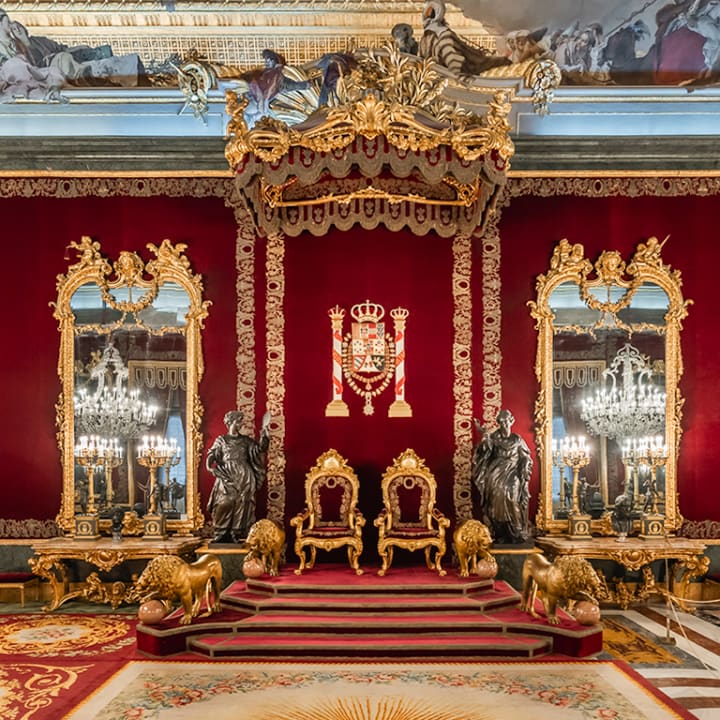
Palacio Real de Madrid
Sat, Feb 21 • 1:30 PM
Calle de Bailén, s , Madrid, 28071
View details
Nearby attractions of Catedral de la Almudena
Galería de las Colecciones Reales
St Mary Royal of the Almudena
Arab Walls
Royal Palace’s Ledge Viewpoint
Museum of the Almudena Cathedral
Parque del Emir Mohamed I
Royal Armoury of Madrid
Plaza de la Armería
Cathedral Church of the Armed Forces
Viaducto de Segovia
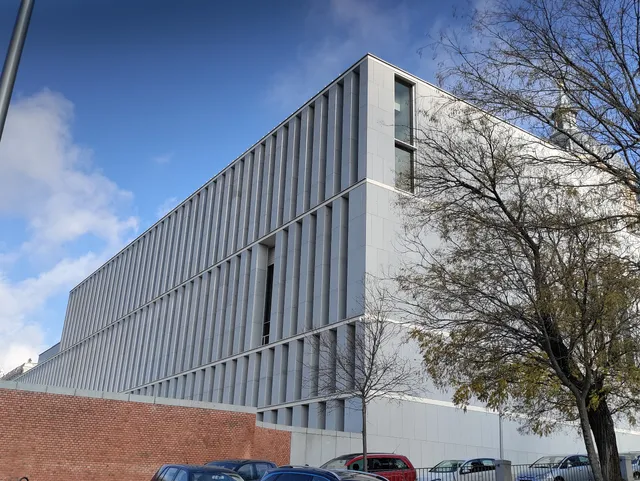
Galería de las Colecciones Reales
4.6
(2.3K)
Open until 8:00 PM
Click for details
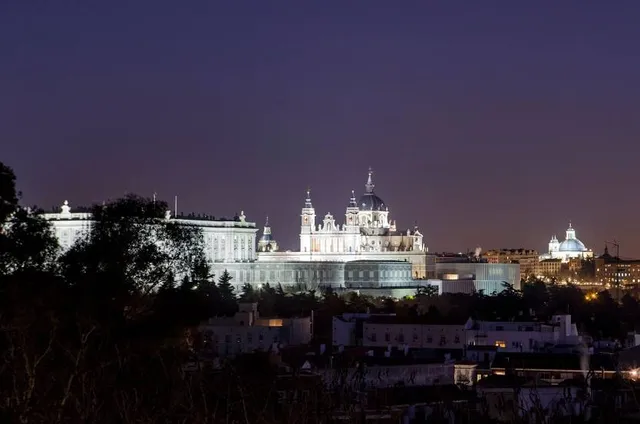
St Mary Royal of the Almudena
4.6
(770)
Open 24 hours
Click for details
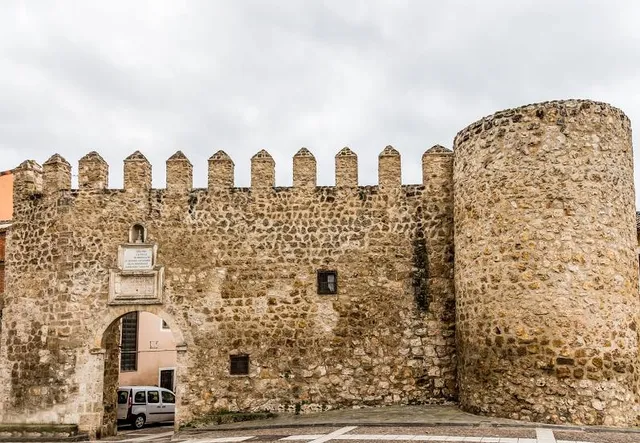
Arab Walls
4.3
(460)
Open until 9:00 PM
Click for details
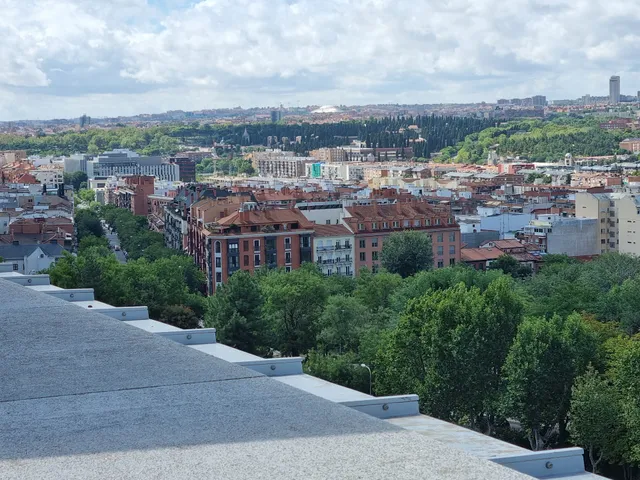
Royal Palace’s Ledge Viewpoint
4.6
(272)
Open until 10:00 PM
Click for details
Nearby restaurants of Catedral de la Almudena
Singular de Mayor 88
Mercado de San Miguel
La Mayor Cervecería (Madrid)
Restaurante Dadam
El Alamillo - Fonda Mexicana
Los Arrieros
Choose Restaurante Vegano
Café de Oriente Palacio Real
Maison Glacée
Dans le Noir ? Madrid - Cena a oscuras
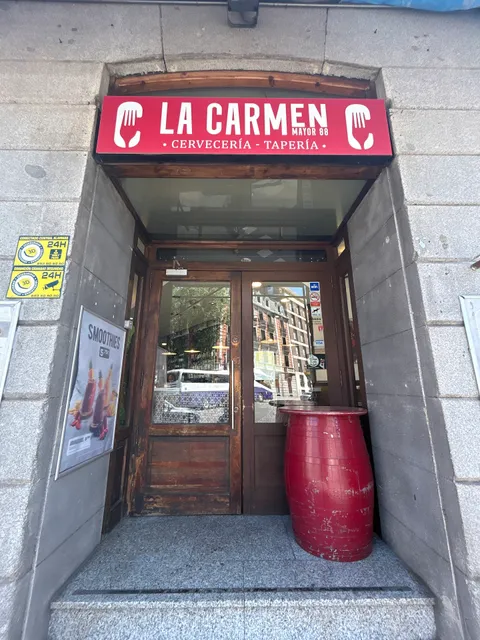
Singular de Mayor 88
4.1
(720)
Open until 10:00 PM
Click for details
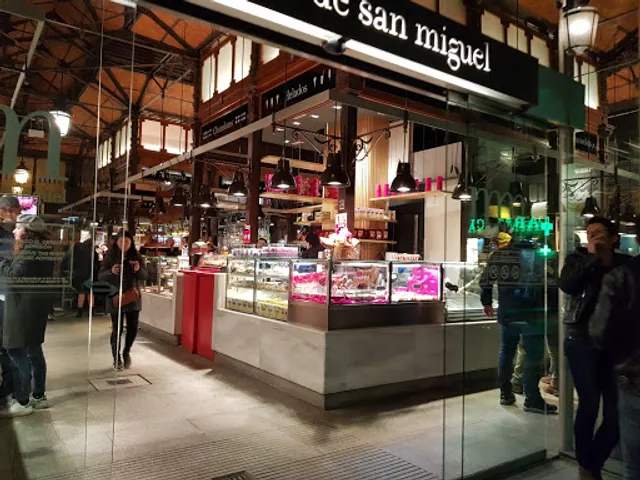
Mercado de San Miguel
4.4
(52.1K)
Click for details
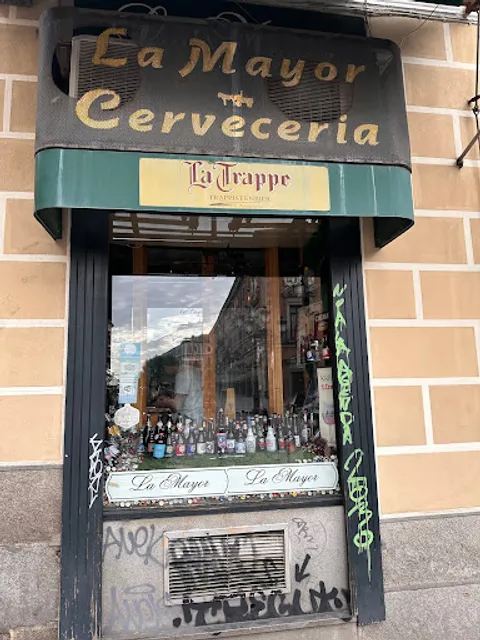
La Mayor Cervecería (Madrid)
4.6
(883)
Open until 1:00 AM
Click for details
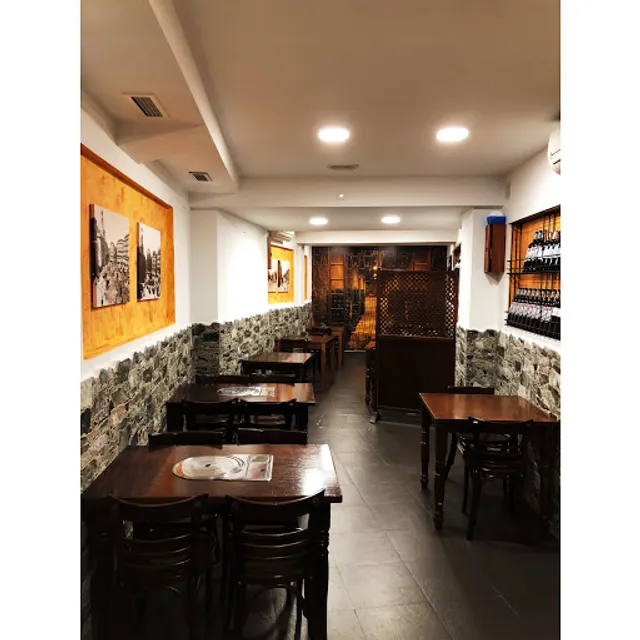
Restaurante Dadam
4.6
(491)
$
Open until 4:00 PM
Click for details
Nearby local services of Catedral de la Almudena
Archbishop of Madrid
Palacio Real
Taquilla Palacio Real
Las Carboneras tablao flamenco
La Cueva De Lola
Casa de La Villa. City of Madrid
Domi
Capilla Real de Madrid
Madrid Tapas Trip - Food & Wine Guided Tours (Madrid)
Mercado de la Cebada
Archbishop of Madrid
4.3
(131)
Click for details
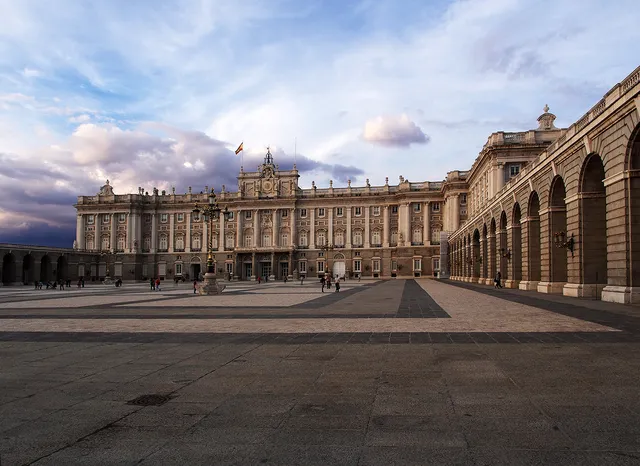
Palacio Real
4.7
(84)
Click for details
Taquilla Palacio Real
4.3
(32)
Click for details

Las Carboneras tablao flamenco
4.8
(1.4K)
Click for details