Plaza de Toros things to do, attractions, restaurants, events info and trip planning
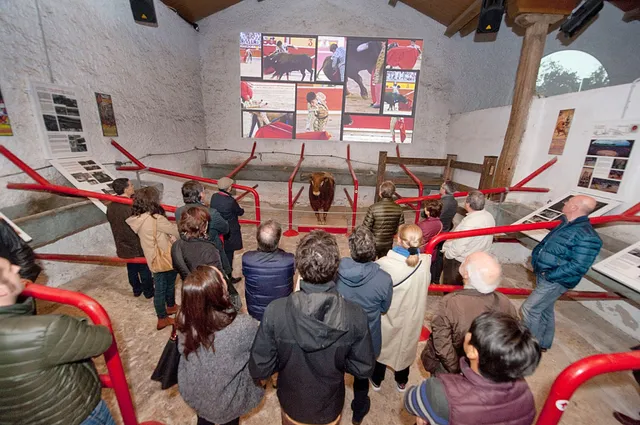
Basic Info
Plaza de Toros
P.º Hemingway, s/n, 31002 Pamplona, Navarra, Spain
4.3(4.9K)
Open until 12:00 AM

tickets
Save
spot
spot
Ratings & Description
Info
Cultural
Entertainment
attractions: Encierro/Entzierroa Monument, Teatro Gayarre, Escuela Navarra de Teatro, Pamplona, FreeTour en Pamplona TRIPNAVARRA TOURS, Monument to the Fueros, Centro de Interpretación de las Fortificaciones de Pamplona, Catedral Metropolitana de Santa María la Real de Pamplona, Casco Antiguo de Pamplona, Casco Viejo de Pamplona, restaurants: Cafe Bar Gaucho, Txirrintxa, La Olla, Restaurante Asador El Burladero, Bar Casa Jesús Mari, La Botería, Café Con Sal, La Mar Salada, Café Niza, KAYAK, local businesses: Pamplona Bullring, Av. Roncesvalles, 2, Plaza del Castillo, Kato's Disco, Zara Home, Cavas Disco, Kave Home Pamplona, Pl. del Castillo, 16, Carrefour Market, Camera
 Learn more insights from Wanderboat AI.
Phone
+34 948 22 53 89
Website
visitalaplaza.es
Open hoursSee all hours
Tue10:30 AM - 3:30 PMOpen
Plan your stay

Pet-friendly Hotels in Pamplona
Find a cozy hotel nearby and make it a full experience.

Affordable Hotels in Pamplona
Find a cozy hotel nearby and make it a full experience.

The Coolest Hotels You Haven't Heard Of (Yet)
Find a cozy hotel nearby and make it a full experience.

Trending Stays Worth the Hype in Pamplona
Find a cozy hotel nearby and make it a full experience.
Reviews
Live events

Candlelight: Especial de San Valentín
Sat, Feb 14 • 7:00 PM
Calle Taconera, 1, Pamplona, 31001
View details
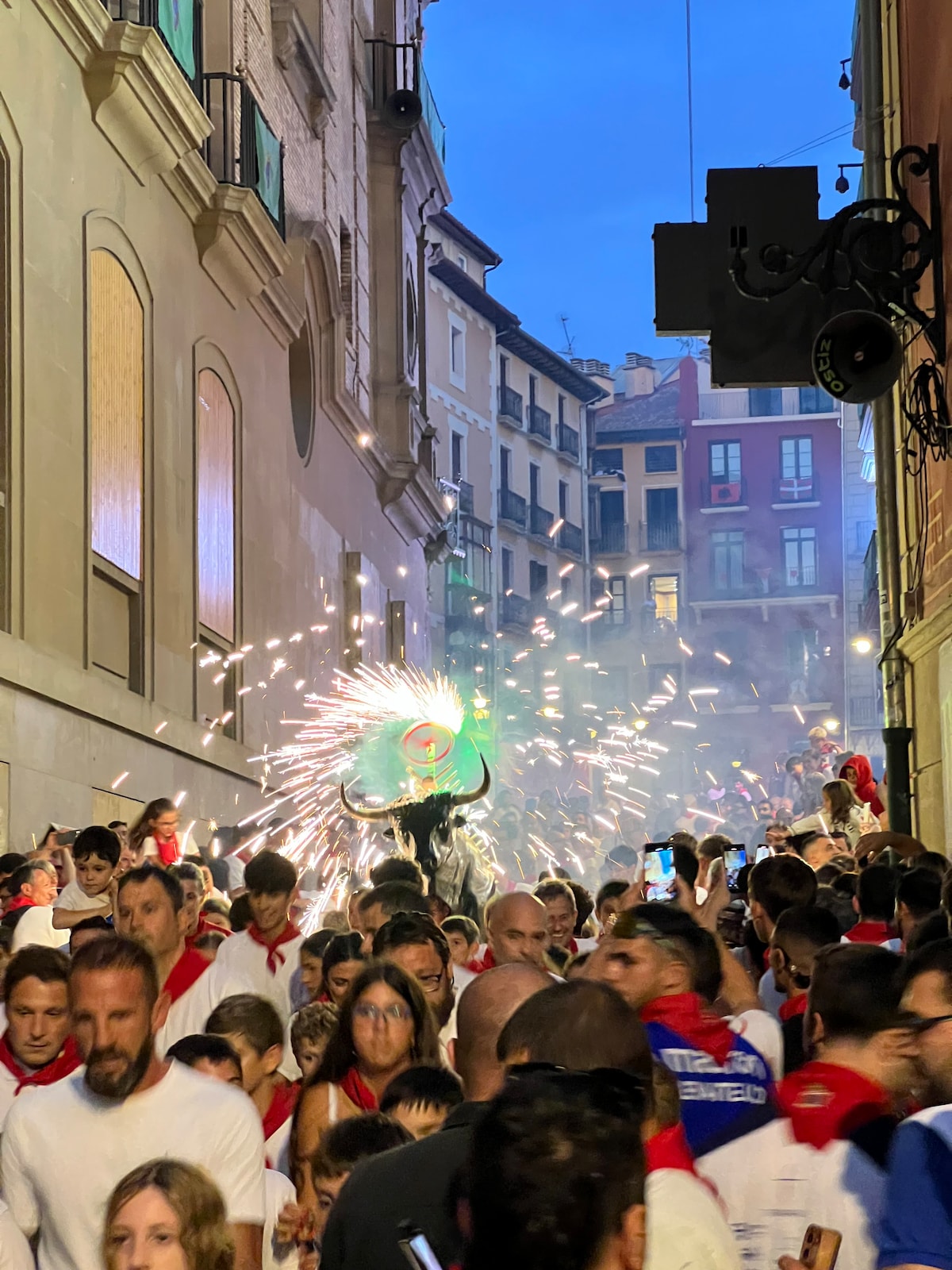
Bar-hopping Tour of Pamplona
Tue, Feb 10 • 6:00 PM
31001, Pamplona, Navarre, Spain
View details
Nearby attractions of Plaza de Toros
Encierro/Entzierroa Monument
Teatro Gayarre
Escuela Navarra de Teatro
Pamplona
FreeTour en Pamplona TRIPNAVARRA TOURS
Monument to the Fueros
Centro de Interpretación de las Fortificaciones de Pamplona
Catedral Metropolitana de Santa María la Real de Pamplona
Casco Antiguo de Pamplona
Casco Viejo de Pamplona
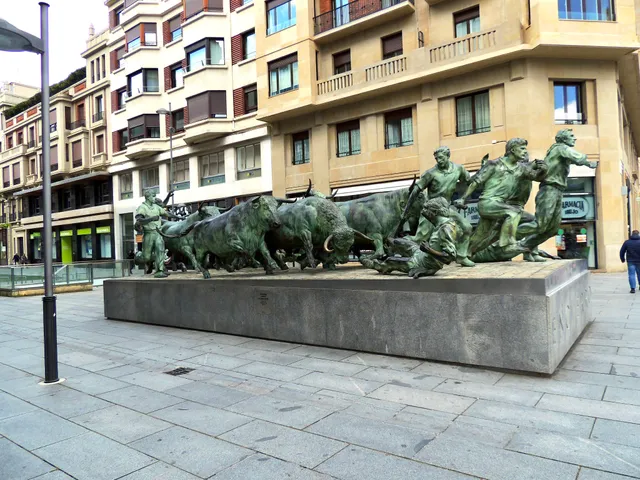
Encierro/Entzierroa Monument
4.5
(3K)
Open until 12:00 AM
Click for details
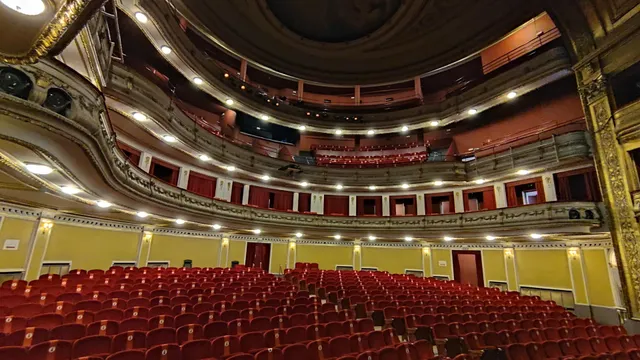
Teatro Gayarre
4.5
(886)
Open 24 hours
Click for details
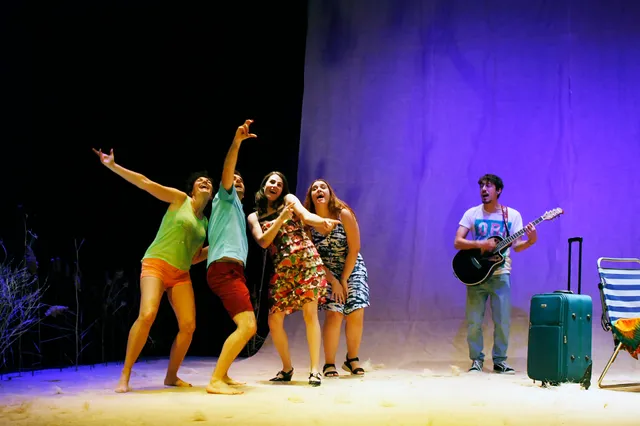
Escuela Navarra de Teatro
4.6
(213)
Open 24 hours
Click for details
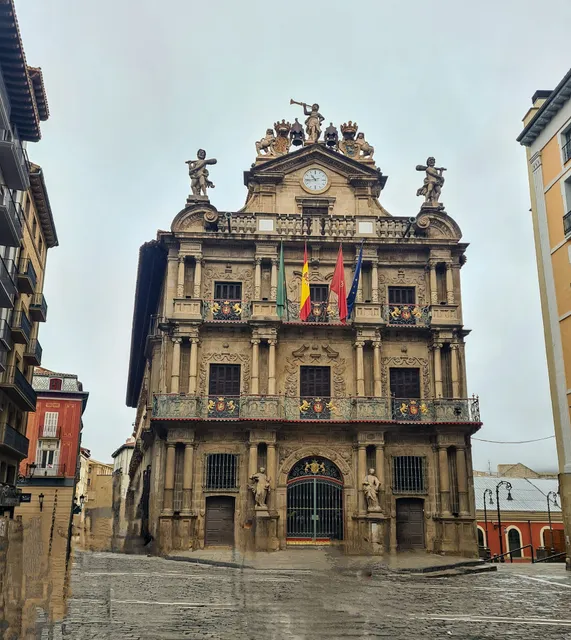
Pamplona
4.7
(128)
Open 24 hours
Click for details
Nearby restaurants of Plaza de Toros
Cafe Bar Gaucho
Txirrintxa
La Olla
Restaurante Asador El Burladero
Bar Casa Jesús Mari
La Botería
Café Con Sal
La Mar Salada
Café Niza
KAYAK
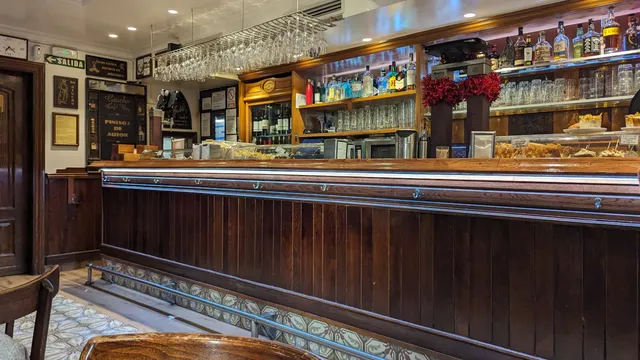
Cafe Bar Gaucho
4.6
(3.8K)
Open until 12:00 AM
Click for details
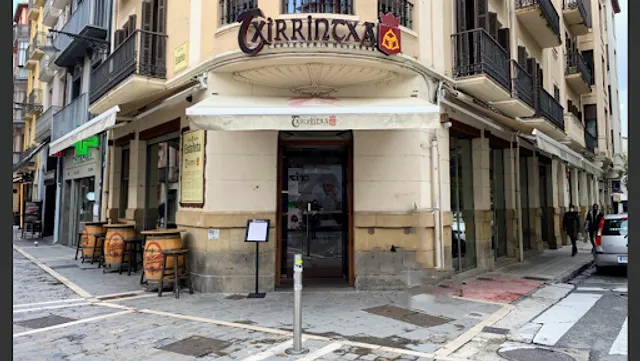
Txirrintxa
4.1
(1.6K)
Open until 11:00 PM
Click for details
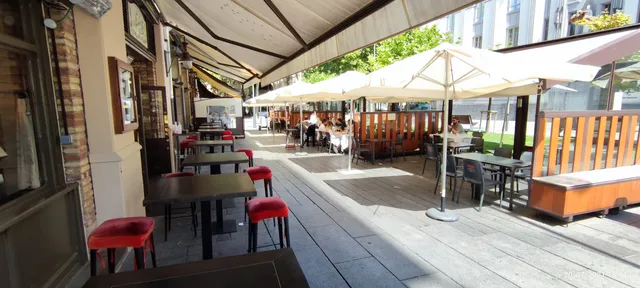
La Olla
4.5
(1.4K)
$$
Open until 1:00 AM
Click for details
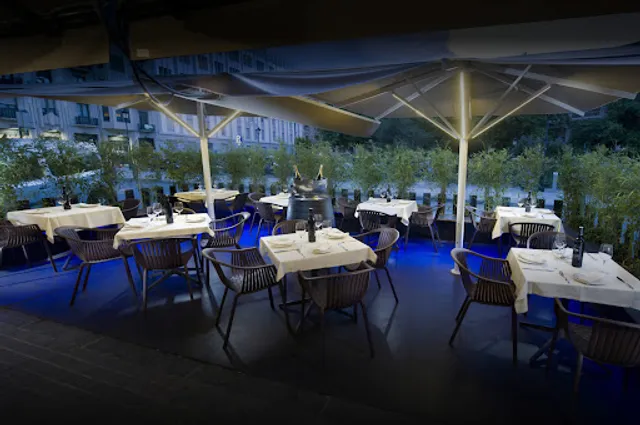
Restaurante Asador El Burladero
4.2
(758)
$$
Closed
Click for details
Nearby local services of Plaza de Toros
Pamplona Bullring
Av. Roncesvalles, 2
Plaza del Castillo
Kato's Disco
Zara Home
Cavas Disco
Kave Home Pamplona
Pl. del Castillo, 16
Carrefour Market
Camera
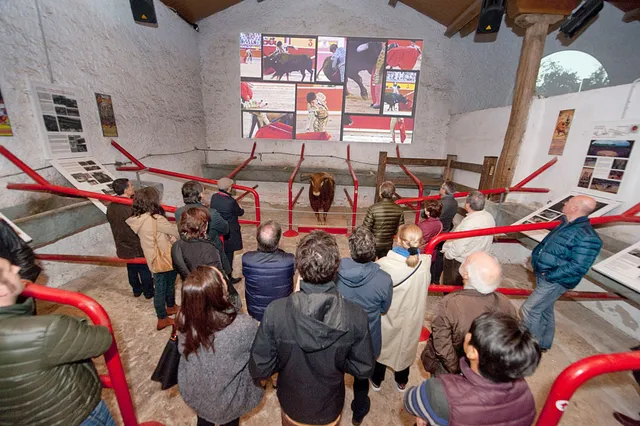
Pamplona Bullring
4.3
(4.4K)
Click for details
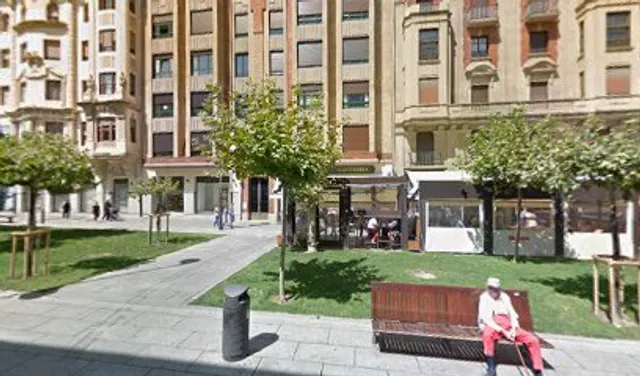
Av. Roncesvalles, 2
4.5
(1.4K)
Click for details
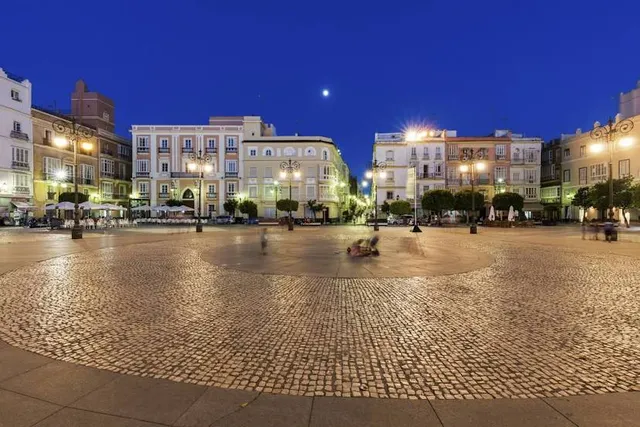
Plaza del Castillo
4.6
(3.8K)
Click for details
Kato's Disco
3.6
(196)
Click for details





