HTML SitemapExplore

Catedral Metropolitana de Santa María la Real de Pamplona — Attraction in Pamplona

Name
Catedral Metropolitana de Santa María la Real de Pamplona
Description
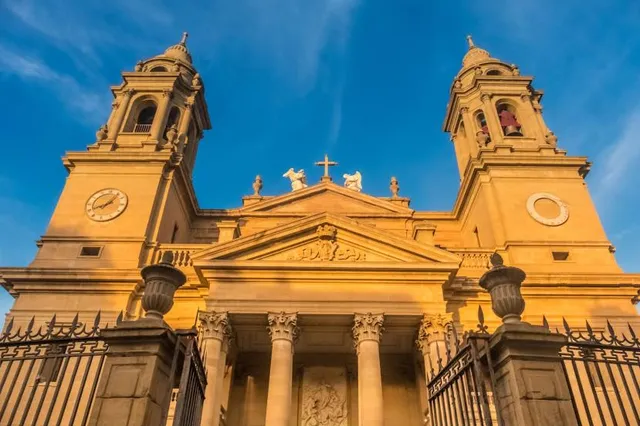
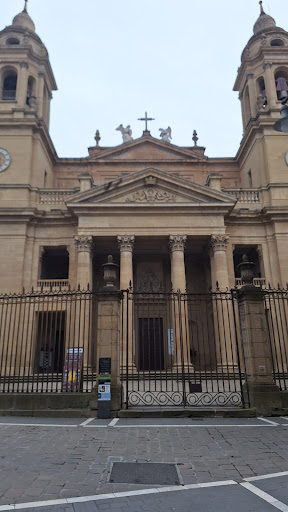
Pamplona Cathedral is a Roman Catholic church in the archdiocese of Pamplona, Spain. The current 15th century Gothic church replaced an older Romanesque one. Archaeological excavations have revealed the existence of another two earlier churches. The Neoclassical façade was designed by Ventura Rodríguez in 1783.
Nearby attractions
Pamplona Cathedral Occidens
C. Curia, s/n, 31001 Pamplona, Navarra, Spain
Portal of Zumalacarregui
P.º del Redín, 31001 Pamplona, Navarra, Spain
Fuente de la Navarrería
C. Navarrería, 10, 31001 Pamplona, Navarra, Spain
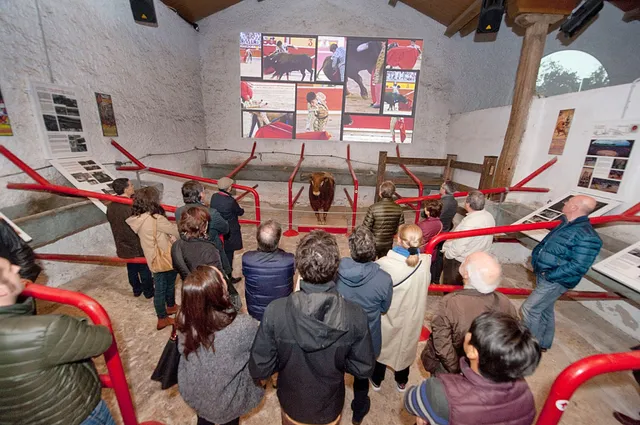
Plaza de Toros
P.º Hemingway, s/n, 31002 Pamplona, Navarra, Spain
Rincón del Caballo Blanco
P.º del Redín, 31001 Pamplona, Navarra, Spain
Escuela Navarra de Teatro
C. de San Agustín, 3, 31001 Pamplona, Navarra, Spain
Bastion
31001 Pamplona, Navarre, Spain
Iruña/Pamplona Tourism Office
C. San Saturnino, 2, 31001 Pamplona, Navarra, Spain
Murallas de Pamplona
31001 Pamplona, Navarre, Spain
Royal and General Archive of Navarra
C. Dos de Mayo, s/n, 31001 Pamplona, Navarra, Spain
Nearby restaurants
Zaldi Zuria
C. Redín, s/n, 31001 Pamplona, Navarra, Spain
Mesón de la Tortilla
C. Navarrería, 12, 31001 Pamplona, Navarra, Spain
Iruñazarra
C. Mercaderes, 15, 31001 Pamplona, Navarra, Spain
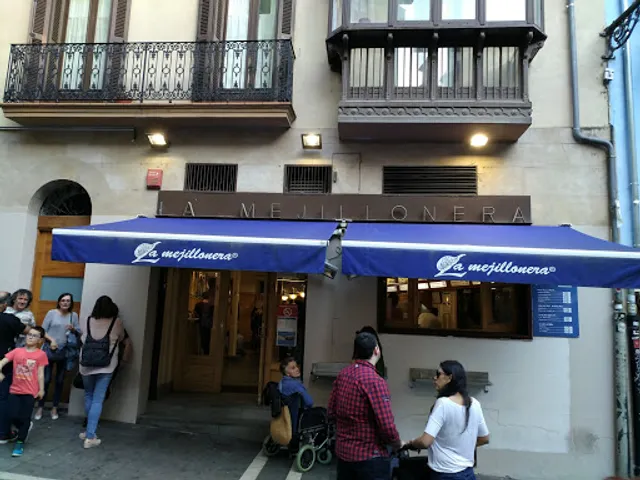
La Mejillonera
C. Navarrería, 12, 31001 Pamplona, Navarra, Spain
Mesón de la Nabarreria
C. Navarrería, 15, 31001 Pamplona, Navarra, Spain
Herriko Taberna
C/ del Carmen, 34, 31001 Pamplona, Navarra, Spain
Bistrot Catedral
C. Navarrería, 20, 31001 Pamplona, Navarra, Spain
Compañía Café - Cafetería de Especialidad
C. de la Compañía, 1, 31001 Pamplona, Navarra, Spain
Amatxo
C. Navarrería, 20, 31001 Pamplona, Navarra, Spain
Los Burgos de Iruña
C. Navarrería, 14, 31001 Pamplona, Navarra, Spain
Nearby local services
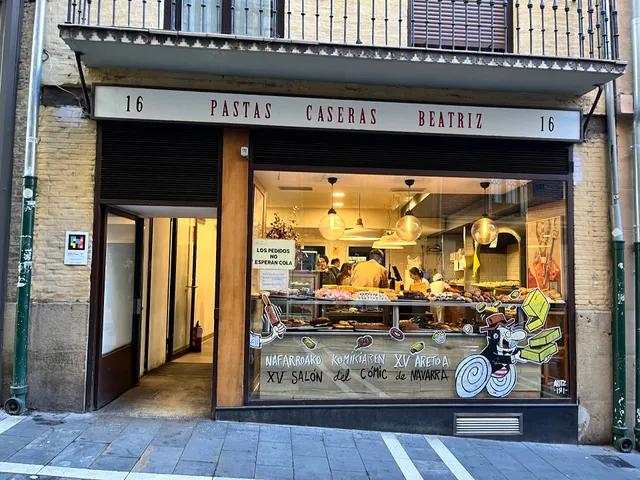
Beatriz Cake Shop
C. Curia, 16, 31001 Pamplona, Navarra, Spain
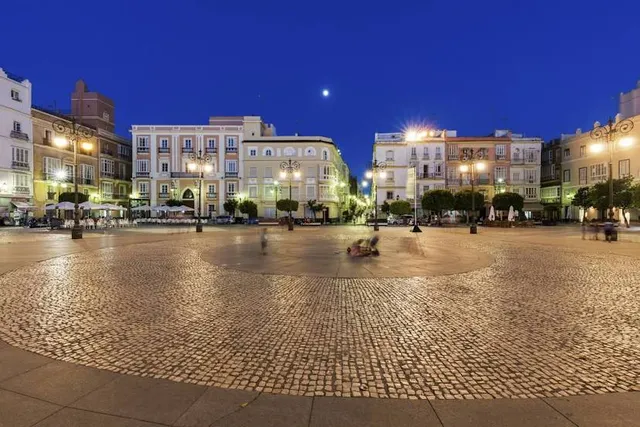
Plaza del Castillo
31001 Pamplona, Navarre, Spain
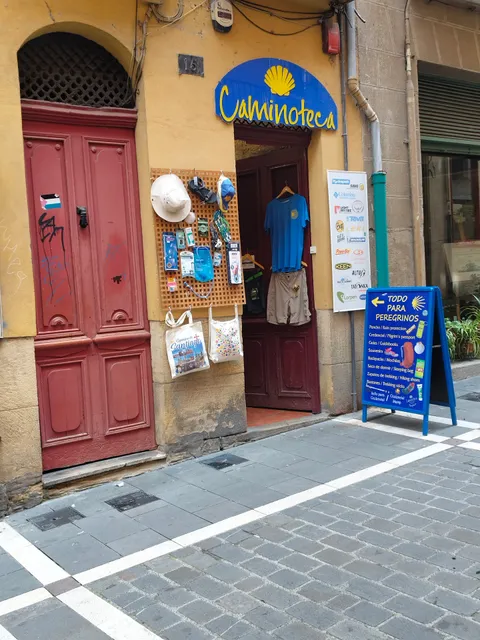
Caminoteca
C. Curia, 15, 31001 Pamplona, Navarra, Spain
Ayuntamiento de Pamplona
Pl. Consistorial, s/n, 31001 Pamplona, Navarra, Spain
Pamplona Bullring
P.º Hemingway, s/n, 31002 Pamplona, Navarra, Spain
Caramelo Vintage
C. Dormitalería, 54, 31001 Pamplona, Navarra, Spain
Churreria The Mañueta
C. Mañueta, 8, 31001 Pamplona, Navarra, Spain
La Casa de las Carcasas
C. de la Chapitela, 21, 31001 Pamplona, Navarra, Spain
Santo Domingo market
C. Mercado, 79, 31001 Pamplona, Navarra, Spain
C. Calceteros, 4
C. Calceteros, 4, 31001 Pamplona, Navarra, Spain
Nearby hotels
Albergue Jesus y Maria
C. de la Compañía, 4, 31001 Pamplona, Navarra, Spain
Hostel Plaza Catedral
C. Navarrería, 35, 31001 Pamplona, Navarra, Spain
Pamplona Catedral Hotel
C. Dos de Mayo, 4, 31001 Pamplona, Navarra, Spain
Antique Pamplona Tres Reyes Apartments
C. Dormitalería, 18, 31001 Pamplona, Navarra, Spain
Pamplona hostel
C/ del Carmen, 18, 31001 Pamplona, Navarra, Spain
Hostel Casa Ibarrola
C/ del Carmen, 31, 31001 Pamplona, Navarra, Spain
Hotel La Perla
Pl. del Castillo, 1, 31001 Pamplona, Navarra, Spain
Hotel Europa Pamplona
C. Espoz y Mina, 11, 31002 Pamplona, Navarra, Spain
Hotel Pompaelo Urban Spa ****
Pl. Consistorial, 3, 31001 Pamplona, Navarra, Spain
Hostal Arriazu - Pamplona
C. Comedias, 14, 31001 Pamplona, Navarra, Spain
Related posts
Keywords
Catedral Metropolitana de Santa María la Real de Pamplona tourism.Catedral Metropolitana de Santa María la Real de Pamplona hotels.Catedral Metropolitana de Santa María la Real de Pamplona bed and breakfast. flights to Catedral Metropolitana de Santa María la Real de Pamplona.Catedral Metropolitana de Santa María la Real de Pamplona attractions.Catedral Metropolitana de Santa María la Real de Pamplona restaurants.Catedral Metropolitana de Santa María la Real de Pamplona local services.Catedral Metropolitana de Santa María la Real de Pamplona travel.Catedral Metropolitana de Santa María la Real de Pamplona travel guide.Catedral Metropolitana de Santa María la Real de Pamplona travel blog.Catedral Metropolitana de Santa María la Real de Pamplona pictures.Catedral Metropolitana de Santa María la Real de Pamplona photos.Catedral Metropolitana de Santa María la Real de Pamplona travel tips.Catedral Metropolitana de Santa María la Real de Pamplona maps.Catedral Metropolitana de Santa María la Real de Pamplona things to do.
Catedral Metropolitana de Santa María la Real de Pamplona things to do, attractions, restaurants, events info and trip planning
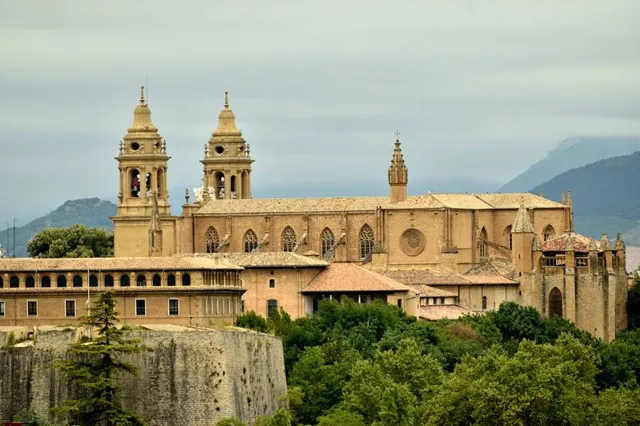
Catedral Metropolitana de Santa María la Real de Pamplona
SpainNavarrePamplonaCatedral Metropolitana de Santa María la Real de Pamplona

Basic Info

Catedral Metropolitana de Santa María la Real de Pamplona

C. Dormitalería, 1, 31001 Pamplona, Navarra, Spain
4.5(3K)
Closed
ticket
Get
tickets
Save
spot

Ratings & Description

Info

Pamplona Cathedral is a Roman Catholic church in the archdiocese of Pamplona, Spain. The current 15th century Gothic church replaced an older Romanesque one. Archaeological excavations have revealed the existence of another two earlier churches. The Neoclassical façade was designed by Ventura Rodríguez in 1783.

Cultural
Accessibility
attractions: Pamplona Cathedral Occidens, Portal of Zumalacarregui, Fuente de la Navarrería, Plaza de Toros, Rincón del Caballo Blanco, Escuela Navarra de Teatro, Bastion, Iruña/Pamplona Tourism Office, Murallas de Pamplona, Royal and General Archive of Navarra, restaurants: Zaldi Zuria, Mesón de la Tortilla, Iruñazarra, La Mejillonera, Mesón de la Nabarreria, Herriko Taberna, Bistrot Catedral, Compañía Café - Cafetería de Especialidad, Amatxo, Los Burgos de Iruña, local businesses: Beatriz Cake Shop, Plaza del Castillo, Caminoteca, Ayuntamiento de Pamplona, Pamplona Bullring, Caramelo Vintage, Churreria The Mañueta, La Casa de las Carcasas, Santo Domingo market, C. Calceteros, 4

logoLearn more insights from Wanderboat AI.
Phone
+34 948 22 56 79
Website
catedraldepamplona.com
Open hoursSee all hours
Tue10:30 AM - 4 PMClosed

Plan your stay

hotel
Pet-friendly Hotels in Pamplona
Find a cozy hotel nearby and make it a full experience.
hotel
Affordable Hotels in Pamplona
Find a cozy hotel nearby and make it a full experience.
hotel
The Coolest Hotels You Haven't Heard Of (Yet)
Find a cozy hotel nearby and make it a full experience.
hotel
Trending Stays Worth the Hype in Pamplona
Find a cozy hotel nearby and make it a full experience.

Reviews

Live events

Candlelight: Especial de San Valentín
Sat, Feb 14 • 7:00 PM
Calle Taconera, 1, Pamplona, 31001
View details
Pamplona: A Walk Through History
Tue, Feb 10 • 2:00 PM
31001, Pamplona, Navarre, Spain
View details

Nearby attractions of Catedral Metropolitana de Santa María la Real de Pamplona

Pamplona Cathedral Occidens

Portal of Zumalacarregui

Fuente de la Navarrería

Plaza de Toros

Rincón del Caballo Blanco

Escuela Navarra de Teatro

Bastion

Iruña/Pamplona Tourism Office

Murallas de Pamplona

Royal and General Archive of Navarra

Pamplona Cathedral Occidens

Pamplona Cathedral Occidens

4.5

(74)

Open 24 hours
Click for details
Portal of Zumalacarregui

Portal of Zumalacarregui

4.6

(555)

Open until 12:00 AM
Click for details
Fuente de la Navarrería

Fuente de la Navarrería

4.4

(146)

Open 24 hours
Click for details
Plaza de Toros

Plaza de Toros

4.3

(4.9K)

Open until 12:00 AM
Click for details

Nearby restaurants of Catedral Metropolitana de Santa María la Real de Pamplona

Zaldi Zuria

Mesón de la Tortilla

Iruñazarra

La Mejillonera

Mesón de la Nabarreria

Herriko Taberna

Bistrot Catedral

Compañía Café - Cafetería de Especialidad

Amatxo

Los Burgos de Iruña

Zaldi Zuria

Zaldi Zuria

4.3

(1.4K)

Open until 12:00 AM
Click for details
Mesón de la Tortilla

Mesón de la Tortilla

4.2

(1.0K)

Closed
Click for details
Iruñazarra

Iruñazarra

4.4

(2.7K)

$$

Closed
Click for details
La Mejillonera

La Mejillonera

4.3

(1.2K)

Closed
Click for details

Nearby local services of Catedral Metropolitana de Santa María la Real de Pamplona

Beatriz Cake Shop

Plaza del Castillo

Caminoteca

Ayuntamiento de Pamplona

Pamplona Bullring

Caramelo Vintage

Churreria The Mañueta

La Casa de las Carcasas

Santo Domingo market

C. Calceteros, 4

Beatriz Cake Shop

Beatriz Cake Shop

4.6

(648)

Click for details
Plaza del Castillo

Plaza del Castillo

4.6

(3.8K)

Click for details
Caminoteca

Caminoteca

4.7

(66)

Click for details
Ayuntamiento de Pamplona

Ayuntamiento de Pamplona

4.5

(670)

Click for details
Get the Appoverlay
Get the AppOne tap to find yournext favorite spots!
Wanderboat LogoWanderboat

Your everyday Al companion for getaway ideas

CompanyAbout Us
InformationAI Trip PlannerSitemap
SocialXInstagramTiktokLinkedin
LegalTerms of ServicePrivacy Policy

Get the app

© 2025 Wanderboat. All rights reserved.

Reviews of Catedral Metropolitana de Santa María la Real de Pamplona

4.5
(3,009)
avatar
5.0
1y

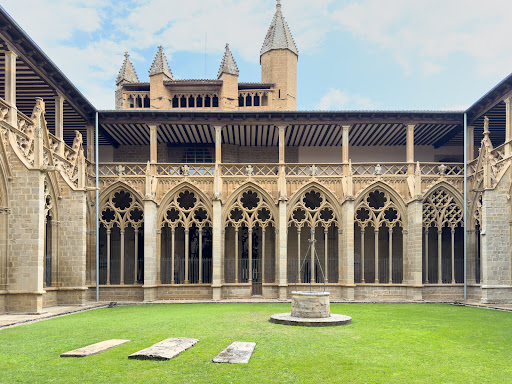
The cloister of Pamplona Cathedral is considered one of the best examples of a Gothic cloister in all of Europe and undoubtedly the best of the 14th century.

At first sight, one is taken aback by its size, its stylistic unity, the graceful elegance of its architecture and the wealth of sculptural decoration, including animal-shaped gargoyles.

A more careful look reveals, within the unity, the variations introduced during the different construction phases. The traceries of the north wing are complex than that of the east wing and are finished with a gable that projects above the vaults. In the 15th century, a second story was added.

Pamplona Cathedral was built between the 14th and 15th centuries. The cathedral's façade is Neo-Classical, added in the 18th century.

The façade is controversial. Victor Hugo was not a fan:

"The first object one looks for when one sees a city on the horizon for the first time is the cathedral. On arriving at Pamplona, ​​I had seen from afar, two abominable bell towers. If you want to imagine one of these spires, imagine four large corkscrews supporting some kind of pot-bellied and turgid vessel, which is crowned with one of those classic pots, commonly called urns, which look as if they were born from the marriage of an amphora and a jug. All of this in stone. I was perfectly angry.

Seen up close, it is even worse. The two outgrowths carved in the form of cabbage stalks and called towers are supported by a colonnade. And these turpitudes are passed off in schools as Greek and Roman art! Oh my friend, beware that what is ugly is ugly, even if it claims to be beautiful!"

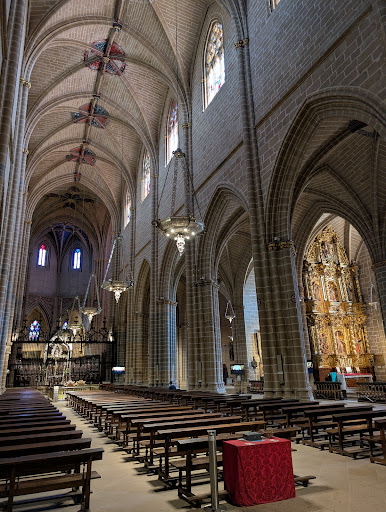
The nave of Pamplona Cathedral was rebuilt during the 14th and 15th centuries in the Gothic style after the original Romanesque structure collapsed due to structural issues.

The new French Gothic design created a grand, soaring interior that replaced much of the earlier structure, emphasizing verticality and light.

Gothic architecture was usually richly decorated in vibrant colors, enhancing the visual and spiritual experience of visiting a church. Polychromy involved the application of color to architectural elements, sculptures, and decorative features, using paints, gilding, and sometimes colored materials like stone or glass.

Though much of the original polychromy has faded over time, traces of this decorative tradition remain at Pamplona Cathedral.

Polychromy, combined with the natural light filtering through stained glass windows, created an otherworldly atmosphere within Gothic cathedrals. The interplay of light and color was intended to inspire awe and elevate the spiritual experience of worshippers.

The tomb of Carlos III of Navarra and his wife, Queen Leonor de Trastámara is celebrated as one of the finest examples of Gothic funerary art.

The 15th-century alabaster tomb, commissioned by Carlos III himself, features effigies of the king and queen in regal attire. At their feet lie a lion and a pair of dogs, symbolizing the virtues of courage and loyalty. Surrounding them are intricate carvings of angels, and "pleurants" (mourning figures).

Carlos III, known as Carlos the Noble, ruled from 1387 to 1425. He was noted for promoting peace and stability in Navarra during a turbulent era in Europe, shepherding his kingdom between the more powerful neighbors of France,...

   Read more
avatar
5.0
47w

The Catedral Metropolitana de Santa María la Real de Pamplona is not only a stunning Gothic cathedral in Spain but also a place filled with fascinating history and mysteries. One of the most intriguing stories linked to the cathedral is about its hidden crypt and the tomb of King Charles III of Navarre and his wife, Eleanor of Castile.

King Charles III of Navarre, also known as Charles the Noble, ruled in the late 14th and early 15th centuries. Unlike many medieval monarchs who sought military conquests, Charles was a reformer and peacemaker. His reign brought stability to Navarre, and he commissioned the reconstruction of Pamplona’s cathedral, giving it the grand Gothic façade that still stands today.

However, what makes his story eerie is the legend surrounding his tomb inside the cathedral. His sarcophagus, a stunning piece of medieval funerary art, shows the king and his wife lying in eternal repose, their hands gently clasped together—a rare depiction of love and unity in royal burials.

Locals whisper that on certain nights, when the cathedral is quiet, the sound of faint murmuring can be heard near the tomb. Some say it is the spirits of Charles and Eleanor still conversing, watching over their kingdom even in death. Others believe it is the echo of monks who once prayed continuously for the souls of the royal couple.

Adding to the mystery, beneath the cathedral lies a crypt that remained sealed for centuries. When it was finally explored, historians discovered human remains, ancient artifacts, and what appeared to be a forgotten section of the medieval church. Some even believe that secret passages exist, leading to hidden treasures or lost relics of Navarre’s past.

Whether the whispers are real or simply an effect of the cathedral’s acoustics, the Catedral de Pamplona remains a place where history and legend blend seamlessly. Would you dare to visit the tomb at night and listen for the voices...

   Read more
avatar
1.0
6y

The church is nice, cloister is wonderful even if partly closed for restorations. The museum has very good architectural and esthetic qualities, but:

  1. the historical data is confusing, and it's hard to tell how much is archeological data and how much is theatre.
  2. the exhibition is not about the history of the church and town, but carries a strong ideological message that sounds like "Christian values are the base of western society and values (including human rights!), and we must defend those values against the enemy: relativism (displayed as a pink room and not defined in any falsifiable way)".

You exit feeling like you have been charmed to sell you an empty ideological message. Which is what you expect from a mass, not...

   Read more
Page 1 of 7
Previous
Next

Posts

Kent WangKent Wang
The cloister of Pamplona Cathedral is considered one of the best examples of a Gothic cloister in all of Europe and undoubtedly the best of the 14th century. At first sight, one is taken aback by its size, its stylistic unity, the graceful elegance of its architecture and the wealth of sculptural decoration, including animal-shaped gargoyles. A more careful look reveals, within the unity, the variations introduced during the different construction phases. The traceries of the north wing are complex than that of the east wing and are finished with a gable that projects above the vaults. In the 15th century, a second story was added. Pamplona Cathedral was built between the 14th and 15th centuries. The cathedral's façade is Neo-Classical, added in the 18th century. The façade is controversial. Victor Hugo was not a fan: "The first object one looks for when one sees a city on the horizon for the first time is the cathedral. On arriving at Pamplona, ​​I had seen from afar, two abominable bell towers. If you want to imagine one of these spires, imagine four large corkscrews supporting some kind of pot-bellied and turgid vessel, which is crowned with one of those classic pots, commonly called urns, which look as if they were born from the marriage of an amphora and a jug. All of this in stone. I was perfectly angry. Seen up close, it is even worse. The two outgrowths carved in the form of cabbage stalks and called towers are supported by a colonnade. And these turpitudes are passed off in schools as Greek and Roman art! Oh my friend, beware that what is ugly is ugly, even if it claims to be beautiful!" The nave of Pamplona Cathedral was rebuilt during the 14th and 15th centuries in the Gothic style after the original Romanesque structure collapsed due to structural issues. The new French Gothic design created a grand, soaring interior that replaced much of the earlier structure, emphasizing verticality and light. Gothic architecture was usually richly decorated in vibrant colors, enhancing the visual and spiritual experience of visiting a church. Polychromy involved the application of color to architectural elements, sculptures, and decorative features, using paints, gilding, and sometimes colored materials like stone or glass. Though much of the original polychromy has faded over time, traces of this decorative tradition remain at Pamplona Cathedral. Polychromy, combined with the natural light filtering through stained glass windows, created an otherworldly atmosphere within Gothic cathedrals. The interplay of light and color was intended to inspire awe and elevate the spiritual experience of worshippers. The tomb of Carlos III of Navarra and his wife, Queen Leonor de Trastámara is celebrated as one of the finest examples of Gothic funerary art. The 15th-century alabaster tomb, commissioned by Carlos III himself, features effigies of the king and queen in regal attire. At their feet lie a lion and a pair of dogs, symbolizing the virtues of courage and loyalty. Surrounding them are intricate carvings of angels, and "pleurants" (mourning figures). Carlos III, known as Carlos the Noble, ruled from 1387 to 1425. He was noted for promoting peace and stability in Navarra during a turbulent era in Europe, shepherding his kingdom between the more powerful neighbors of France, Castile, and Aragon.
Your browser does not support the video tag.
Gon CoGon Co
Simplemente… ESPECTACULAR. Espacio lleno de encanto y misterio. Merece la pena asistir a la misa para escuchar l sonido de su espectacular órgano. La visita guiada es más que recomendable, para sacar todo el jugo que la catedral merece. Visita obligatoria si se está en Pamplona.
Zoran JovanovicZoran Jovanovic
The Catedral Metropolitana de Santa María la Real de Pamplona is not only a stunning Gothic cathedral in Spain but also a place filled with fascinating history and mysteries. One of the most intriguing stories linked to the cathedral is about its hidden crypt and the tomb of King Charles III of Navarre and his wife, Eleanor of Castile. King Charles III of Navarre, also known as Charles the Noble, ruled in the late 14th and early 15th centuries. Unlike many medieval monarchs who sought military conquests, Charles was a reformer and peacemaker. His reign brought stability to Navarre, and he commissioned the reconstruction of Pamplona’s cathedral, giving it the grand Gothic façade that still stands today. However, what makes his story eerie is the legend surrounding his tomb inside the cathedral. His sarcophagus, a stunning piece of medieval funerary art, shows the king and his wife lying in eternal repose, their hands gently clasped together—a rare depiction of love and unity in royal burials. Locals whisper that on certain nights, when the cathedral is quiet, the sound of faint murmuring can be heard near the tomb. Some say it is the spirits of Charles and Eleanor still conversing, watching over their kingdom even in death. Others believe it is the echo of monks who once prayed continuously for the souls of the royal couple. Adding to the mystery, beneath the cathedral lies a crypt that remained sealed for centuries. When it was finally explored, historians discovered human remains, ancient artifacts, and what appeared to be a forgotten section of the medieval church. Some even believe that secret passages exist, leading to hidden treasures or lost relics of Navarre’s past. Whether the whispers are real or simply an effect of the cathedral’s acoustics, the Catedral de Pamplona remains a place where history and legend blend seamlessly. Would you dare to visit the tomb at night and listen for the voices of the past?
See more posts
See more posts
hotel
Find your stay

Pet-friendly Hotels in Pamplona

Find a cozy hotel nearby and make it a full experience.

The cloister of Pamplona Cathedral is considered one of the best examples of a Gothic cloister in all of Europe and undoubtedly the best of the 14th century. At first sight, one is taken aback by its size, its stylistic unity, the graceful elegance of its architecture and the wealth of sculptural decoration, including animal-shaped gargoyles. A more careful look reveals, within the unity, the variations introduced during the different construction phases. The traceries of the north wing are complex than that of the east wing and are finished with a gable that projects above the vaults. In the 15th century, a second story was added. Pamplona Cathedral was built between the 14th and 15th centuries. The cathedral's façade is Neo-Classical, added in the 18th century. The façade is controversial. Victor Hugo was not a fan: "The first object one looks for when one sees a city on the horizon for the first time is the cathedral. On arriving at Pamplona, ​​I had seen from afar, two abominable bell towers. If you want to imagine one of these spires, imagine four large corkscrews supporting some kind of pot-bellied and turgid vessel, which is crowned with one of those classic pots, commonly called urns, which look as if they were born from the marriage of an amphora and a jug. All of this in stone. I was perfectly angry. Seen up close, it is even worse. The two outgrowths carved in the form of cabbage stalks and called towers are supported by a colonnade. And these turpitudes are passed off in schools as Greek and Roman art! Oh my friend, beware that what is ugly is ugly, even if it claims to be beautiful!" The nave of Pamplona Cathedral was rebuilt during the 14th and 15th centuries in the Gothic style after the original Romanesque structure collapsed due to structural issues. The new French Gothic design created a grand, soaring interior that replaced much of the earlier structure, emphasizing verticality and light. Gothic architecture was usually richly decorated in vibrant colors, enhancing the visual and spiritual experience of visiting a church. Polychromy involved the application of color to architectural elements, sculptures, and decorative features, using paints, gilding, and sometimes colored materials like stone or glass. Though much of the original polychromy has faded over time, traces of this decorative tradition remain at Pamplona Cathedral. Polychromy, combined with the natural light filtering through stained glass windows, created an otherworldly atmosphere within Gothic cathedrals. The interplay of light and color was intended to inspire awe and elevate the spiritual experience of worshippers. The tomb of Carlos III of Navarra and his wife, Queen Leonor de Trastámara is celebrated as one of the finest examples of Gothic funerary art. The 15th-century alabaster tomb, commissioned by Carlos III himself, features effigies of the king and queen in regal attire. At their feet lie a lion and a pair of dogs, symbolizing the virtues of courage and loyalty. Surrounding them are intricate carvings of angels, and "pleurants" (mourning figures). Carlos III, known as Carlos the Noble, ruled from 1387 to 1425. He was noted for promoting peace and stability in Navarra during a turbulent era in Europe, shepherding his kingdom between the more powerful neighbors of France, Castile, and Aragon.
Kent Wang

Kent Wang

hotel
Find your stay

Affordable Hotels in Pamplona

Find a cozy hotel nearby and make it a full experience.

Get the Appoverlay
Get the AppOne tap to find yournext favorite spots!
Simplemente… ESPECTACULAR. Espacio lleno de encanto y misterio. Merece la pena asistir a la misa para escuchar l sonido de su espectacular órgano. La visita guiada es más que recomendable, para sacar todo el jugo que la catedral merece. Visita obligatoria si se está en Pamplona.
Gon Co

Gon Co

hotel
Find your stay

The Coolest Hotels You Haven't Heard Of (Yet)

Find a cozy hotel nearby and make it a full experience.

hotel
Find your stay

Trending Stays Worth the Hype in Pamplona

Find a cozy hotel nearby and make it a full experience.

The Catedral Metropolitana de Santa María la Real de Pamplona is not only a stunning Gothic cathedral in Spain but also a place filled with fascinating history and mysteries. One of the most intriguing stories linked to the cathedral is about its hidden crypt and the tomb of King Charles III of Navarre and his wife, Eleanor of Castile. King Charles III of Navarre, also known as Charles the Noble, ruled in the late 14th and early 15th centuries. Unlike many medieval monarchs who sought military conquests, Charles was a reformer and peacemaker. His reign brought stability to Navarre, and he commissioned the reconstruction of Pamplona’s cathedral, giving it the grand Gothic façade that still stands today. However, what makes his story eerie is the legend surrounding his tomb inside the cathedral. His sarcophagus, a stunning piece of medieval funerary art, shows the king and his wife lying in eternal repose, their hands gently clasped together—a rare depiction of love and unity in royal burials. Locals whisper that on certain nights, when the cathedral is quiet, the sound of faint murmuring can be heard near the tomb. Some say it is the spirits of Charles and Eleanor still conversing, watching over their kingdom even in death. Others believe it is the echo of monks who once prayed continuously for the souls of the royal couple. Adding to the mystery, beneath the cathedral lies a crypt that remained sealed for centuries. When it was finally explored, historians discovered human remains, ancient artifacts, and what appeared to be a forgotten section of the medieval church. Some even believe that secret passages exist, leading to hidden treasures or lost relics of Navarre’s past. Whether the whispers are real or simply an effect of the cathedral’s acoustics, the Catedral de Pamplona remains a place where history and legend blend seamlessly. Would you dare to visit the tomb at night and listen for the voices of the past?
Zoran Jovanovic

Zoran Jovanovic

See more posts
See more posts