HTML SitemapExplore
logo
Find Things to DoFind The Best Restaurants

Convent of San Esteban — Attraction in Salamanca

Name
Convent of San Esteban
Description
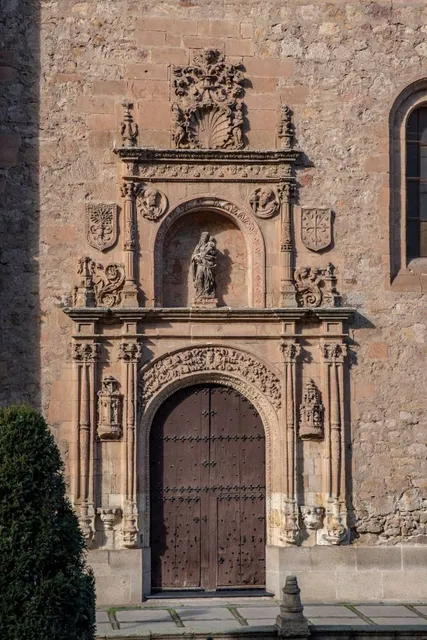
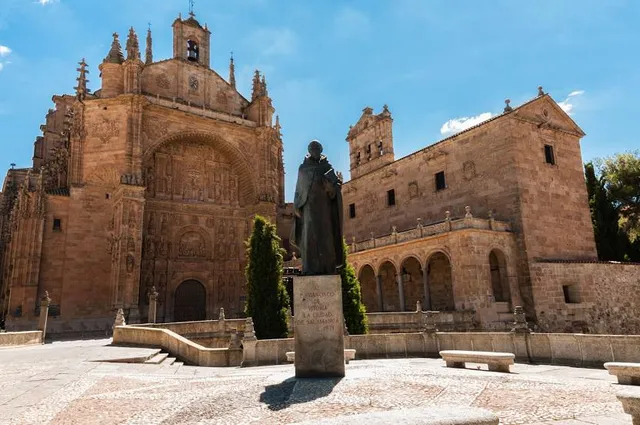
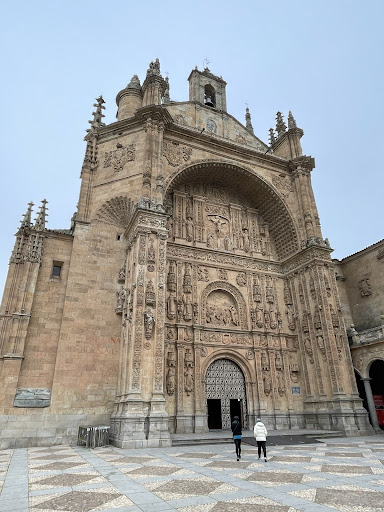
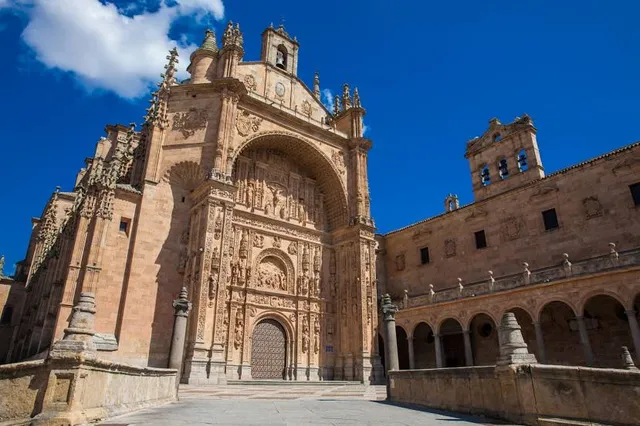
The Convento de San Esteban is a Dominican monastery of Plateresque style, situated in the Plaza del Concilio de Trento in Salamanca, Castile and León, Spain.
Nearby attractions
Salamanca Cathedral
C. Benedicto XVI, 37008 Salamanca, Spain
Huerto de Calixto y Melibea
Calle Arcediano, 20, 37008 Salamanca, Spain
Convento de las Dueñas
Pl. del Concilio de Trento, s/n, 37001 Salamanca, Spain
Cueva de Salamanca
Cta. de Carvajal, 7, 37008 Salamanca, Spain
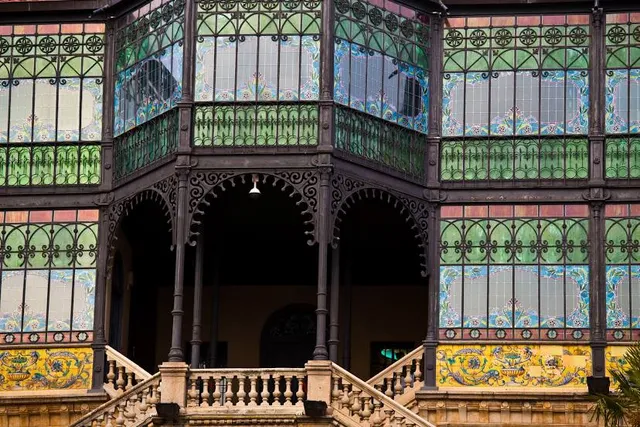
Museo Art Nouveau y Art Déco - Casa Lis
Gibraltar, 14, 37008 Salamanca, Spain
Anaya Palace
Pl. de Anaya, 37008 Salamanca, Spain
Sala de exposiciones Santo Domingo de la Cruz
Calle, Arroyo de Santo Domingo, 18, 37008 Salamanca, Spain
Casa de las Conchas
Casa de las Conchas, C. de la Compañía, 2, 37002 Salamanca, Spain
Convent Museum of Santa Clara
C. Sta. Clara, 2, 37001 Salamanca, Spain
Torre de los Anaya
esquina con, Calle San Pablo & Calle Jesús, Salamanca, Spain
Nearby restaurants
Dominicos Café
C. San Pablo, 66, 37008 Salamanca, Spain
Restaurante El Monje
Arroyo de Santo Domingo, 3, 37008 Salamanca, Spain
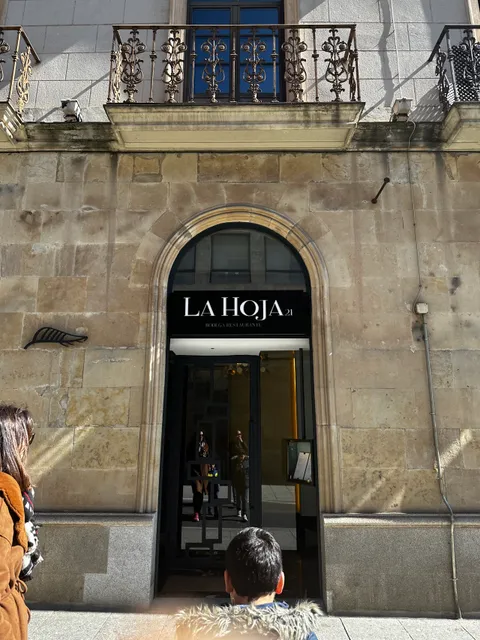
RESTAURANTE LA HOJA 21
C. San Pablo, 21, 37008 Salamanca, Spain
En la Parra
C. San Pablo, 80, 37008 Salamanca, Spain
El Laurel
C. San Pablo, 49, 37008 Salamanca, Spain
Restaurante Bar Las Caballerizas
C. Tostado, 3, 37008 Salamanca, Spain
Ment
Grand Hotel Don Gregorio, C. San Pablo, 80, 37008 Salamanca, Spain
Domino's Pizza
Gran Vía, 90, 37001 Salamanca, Spain
Bar Restaurante Baco
C. Palominos, 13, 37008 Salamanca, Spain
Restaurante Canalejas.come
P.º de Canalejas, 196, 37008 Salamanca, Spain
Related posts
Keywords
Convent of San Esteban tourism.Convent of San Esteban hotels.Convent of San Esteban bed and breakfast. flights to Convent of San Esteban.Convent of San Esteban attractions.Convent of San Esteban restaurants.Convent of San Esteban travel.Convent of San Esteban travel guide.Convent of San Esteban travel blog.Convent of San Esteban pictures.Convent of San Esteban photos.Convent of San Esteban travel tips.Convent of San Esteban maps.Convent of San Esteban things to do.
Convent of San Esteban things to do, attractions, restaurants, events info and trip planning
Convent of San Esteban
SpainCastile and LeónSalamancaConvent of San Esteban

Basic Info

Convent of San Esteban

Pl. del Concilio de Trento, s/n, 37001 Salamanca, Spain
4.7(1.7K)
Open 24 hours
Save
spot

Ratings & Description

Info

The Convento de San Esteban is a Dominican monastery of Plateresque style, situated in the Plaza del Concilio de Trento in Salamanca, Castile and León, Spain.

Cultural
Accessibility
attractions: Salamanca Cathedral, Huerto de Calixto y Melibea, Convento de las Dueñas, Cueva de Salamanca, Museo Art Nouveau y Art Déco - Casa Lis, Anaya Palace, Sala de exposiciones Santo Domingo de la Cruz, Casa de las Conchas, Convent Museum of Santa Clara, Torre de los Anaya, restaurants: Dominicos Café, Restaurante El Monje, RESTAURANTE LA HOJA 21, En la Parra, El Laurel, Restaurante Bar Las Caballerizas, Ment, Domino's Pizza, Bar Restaurante Baco, Restaurante Canalejas.come
logoLearn more insights from Wanderboat AI.
Phone
+34 923 21 50 00
Website
conventosanesteban.es

Plan your stay

hotel
Pet-friendly Hotels in Salamanca
Find a cozy hotel nearby and make it a full experience.
hotel
Affordable Hotels in Salamanca
Find a cozy hotel nearby and make it a full experience.
hotel
The Coolest Hotels You Haven't Heard Of (Yet)
Find a cozy hotel nearby and make it a full experience.
hotel
Trending Stays Worth the Hype in Salamanca
Find a cozy hotel nearby and make it a full experience.

Reviews

Nearby attractions of Convent of San Esteban

Salamanca Cathedral

Huerto de Calixto y Melibea

Convento de las Dueñas

Cueva de Salamanca

Museo Art Nouveau y Art Déco - Casa Lis

Anaya Palace

Sala de exposiciones Santo Domingo de la Cruz

Casa de las Conchas

Convent Museum of Santa Clara

Torre de los Anaya

Salamanca Cathedral

Salamanca Cathedral

4.7

(7.4K)

Open 24 hours
Click for details
Huerto de Calixto y Melibea

Huerto de Calixto y Melibea

4.5

(5.5K)

Open 24 hours
Click for details
Convento de las Dueñas

Convento de las Dueñas

4.6

(318)

Open 24 hours
Click for details
Cueva de Salamanca

Cueva de Salamanca

4.0

(904)

Open 24 hours
Click for details

Things to do nearby

Palacio de Monterrey: Visita audioguiada
Thu, Dec 4 • 10:30 AM
Plaza de Monterrey, 2, Salamanca, 37002
View details
Visita a un secadero de jamones ibéricos con degustación en Salamanca
Thu, Dec 4 • 12:30 PM
P.o Delicias, 67, Villares de la Reina, 37184
View details
Amazing Scavenger Hunt! - Salamanca Scavenger Hunt
Thu, Dec 4 • 8:00 AM
22 Calle Benedicto XVI, 37008 Salamanca
View details

Nearby restaurants of Convent of San Esteban

Dominicos Café

Restaurante El Monje

RESTAURANTE LA HOJA 21

En la Parra

El Laurel

Restaurante Bar Las Caballerizas

Ment

Domino's Pizza

Bar Restaurante Baco

Restaurante Canalejas.come

Dominicos Café

Dominicos Café

3.8

(961)

Click for details
Restaurante El Monje

Restaurante El Monje

4.4

(367)

$$$

Click for details
RESTAURANTE LA HOJA 21

RESTAURANTE LA HOJA 21

4.4

(1.3K)

$$

Click for details
En la Parra

En la Parra

4.6

(517)

Click for details
Get the Appoverlay
Get the AppOne tap to find yournext favorite spots!
Wanderboat LogoWanderboat

Your everyday Al companion for getaway ideas

CompanyAbout Us
InformationAI Trip PlannerSitemap
SocialXInstagramTiktokLinkedin
LegalTerms of ServicePrivacy Policy

Get the app

© 2025 Wanderboat. All rights reserved.
logo

Posts

BradBrad
St. Stephen's Convent is an important Dominican monastery It is open from 10am to 2pm & 4pm to 8pm daily and entry is (€4.50 per adult). Visits include access to both lower and upper floors of the cloisters as well as the main church building. The buildings you see today were constructed between around 1524 to 1610 and represent fine examples of Plateresque architecture as well as Gothic and Baroque features. Within the cloisters, there are information panels located around both floors of the cloisters to help you understand what you are seeing when viewing the building architecture, items of antiquity and seeking to learn a bit of the monastery's history. The church is laid out in the shape of a latin cross with a tall narrow nave with ribbed vaults. The heavily gilded reredos screen created by Jose de Churriguera (1692) is remarkable. The upstairs choir area (accessed through the cloisters) is impressive. From here you can view the lower section of the nave and Churriguera's reredos quite well. You will definitely want to spend a few minutes as well viewing the exterior facade of the church, this is considered a masterpiece of Plateresque.
Q GQ G
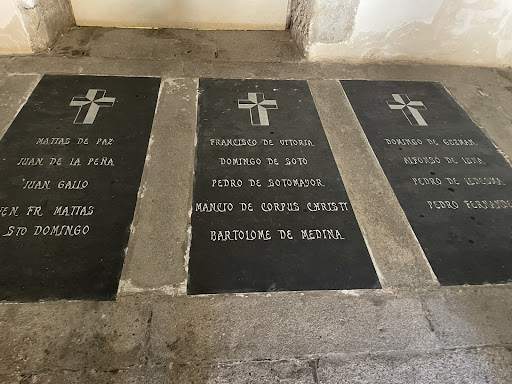
The Convent of San Esteban is not merely a monument of stone and cloisters, but a resting place of history itself. Within its walls lie several illustrious figures of Spain’s intellectual and spiritual heritage, among them Francisco de Vitoria, whose pioneering work on the rights of the indigenous peoples of the Americas laid foundations for modern human rights. Alongside him rest other eminent Dominicans such as Domingo de Soto, Mancio de Corpus Christi, Pedro de Sotomayor, and Matías de Paz, each leaving their own mark upon theology and philosophy. Yet what most captured my attention was the presence of Fernando Álvarez de Toledo, the formidable 3rd Duke of Alba. One of the greatest military commanders of his age, feared by his enemies and revered by his allies, his name alone evokes the discipline, power, and severity of Spain’s Golden Century. To stand in such proximity to his remains is to feel, if only briefly, the weight of empire and the echoes of a man who shaped history.
Enjoy lifeEnjoy life
Merveilleux couvent érigé au XVIème siècle par le puissant ordre dominicain dont l'ensemble regroupe une immense église gothique de 84 mètres de long et 45 mètres de hauteur dans le transept derrière une des plus belles façades plateresques d’Espagne ainsi qu'un cloître dit "Cloître des Rois", de style plateresque à l’extérieur et gothique à l’intérieur. En hors saison et le matin, on y goûter un calme absolu qui appelle à la méditation et la réflexion. L’église tient à la fois de la cathédrale, par son aspect colossal, et de l’université, avec sa façade plateresque sculptée à la façon d’un retable. L’effet se confirme en pénétrant au sein de son plan en croix latine et sous sa nef unique, au volume tout aussi imposant que le retable baroque à trois colonnes torsadées de Churriguera qui représente la scène du martyre de Saint Étienne par Claudio Coello sur son volet central ! Dans le cloître, une porte plus petite que les autres permet d’accéder au "Panthéon des théologiens", ancienne salle capitulaire où reposent sous de sobres dalles funéraires les théologiens dominicains les plus fameux de l’université de Salamanque. Tels Domingo de Soto (1494-1560), théologien, philosophe et juriste formé pour partie à la Sorbonne. Charles Quint en fit son confesseur. Membre éminent de l’École de Salamanque, il enseigna à l’université de la ville jusqu’à sa mort et rédigea le protocole de la fameuse Controverse de Valladolid chargée de fixer les règles de justice et de morale pour la conquête du Nouveau Monde. Il paya la construction du somptueux escalier situé entre l’escalier et la sacristie, dit "escalier de Soto" ou Francisco de Vitoria (vers 1486-1546) qui, après des études à la Sorbonne où même il enseigna, fut à l’origine de l’École de Salamanque. Dénonçant les exactions des conquistadores contre les populations indiennes, il fut une des plus autorités morales de son temps et l’un des pères du droit international. Sa statue, par Francisco de Toledo, trône depuis 1975, place du Concile de Trente, face au couvent. Enfin et pas le moindre, c'est ici que Christophe Colomb vint chercher un soutien financier pour son expédition et fut hébergé la veille de son voyage océanique ! L’édifice est aujourd’hui occupé par la faculté de théologie de l’ordre.
See more posts
See more posts
hotel
Find your stay

Pet-friendly Hotels in Salamanca

Find a cozy hotel nearby and make it a full experience.

St. Stephen's Convent is an important Dominican monastery It is open from 10am to 2pm & 4pm to 8pm daily and entry is (€4.50 per adult). Visits include access to both lower and upper floors of the cloisters as well as the main church building. The buildings you see today were constructed between around 1524 to 1610 and represent fine examples of Plateresque architecture as well as Gothic and Baroque features. Within the cloisters, there are information panels located around both floors of the cloisters to help you understand what you are seeing when viewing the building architecture, items of antiquity and seeking to learn a bit of the monastery's history. The church is laid out in the shape of a latin cross with a tall narrow nave with ribbed vaults. The heavily gilded reredos screen created by Jose de Churriguera (1692) is remarkable. The upstairs choir area (accessed through the cloisters) is impressive. From here you can view the lower section of the nave and Churriguera's reredos quite well. You will definitely want to spend a few minutes as well viewing the exterior facade of the church, this is considered a masterpiece of Plateresque.
Brad

Brad

hotel
Find your stay

Affordable Hotels in Salamanca

Find a cozy hotel nearby and make it a full experience.

Get the Appoverlay
Get the AppOne tap to find yournext favorite spots!
The Convent of San Esteban is not merely a monument of stone and cloisters, but a resting place of history itself. Within its walls lie several illustrious figures of Spain’s intellectual and spiritual heritage, among them Francisco de Vitoria, whose pioneering work on the rights of the indigenous peoples of the Americas laid foundations for modern human rights. Alongside him rest other eminent Dominicans such as Domingo de Soto, Mancio de Corpus Christi, Pedro de Sotomayor, and Matías de Paz, each leaving their own mark upon theology and philosophy. Yet what most captured my attention was the presence of Fernando Álvarez de Toledo, the formidable 3rd Duke of Alba. One of the greatest military commanders of his age, feared by his enemies and revered by his allies, his name alone evokes the discipline, power, and severity of Spain’s Golden Century. To stand in such proximity to his remains is to feel, if only briefly, the weight of empire and the echoes of a man who shaped history.
Q G

Q G

hotel
Find your stay

The Coolest Hotels You Haven't Heard Of (Yet)

Find a cozy hotel nearby and make it a full experience.

hotel
Find your stay

Trending Stays Worth the Hype in Salamanca

Find a cozy hotel nearby and make it a full experience.

Merveilleux couvent érigé au XVIème siècle par le puissant ordre dominicain dont l'ensemble regroupe une immense église gothique de 84 mètres de long et 45 mètres de hauteur dans le transept derrière une des plus belles façades plateresques d’Espagne ainsi qu'un cloître dit "Cloître des Rois", de style plateresque à l’extérieur et gothique à l’intérieur. En hors saison et le matin, on y goûter un calme absolu qui appelle à la méditation et la réflexion. L’église tient à la fois de la cathédrale, par son aspect colossal, et de l’université, avec sa façade plateresque sculptée à la façon d’un retable. L’effet se confirme en pénétrant au sein de son plan en croix latine et sous sa nef unique, au volume tout aussi imposant que le retable baroque à trois colonnes torsadées de Churriguera qui représente la scène du martyre de Saint Étienne par Claudio Coello sur son volet central ! Dans le cloître, une porte plus petite que les autres permet d’accéder au "Panthéon des théologiens", ancienne salle capitulaire où reposent sous de sobres dalles funéraires les théologiens dominicains les plus fameux de l’université de Salamanque. Tels Domingo de Soto (1494-1560), théologien, philosophe et juriste formé pour partie à la Sorbonne. Charles Quint en fit son confesseur. Membre éminent de l’École de Salamanque, il enseigna à l’université de la ville jusqu’à sa mort et rédigea le protocole de la fameuse Controverse de Valladolid chargée de fixer les règles de justice et de morale pour la conquête du Nouveau Monde. Il paya la construction du somptueux escalier situé entre l’escalier et la sacristie, dit "escalier de Soto" ou Francisco de Vitoria (vers 1486-1546) qui, après des études à la Sorbonne où même il enseigna, fut à l’origine de l’École de Salamanque. Dénonçant les exactions des conquistadores contre les populations indiennes, il fut une des plus autorités morales de son temps et l’un des pères du droit international. Sa statue, par Francisco de Toledo, trône depuis 1975, place du Concile de Trente, face au couvent. Enfin et pas le moindre, c'est ici que Christophe Colomb vint chercher un soutien financier pour son expédition et fut hébergé la veille de son voyage océanique ! L’édifice est aujourd’hui occupé par la faculté de théologie de l’ordre.
Enjoy life

Enjoy life

See more posts
See more posts

Reviews of Convent of San Esteban

4.7
(1,716)
avatar
5.0
2y

St. Stephen's Convent is an important Dominican monastery It is open from 10am to 2pm & 4pm to 8pm daily and entry is (€4.50 per adult). Visits include access to both lower and upper floors of the cloisters as well as the main church building.

The buildings you see today were constructed between around 1524 to 1610 and represent fine examples of Plateresque architecture as well as Gothic and Baroque features.

Within the cloisters, there are information panels located around both floors of the cloisters to help you understand what you are seeing when viewing the building architecture, items of antiquity and seeking to learn a bit of the monastery's history.

The church is laid out in the shape of a latin cross with a tall narrow nave with ribbed vaults. The heavily gilded reredos screen created by Jose de Churriguera (1692) is remarkable. The upstairs choir area (accessed through the cloisters) is impressive. From here you can view the lower section of the nave and Churriguera's reredos quite well. You will definitely want to spend a few minutes as well viewing the exterior facade of the church, this is considered a masterpiece of...

   Read more
avatar
5.0
15w

The Convent of San Esteban is not merely a monument of stone and cloisters, but a resting place of history itself. Within its walls lie several illustrious figures of Spain’s intellectual and spiritual heritage, among them Francisco de Vitoria, whose pioneering work on the rights of the indigenous peoples of the Americas laid foundations for modern human rights. Alongside him rest other eminent Dominicans such as Domingo de Soto, Mancio de Corpus Christi, Pedro de Sotomayor, and Matías de Paz, each leaving their own mark upon theology and philosophy.

Yet what most captured my attention was the presence of Fernando Álvarez de Toledo, the formidable 3rd Duke of Alba. One of the greatest military commanders of his age, feared by his enemies and revered by his allies, his name alone evokes the discipline, power, and severity of Spain’s Golden Century. To stand in such proximity to his remains is to feel, if only briefly, the weight of empire and the echoes of a man who...

   Read more
avatar
5.0
3y

El convento de San Esteban es un convento de los dominicos de Salamanca, uno de los lugares más emblemáticos del arte cristiano y de la vida intelectual y evangelizadora de la Orden de Predicadores», no es necesario reservar para visitar el convento. Los dominicos se instalaron en Salamanca entre 1255 y 1256 en lo que por aquel entonces era la iglesia de San Esteban, más tarde, construyeron un convento que luego fue destruido para construir el que tenemos ahora. Su obra comenzo en 1524 y se extendió hasta 1610.

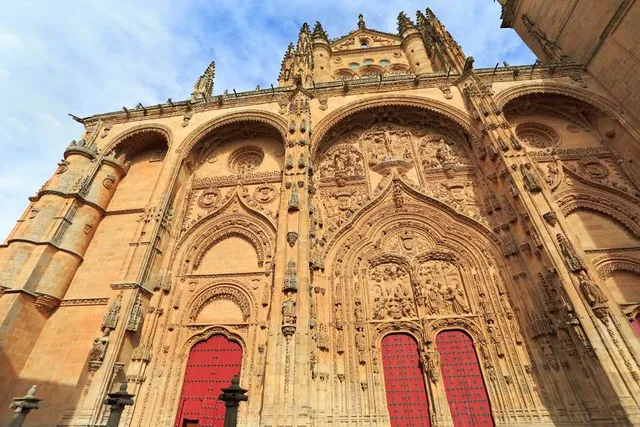
Fachada de la Iglesia La portada de la iglesia es uno de los más bonitos ejemplos del plateresco. Esta portada esta desplegada bajo una arco con forma de abobedada y en el centro de la misma y arriba de ello está representado el martirio de San Esteban.

La fachada la componen la portada de la iglesia y el pórtico de acceso al convento. La fachada y el convento forman un ángulo recto dejando a la plaza con una perfecta vista de ambas. En la parte superior de la fachada hay una terraza que es accesible al público y que además tiene una de las mejores vistas del casco histórico de Salamanca.

Pórtico de entrada al Convento

Por un lado, el pórtico del convento se encuentra a la derecha de la fachada compuesto por arcos de medio punto, está inspirado en las logias del renacimiento italiano, y contrasta mucho su frugalidad con la barroca decoración de la fachada de la iglesia.

Claustro El claustro principal, también llamado Claustro de los Reyes, está situado en la planta baja y en el se mezclan los estilos gótico y renacentista. El claustro está separado del jardín medianto unas columnas abovedadas, tambien de estilo renacentista. Y en el centro del jardín hay un templete.

Retablo Mayor del Convento es obra de José Benito de Churriguera, hermano de Alberto Churriguera, quien fuera el diseñador de la Plaza Mayor y la Catedral Nueva de Salamanca.

El retablo se situa en la parte frontal de la Iglesia y remata la cabebera de la Iglesia. Todo el retablo es dorado y y es uno de las más monumentales retablos barrocos del español.

Lo que más llama la atención son las seis grandes columnas que están recubiertas de decoración que recuerda a imagenes vegetales. En el centro de todas ellas se hallan dos nichos que albergan las esculturas de San Francisco de Asís y Santo Domingo de Guzmán, tambien obra de Churriguera

El retablo remata en su parte superior con una pintura que representa el martirio de...

   Read more
Page 1 of 7
Previous
Next