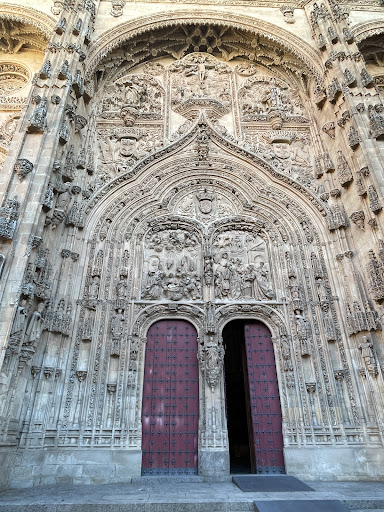
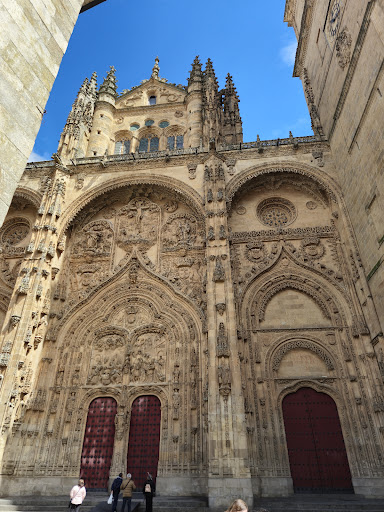
Salamanca Cathedral things to do, attractions, restaurants, events info and trip planning
Basic Info
Salamanca Cathedral
C. Benedicto XVI, 37008 Salamanca, Spain
4.7(7.1K)
Closed


tickets
Save
spot
spot
Ratings & Description
Info
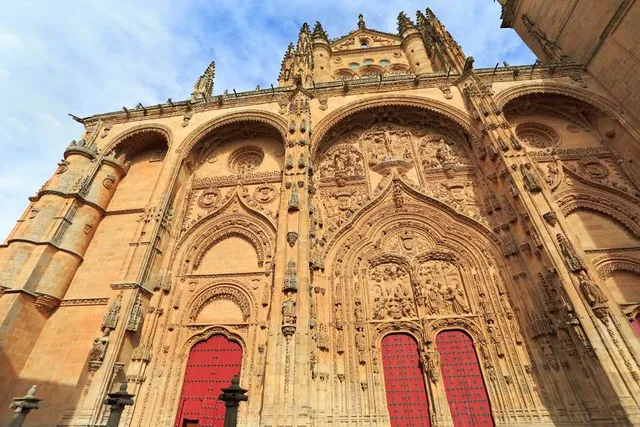
The Catedral de la Asunción de la Virgen, popularly known as New Cathedral is, together with the Old Cathedral, one of the two cathedrals of Salamanca, Castile and León, Spain. It is the seat of the diocese of Salamanca. It was constructed between 1533 and 1733 mixing late Gothic, Plateresque and Baroque styles.
Cultural
Accessibility
attractions: Huerto de Calixto y Melibea, Museo Art Nouveau y Art Déco - Casa Lis, Ieronimus Tower (Old Cathedral), Frog of Salamanca, Cueva de Salamanca, University of Salamanca, Anaya Palace, Unamuno House Museum, Casa de las Conchas, Convent of San Esteban, restaurants: Restaurante Bar Las Caballerizas, Dominicos Café, RESTAURANTE LA HOJA 21, En la Parra, RESTAURANTE CORTE Y CATA, El Huerto de Doña Deseada, Manolita Café Bar, MANDALA RESTAURANTE Y CAFETERÍA, The Irish Theatre, Cafetería Rúa, local businesses: Casa Lis, Catedral Vieja de Santa María de la Sede de Salamanca, Museum of Automotive History, Copistería Low Cost Salamanca, TíaTula - Spanish School in Salamanca, Spain, Mercatus, Faculty of Philology at the University of Salamanca, Archivo General de la Guerra Civil Española, Cielo de Salamanca, Rectorado de la Universidad de Salamanca
 Learn more insights from Wanderboat AI.
Phone
+34 923 21 74 76
Website
catedralsalamanca.org
Open hoursSee all hours
Thu10 AM - 6 PMClosed
Plan your stay

Pet-friendly Hotels in Salamanca
Find a cozy hotel nearby and make it a full experience.

Affordable Hotels in Salamanca
Find a cozy hotel nearby and make it a full experience.

The Coolest Hotels You Haven't Heard Of (Yet)
Find a cozy hotel nearby and make it a full experience.

Trending Stays Worth the Hype in Salamanca
Find a cozy hotel nearby and make it a full experience.
Reviews
Live events
Candlelight: Queen vs. ABBA
Sun, Mar 1 • 7:30 PM
Calle Zamora, 11, 15, Salamanca, 37002
View details
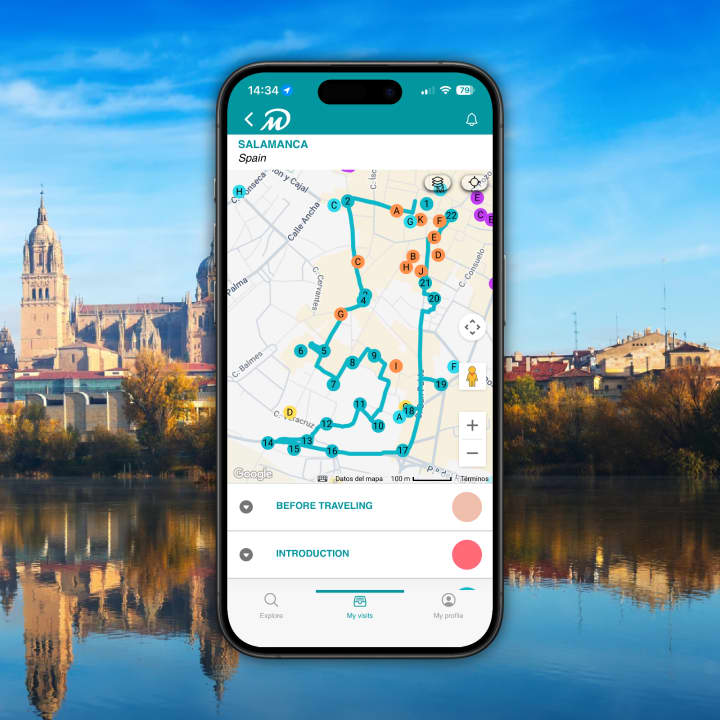
TOP Salamanca: visita guiada con tu móvil
Thu, Feb 26 • 12:00 AM
Plaza Mayor, 4, Salamanca, 37002
View details
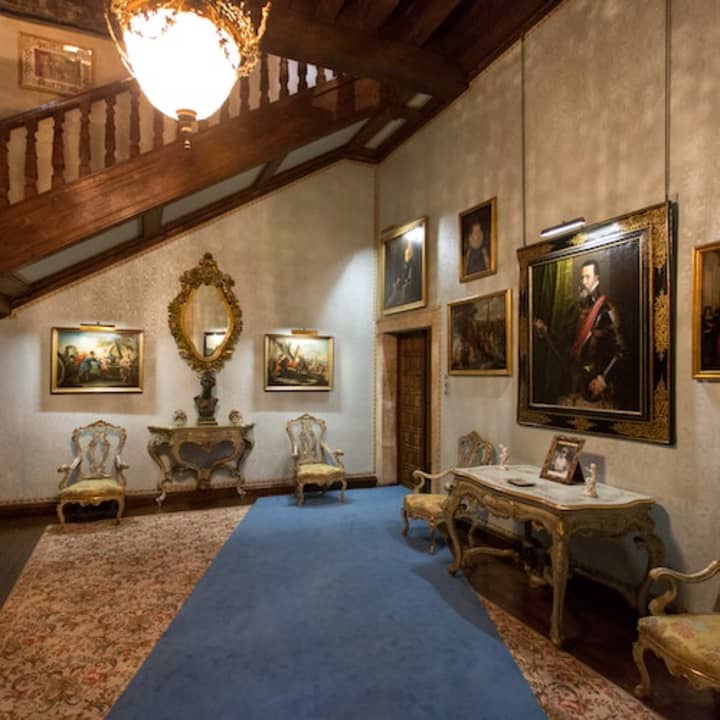
Palacio de Monterrey: Visita audioguiada
Thu, Feb 26 • 10:30 AM
Plaza de Monterrey, 2, Salamanca, 37002
View details
Nearby attractions of Salamanca Cathedral
Huerto de Calixto y Melibea
Museo Art Nouveau y Art Déco - Casa Lis
Ieronimus Tower (Old Cathedral)
Frog of Salamanca
Cueva de Salamanca
University of Salamanca
Anaya Palace
Unamuno House Museum
Casa de las Conchas
Convent of San Esteban
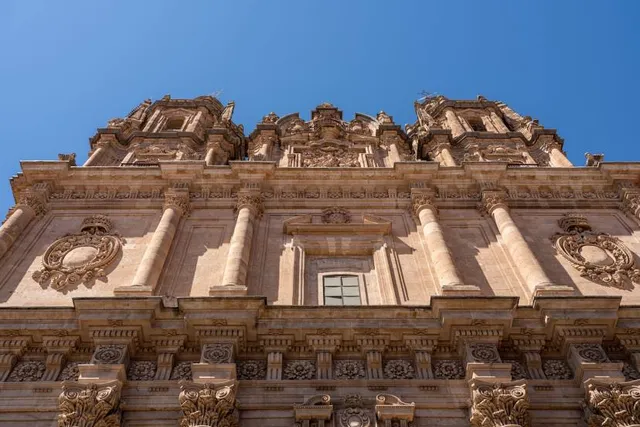
Huerto de Calixto y Melibea
4.5
(5.2K)
Closed
Click for details
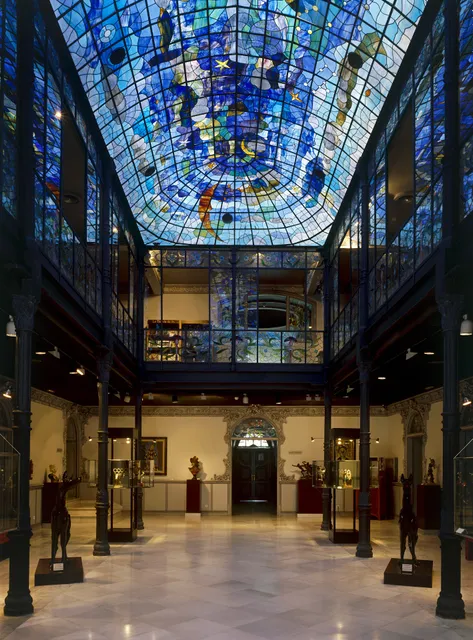
Museo Art Nouveau y Art Déco - Casa Lis
4.5
(3.5K)
Closed
Click for details
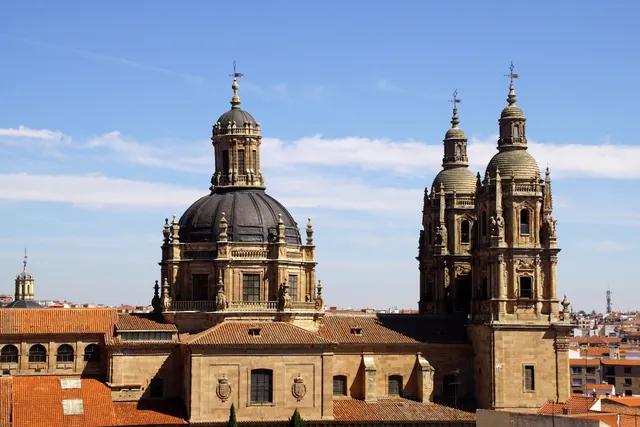
Ieronimus Tower (Old Cathedral)
4.8
(667)
Closed
Click for details
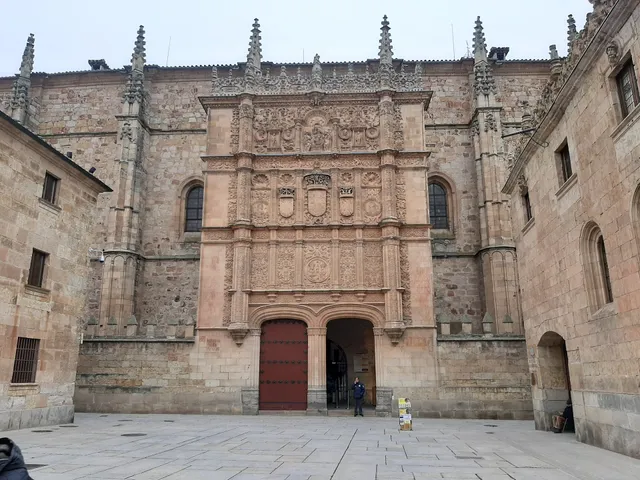
Frog of Salamanca
4.7
(1.4K)
Open until 12:00 AM
Click for details
Nearby restaurants of Salamanca Cathedral
Restaurante Bar Las Caballerizas
Dominicos Café
RESTAURANTE LA HOJA 21
En la Parra
RESTAURANTE CORTE Y CATA
El Huerto de Doña Deseada
Manolita Café Bar
MANDALA RESTAURANTE Y CAFETERÍA
The Irish Theatre
Cafetería Rúa
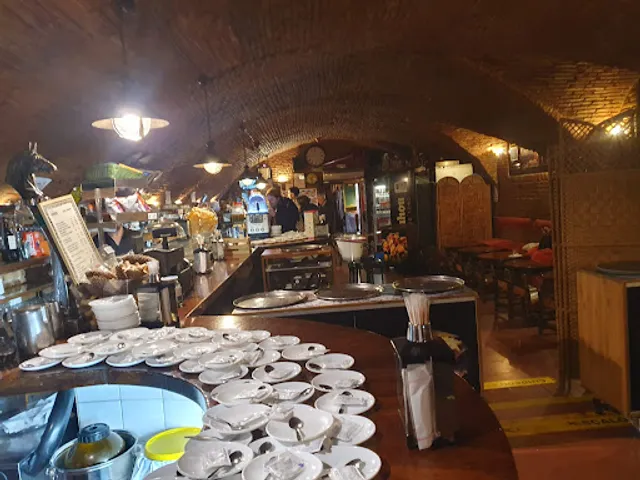
Restaurante Bar Las Caballerizas
4.4
(728)
Closed
Click for details
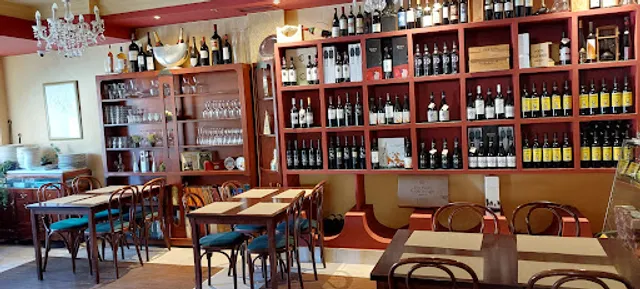
Dominicos Café
3.8
(953)
Closed
Click for details
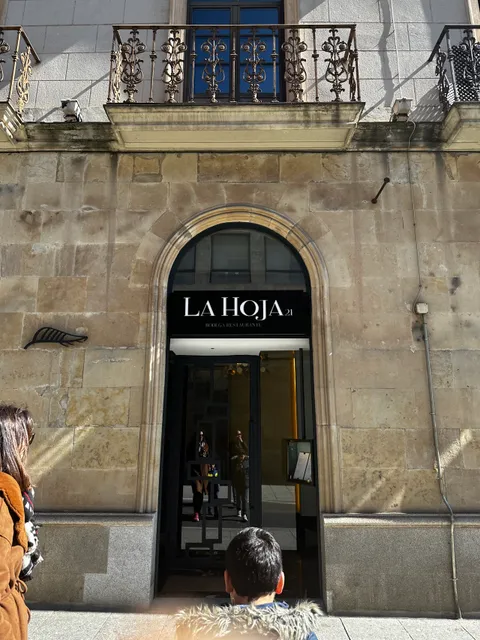
RESTAURANTE LA HOJA 21
4.4
(1.3K)
$$
Closed
Click for details
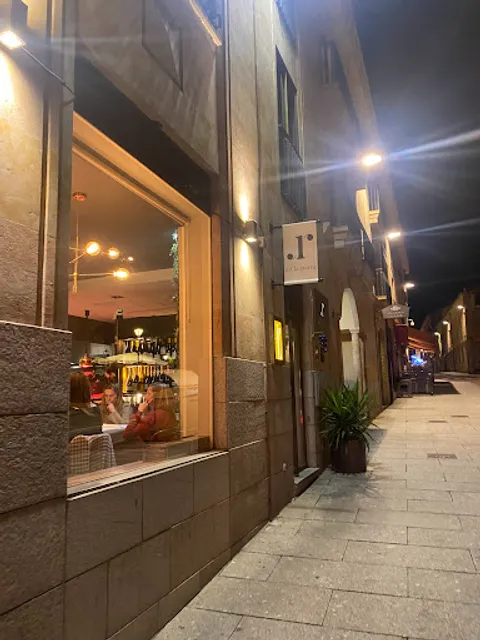
En la Parra
4.6
(526)
$$$$
Closed
Click for details
Nearby local services of Salamanca Cathedral
Casa Lis
Catedral Vieja de Santa María de la Sede de Salamanca
Museum of Automotive History
Copistería Low Cost Salamanca
TíaTula - Spanish School in Salamanca, Spain
Mercatus
Faculty of Philology at the University of Salamanca
Archivo General de la Guerra Civil Española
Cielo de Salamanca
Rectorado de la Universidad de Salamanca
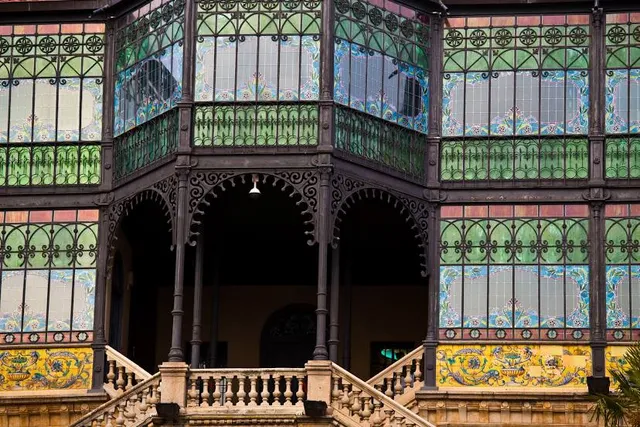
Casa Lis
4.5
(2.9K)
Click for details
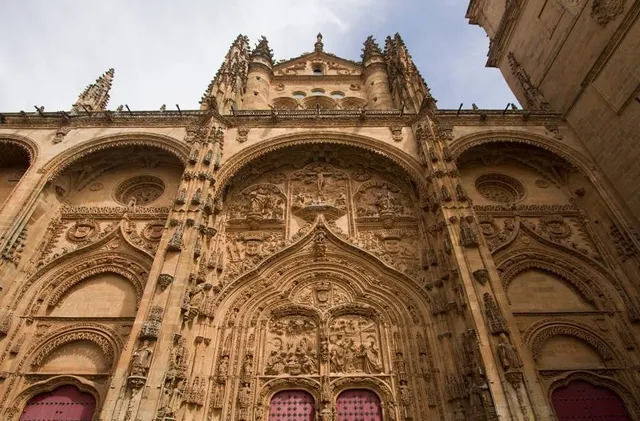
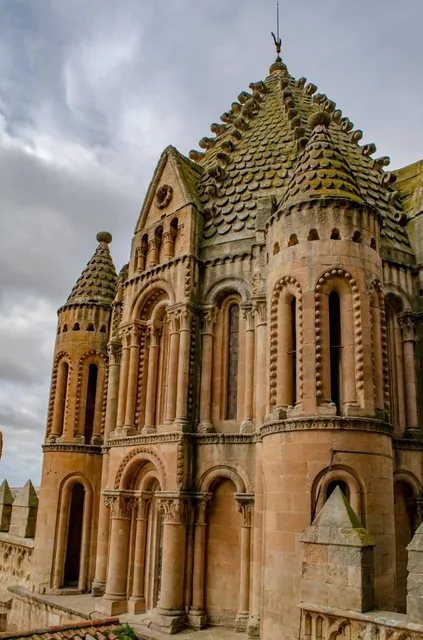
Catedral Vieja de Santa María de la Sede de Salamanca
4.8
(639)
Click for details
Museum of Automotive History
4.7
(2.1K)
Click for details
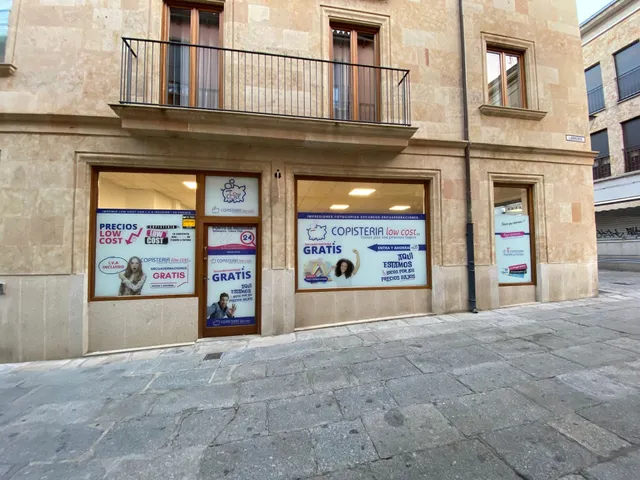
Copistería Low Cost Salamanca
4.9
(269)
Click for details