Amfiteatre de Tarragona things to do, attractions, restaurants, events info and trip planning
Basic Info
Amfiteatre de Tarragona
Parc de l'amfiteatre, s/n, 43003 Tarragona, Spain
4.5(7.7K)
Closed

tickets
Save
spot
spot
Ratings & Description
Info
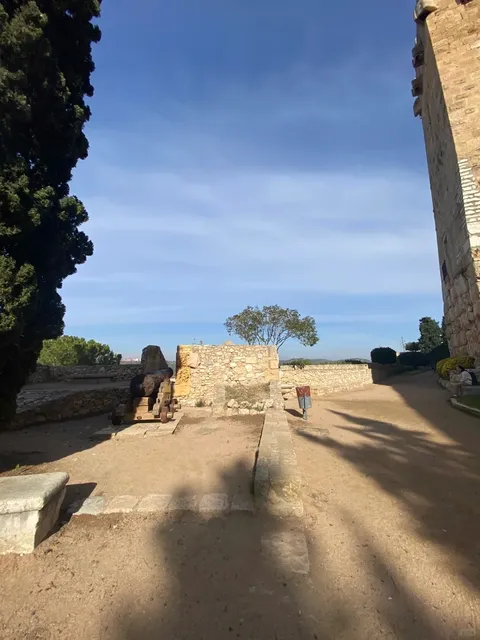
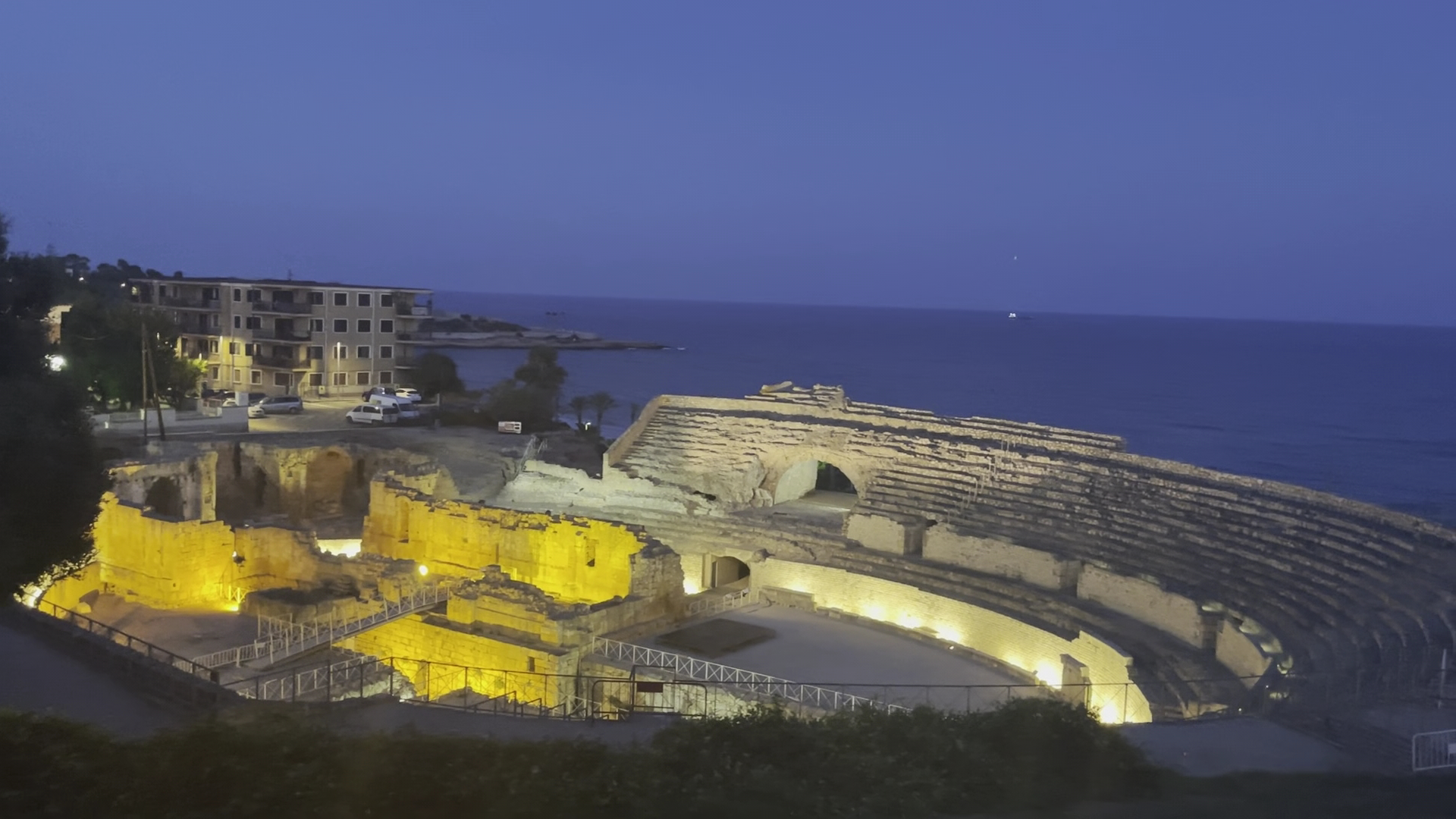
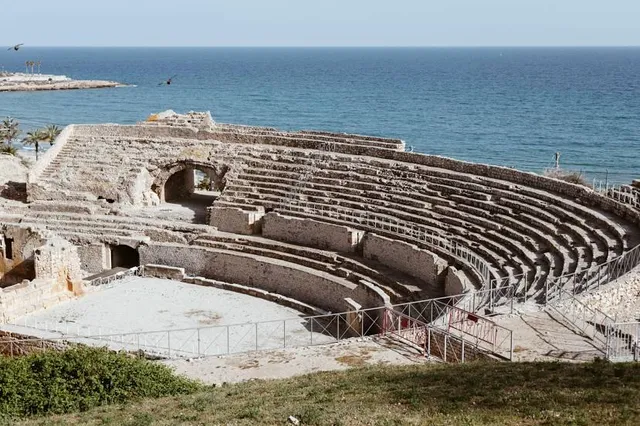
Tarragona Amphitheatre is a Roman amphitheatre in the city of Tarraco, now Tarragona, in the Catalonia region of north-east Spain. It was built in the 2nd century AD, sited close to the forum of this provincial capital. The amphitheatre could house up to 15,000 spectators, and measured 130 by 102 metres.
Cultural
Outdoor
Family friendly
attractions: Balcón del Mediterráneo, Circ Romà, Casino Tarragona, Teatre Tarragona, Museo de Arte Moderno de Tarragona, Casa de la Festa, Tarragona Turisme, Casa Canals, Casa Museu Castellarnau, TimePort Tarragona, restaurants: Don parrillon’s, Chef Clive Experience, Restaurante Miracle, El Llagut, Restaurante La Piemontesa | Tarragona, Cappuccino, Pub Highland, Red Lab, Rooftop Bar Caelum @ H10 Imperial Tarraco, Sirvent, local businesses: Balcó del Mediterrani, ALE-HOP, Playa El Miracle, Torre del Pretorio o Castillo del Rey, Spar, Torre de las Monjas, Tòtem Cafè, Monumento a Roger de Lauria, ALE-HOP, Carrefour Market
 Learn more insights from Wanderboat AI.
Phone
+34 977 24 25 79
Website
tarragona.cat
Open hoursSee all hours
Sun9 a.m. - 8 p.m.Closed
Plan your stay

Pet-friendly Hotels in Tarragona
Find a cozy hotel nearby and make it a full experience.

Affordable Hotels in Tarragona
Find a cozy hotel nearby and make it a full experience.

The Coolest Hotels You Haven't Heard Of (Yet)
Find a cozy hotel nearby and make it a full experience.

Trending Stays Worth the Hype in Tarragona
Find a cozy hotel nearby and make it a full experience.
Reviews
Live events
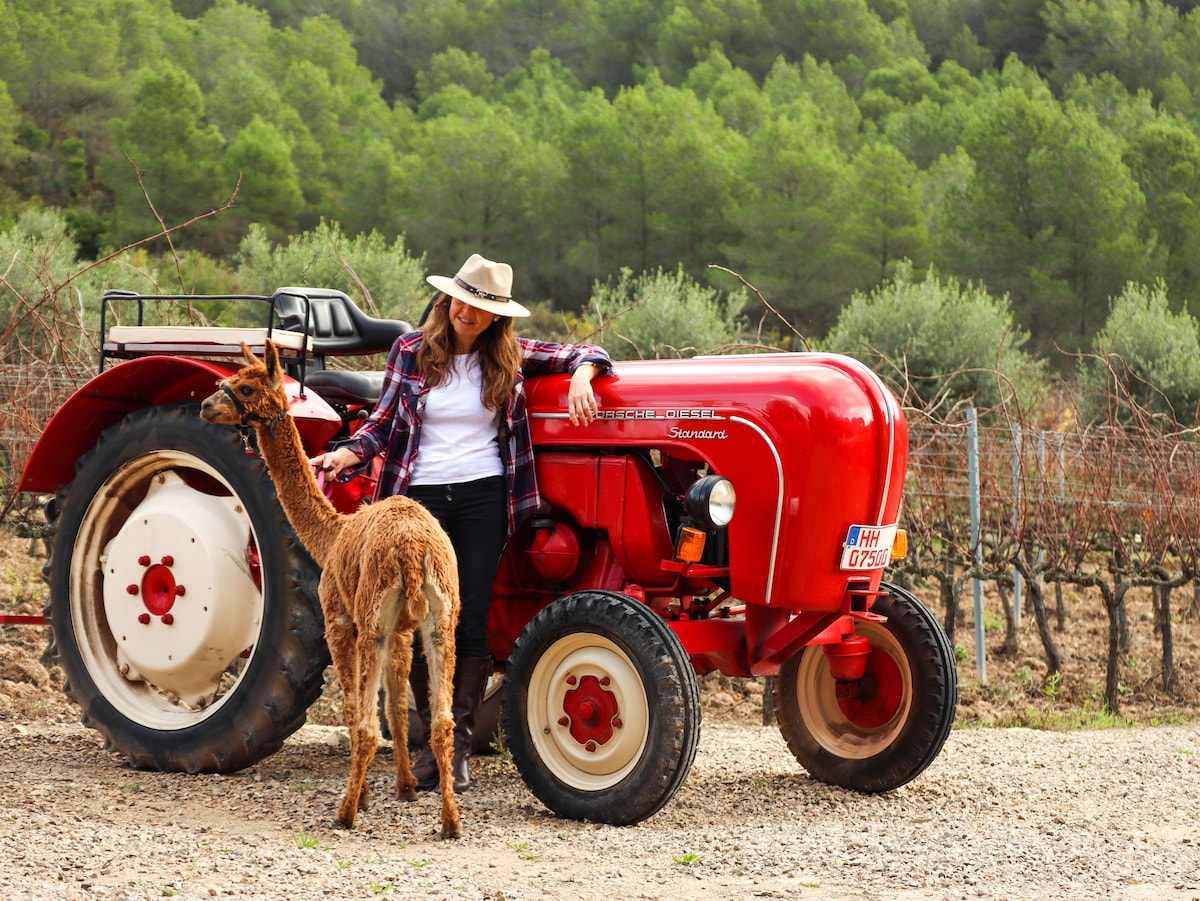
Wine tasting and alpacas in Can Marlès
Mon, Feb 23 • 11:00 AM
43812, Can Ferrer de la Cogullada, Catalonia, Spain
View details

Entradas PortAventura Park en Tarragona
Sat, Feb 28 • 10:00 AM
Av. Pere Molas, Km 2,Tarragona, 43480
View details

Museu Casteller de Catalunya
Sun, Feb 22 • 10:00 AM
Plaça Pere Català Roca, 5, Valls, Tarragona, 43800
View details
Nearby attractions of Amfiteatre de Tarragona
Balcón del Mediterráneo
Circ Romà
Casino Tarragona
Teatre Tarragona
Museo de Arte Moderno de Tarragona
Casa de la Festa
Tarragona Turisme
Casa Canals
Casa Museu Castellarnau
TimePort Tarragona
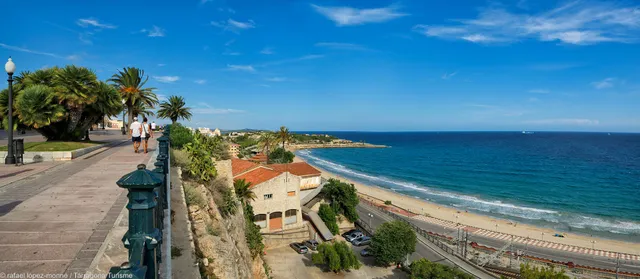
Balcón del Mediterráneo
4.7
(7.8K)
Open until 12:00 AM
Click for details
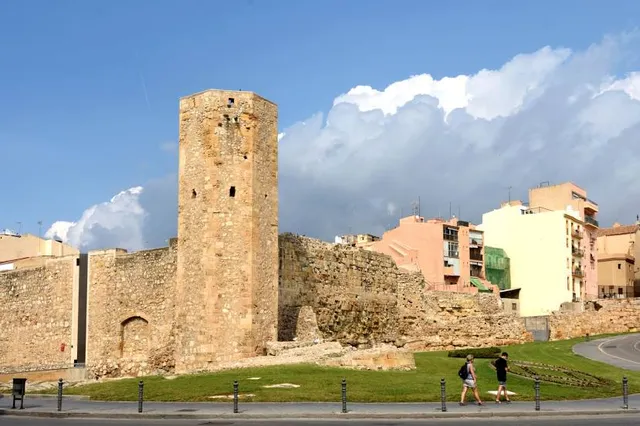
Circ Romà
4.5
(3.6K)
Closed
Click for details
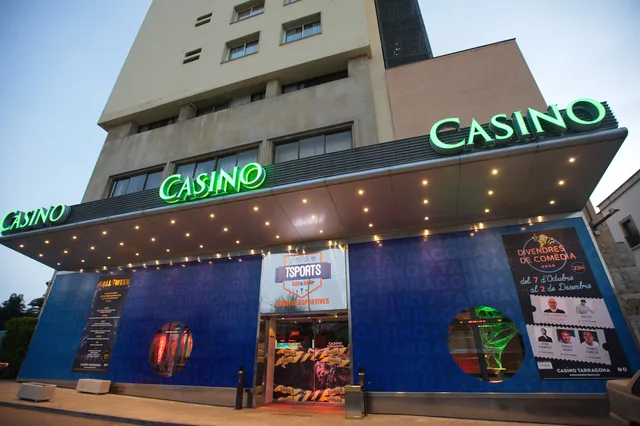
Casino Tarragona
3.8
(464)
Closed
Click for details
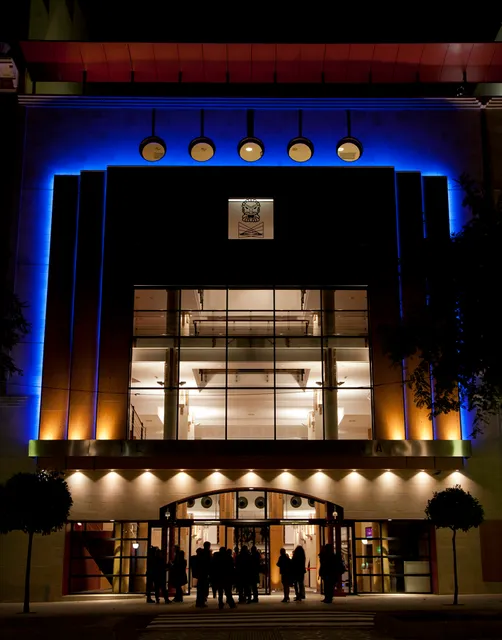
Teatre Tarragona
4.2
(493)
Open 24 hours
Click for details
Nearby restaurants of Amfiteatre de Tarragona
Don parrillon’s
Chef Clive Experience
Restaurante Miracle
El Llagut
Restaurante La Piemontesa | Tarragona
Cappuccino
Pub Highland
Red Lab
Rooftop Bar Caelum @ H10 Imperial Tarraco
Sirvent

Don parrillon’s
4.9
(31)
$
Closed
Click for details
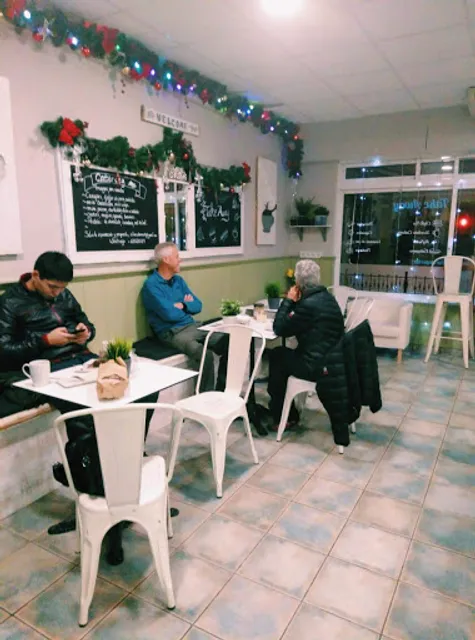
Chef Clive Experience
4.6
(366)
$
Closed
Click for details
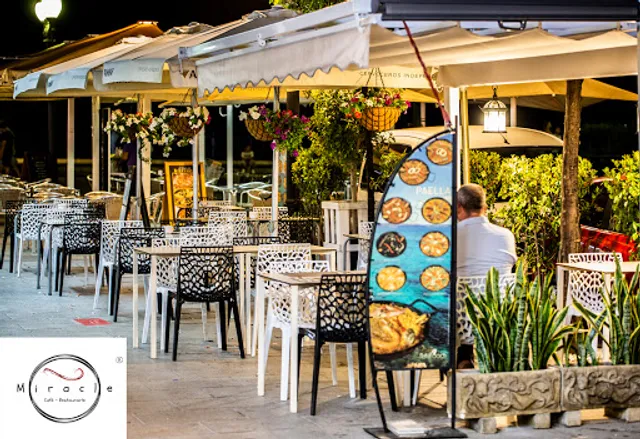
Restaurante Miracle
4.5
(547)
Click for details
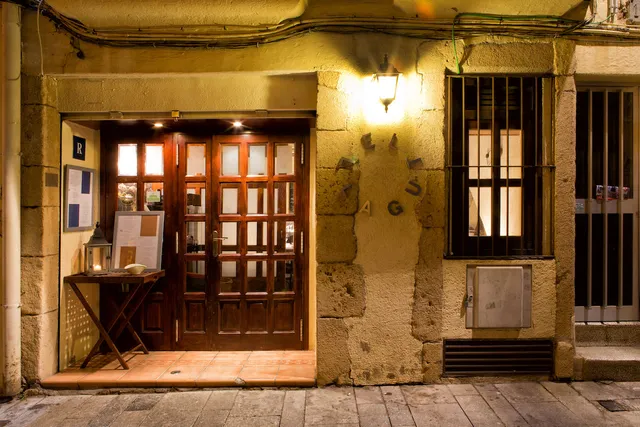
El Llagut
4.5
(982)
$$
Closed
Click for details
Nearby local services of Amfiteatre de Tarragona
Balcó del Mediterrani
ALE-HOP
Playa El Miracle
Torre del Pretorio o Castillo del Rey
Spar
Torre de las Monjas
Tòtem Cafè
Monumento a Roger de Lauria
ALE-HOP
Carrefour Market
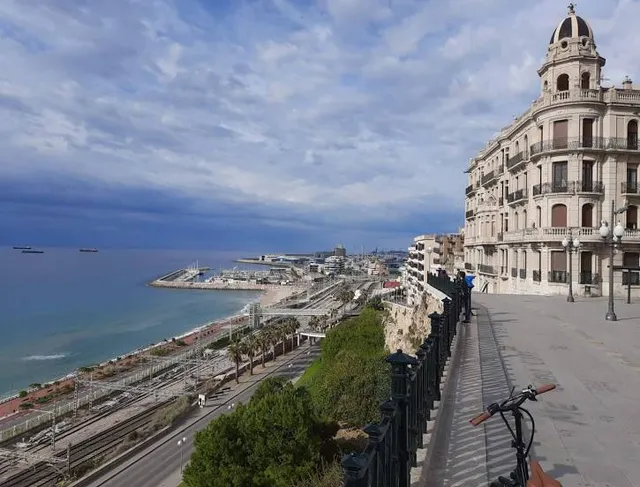
Balcó del Mediterrani
4.7
(6.3K)
Click for details
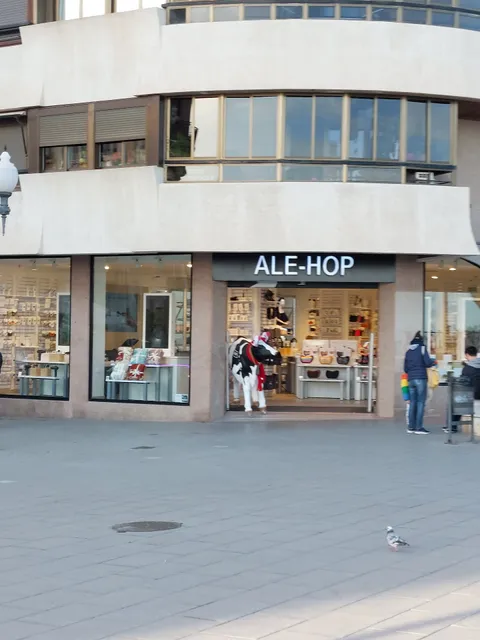
ALE-HOP
4.3
(405)
Click for details
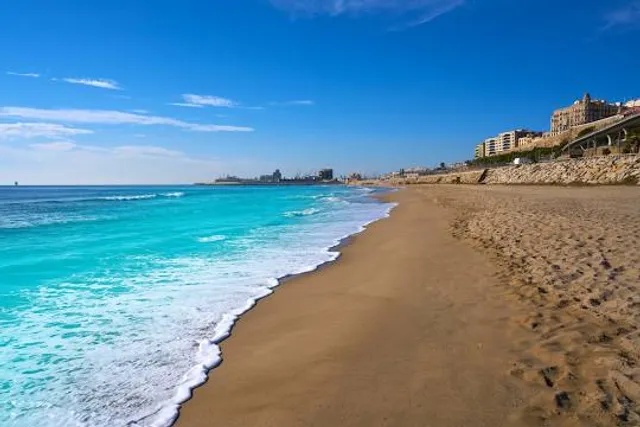
Playa El Miracle
4.3
(184)
Click for details
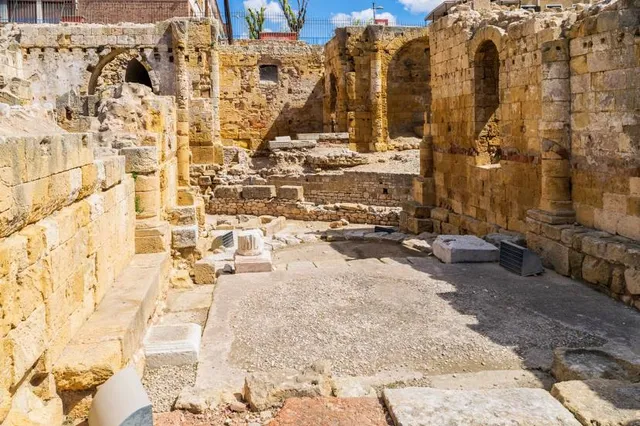
Torre del Pretorio o Castillo del Rey
4.5
(256)
Click for details