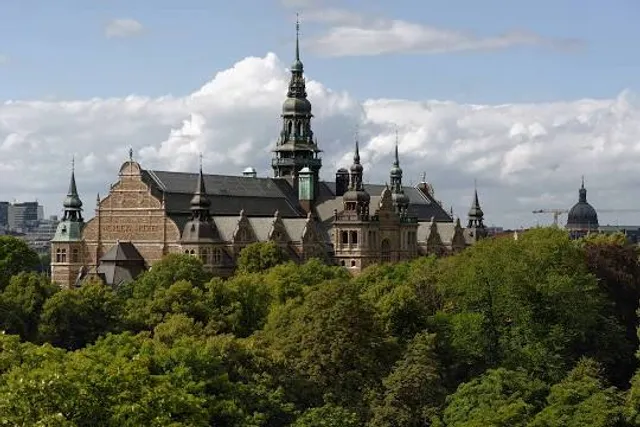
The Nordiska Museet, or Nordic Museum, is Sweden’s largest museum dedicated to the cultural history and ethnography of the Nordic region. Located on Djurgården island in Stockholm, it offers a comprehensive exploration of Scandinavian life, traditions, and history. The museum's impressive collection spans over five centuries, showcasing artifacts that reflect the everyday life, work, customs, and traditions of the people of Sweden and other Nordic countries.
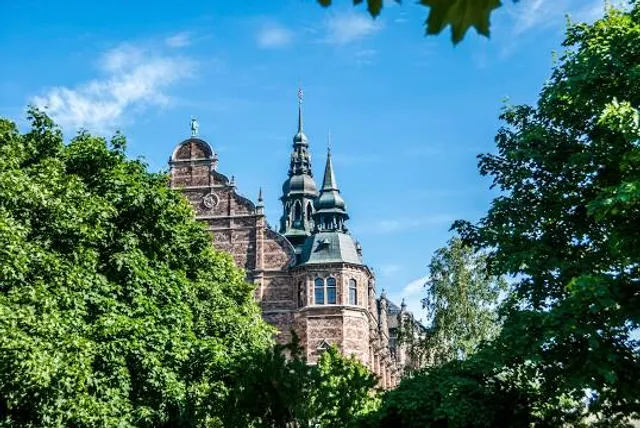
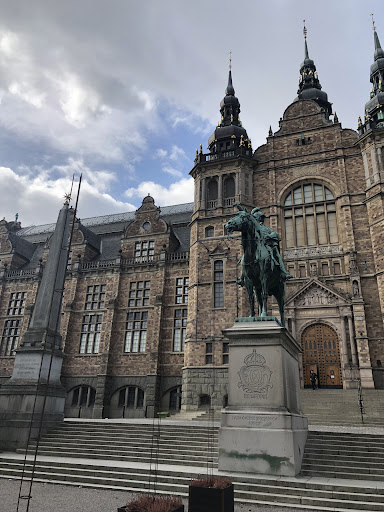
The Nordiska Museet was founded by Artur Hazelius in 1873, the same visionary who established the nearby Skansen open-air museum. The museum's grand building, completed in 1907, was designed by the renowned architect Isak Gustaf Clason. Its striking Renaissance Revival style, with a massive central hall and intricate details, makes it one of Stockholm's architectural landmarks. The building itself is a testament to Sweden’s rich architectural heritage and serves as a fitting home for the museum's extensive collections.
Fashion and Textiles: One of the highlights of the museum is its extensive collection of clothing and textiles. This includes everything from traditional folk costumes and historical garments to contemporary fashion pieces. The exhibits trace the evolution of fashion in Sweden and the broader Nordic region, highlighting changes in style, materials, and social norms.
Homes and Interiors: The museum features detailed reconstructions of traditional Swedish homes and interiors, showcasing how people lived across different periods. These exhibits include furniture, household items, and decorative arts, providing insights into domestic life and interior design trends through the ages.
Folk Art and Handicrafts: Folk art and handicrafts are prominently featured, with displays of intricate woodwork, ceramics, glassware, and textiles. These items reflect the rich traditions of Nordic craftsmanship and the cultural significance of handmade objects in daily life.
Seasonal Traditions and Celebrations: The museum explores various Nordic traditions and celebrations, such as Midsummer, Christmas, and Lucia. Exhibits include traditional decorations, costumes, and rituals associated with these festivities, offering a deep dive into the cultural practices that shape Nordic identity.
Sami Culture: Dedicated sections of the museum focus on the Sami people, the indigenous inhabitants of the Nordic region. The exhibits highlight Sami history, culture, and traditions, featuring traditional clothing, tools, and artifacts that reflect their unique way of life.
Everyday Life and Work: The museum provides an extensive look at everyday life and work in Sweden, with exhibits covering agriculture, fishing, crafts, and industrial development. These displays offer a comprehensive view of how Swedes have lived and worked over the centuries, adapting to changing social and economic conditions.
The Nordiska Museet regularly hosts special exhibitions that delve into specific aspects of Nordic culture, history, and contemporary issues. These temporary exhibits often include interactive elements, multimedia displays, and activities for visitors of all ages.
The museum offers a variety of educational programs and activities designed to engage visitors and deepen their understanding of Nordic culture. These include guided tours, workshops, lectures, and family-friendly activities. The museum’s educational initiatives aim to make history accessible and enjoyable for everyone. Facilities and Amenities
The Nordiska Museet is a treasure trove of Nordic cultural heritage, offering a rich and immersive experience for anyone interested in the history, traditions, and everyday life of the Nordic region. Its extensive collections and engaging exhibits provide a fascinating journey through time, highlighting the unique cultural identity of Sweden and its neighboring countries. Whether you are a history enthusiast, a culture buff, or a curious traveler, the Nordiska Museet is a must-visit destination...
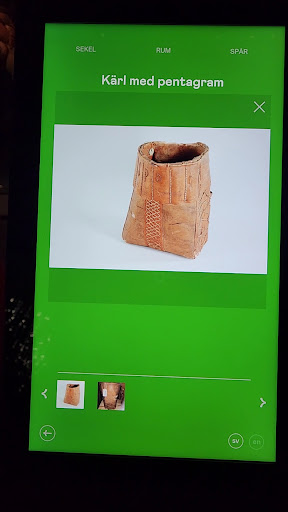
Read moreHonestly, reviews are mixed, but I thought I'd visit when a Swedish friend recommended, Now I know why the reviews are mixed. There is only Swedish. I literally asked about 15 different people to translate a few things, and some mistranslated or couldn't. These are just random tourists, but there was no English available! There is also NO STAFF other than the 2 people at reception who are busy with tickets. I could literally just look at items and have no clue or just guess. I am really disappointed. So if you don't understand, you could literally walk the entire museum in 30 minutes. I was really excited to see some sections, I was lucky to have 2 people translate a few things that I was interested in but I don't want to annoy them by following and asking the entire time. I spent the rest of it taking photos and translating, but it killed my phone battery!!! The price you pay to go in is not worth it when there are no other languages. Also I walked everywhere and there were no stairs to the 4th floor.... i went back to reception for directions, and there is 1 elevator in the back of the museum on the 2nd floor that goes there, so the queue is long/ elevator is packed. The 4th floor is the best floor, and luckily, maybe 5 out 100 things had some English. It wasn't the full translation, but at least I knew what it was about, aka a funeral or something to do with religion, vs. What is this item? I wouldn't pay to go unless you knew Swedish or had a friend who can translate. The ground floor had English but it was all about climate change. There was a video included in the ticket and nobody told me, so I stood by the door and it opened but I wasn't sure if I had to pay extra or not so I tried to find staff... then it shut and wouldn't open!!! Again, no staff anywhere so I couldn't even go in, not have information. I went back after seeing whole museum and it was still shut. Maybe I was lucky to not have went in because you'd be stuck in there for idk how long and nothing in English so you wouldn't even know what's going on and...
Read moreThis one takes a while to get around! You can download their audio guide as an app and if you listen to them all it'll take you around 4 hours, and that doesn't include reading the information available and actually looking at the displays. So if you want to see everything here make sure to give yourself a fair amount of time!
I found the top (4th) floor the most interesting, going through Swedish history from 1500-2000s. As a non-Swede I really enjoyed learning more about the country.
The 3rd floor was a mix of traditions (really interesting and wish I'd had more time to spend there), table settings (as a Brit this wasn't that different to our own history in the most part so I didn't enjoy this section as much, but non-Europeans will likely find it interesting), and weirdly a whole section on British fashion! Didn't spend too long in thst section, just long enough to take some pictures to send to my parents of the clothes they used to wear 🤣
The main floor is the 2nd floor. This hosts an exhibition on the Arctic, which also delves into the Sami people and how they have historically lived in this area. I found this section fascinating. There's also a 1940s Swedish flat, the equivalent of UK Council Housing, and that was really interesting to see what the standard of living was at this point.
The first floor has the Gift shop, which was a little expensive for me, as well as some other small sections but I didn't have time to look at those unfortunately.
If you can download the app I recommend because it gives you a lot of extra info and points out specific articles in the exhibitions (and is available in Swedish, Swedish for kids, English, French, German, Spanish, Italian, Ukrainian, Russian, easy Swedish, Finnish, Simplified Mandarin...
Read more