Wasserkirche things to do, attractions, restaurants, events info and trip planning
Basic Info
Wasserkirche
Limmatquai 31, 8001 Zürich, Switzerland
4.6(162)
Open until 12:00 AM
Save
spot
spot
Ratings & Description
Info
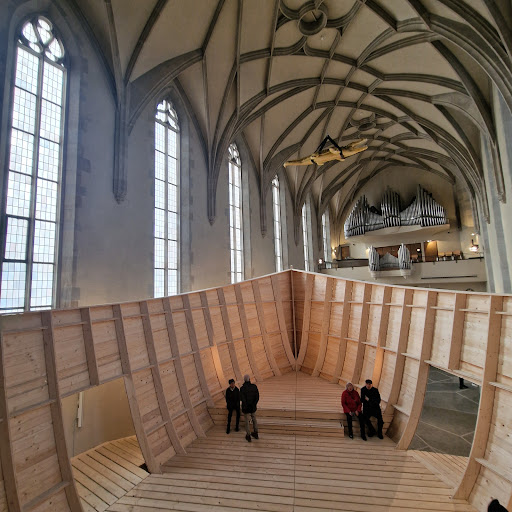
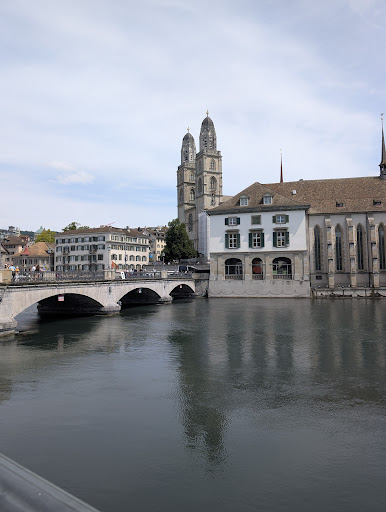
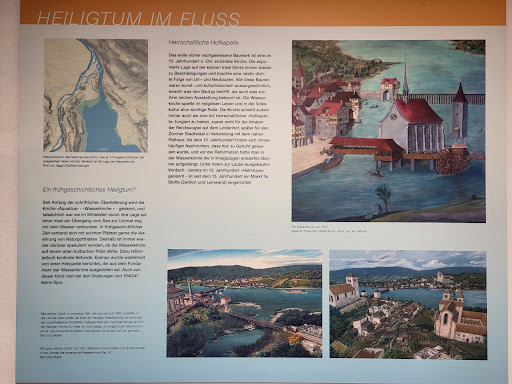
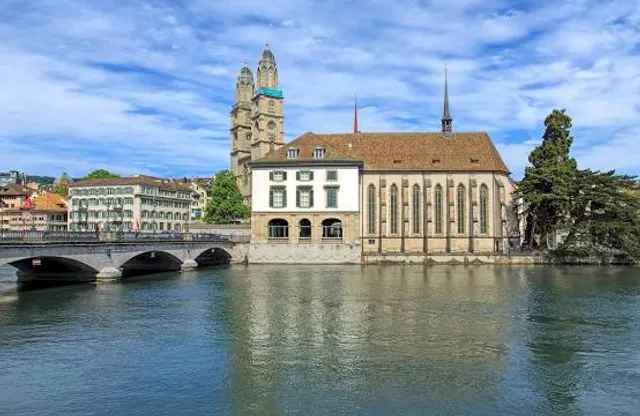
The Wasserkirche of Zürich, first mentioned as ecclesia Aquatica Turicensi around 1250 and as wazzirkilcha in 1256, is a church built on a small island in the Limmat, situated between the two main churches of medieval Zürich, the Grossmünster and the Fraumünster, at the Limmatquai and the Münsterbrücke.
Cultural
Accessibility
Family friendly
attractions: Grossmünster, Helmhaus, Fraumünster Church, Ulrich Zwingli Monument, St. Peter, Cabaret Voltaire, Lindenhof, Kulturhaus Helferei, Quaibrücke, Paradeplatz, restaurants: Restaurant Le Dézaley Zürich, Pizzeria Ristorante Molino Select, Zeughauskeller, Mère Catherine, Restaurant Le Cèdre - Bellevue, Ban Song Thai Restaurant, Papa Joe's, Haus zum Rüden, Bodega Espanola, Karl der Grosse, local businesses: Münsterbrücke, Teddy's Souvenir Shop AG, dieci gelato e caffè Limmatquai, Frauenbad Stadthausquai, MEISTER Trauringe, Verlobungsringe und Schmuck im MEISTER Store in Zürich, Wochenmarkt Bürkliplatz, Green World Diamonds AG (Labor Diamanten | Lab Grown Diamonds, Verlobungsringe, Trauringe, Schmuck), Bauschänzli, Limmatquai, Club Bellevue | Eventlocation
 Learn more insights from Wanderboat AI.
Phone
+41 44 250 66 50
Website
wasserkirche.ch
Open hoursSee all hours
SunClosedOpen
Plan your stay

Pet-friendly Hotels in Zurich
Find a cozy hotel nearby and make it a full experience.

Affordable Hotels in Zurich
Find a cozy hotel nearby and make it a full experience.

The Coolest Hotels You Haven't Heard Of (Yet)
Find a cozy hotel nearby and make it a full experience.

Trending Stays Worth the Hype in Zurich
Find a cozy hotel nearby and make it a full experience.
Reviews
Live events
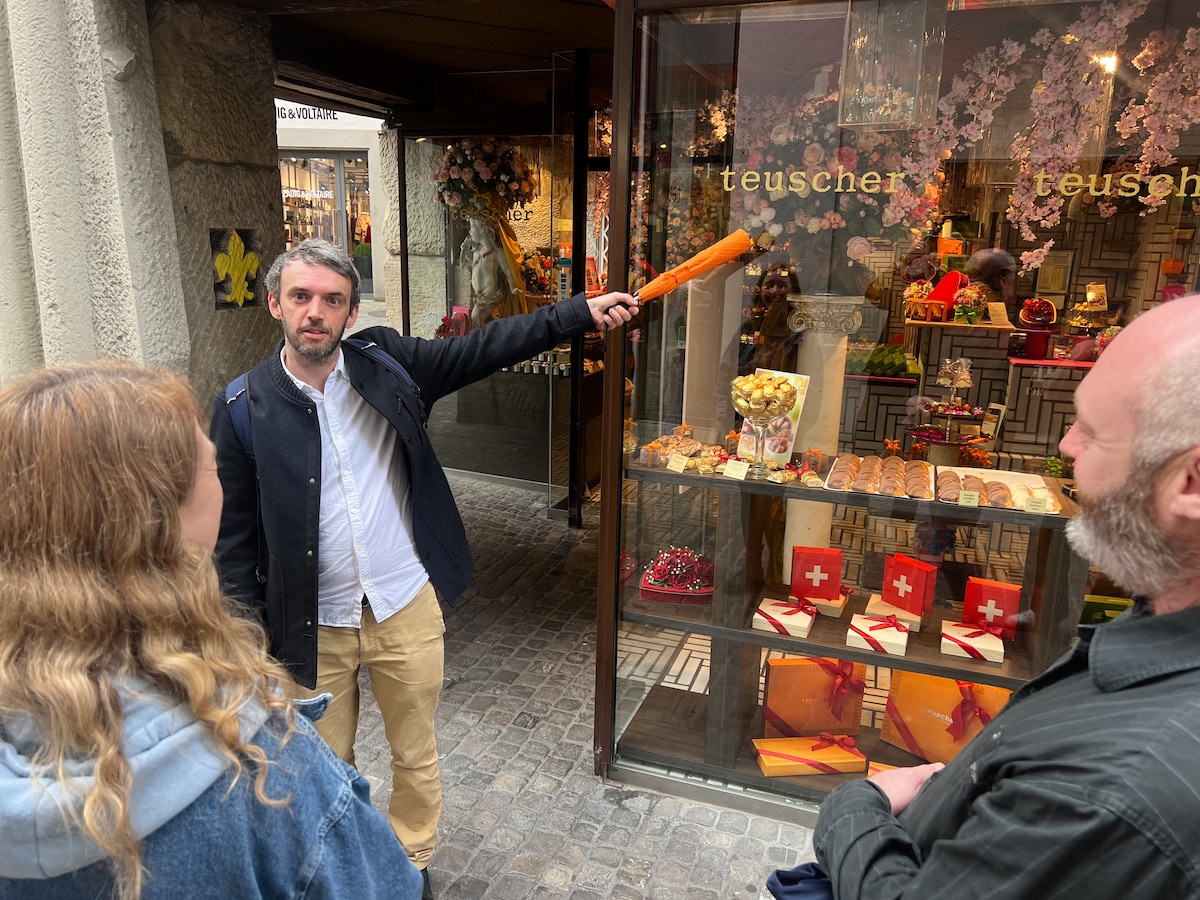
Zurich Food Tour with Authentic Swiss Delicacies
Mon, Feb 9 • 10:30 AM
8001, Zürich, Switzerland
View details
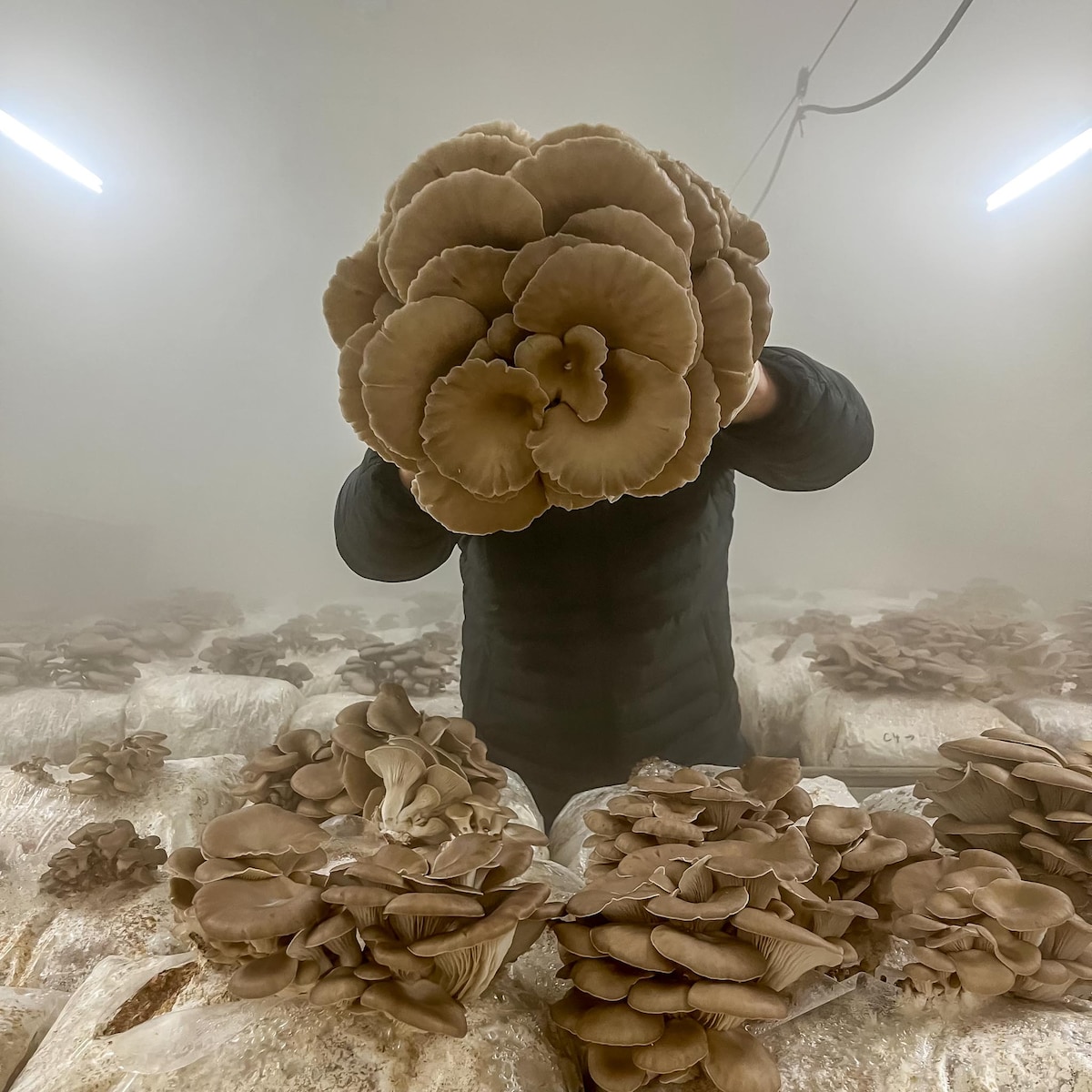
Underground world of mushrooms in Zurich
Sat, Feb 14 • 10:00 AM
8055, Zürich, Switzerland
View details
Candlelight: Tribut an Hans Zimmer
Sun, Feb 8 • 4:00 PM
Limmatquai 40, Zürich, 8001
View details
Nearby attractions of Wasserkirche
Grossmünster
Helmhaus
Fraumünster Church
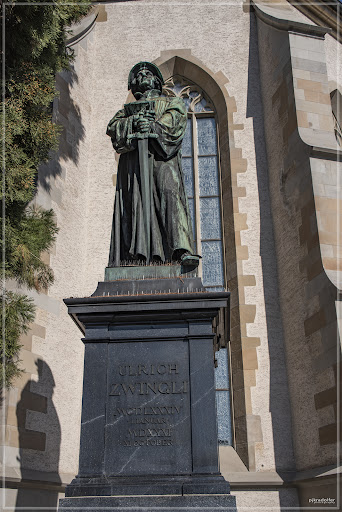
Ulrich Zwingli Monument
St. Peter
Cabaret Voltaire
Lindenhof
Kulturhaus Helferei
Quaibrücke
Paradeplatz
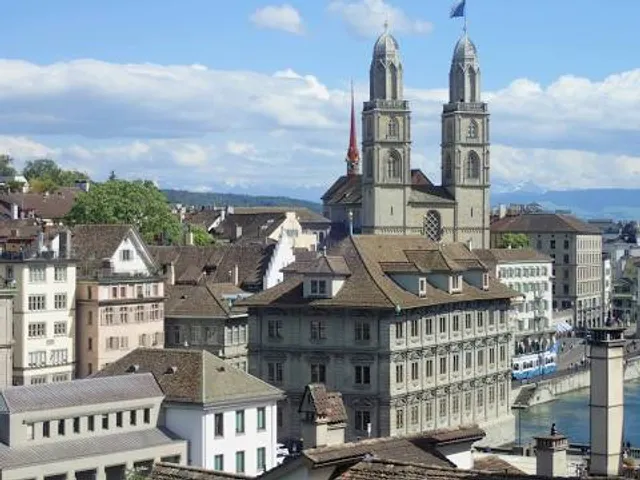
Grossmünster
4.5
(4.1K)
Closed
Click for details
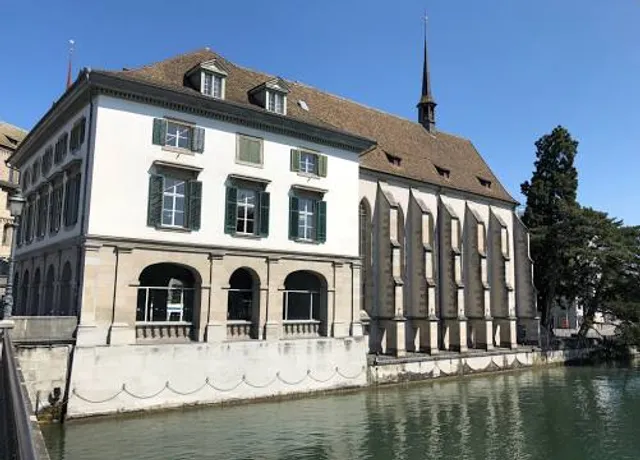
Helmhaus
4.5
(185)
Closed
Click for details
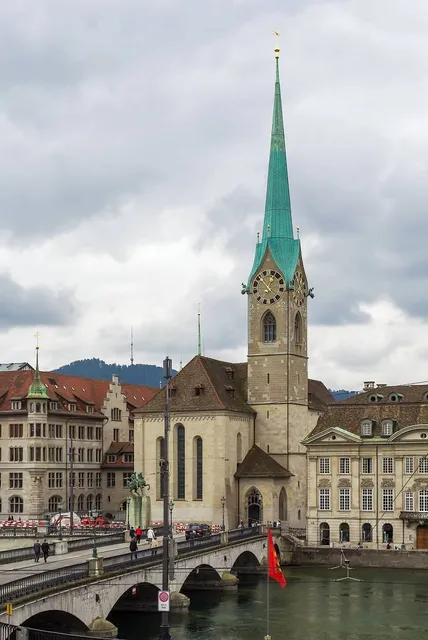
Fraumünster Church
4.5
(2K)
Open until 12:00 AM
Click for details
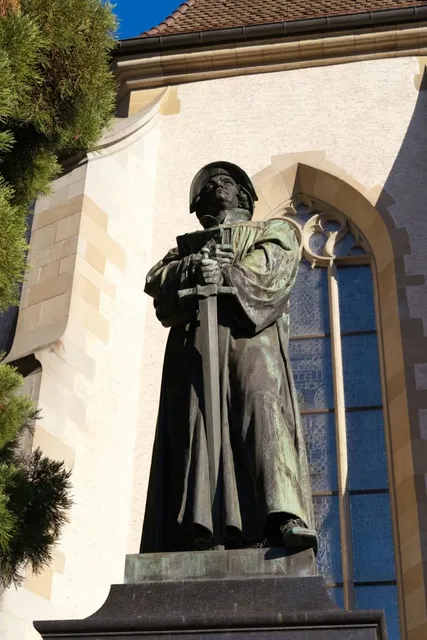
Ulrich Zwingli Monument
4.5
(48)
Open until 12:00 AM
Click for details
Nearby restaurants of Wasserkirche
Restaurant Le Dézaley Zürich
Pizzeria Ristorante Molino Select
Zeughauskeller
Mère Catherine
Restaurant Le Cèdre - Bellevue
Ban Song Thai Restaurant
Papa Joe's
Haus zum Rüden
Bodega Espanola
Karl der Grosse
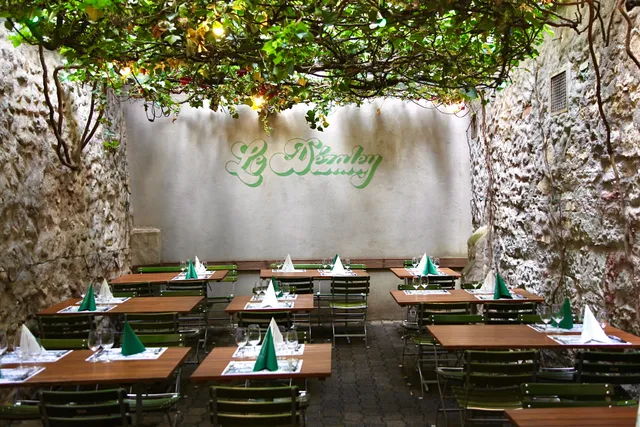
Restaurant Le Dézaley Zürich
4.2
(1.2K)
$$
Open until 12:00 AM
Click for details
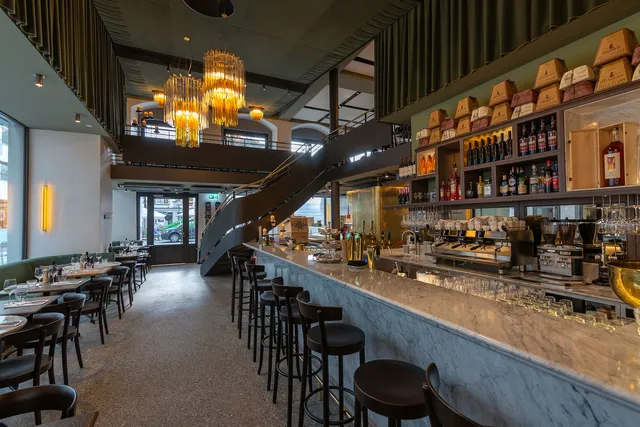
Pizzeria Ristorante Molino Select
4.0
(750)
$$
Closed
Click for details
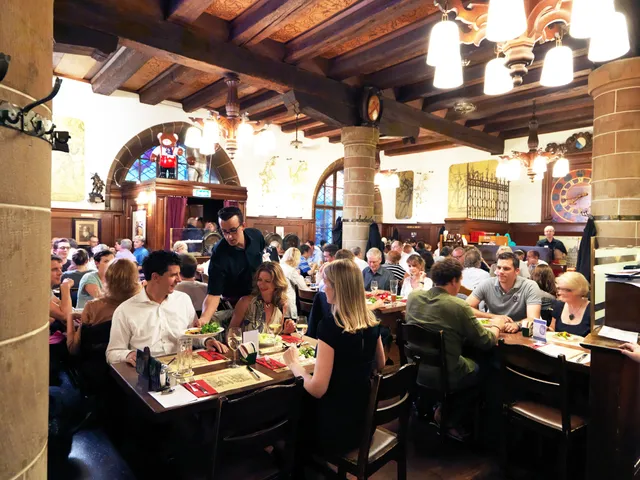
Zeughauskeller
4.4
(5.5K)
Closed
Click for details
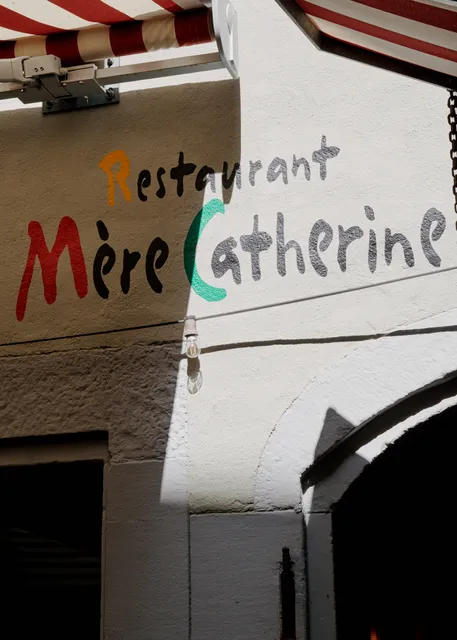
Mère Catherine
4.5
(799)
Closed
Click for details
Nearby local services of Wasserkirche
Münsterbrücke
Teddy's Souvenir Shop AG
dieci gelato e caffè Limmatquai
Frauenbad Stadthausquai
MEISTER Trauringe, Verlobungsringe und Schmuck im MEISTER Store in Zürich
Wochenmarkt Bürkliplatz
Green World Diamonds AG (Labor Diamanten | Lab Grown Diamonds, Verlobungsringe, Trauringe, Schmuck)
Bauschänzli
Limmatquai
Club Bellevue | Eventlocation
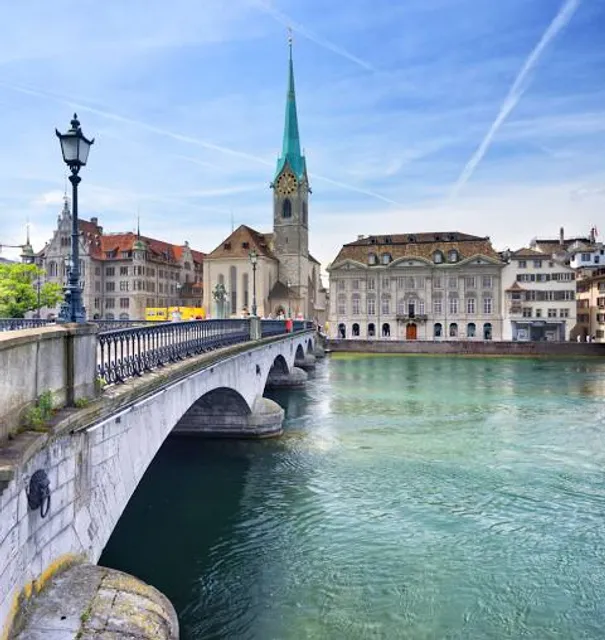
Münsterbrücke
4.8
(294)
Click for details
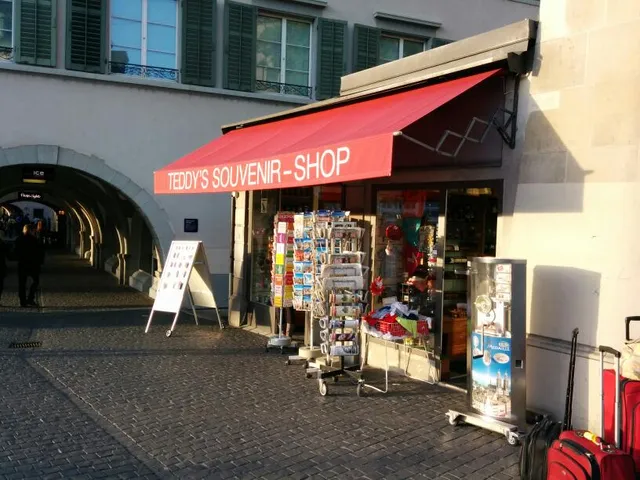
Teddy's Souvenir Shop AG
4.3
(335)
Click for details

dieci gelato e caffè Limmatquai
4.3
(58)
Click for details
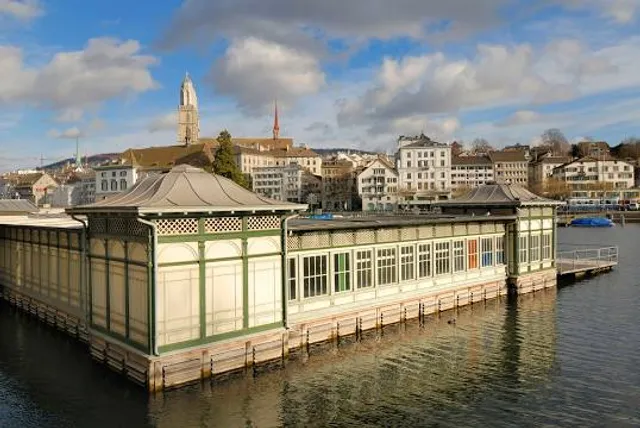
Frauenbad Stadthausquai
4.6
(240)
Click for details