Fort San Domingo things to do, attractions, restaurants, events info and trip planning
Basic Info
Fort San Domingo
251, Taiwan, New Taipei City, Tamsui District, 中正路28巷1號
4.4(6.1K)
Closed


tickets
Save
spot
spot
Ratings & Description
Info
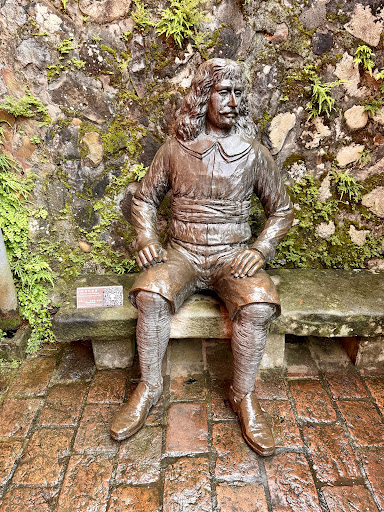
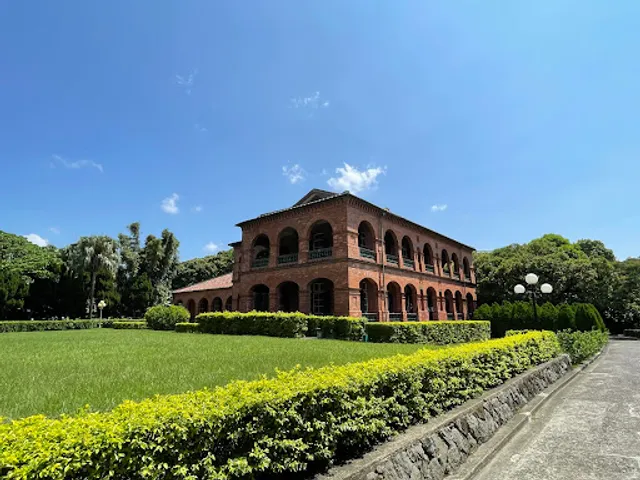
Fort Santo Domingo is a historical fortress in Tamsui District, New Taipei City, Taiwan. It was originally a wooden fort built in 1628 by the Spanish Empire, who named it "Fort Santo Domingo".
Cultural
Scenic
Family friendly
Accessibility
attractions: Tamsui Customs Wharf, Former Residence of the British Consul, Tamsui Customs Officers' Residence, 大禮拜堂, Wu Dengyi Art Museum, Former residence of Tada Eikichi, 新北市立淡水古蹟博物館行政中心(辦公室,非參觀館所), Chi Po-lin Museum, Hobe Fort, Douglas Lapraik & Co., restaurants: LA VILLA DANSHUI, Monini, Pescador Cafe 漁人咖啡, M-e-m-o-r-y, Chien Yen Tamsui Branch, Ancre Café, 淡水長堤咖啡餐館LB Cafe, Sea Beans Restaurant, Tamsui Wenhua A-gei, 之間 茶食器, local businesses: CLUB.R健身俱樂部, Tamsui Passenger Ship Wharf E 、 F, 香草街屋
 Learn more insights from Wanderboat AI.
Phone
+886 2 2623 1001
Open hoursSee all hours
Sun9:30 AM - 6 PMClosed
Plan your stay

Pet-friendly Hotels in New Taipei
Find a cozy hotel nearby and make it a full experience.

Affordable Hotels in New Taipei
Find a cozy hotel nearby and make it a full experience.

The Coolest Hotels You Haven't Heard Of (Yet)
Find a cozy hotel nearby and make it a full experience.

Trending Stays Worth the Hype in New Taipei
Find a cozy hotel nearby and make it a full experience.
Reviews
Live events

戲劇療癒茶室:沖淡過年的角色,回歸舒適的自己
Mon, Feb 23 • 11:30 AM
可能存在的遊樂園 CollaPlay, 108, Taiwan, Taipei City, Wanhua District, Section 2, Wuchang St, 83之6號3樓
View details
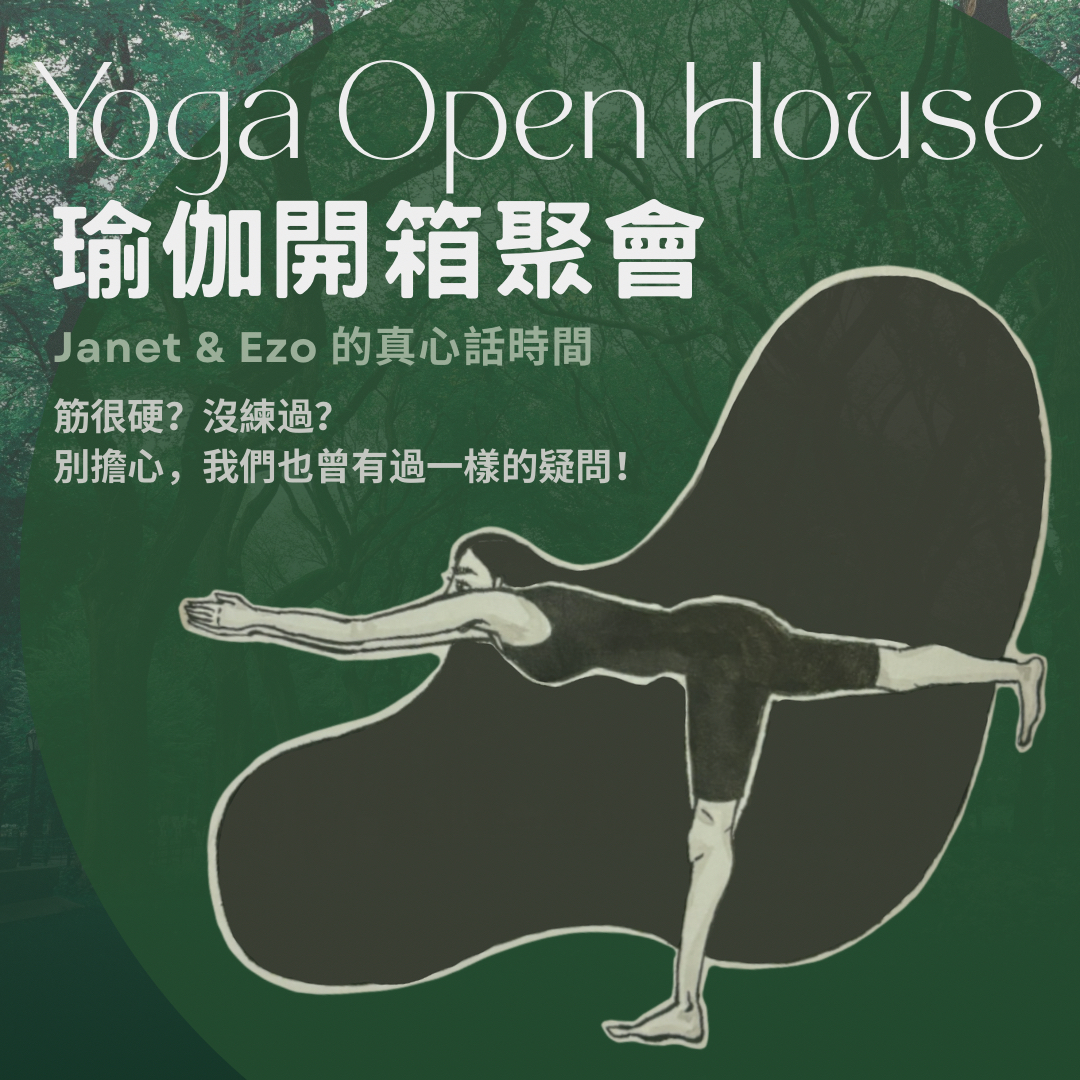
Yoga Open House | 瑜珈開箱聚會
Thu, Feb 26 • 11:00 AM
Songshan District, Taipei City
View details

#038 HYROX Taipei Shake Out Run
Thu, Feb 26 • 11:30 AM
So Tipsy, 110, Taiwan, Taipei City, Xinyi District, Songren Rd, 38號一樓
View details
Nearby attractions of Fort San Domingo
Tamsui Customs Wharf
Former Residence of the British Consul
Tamsui Customs Officers' Residence
大禮拜堂
Wu Dengyi Art Museum
Former residence of Tada Eikichi
新北市立淡水古蹟博物館行政中心(辦公室,非參觀館所)
Chi Po-lin Museum
Hobe Fort
Douglas Lapraik & Co.
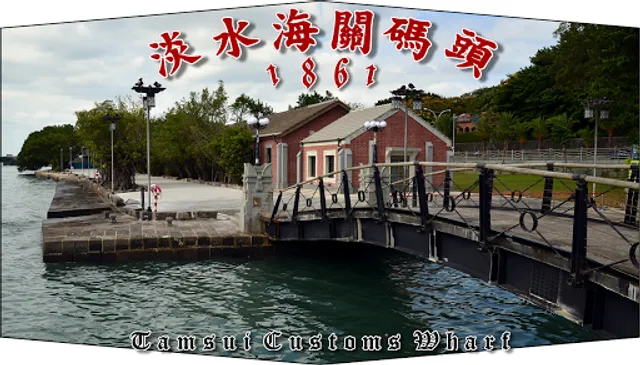
Tamsui Customs Wharf
4.4
(2.4K)
Closed
Click for details
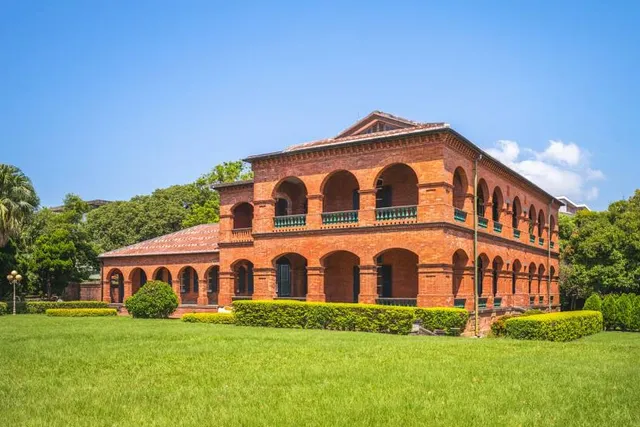
Former Residence of the British Consul
4.5
(246)
Closed
Click for details
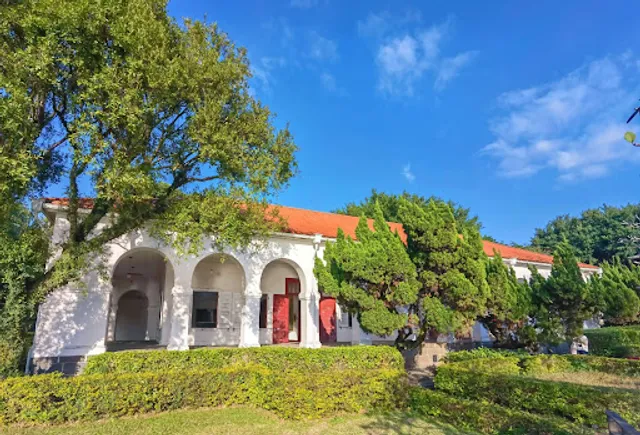
Tamsui Customs Officers' Residence
4.2
(2K)
Closed
Click for details
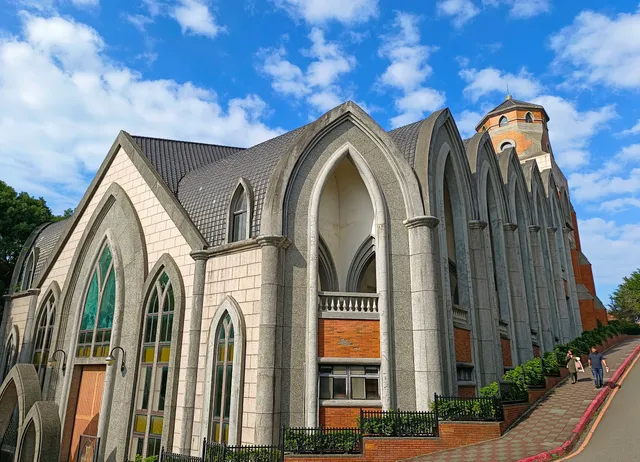
大禮拜堂
4.5
(48)
Open 24 hours
Click for details
Nearby restaurants of Fort San Domingo
LA VILLA DANSHUI
Monini
Pescador Cafe 漁人咖啡
M-e-m-o-r-y
Chien Yen Tamsui Branch
Ancre Café
淡水長堤咖啡餐館LB Cafe
Sea Beans Restaurant
Tamsui Wenhua A-gei
之間 茶食器
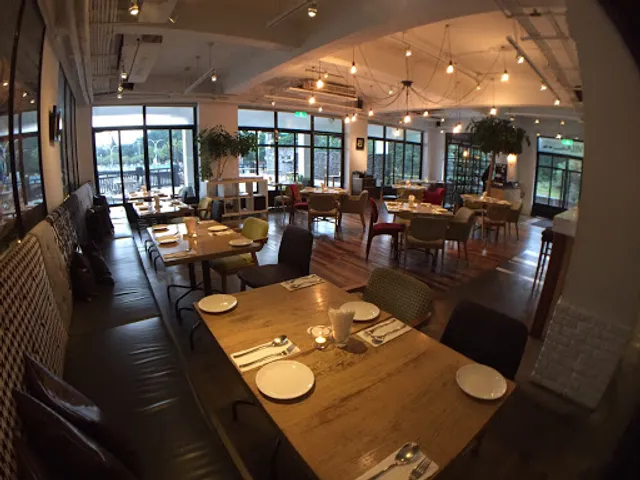
LA VILLA DANSHUI
4.3
(1.7K)
Open until 10:00 PM
Click for details
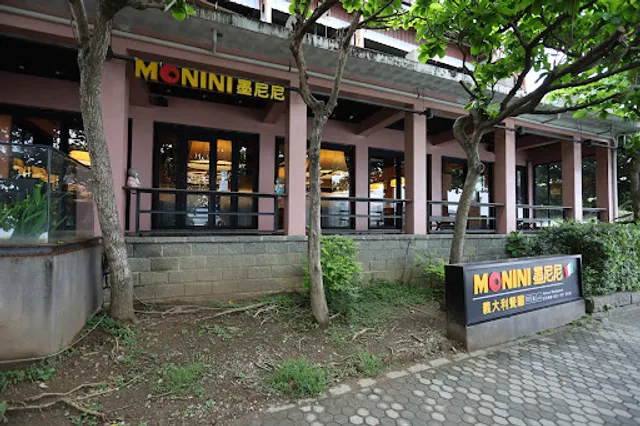
Monini
4.1
(2.5K)
Open until 9:00 PM
Click for details
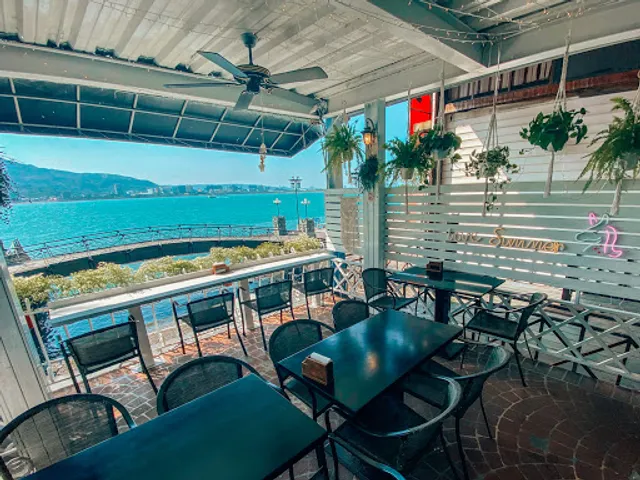
Pescador Cafe 漁人咖啡
4.2
(713)
Open until 9:00 PM
Click for details
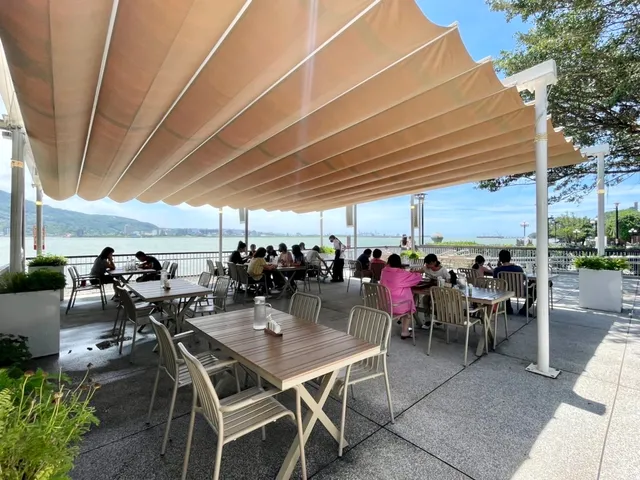
M-e-m-o-r-y
4.5
(683)
Open until 9:00 PM
Click for details
Nearby local services of Fort San Domingo
CLUB.R健身俱樂部
Tamsui Passenger Ship Wharf E 、 F
香草街屋
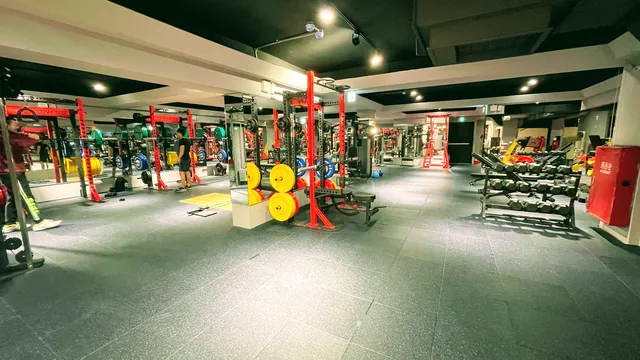
CLUB.R健身俱樂部
4.9
(80)
Click for details
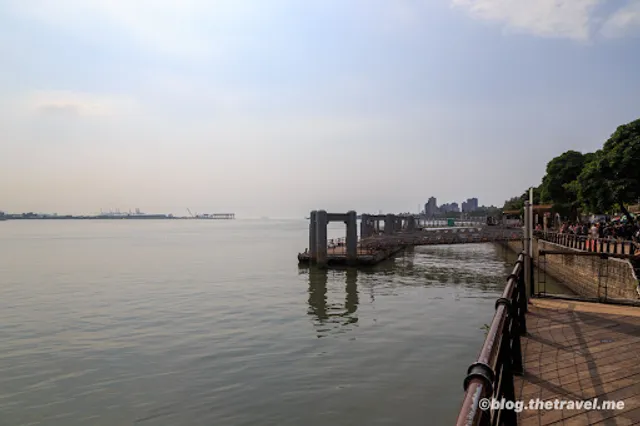
Tamsui Passenger Ship Wharf E 、 F
3.8
(23)
Click for details
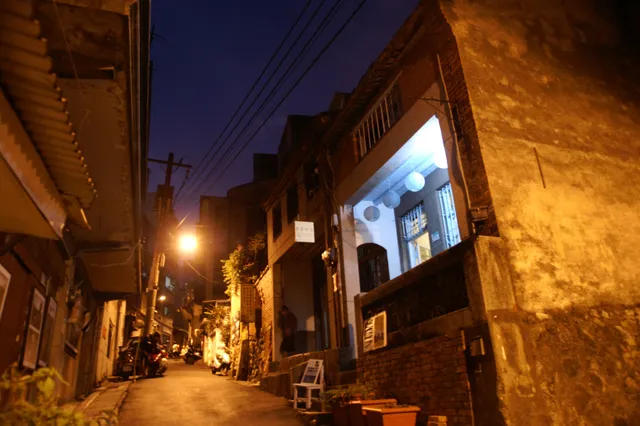
香草街屋
4.8
(39)
Click for details