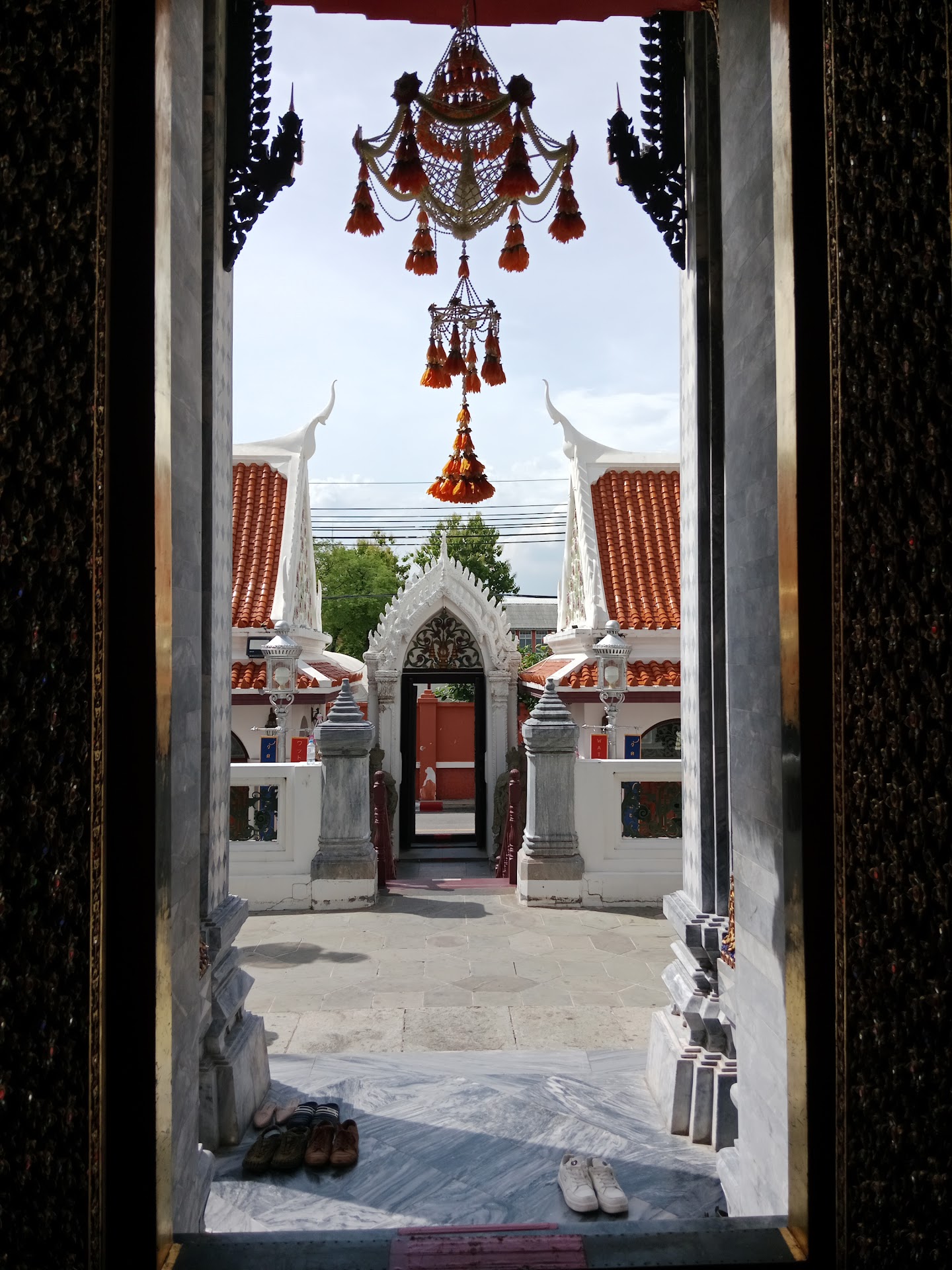
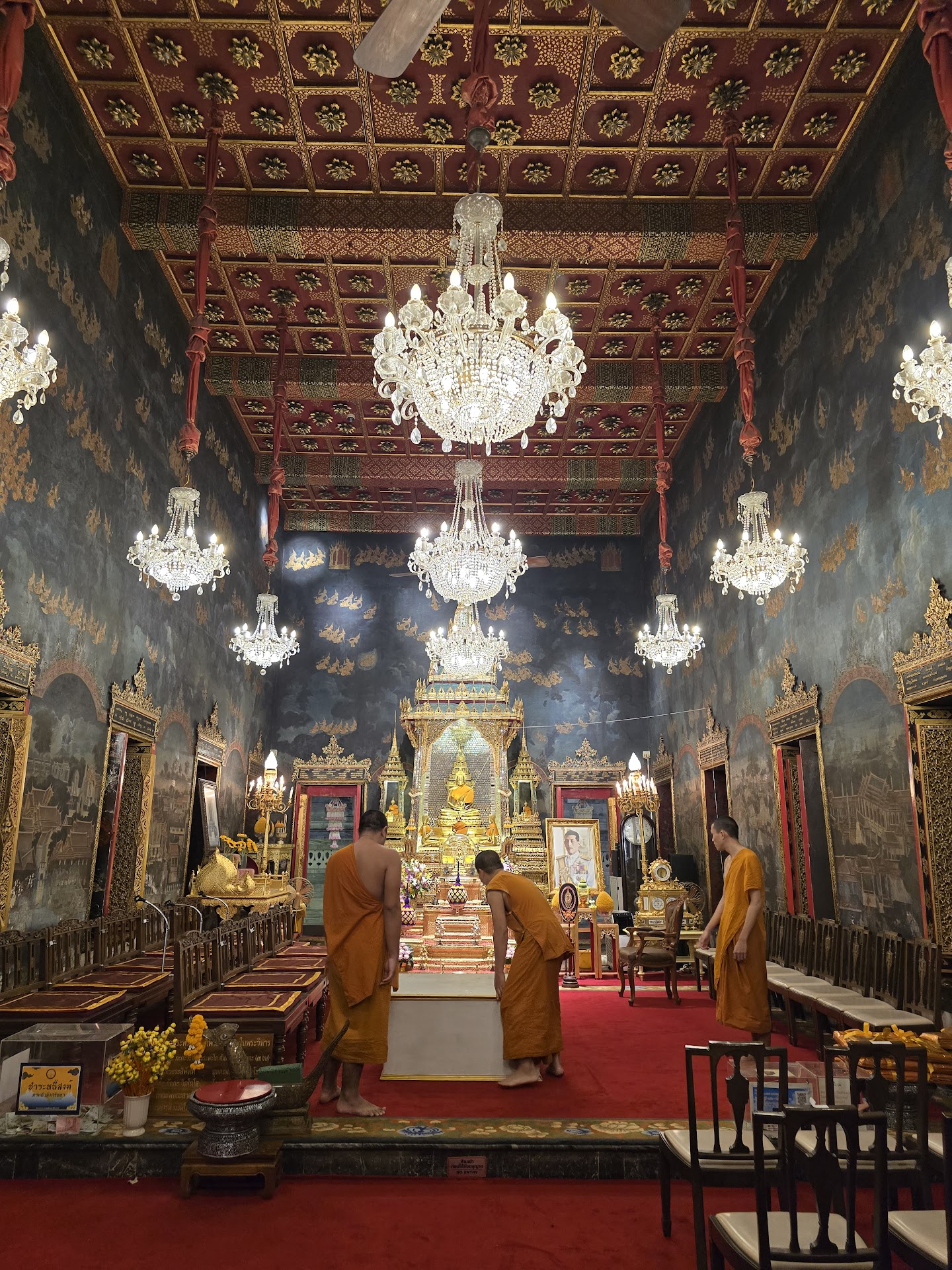
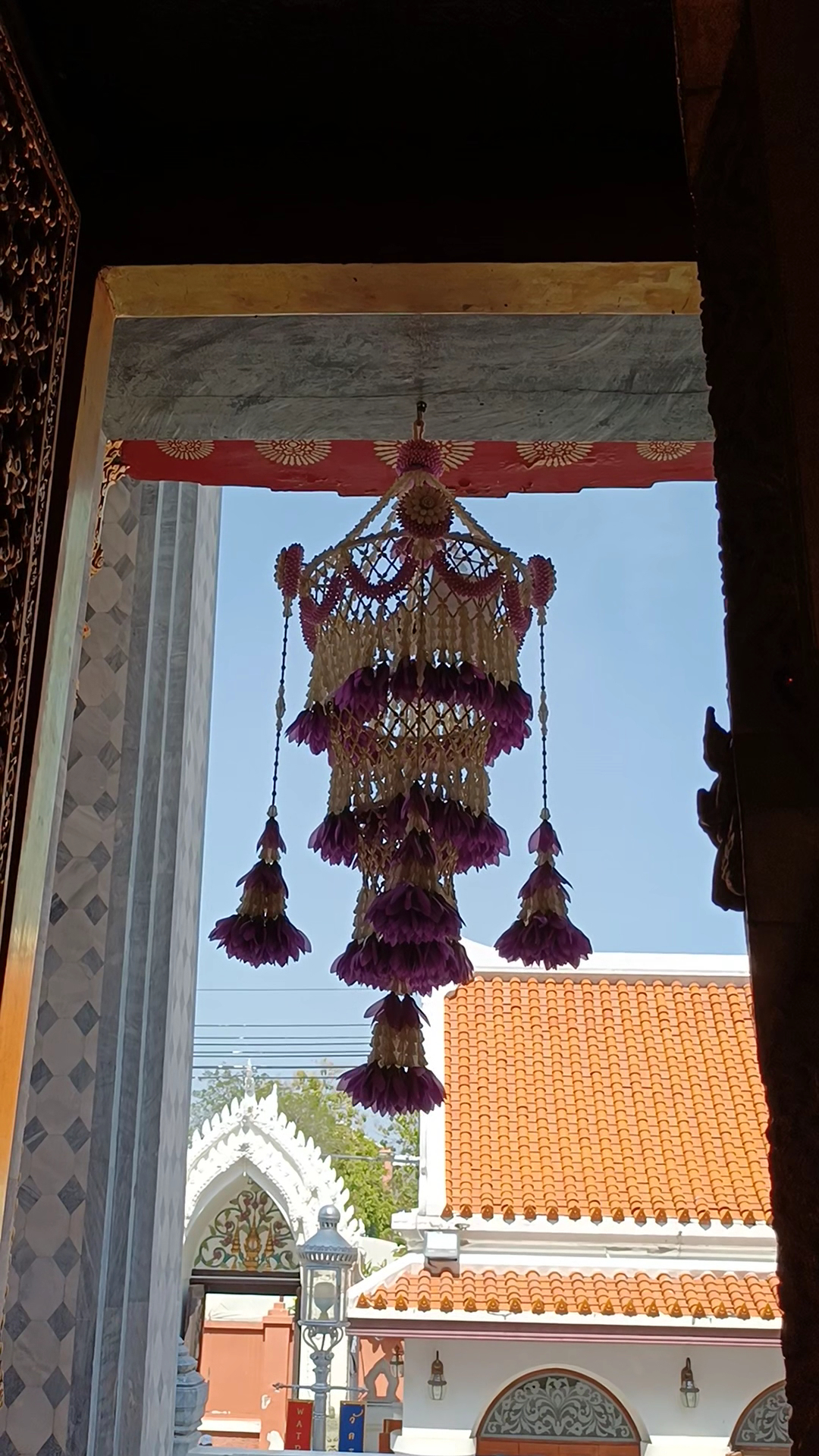
Wat Ratchapradit Sathit Maha Simaram things to do, attractions, restaurants, events info and trip planning
Basic Info
Wat Ratchapradit Sathit Maha Simaram
2 Saranrom Rd, Phra Borom Maha Ratchawang, Phra Nakhon, Bangkok 10200, Thailand
4.7(431)
Closed
Save
spot
spot
Ratings & Description
Info
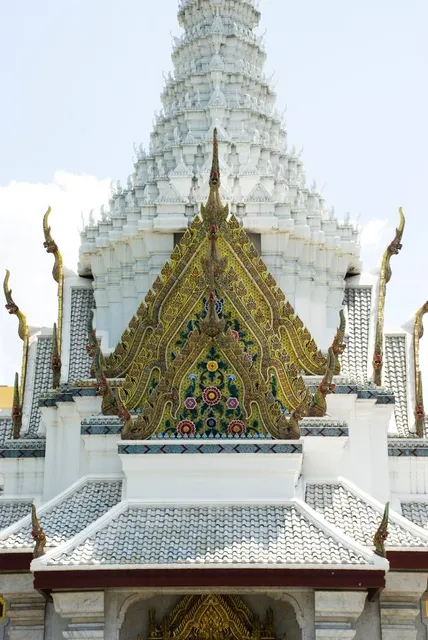
Wat Ratchapradit Sathit Mahasimaram Ratcha Wora Maha Viharn is a Buddhist temple in the Phra Nakhon District of Bangkok. Wat Ratchaparadit was designated a first-class royal monastery in 1915, making it one of the most significant temples in Thailand.
Cultural
Scenic
Family friendly
Accessibility
attractions: Saranrom Park, The Temple of the Emerald Buddha, The Grand Palace, Saranrom Palace, Wat Suthat Thepwararam Ratchaworamahawihan, Sala Chalermkrung Royal Theatre, Museum Siam, Sanam Luang, Grand Palace, Chakri Maha Prasat Throne Hall, restaurants: Kope Hya Tai Kee Na Saranrom, Laun, IM En Ville, Motu Bangkok, เกาเหลาสมองหมูไทยทำ, PAULETTE BKK, Craftsman Roastery at Old Town, Alice Cafe, Anya Authentic Thai Cuisine, K. Panich Sticky Rice, local businesses: Wat Ratchabophit Sathitmahasimaram Ratchaworawihan, The Temple of the Emerald Buddha, Bangkok City Pillar Shrine, Wat Phra Chetuphon Wimon Mangkhalaram Rajwaramahawihan, Wat Phra Chetuphon Wimon Mangkhalaram Rajwaramahawihan, Trok Mor Morning Market, The Reclining Buddha, WhaleLO Luggage Storage - Wat Phra Chetuphon, The Old Siam Plaza, Rattanakosin Island
 Learn more insights from Wanderboat AI.
Phone
+66 86 500 6123
Website
facebook.com
Open hoursSee all hours
Sun8 a.m. - 6 p.m.Closed
Plan your stay

Pet-friendly Hotels in Wat Ratchabophit Subdistrict
Find a cozy hotel nearby and make it a full experience.

Affordable Hotels in Wat Ratchabophit Subdistrict
Find a cozy hotel nearby and make it a full experience.

The Coolest Hotels You Haven't Heard Of (Yet)
Find a cozy hotel nearby and make it a full experience.

Trending Stays Worth the Hype in Wat Ratchabophit Subdistrict
Find a cozy hotel nearby and make it a full experience.
Reviews
Live events
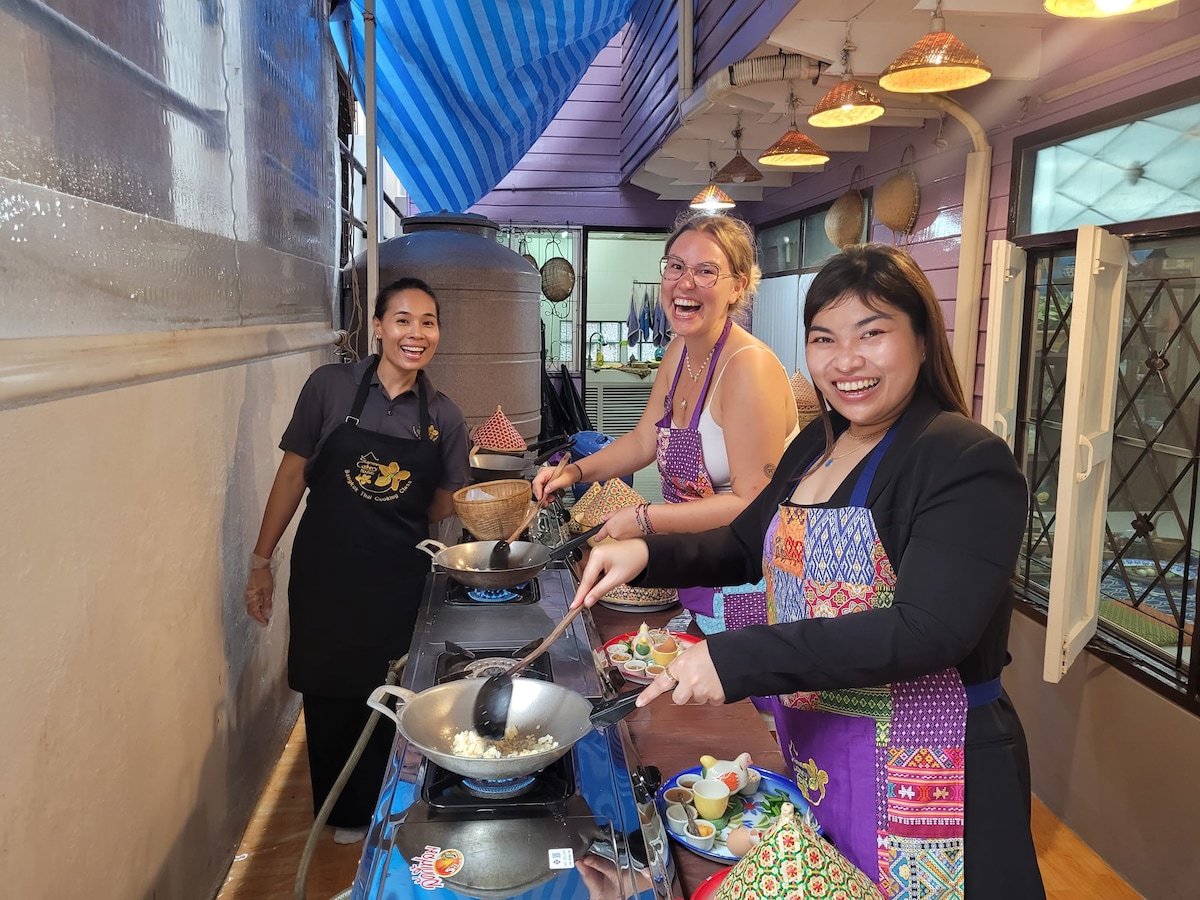
Learn authentic Thai cooking
Mon, Feb 9 • 9:00 AM
Huai Khwang, Bangkok, 10310, Thailand
View details
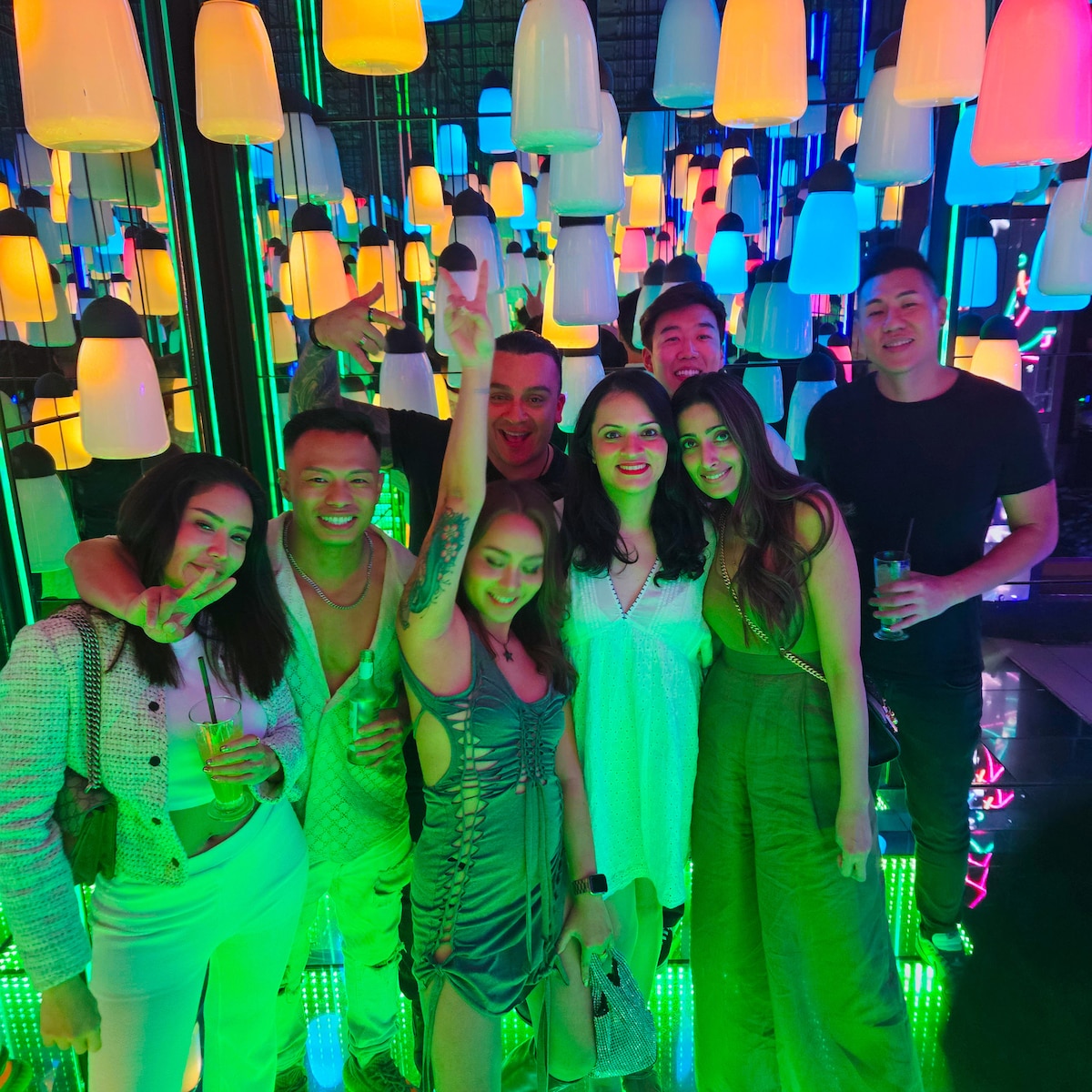
The night to remember in Bangkok
Mon, Feb 9 • 9:00 PM
Watthana, Bangkok, 10110, Thailand
View details
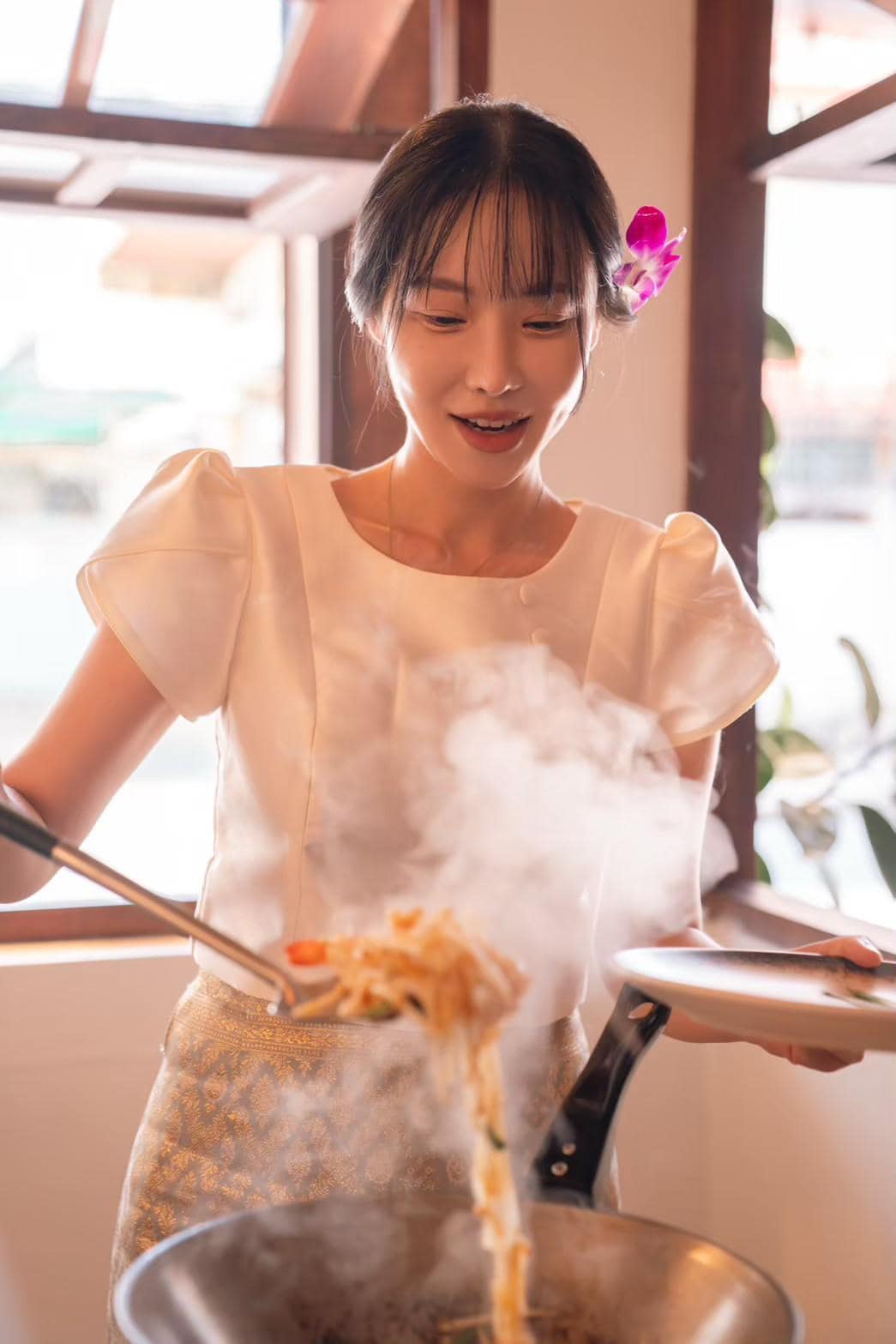
Homies Thai Cooking Class - Authentic Thai Food
Mon, Feb 9 • 9:00 AM
Khet Huai Khwang, Krung Thep Maha Nakhon, 10310, Thailand
View details
Nearby attractions of Wat Ratchapradit Sathit Maha Simaram
Saranrom Park
The Temple of the Emerald Buddha
The Grand Palace
Saranrom Palace
Wat Suthat Thepwararam Ratchaworamahawihan
Sala Chalermkrung Royal Theatre
Museum Siam
Sanam Luang
Grand Palace
Chakri Maha Prasat Throne Hall
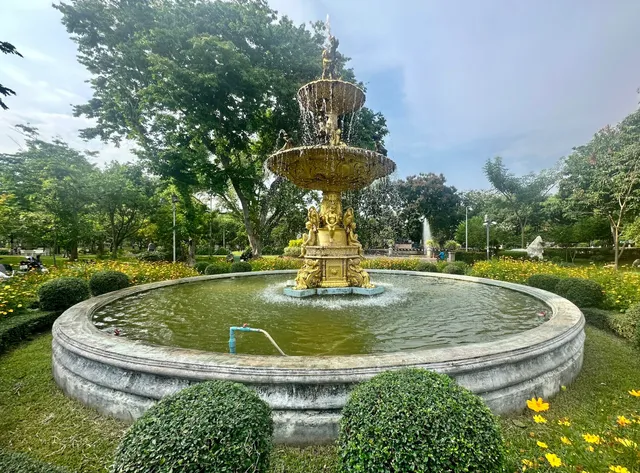
Saranrom Park
4.4
(1.3K)
Closed
Click for details
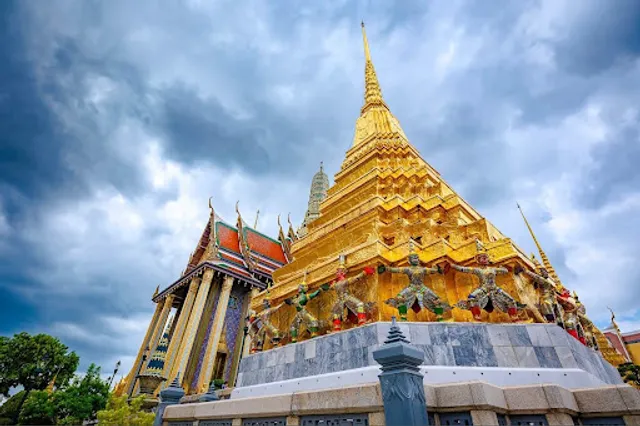
The Temple of the Emerald Buddha
4.7
(14.9K)
Closed
Click for details
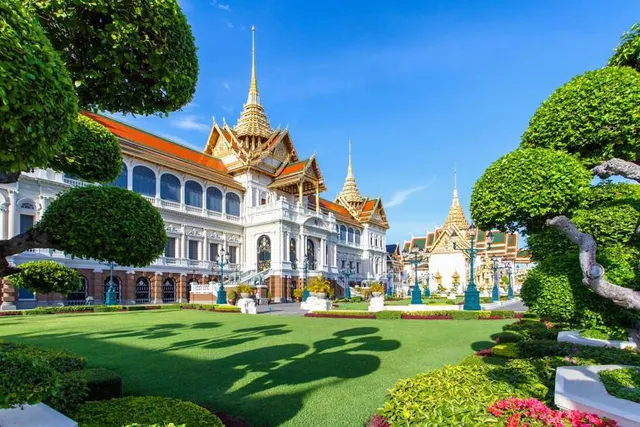
The Grand Palace
4.6
(26K)
Closed
Click for details
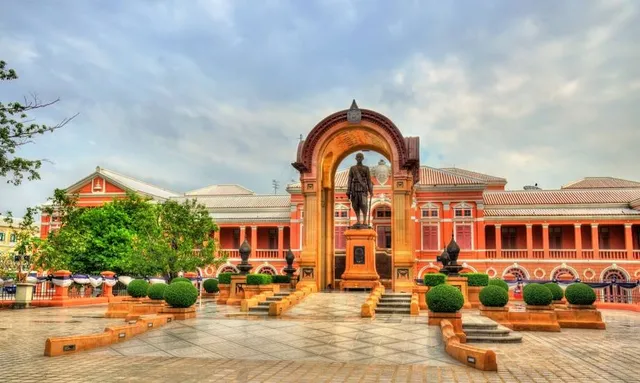
Saranrom Palace
4.5
(109)
Closed
Click for details
Nearby restaurants of Wat Ratchapradit Sathit Maha Simaram
Kope Hya Tai Kee Na Saranrom
Laun
IM En Ville
Motu Bangkok
เกาเหลาสมองหมูไทยทำ
PAULETTE BKK
Craftsman Roastery at Old Town
Alice Cafe
Anya Authentic Thai Cuisine
K. Panich Sticky Rice
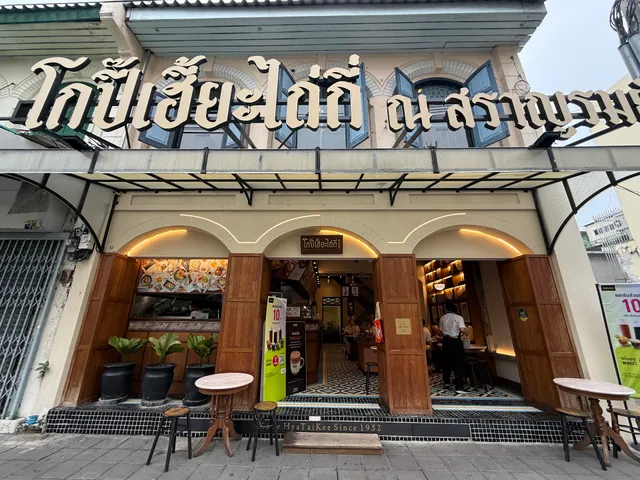
Kope Hya Tai Kee Na Saranrom
4.8
(752)
Closed
Click for details
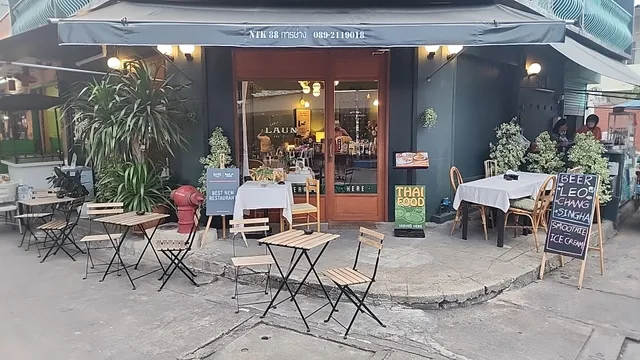
Laun
4.9
(493)
Closed
Click for details
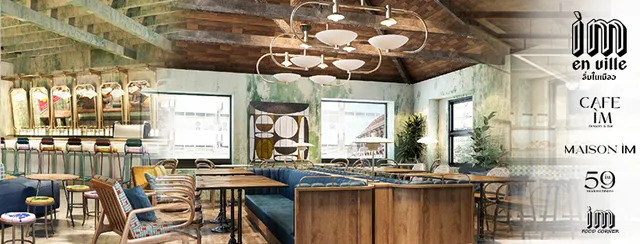
IM En Ville
4.4
(343)
Closed
Click for details
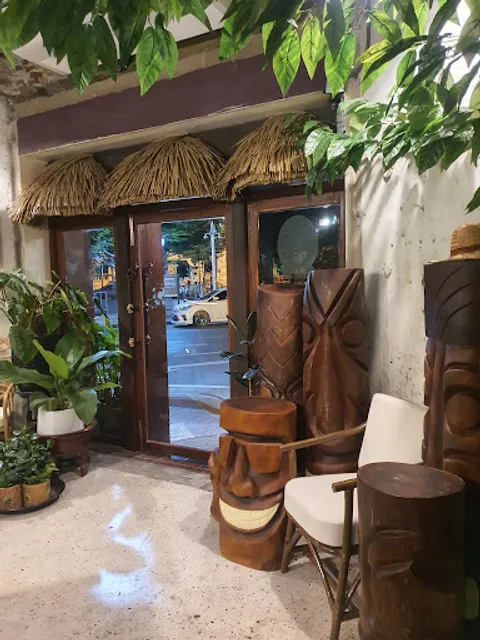
Motu Bangkok
4.9
(124)
Closed
Click for details
Nearby local services of Wat Ratchapradit Sathit Maha Simaram
Wat Ratchabophit Sathitmahasimaram Ratchaworawihan
The Temple of the Emerald Buddha
Bangkok City Pillar Shrine
Wat Phra Chetuphon Wimon Mangkhalaram Rajwaramahawihan
Wat Phra Chetuphon Wimon Mangkhalaram Rajwaramahawihan
Trok Mor Morning Market
The Reclining Buddha
WhaleLO Luggage Storage - Wat Phra Chetuphon
The Old Siam Plaza
Rattanakosin Island
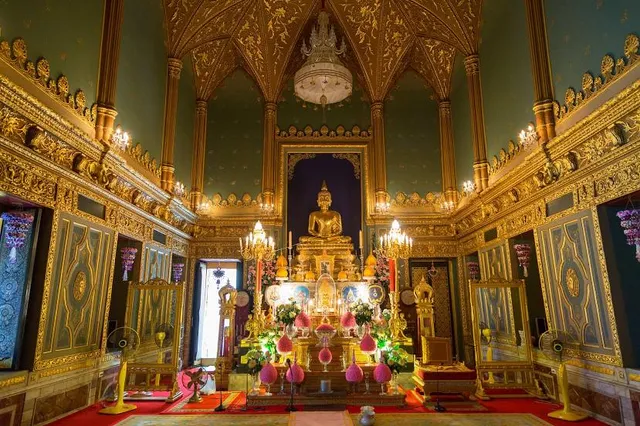
Wat Ratchabophit Sathitmahasimaram Ratchaworawihan
4.7
(1.6K)
Click for details
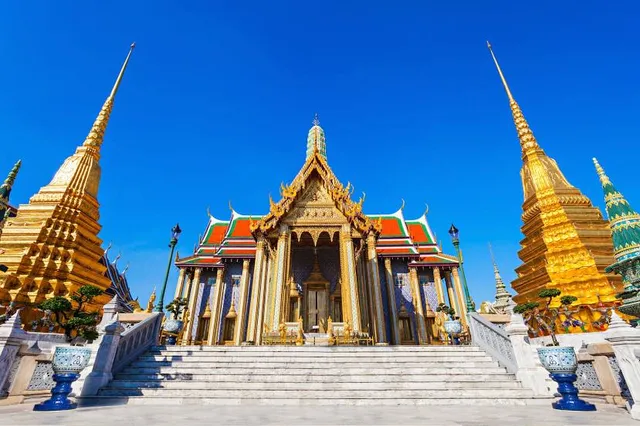
The Temple of the Emerald Buddha
4.7
(11.5K)
Click for details
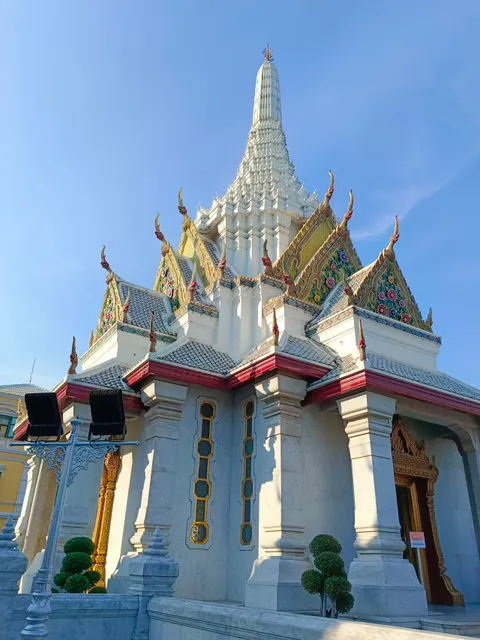
Bangkok City Pillar Shrine
4.7
(3K)
Click for details
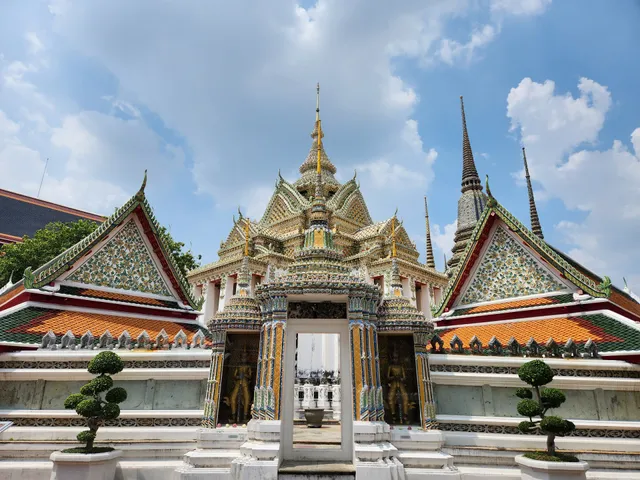
Wat Phra Chetuphon Wimon Mangkhalaram Rajwaramahawihan
4.7
(13.6K)
Click for details