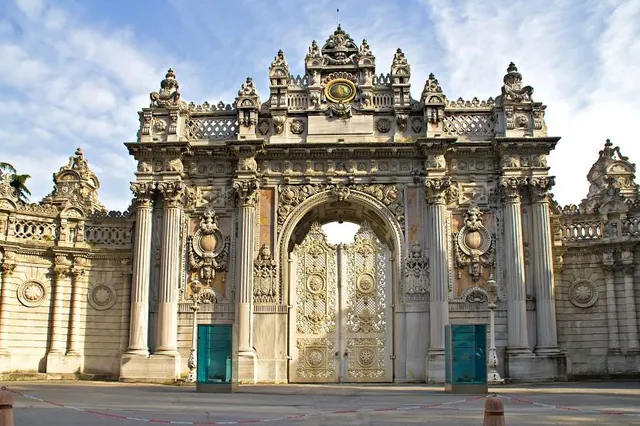
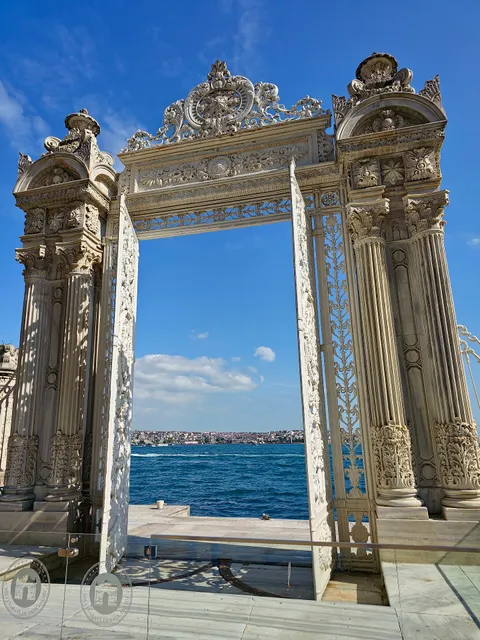
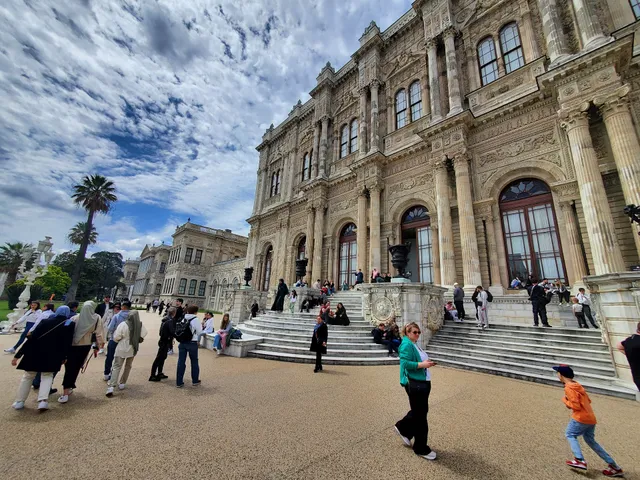
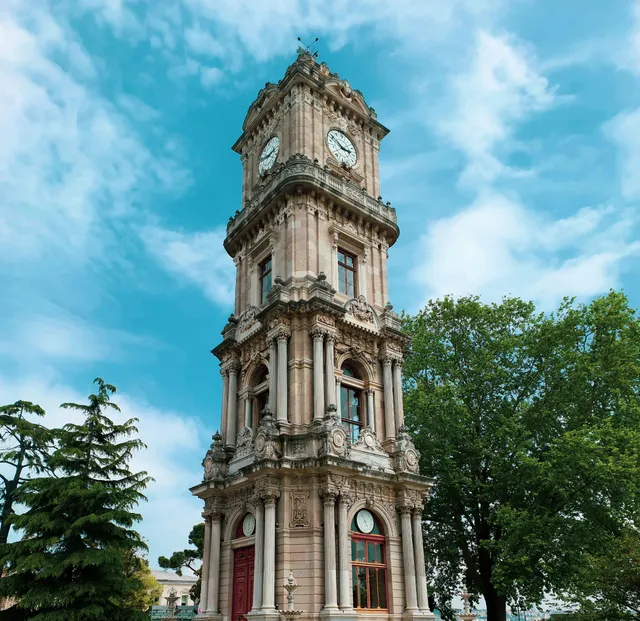
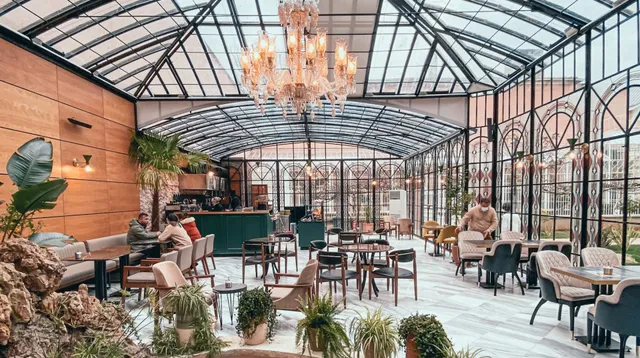
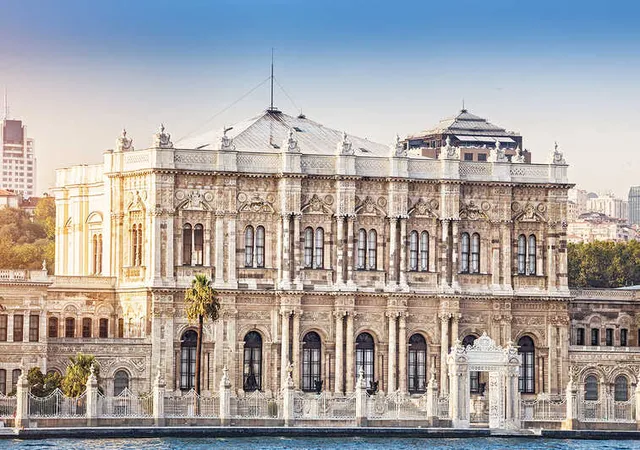
The Dolmabahçe is one of the most magnificent palaces in Istanbul and a symbol of the opulence and grandeur of the Ottoman Empire. Situated on the European shore of the Bosphorus, it served as the main administrative center of the Ottoman Empire in its later years. Dolmabahçe Palace was constructed between 1843 and 1856 by order of Sultan Abdulmecid I, who sought to modernize the Ottoman Empire and demonstrate its wealth and power. The palace replaced the older Topkapi Palace as the official residence of the Ottoman sultans and was designed in a blend of Baroque, Rococo, Neoclassical, and traditional Ottoman styles. The palace was used by six sultans from 1856 until the abolition of the caliphate in 1924. After the establishment of the Turkish Republic, it served as the residence of Mustafa Kemal Atatürk, the founder of modern Turkey, during his stays in Istanbul. Atatürk passed away in Dolmabahçe Palace in 1938, making it a site of great historical significance. Dolmabahçe Palace is one of the largest palaces in Turkey, covering an area of 45,000 square meters with 285 rooms, 46 halls, 6 baths (hamams), and 68 toilets. The palace's design is marked by its grandiose interiors, luxurious decorations, and extensive use of gold and crystal. The palace's central hall, the Ceremonial Hall, is particularly impressive, with a 36-meter-high dome and a massive chandelier weighing 4.5 tons, the largest Bohemian crystal chandelier in the world. The palace's exterior, which stretches along the Bosphorus for over 600 meters, is equally impressive, featuring ornate facades and beautiful gardens. The waterfront location of the palace adds to its splendor, with stunning views of the Bosphorus Strait. Today, Dolmabahçe Palace is a museum and a major tourist attraction managed by the Turkish government. It also serves as a venue for state ceremonies and official events. The palace is preserved as a historical site, and its rooms, including the one where Atatürk died, have been carefully maintained to reflect their original appearance. The interior of Dolmabahçe Palace is renowned for its lavish decorations, including intricate ceiling frescoes, crystal chandeliers, and luxurious furniture. Some of the key exhibits include: The grand hall used for official state ceremonies, featuring the enormous chandelier and elaborate decorations. The room where Mustafa Kemal Atatürk spent his final days, which has been preserved as it was at the time of his death. Palace Collections: Various rooms display collections of European and Ottoman art, including paintings, porcelain, and furniture. A famous staircase made of Baccarat crystal, brass, and mahogany, exemplifying the palace's luxury. Visiting Information The best time to visit Dolmabahçe Palace is during the spring and autumn months when the weather is mild, and the gardens are at their most beautiful. Early mornings or late afternoons on weekdays are ideal to avoid crowds. Weekends and public holidays can be particularly busy, leading to long queues and crowded rooms. The entrance fee is approximately 450 Turkish Lira, which is around €15 (subject to change). There are separate tickets for the different sections of the palace, including the Selamlık (ceremonial) and Harem sections. Visits to the palace are usually conducted through guided tours, which provide insights into the history and significance of the various rooms and exhibits. Facilities: There is a café on the palace grounds where visitors can enjoy refreshments. Souvenir shops are also available, offering a range of items related to the palace and Turkish culture. Dolmabahçe Palace is a powerful symbol of the Ottoman Empire's final years, reflecting both its wealth and its desire to embrace Western influences. The palace's luxurious design and historical significance make it a key attraction for those interested in Ottoman history, architecture, and the life of Mustafa Kemal Atatürk. Book in advance. To avoid long queues, consider booking tickets...
Read moreDolmabahçe Palace, located on the European shore of the Bosphorus Strait in Istanbul, Turkey, is a masterpiece of Ottoman architecture and one of the most magnificent palaces in the world. Built in the mid-19th century, it served as the administrative center of the Ottoman Empire until the end of the empire in 1922.
Commissioned by Sultan Abdülmecid I, Dolmabahçe Palace was constructed between 1843 and 1856, incorporating elements of Ottoman, Baroque, Rococo, and Neoclassical architectural styles. The palace was intended to be a symbol of the modernization and reform efforts of the Ottoman Empire during the Tanzimat period.
One of the most striking features of Dolmabahçe Palace is its sheer grandeur. The palace stretches along the Bosphorus waterfront for over 600 meters and boasts a total of 285 rooms, 43 halls, and 6 Turkish baths. Its opulent interiors are adorned with exquisite crystal chandeliers, intricate woodwork, colorful marble, and lavish furnishings, reflecting the luxurious lifestyle of the Ottoman elite.
The main entrance to Dolmabahçe Palace is through the Imperial Gate, leading to the Ceremonial Hall, also known as the Crystal Staircase Hall. This hall is adorned with a stunning crystal staircase, made of Baccarat crystal, brass, and mahogany, which is considered one of the most impressive staircases in the world.
The heart of the palace is the Selamlik, or the official residence of the sultan, which comprises various reception rooms, the Throne Room, the Crystal Staircase Hall, and the Imperial Council Chamber. The Throne Room is particularly breathtaking, with its massive crystal chandelier, gold leaf decorations, and the majestic throne, where the sultan would hold court and receive foreign dignitaries.
Adjacent to the Selamlik is the Harem, where the sultan's family and concubines resided. The Harem features beautifully decorated rooms, courtyards, and gardens, providing a glimpse into the private lives of the Ottoman rulers.
Surrounding the palace are sprawling gardens, adorned with fountains, pavilions, and lush greenery. The gardens offer stunning views of the Bosphorus and provide a serene retreat from the hustle and bustle of the city.
Despite its magnificence, Dolmabahçe Palace also witnessed significant historical events, including the signing of the Treaty of Sevres in 1920, which marked the end of World War I and the dismemberment of the Ottoman Empire.
Today, Dolmabahçe Palace stands as a testament to the grandeur and splendor of the Ottoman era, attracting thousands of visitors each year who come to admire its architectural beauty, rich history, and cultural significance. It remains a must-visit destination for anyone exploring the vibrant city...
Read moreDolmabahçe Palace is an Ottoman palace located in Beşiktaş, Istanbul, between Dolmabahçe Street extending from Kabataş to Beşiktaş and the Bosphorus, on an area of 250,000 m². It is located on the left bank at the sea entrance to the Bosphorus from the Marmara Sea, opposite Üsküdar and Kuzguncuk. The construction of the palace, built by Sultan Abdülmecid, started in 1843 and was completed in 1856. Today it is used as a museum. The area where Dolmabahçe Palace is located today was a large bay on the Bosphorus where the Ottoman Admiral's ships anchored until four centuries ago. This bay, where traditional maritime ceremonies were held, became a swamp over time. The bay, which started to be filled in the 17th century,[3] was turned into a "hasbahçe" (hadayik-hassâ) organized for the rest and entertainment of the sultans. The collection of mansions and pavilions built in this garden in various periods was known as "Beşiktaş Beach Palace" for a long time. After living in the old Beşiktaş Palace for a while, Sultan Abdülmecid decided to build a palace in European plan and style for the purpose of residence, summer resort, receiving and hosting guests, and conducting state affairs, instead of the classical palaces preferred so far.[4] Although Abdülmecid did not receive a good education like other princes, he was an administrator with modern ideas. The sultan, who loved Western music and living in Western style, knew enough French to get along. While having the palace built, he said, "Evil and ugliness are prohibited here, only beautiful things should be found here." It is reported that he said.
There is no information on the exact date when the demolition of the mansions located on the site of today's Dolmabahçe Palace began, in order to rediscover the land reclaimed from the sea about 200 years ago. It is estimated that the old palace was still in place in 1842 and the construction of the new palace started after this date.[5] However, it is stated that the surrounding fields and cemeteries were purchased and expropriated in order to expand the construction land during these dates. Various sources give different dates regarding the completion date of the construction. However, from the accounts of a French visitor who visited the palace at the end of 1853, we learn that the decorations of the palace were still being made and the furniture had not yet...
Read more