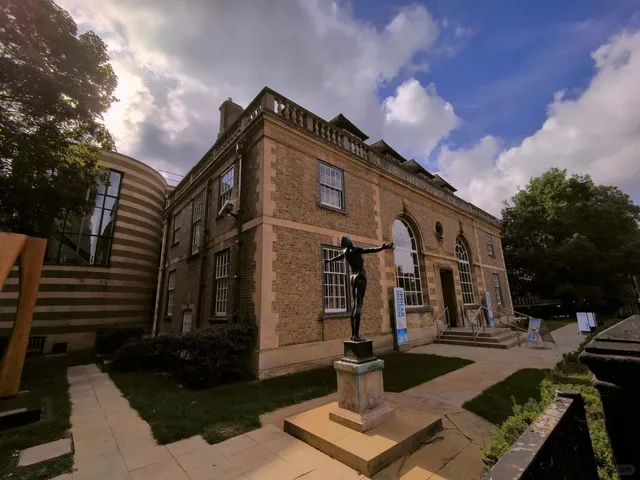
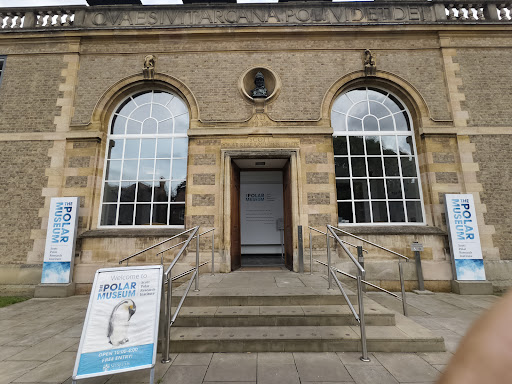
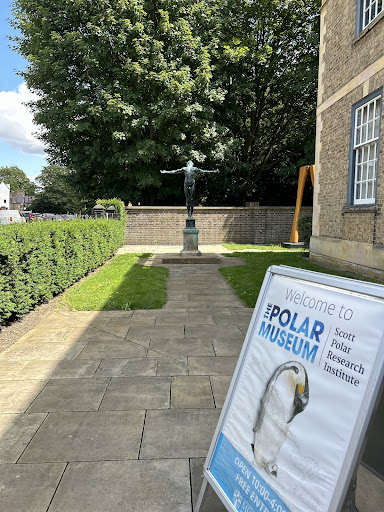
The Polar Museum things to do, attractions, restaurants, events info and trip planning
Basic Info
The Polar Museum
Lensfield Rd, Cambridge CB2 1ER, United Kingdom
4.6(384)
Open until 12:00 AM
Save
spot
spot
Ratings & Description
Info
The Scott Polar Research Institute is a centre for research into the polar regions and glaciology worldwide. It is a sub-department of the Department of Geography in the University of Cambridge, located on Lensfield Road in the south of Cambridge.
Cultural
Family friendly
Accessibility
attractions: The Church of Our Lady of the Assumption and the English Martyrs, Cambridge, Parker's Piece, The Fitzwilliam Museum, Cambridge University Botanic Garden, University of Cambridge Judge Business School, Heong Gallery, Downing College, Cambridge, Hobson's Conduit, Sedgwick Museum of Earth Sciences, Reality Checkpoint, University Museum Of Zoology, restaurants: Old Bicycle Shop, The Olive Grove, Yim Wah Express, Prince Regent, The House: Authentic Thai Restaurant, The Grain & Hop Store, Little Seoul Restaurant, Mr Wang Hot Pot 王贵仁砂锅麻辣烫, Bould Brothers Coffee, De Luca Cucina & Bar, local businesses: The Church of Our Lady and the English Martyrs, Cambridge, Lockhouse Escape Games, Cambridge Farmers' Outlet, 60 Hills Rd, CAMYOGA, Thomas William Gentlemen’s Barber Cambridge, Richer Sounds, Cambridge, Warhammer, JIAMART Regent Street, ScalPerfection
 Learn more insights from Wanderboat AI.
Phone
+44 1223 336540
Website
spri.cam.ac.uk
Open hoursSee all hours
Tue10 AM - 4 PMOpen
Plan your stay

Pet-friendly Hotels in Cambridge
Find a cozy hotel nearby and make it a full experience.

Affordable Hotels in Cambridge
Find a cozy hotel nearby and make it a full experience.

The Coolest Hotels You Haven't Heard Of (Yet)
Find a cozy hotel nearby and make it a full experience.

Trending Stays Worth the Hype in Cambridge
Find a cozy hotel nearby and make it a full experience.
Reviews
Live events
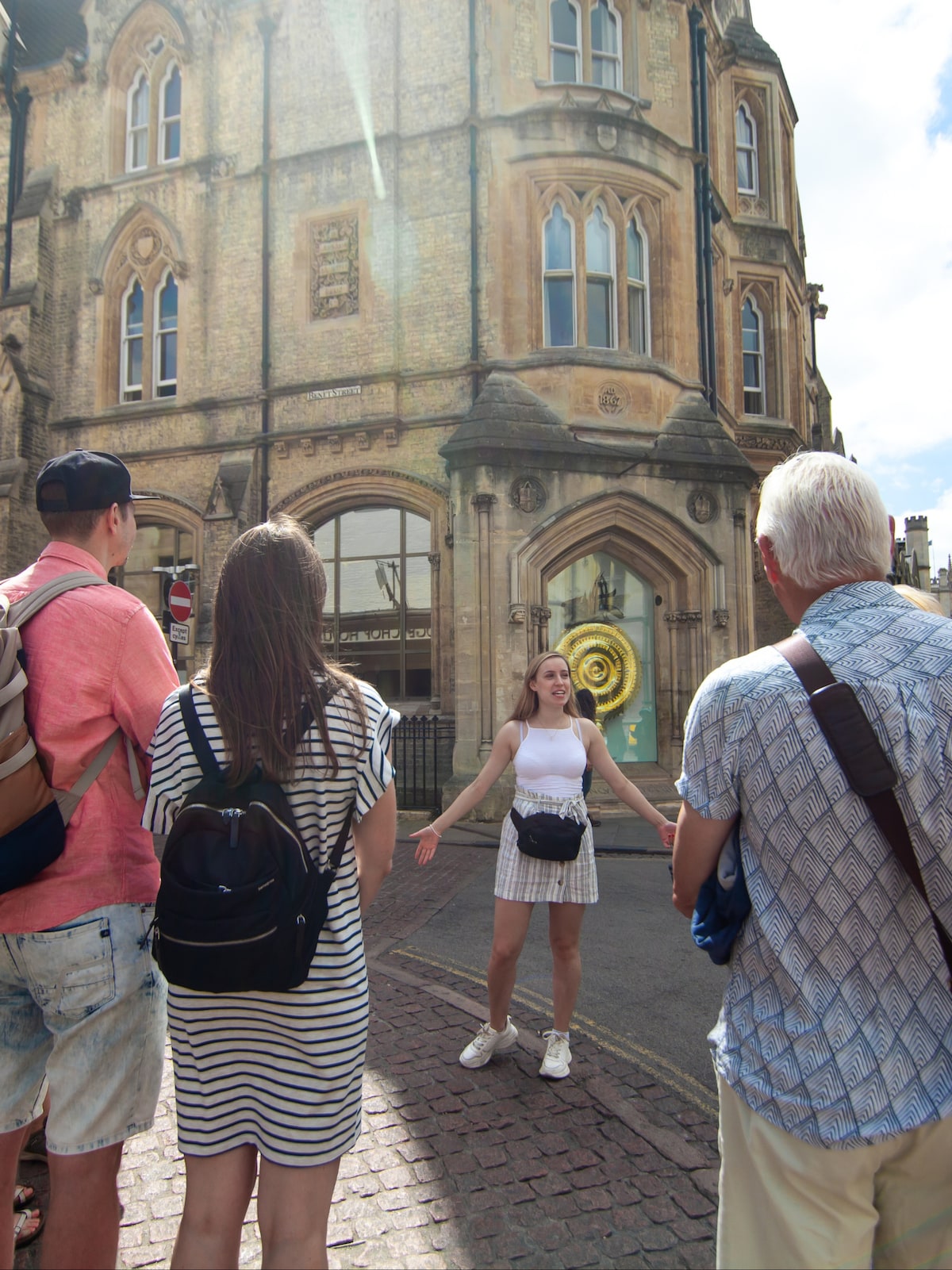
Explore Cambridge University and surrounds
Wed, Feb 25 • 11:00 AM
Cambridgeshire, CB2 1SJ, United Kingdom
View details

Candlelight: Tribute to Taylor Swift
Sat, Feb 28 • 6:30 PM
9A Bridge Street, Cambridge, CB2 1UB
View details
Candlelight: Ed Sheeran meets Coldplay
Fri, Feb 27 • 5:30 PM
Storey's Way, Cambridge, CB3 0DG
View details
Nearby attractions of The Polar Museum
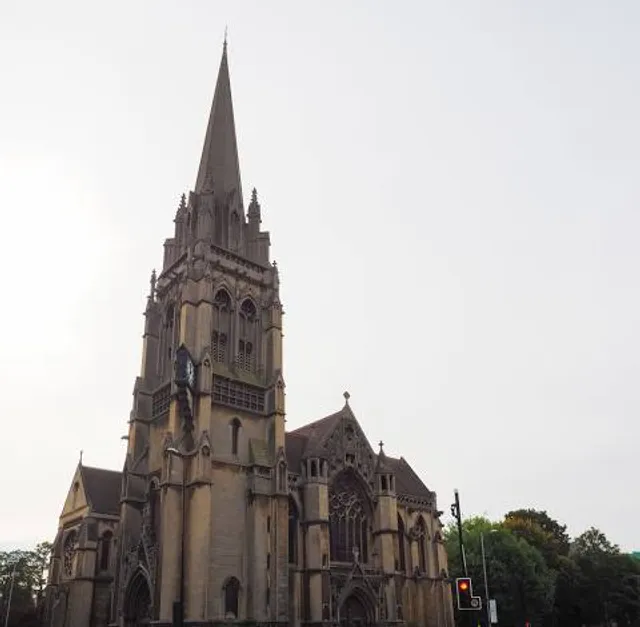
The Church of Our Lady of the Assumption and the English Martyrs, Cambridge
Parker's Piece
The Fitzwilliam Museum
Cambridge University Botanic Garden
University of Cambridge Judge Business School
Heong Gallery, Downing College, Cambridge
Hobson's Conduit
Sedgwick Museum of Earth Sciences
Reality Checkpoint
University Museum Of Zoology
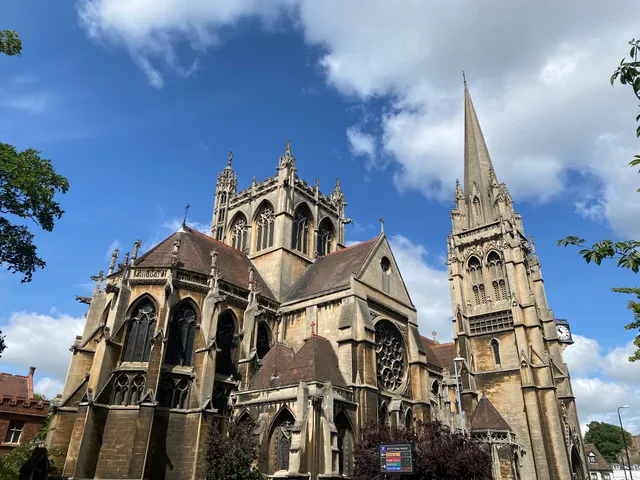
The Church of Our Lady of the Assumption and the English Martyrs, Cambridge
4.7
(593)
Closed
Click for details
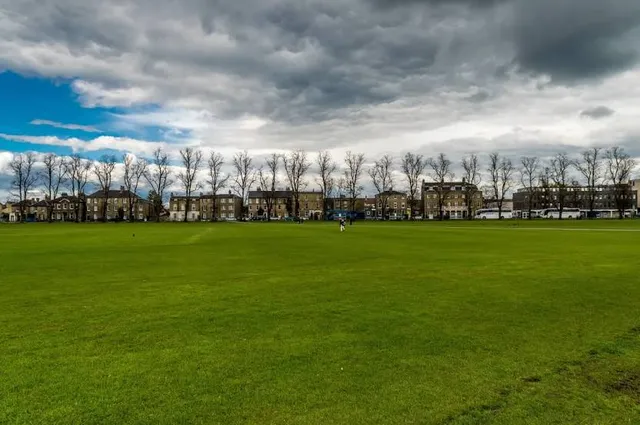
Parker's Piece
4.5
(2.8K)
Closed
Click for details

The Fitzwilliam Museum
4.7
(3.8K)
Open until 12:00 AM
Click for details
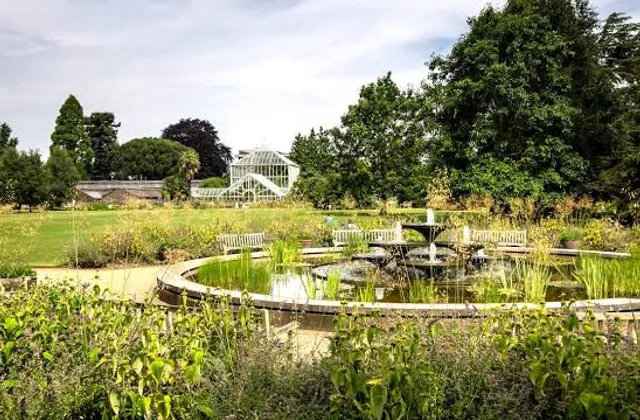
Cambridge University Botanic Garden
4.7
(3.2K)
Closed
Click for details
Nearby restaurants of The Polar Museum
Old Bicycle Shop
The Olive Grove
Yim Wah Express
Prince Regent
The House: Authentic Thai Restaurant
The Grain & Hop Store
Little Seoul Restaurant
Mr Wang Hot Pot 王贵仁砂锅麻辣烫
Bould Brothers Coffee
De Luca Cucina & Bar
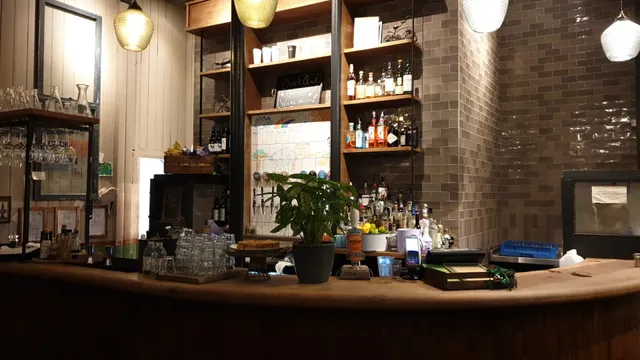
Old Bicycle Shop
4.1
(1.0K)
$$
Open until 10:00 PM
Click for details
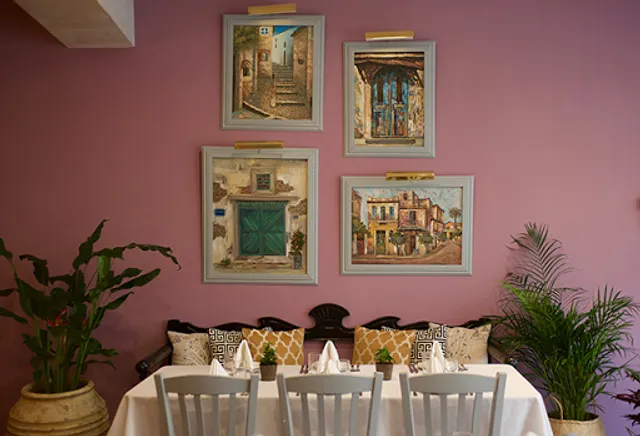
The Olive Grove
4.4
(900)
$$
Open until 10:00 PM
Click for details
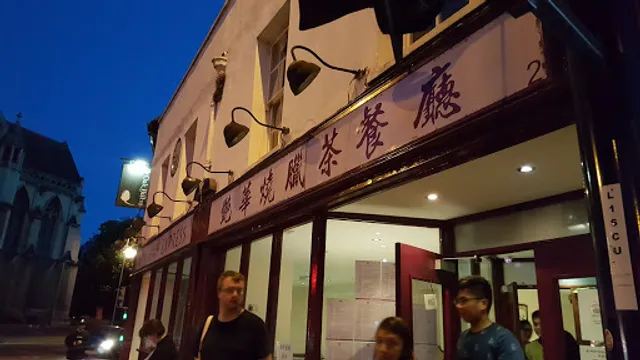
Yim Wah Express
4.4
(405)
$
Open until 9:30 PM
Click for details
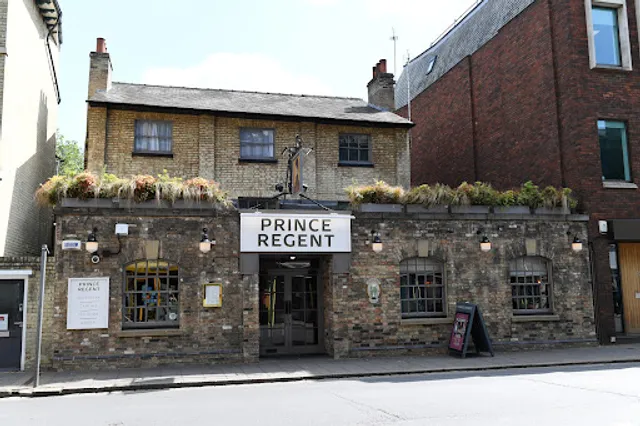
Prince Regent
4.2
(867)
Open until 11:00 PM
Click for details
Nearby local services of The Polar Museum
The Church of Our Lady and the English Martyrs, Cambridge
Lockhouse Escape Games
Cambridge Farmers' Outlet
60 Hills Rd
CAMYOGA
Thomas William Gentlemen’s Barber Cambridge
Richer Sounds, Cambridge
Warhammer
JIAMART Regent Street
ScalPerfection
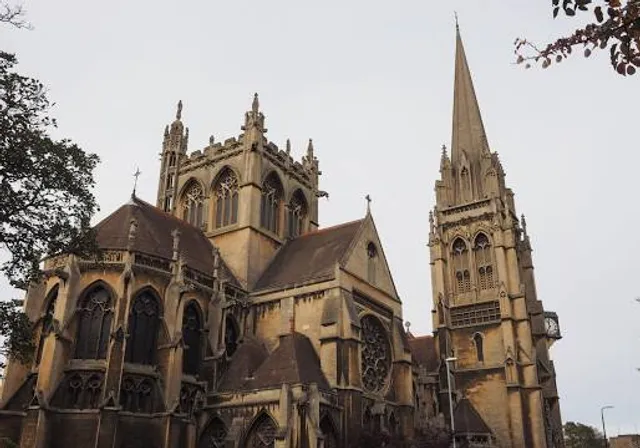
The Church of Our Lady and the English Martyrs, Cambridge
4.7
(459)
Click for details
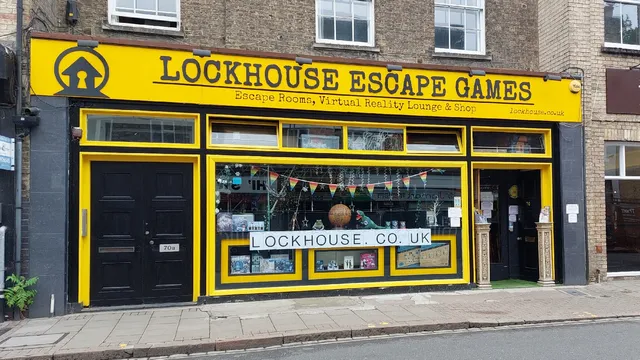
Lockhouse Escape Games
4.8
(407)
Click for details

Cambridge Farmers' Outlet
3.5
(46)
Click for details
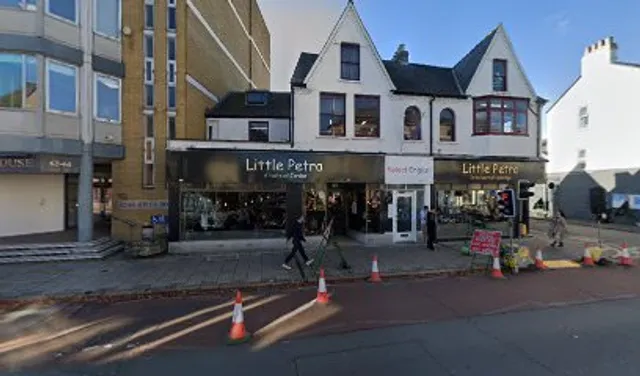
60 Hills Rd
4.5
(836)
Click for details