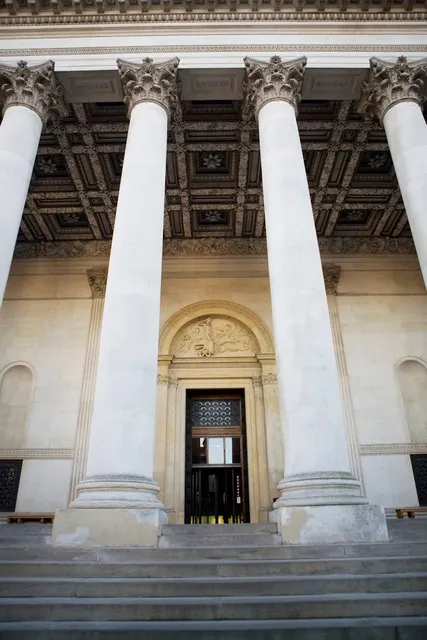
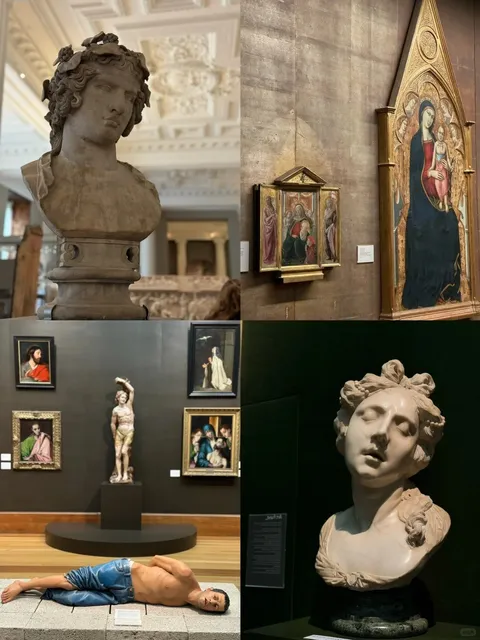
The Fitzwilliam Museum is truly a treasure trove of art, history, and culture nestled in the heart of Cambridge. From the moment you approach the grand Neoclassical building, you can feel a sense of awe and anticipation for what lies within.
Upon entering, I was immediately struck by the serene and welcoming atmosphere, even on a weekend. Unlike many popular museums, it wasn’t overcrowded, which made the experience all the more enjoyable. This meant I could take my time exploring the exhibits without feeling rushed or overwhelmed.
The museum’s collection is incredibly diverse, spanning centuries and cultures. One of the highlights for me was the remarkable array of paintings, including works by renowned artists such as Monet, Van Dyck, and Titian. Each piece is displayed thoughtfully, allowing you to fully appreciate the intricate details and artistry.
For those interested in ancient history, the Egyptian artifacts are a must-see. The beautifully preserved sarcophagi, statues, and everyday objects provide a fascinating glimpse into life thousands of years ago. There’s also an impressive collection of Roman and Greek antiquities, including exquisite pottery and intricate jewelry.
Another standout area is the medieval and Renaissance galleries, showcasing stunning illuminated manuscripts, sculptures, and armor. The craftsmanship and detail in these pieces are breathtaking and transport you to another time.
The museum also houses an extensive collection of Asian art, including delicate Chinese ceramics, Japanese prints, and intricate textiles. It’s a wonderful opportunity to explore art and history from a non-Western perspective.
One of the aspects I appreciated most was the calm and quiet environment. Despite visiting on a weekend, it never felt too busy. The museum seems to attract visitors who genuinely appreciate art and history, creating a relaxed and respectful ambiance.
The Fitzwilliam Museum is free to enter, although donations are encouraged and well-deserved given the incredible quality of the collections. The staff are friendly and knowledgeable, always happy to answer questions or provide insights into the exhibits.
In addition to the permanent collections, the museum often features special exhibitions, so there’s always something new to discover. The café is also worth a visit, offering a pleasant spot to recharge with a cup of tea and a slice of cake.
Overall, The Fitzwilliam Museum is a must-visit for anyone in Cambridge, whether you’re a seasoned art enthusiast or simply looking for a peaceful and enriching way to spend a few hours. Its stunning collections, tranquil atmosphere, and accessibility make it one of the...
Read moreAs a Black man, visiting the Fitzwilliam Museum and the Rise Up exhibition, meant to honour the legacy of anti-slavery resistance, should have been a meaningful and affirming experience. Instead, I was met with disgraceful and discriminatory behaviour from staff that left me feeling both targeted and unwelcome.
Upon entering through the side entrance, I was confronted by a staff member who insisted I had to make a donation to be allowed entry, despite the museum being clearly advertised as free with optional donations. When I politely declined, I was told I could not enter. Another staff member aggressively backed her up. I didn’t argue. I simply left, confused and disappointed.
Later, I entered through the main entrance and was allowed in without issue. However, when I passed through a gallery near the side entrance, the same woman spotted me. I was soon being followed by a security guard, who waited outside while I entered the Rise Up exhibit, an exhibit centred on the struggle for freedom and justice. Tellingly, they didn’t eject me while I was in that exhibit. Instead, the moment I left, the security guard resumed tailing me, and I was told I had to leave the museum due to an "altercation". An altercation that never happened.
Let me be clear: I didn’t raise my voice, I didn’t argue, I didn’t cause a scene. I simply didn’t donate, and I left quietly when told I wasn’t welcome the first time. That alone seemed to be enough reason for the staff to harass and expel me.
The next day, I returned hoping to view the rest of the museum in peace, only to be shouted at by a staff member behaving more like a bouncer than a museum professional. I was informed, loudly and aggressively, that I was banned.
It’s appalling that a supposedly public cultural institution, especially one hosting an exhibition about resistance and injustice, would treat a Black visitor this way. It’s clear they knew they were in the wrong, or they wouldn’t have waited until I left the Rise Up exhibit to remove me. If I had truly done something wrong, why not address it immediately and transparently?
Being treated like a criminal for declining to make a donation at a free museum is beyond pathetic. But being treated this way as a Black man in a museum claiming to honour Black resistance is insulting on a much deeper level.
I hope the Fitzwilliam Museum reflects seriously on the conduct of its staff, and the message this sends to people of colour. Until then, I cannot recommend this...
Read moreFitzwilliam Museum
The Fitzwilliam Museum is a renowned art and antiquities museum located in Cambridge, England. It is part of the University of Cambridge and houses a vast and diverse collection spanning thousands of years of human history. Here are some key details about the Fitzwilliam Museum:
Collection: The museum boasts an extensive collection of over half a million artworks and artifacts, covering various disciplines such as paintings, sculptures, drawings, prints, manuscripts, ceramics, coins, and antiquities from around the world.
History: The Fitzwilliam Museum was founded in 1816 following a bequest by Richard, Viscount Fitzwilliam of Merrion, who left his art collection and funds for the construction of a suitable building to house it. The museum opened to the public in 1848.
Architecture: The museum's impressive building is located on Trumpington Street in Cambridge and features a Neo-Classical design. The main entrance is adorned with magnificent columns and a grand staircase leading to the galleries.
Collections Highlights: Some of the notable highlights in the museum's collection include works by famous artists such as Titian, Monet, Turner, Constable, Rubens, and Rembrandt. The Fitzwilliam also houses one of the finest collections of illuminated manuscripts in the world, including the famous Fitzwilliam Book of Hours.
Departments and Exhibitions: The museum is organized into various departments, including Applied Arts, Coins and Medals, Manuscripts and Printed Books, Paintings, Prints and Drawings, and Antiquities. It regularly hosts temporary exhibitions that showcase specific themes, artists, or periods.
Research and Education: The Fitzwilliam Museum is not only a place for public enjoyment but also a center for research and education. It offers educational programs, lectures, workshops, and study facilities for students, scholars, and the general public.
Admission: The museum offers free admission to its permanent collections, although some special exhibitions may require a fee. Donations are encouraged to support the museum's operations and the preservation of its collections.
It's worth noting that the information provided is based on the knge available up until September 2021, and there may have been updates or changes to the museum since then. It is always a good idea to check the official website of the Fitzwilliam Museum for the most up-to-date information regarding opening hours, exhibitions, and any entry...
Read more