Carlisle Castle things to do, attractions, restaurants, events info and trip planning
Basic Info
Carlisle Castle
Castle Wy., Carlisle CA3 8UR, United Kingdom
4.4(2.1K)
Open until 12:00 AM

tickets
Save
spot
spot
Ratings & Description
Info
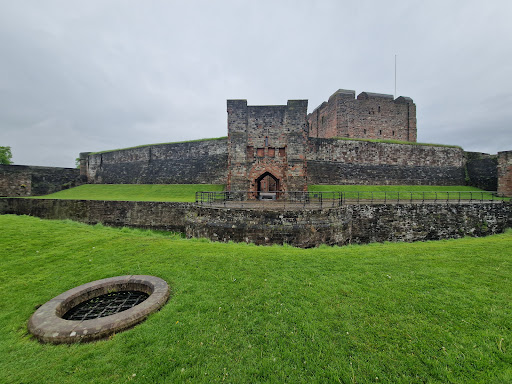
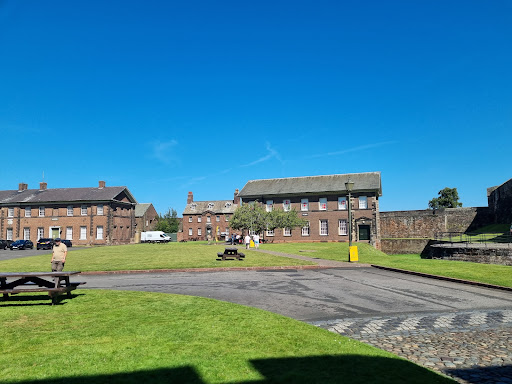
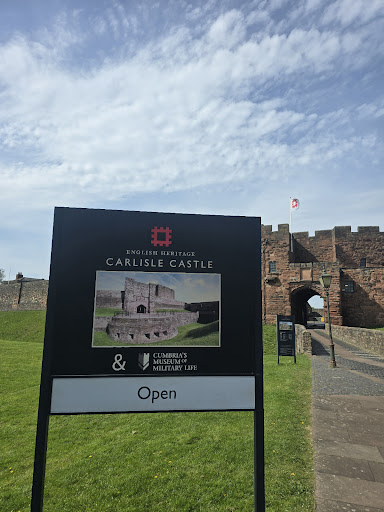
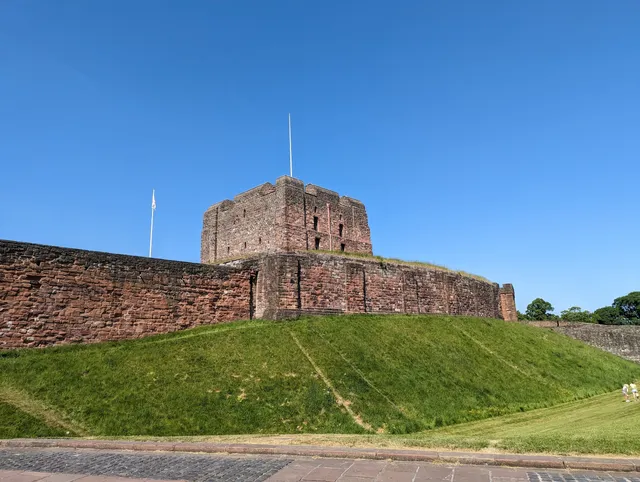
Carlisle Castle is a stone keep medieval fortress located in the city of Carlisle near the ruins of Hadrian's Wall. First built during the reign of William II in 1092 and rebuilt in stone under Henry I in 1122, the castle is over 930 years old and has been the scene of many episodes in British history.
Cultural
Family friendly
Accessibility
attractions: Cumbria's Museum of Military Life, Tullie - Museum & Gallery, Carlisle Cathedral, Bitts Park Tennis and Recreation Area, Bitts Park, Carlisle Skatepark, The Sands Centre, Carlisle Tourist Information Centre, Market Cross Monument, West Walls Theatre, restaurants: Foxes Cafe Lounge, Anatolia Turkish Mez Bar & Restaurant, Amatos, Cakes & Ale, The Boardroom, Crown Lane Cellar, Castlegate Coffee House, Cathedral Café, Romano Pizzeria, Whytes: Bakery and Kitchen, local businesses: Immortal Art Studio, RED HERRING ESCAPE ROOMS, The Market Hall, Beauty by S & S, Immortal Beauty, Bookends, Violet White Salon, Castle Podiatry, Get-Pierced Ltd, Waterstones
 Learn more insights from Wanderboat AI.
Phone
+44 370 333 1181
Website
english-heritage.org.uk
Open hoursSee all hours
MonClosedOpen
Plan your stay

Pet-friendly Hotels in Carlisle
Find a cozy hotel nearby and make it a full experience.

Affordable Hotels in Carlisle
Find a cozy hotel nearby and make it a full experience.

The Coolest Hotels You Haven't Heard Of (Yet)
Find a cozy hotel nearby and make it a full experience.

Trending Stays Worth the Hype in Carlisle
Find a cozy hotel nearby and make it a full experience.
Reviews
Live events

Sling Support Drop in Carlisle
Thu, Feb 26 • 11:30 AM
Family Hub - Morton, Carlisle., 85 Burnrigg, Carlisle, CA2 6QH, United Kingdom
View details

Dr Martin Odler. Ancient Egyptian and Nubian metallurgy
Thu, Feb 26 • 2:00 PM
Tullie House museum and art gallery, Castle street, Carlisle, United Kingdom
View details

John Lebbon // Old Fire Station // Carlisle
Thu, Feb 26 • 7:00 PM
old fire station, Peter Street,Carlisle, Cumbria, United Kingdom
View details
Nearby attractions of Carlisle Castle
Cumbria's Museum of Military Life
Tullie - Museum & Gallery
Carlisle Cathedral
Bitts Park Tennis and Recreation Area
Bitts Park
Carlisle Skatepark
The Sands Centre
Carlisle Tourist Information Centre
Market Cross Monument
West Walls Theatre
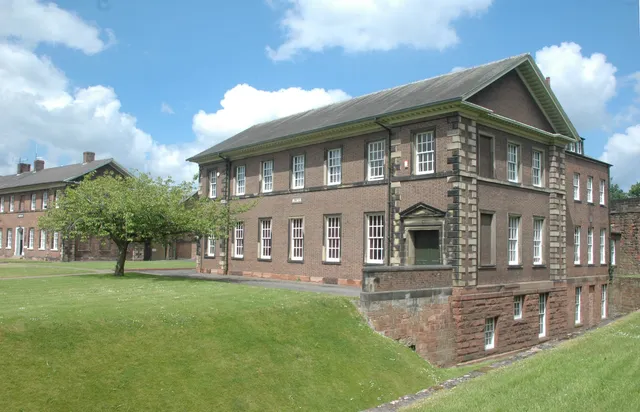
Cumbria's Museum of Military Life
4.7
(103)
Open until 12:00 AM
Click for details
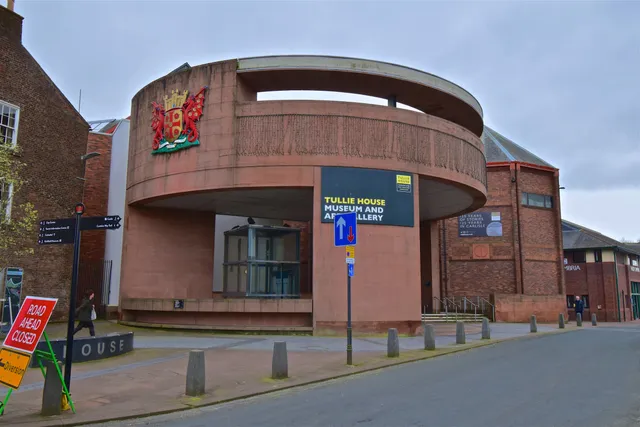
Tullie - Museum & Gallery
4.6
(611)
Closed
Click for details
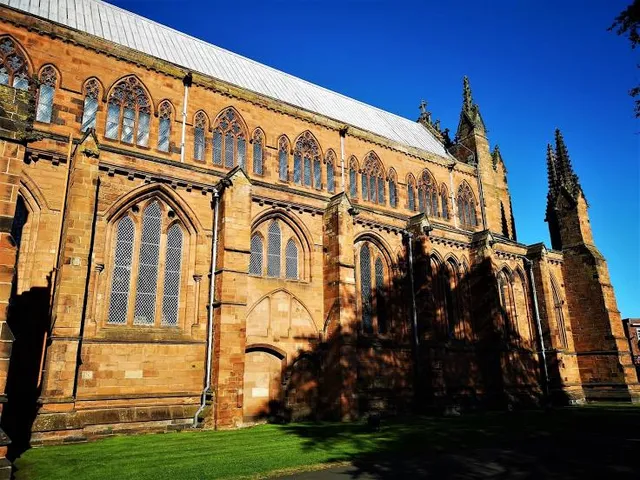
Carlisle Cathedral
4.7
(1.0K)
Closed
Click for details

Bitts Park Tennis and Recreation Area
4.4
(73)
Open until 12:00 AM
Click for details
Nearby restaurants of Carlisle Castle
Foxes Cafe Lounge
Anatolia Turkish Mez Bar & Restaurant
Amatos
Cakes & Ale
The Boardroom
Crown Lane Cellar
Castlegate Coffee House
Cathedral Café
Romano Pizzeria
Whytes: Bakery and Kitchen
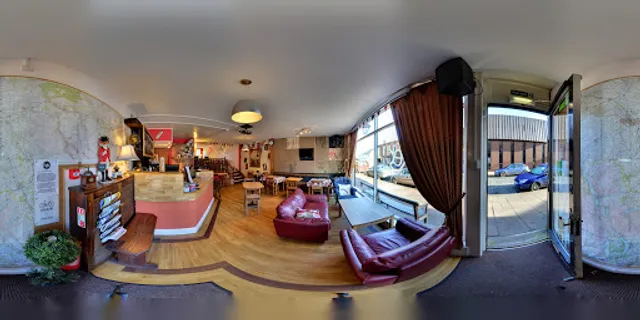
Foxes Cafe Lounge
4.6
(332)
$
Closed
Click for details
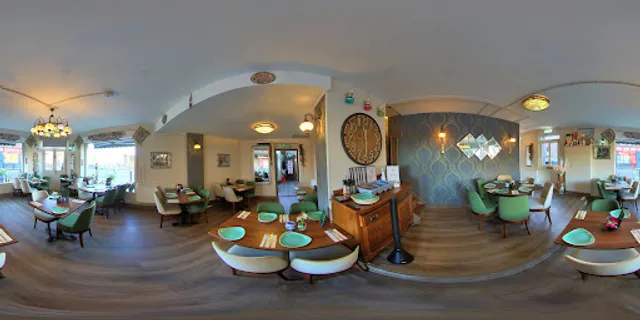
Anatolia Turkish Mez Bar & Restaurant
4.7
(169)
$$
Open until 12:00 AM
Click for details
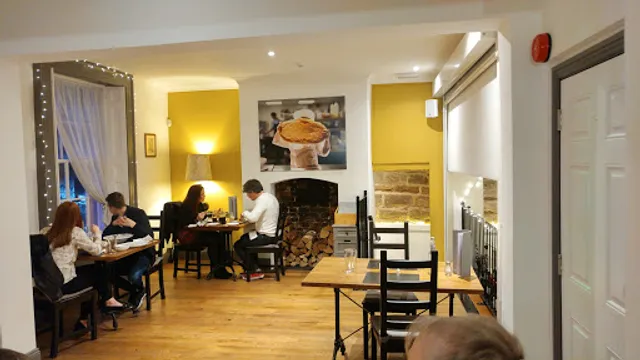
Amatos
4.8
(351)
$$
Open until 12:00 AM
Click for details
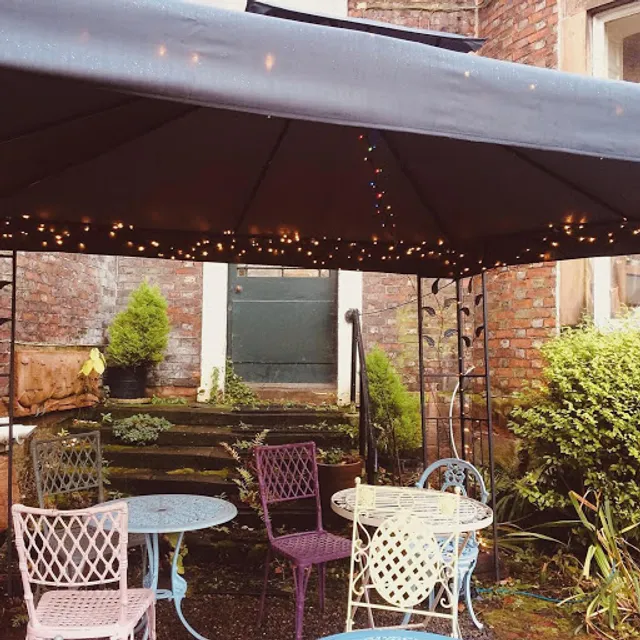
Cakes & Ale
4.4
(83)
Closed
Click for details
Nearby local services of Carlisle Castle
Immortal Art Studio
RED HERRING ESCAPE ROOMS
The Market Hall
Beauty by S & S
Immortal Beauty
Bookends
Violet White Salon
Castle Podiatry
Get-Pierced Ltd
Waterstones

Immortal Art Studio
5.0
(243)
Click for details
RED HERRING ESCAPE ROOMS
4.7
(99)
Click for details
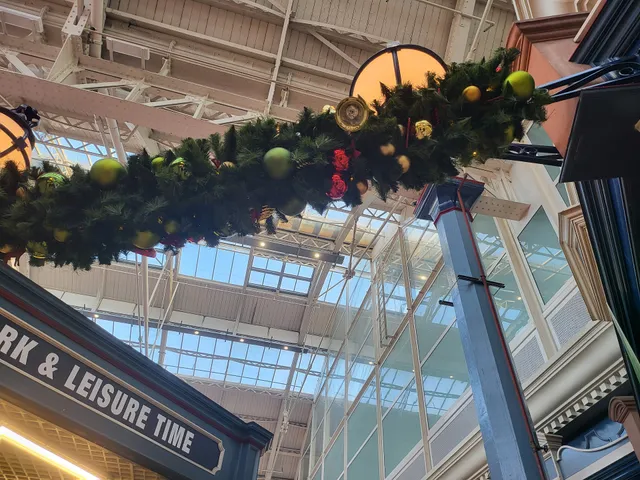
The Market Hall
4.1
(868)
Click for details

Beauty by S & S
4.7
(28)
Click for details