Burns Monument things to do, attractions, restaurants, events info and trip planning
Basic Info
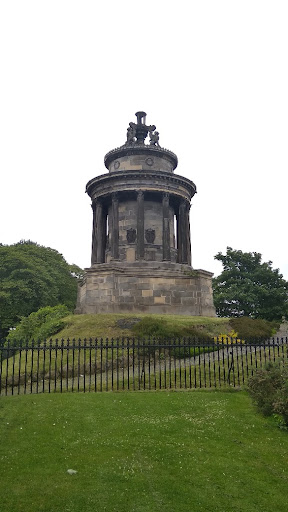
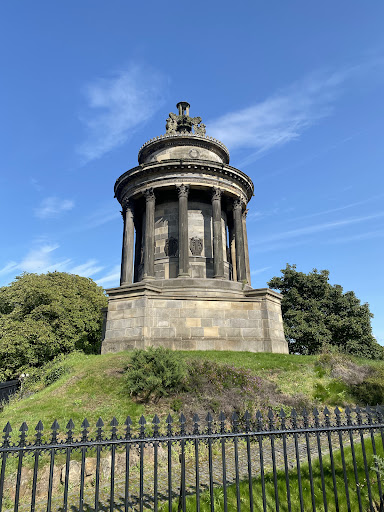
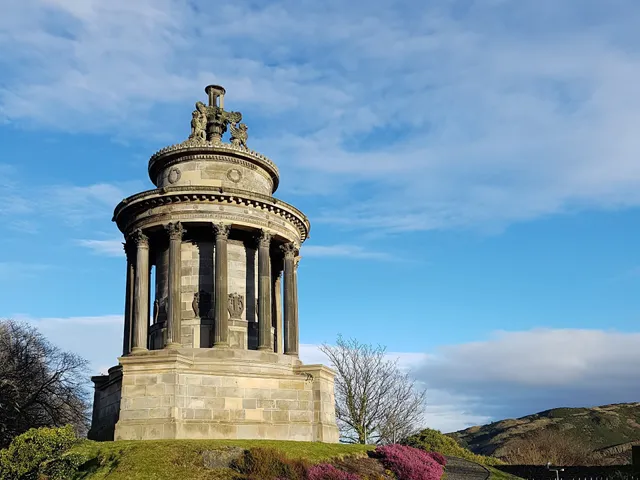
Burns Monument
1759 Regent Rd, Edinburgh EH8 8DR, United Kingdom
4.5(218)
Open until 12:00 AM
Save
spot
spot
Ratings & Description
Info
Cultural
Scenic
attractions: Museum of Edinburgh, Palace of Holyroodhouse, Dunbars Close, National Monument of Scotland, Nelson Monument, Scottish Parliament Building, The People's Story Museum, The King's Gallery, Palace of Holyroodhouse, Calton cemetery watchtower, The Chocolatarium, restaurants: Clarinda's Tearoom, Kilderkin, Tolbooth Tavern, Oink Canongate, THE PAKORA BAR, Cafe Vivo, Santu Coffee, Chef Bako, Loudons New Waverley, Yaduvanshi Authentic Indian Restaurant, local businesses: Calton Hill, No Regrets Studios Edinburgh, Inky and the Mane, New Calton Burial Ground, The Queen's Gallery, Palace of Holyroodhouse, The Fudge House of Edinburgh, Joivy Scotland, Canongate Kirkyard, OMNi Centre, Escape Hunt Edinburgh
 Learn more insights from Wanderboat AI.
Open hoursSee all hours
MonOpen 24 hoursOpen
Plan your stay

Pet-friendly Hotels in City of Edinburgh
Find a cozy hotel nearby and make it a full experience.

Affordable Hotels in City of Edinburgh
Find a cozy hotel nearby and make it a full experience.

The Coolest Hotels You Haven't Heard Of (Yet)
Find a cozy hotel nearby and make it a full experience.

Trending Stays Worth the Hype in City of Edinburgh
Find a cozy hotel nearby and make it a full experience.
Reviews
Live events

Mountebank Comedy Walk of Edinburgh
Thu, Feb 12 • 12:30 PM
Edinburgh, EH1 1QR, United Kingdom
View details
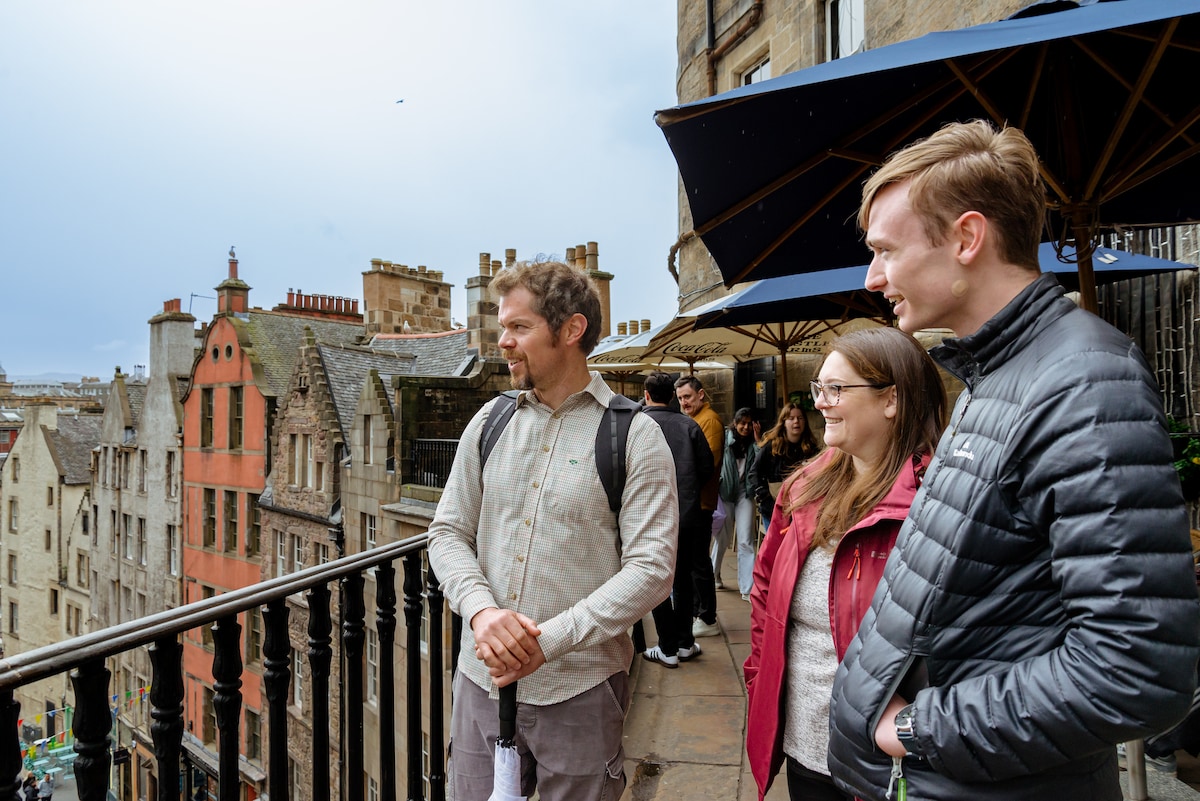
History Lovers Old Town Walk
Sat, Feb 14 • 10:00 AM
Edinburgh, EH2 3AA, United Kingdom
View details
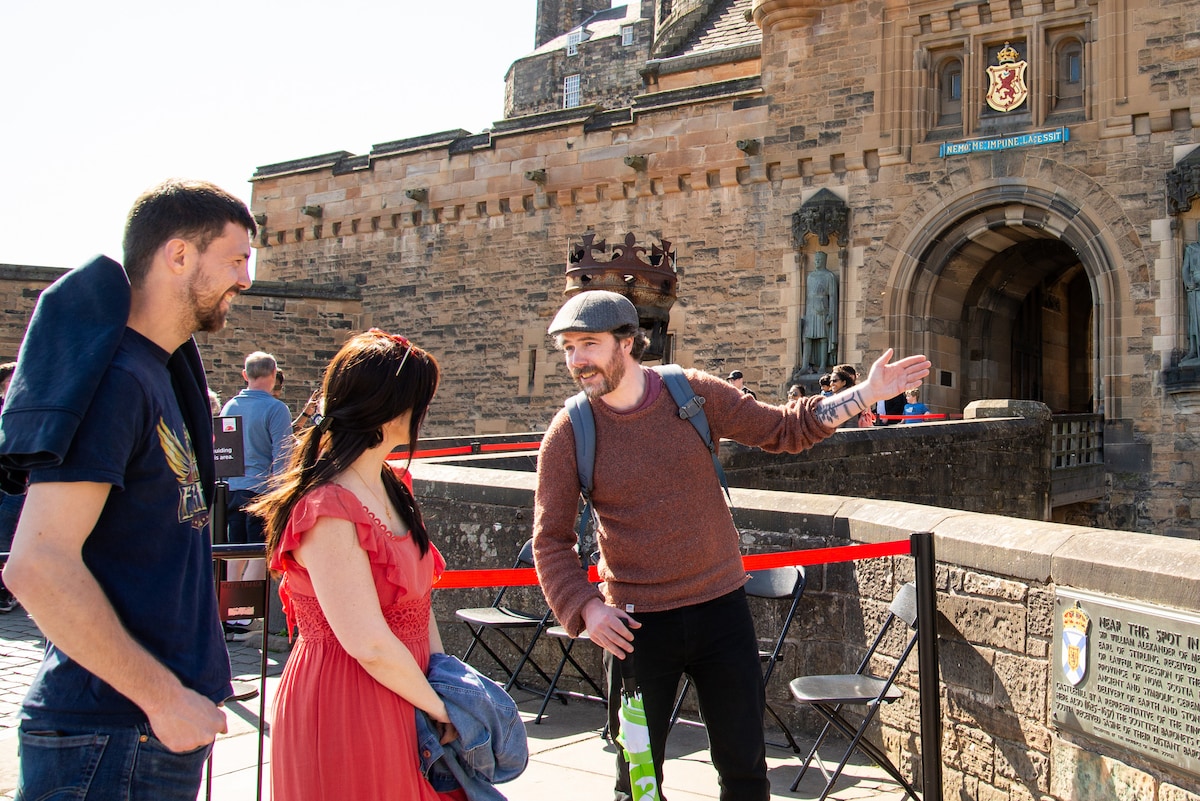
Explore the castle with your guide
Tue, Feb 10 • 1:30 PM
Edinburgh, EH1 1RF, United Kingdom
View details
Nearby attractions of Burns Monument
Museum of Edinburgh
Palace of Holyroodhouse
Dunbars Close
National Monument of Scotland
Nelson Monument
Scottish Parliament Building
The People's Story Museum
The King's Gallery, Palace of Holyroodhouse
Calton cemetery watchtower
The Chocolatarium
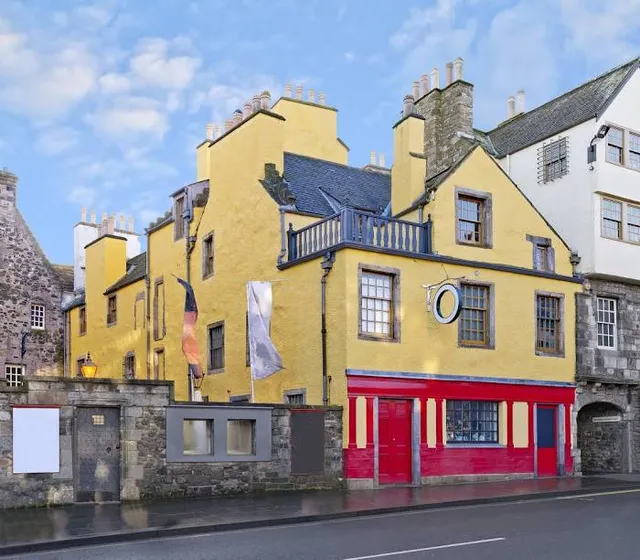
Museum of Edinburgh
4.4
(1.5K)
Open until 12:00 AM
Click for details
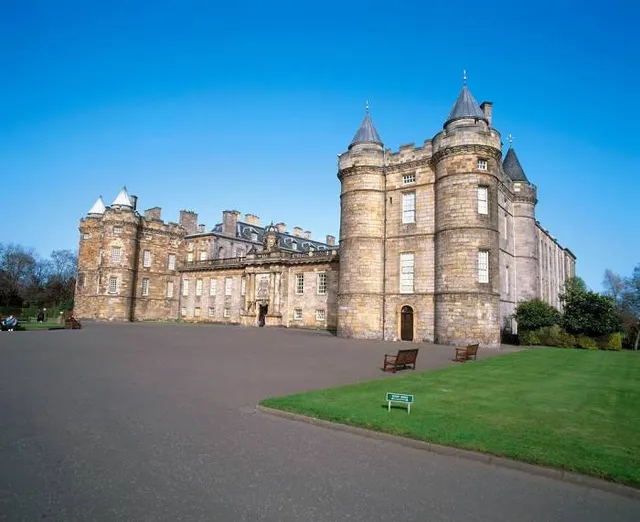
Palace of Holyroodhouse
4.6
(8.5K)
Closed
Click for details
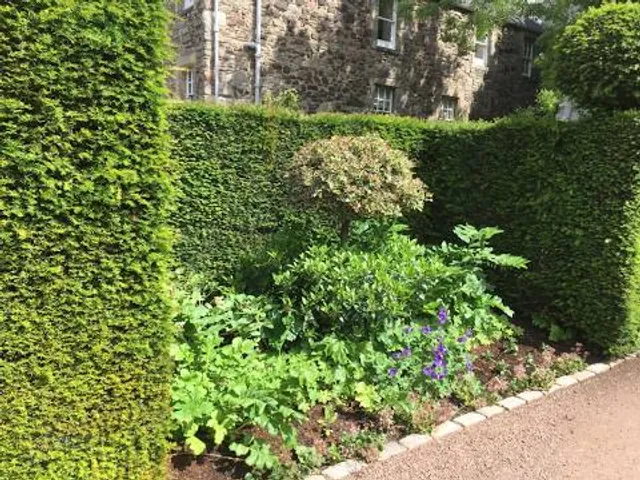
Dunbars Close
4.6
(289)
Closed
Click for details
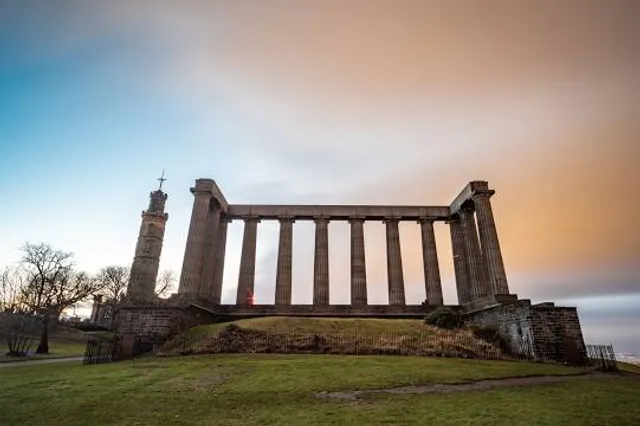
National Monument of Scotland
4.7
(1.2K)
Open until 12:00 AM
Click for details
Nearby restaurants of Burns Monument
Clarinda's Tearoom
Kilderkin
Tolbooth Tavern
Oink Canongate
THE PAKORA BAR
Cafe Vivo
Santu Coffee
Chef Bako
Loudons New Waverley
Yaduvanshi Authentic Indian Restaurant
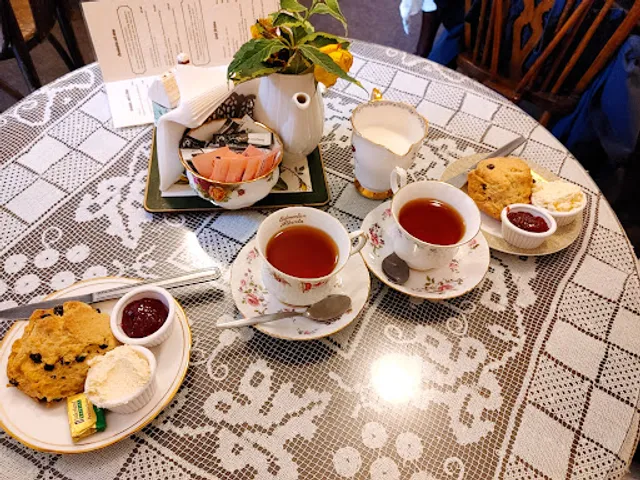
Clarinda's Tearoom
4.7
(719)
$
Open until 12:00 AM
Click for details

Kilderkin
4.4
(641)
Click for details
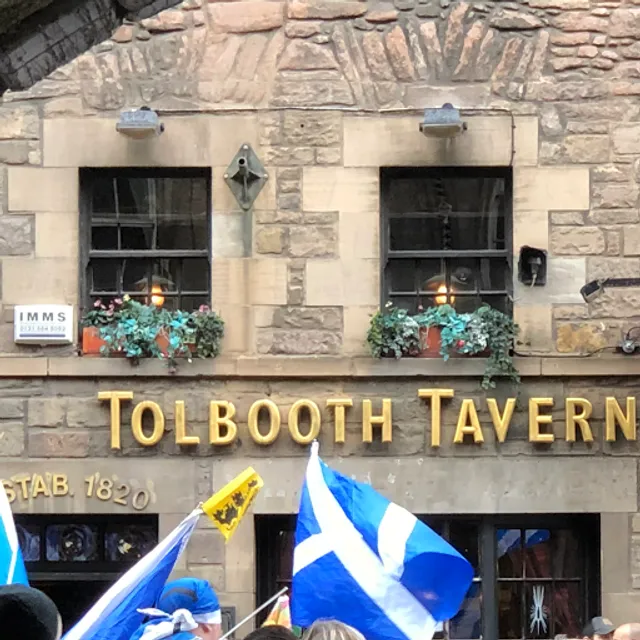
Tolbooth Tavern
4.5
(1.4K)
Open until 11:00 PM
Click for details
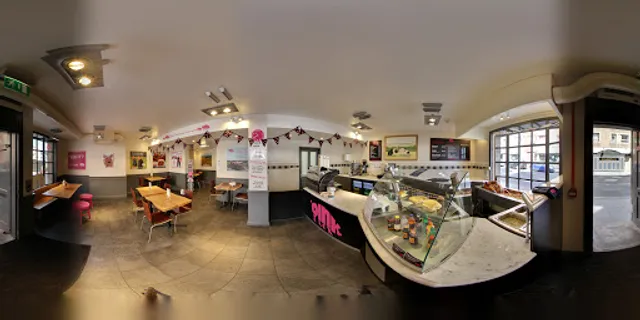
Oink Canongate
4.6
(842)
Closed
Click for details
Nearby local services of Burns Monument
Calton Hill
No Regrets Studios Edinburgh
Inky and the Mane
New Calton Burial Ground
The Queen's Gallery, Palace of Holyroodhouse
The Fudge House of Edinburgh
Joivy Scotland
Canongate Kirkyard
OMNi Centre
Escape Hunt Edinburgh
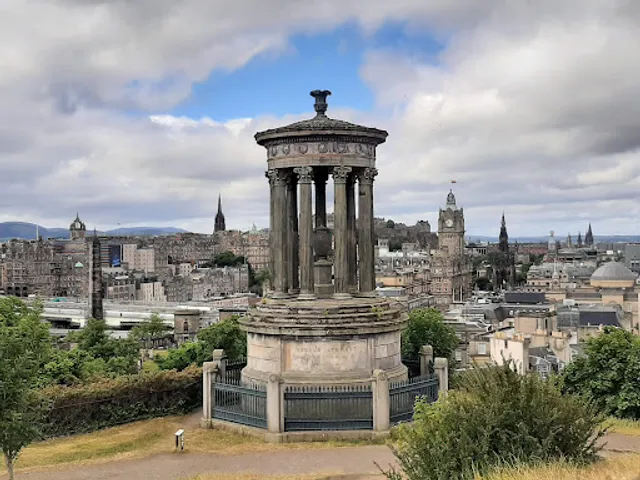
Calton Hill
4.8
(2.8K)
Click for details

No Regrets Studios Edinburgh
5.0
(63)
Click for details

Inky and the Mane
5.0
(34)
Click for details

New Calton Burial Ground
4.4
(60)
Click for details