HMS Alliance things to do, attractions, restaurants, events info and trip planning
Basic Info
HMS Alliance
The Solent, Haslar Rd, Gosport PO12 2AS, United Kingdom
4.7(109)
Open until 12:00 AM


tickets
Save
spot
spot
Ratings & Description
Info
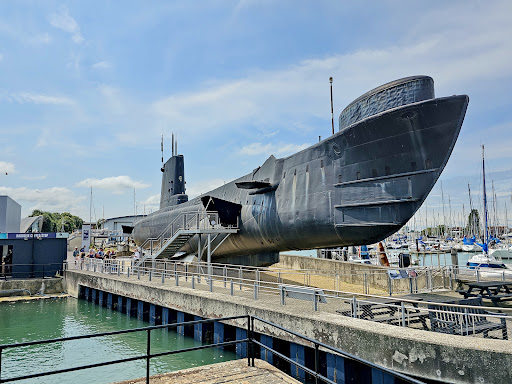
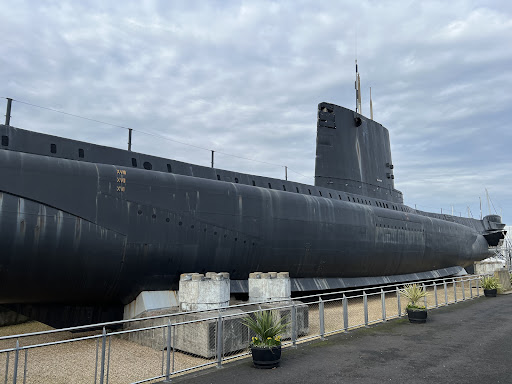
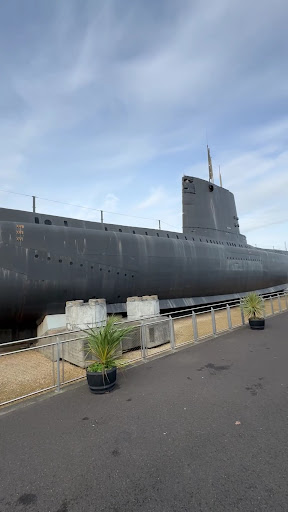
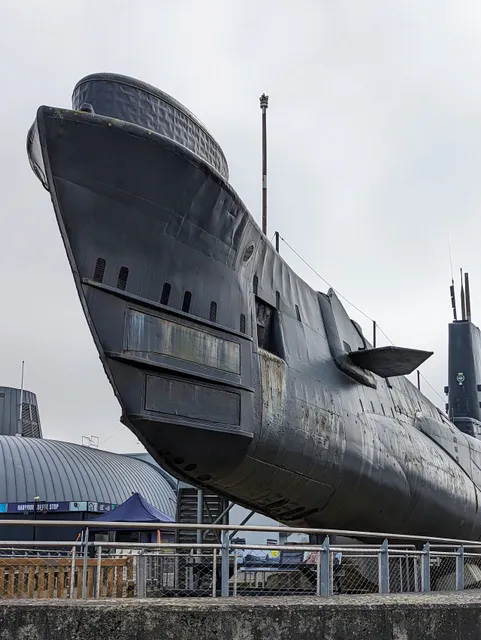
HMS Alliance is a Royal Navy A-class, Amphion-class or Acheron-class submarine, laid down towards the end of the Second World War and completed in 1947. The submarine is the only surviving example of the class, having been a memorial and museum ship since 1981.
Cultural
Entertainment
Family friendly
Accessibility
attractions: The Royal Navy Submarine Museum, Fort Blockhouse, Round Tower, Gosport Discovery Centre, Walpole Park, Haslar Sea Wall, Hotwalls Studios, Gosport Museum and Art Gallery, restaurants: The Creek at Haslar Marina, Coffee quarters, The Lightship at Haslar Marina, Lakeside Cafe And Bar, BEK sourdough bakery, The Still & West, Old Portsmouth, Coffee#1 Gosport, The Star - JD Wetherspoon, T & J Chinese Restaurant, Poppins Gosport, local businesses: The Lord’s Cigar Lounge, Fusion Fitness Gym Gosport, Victoria Pier
 Learn more insights from Wanderboat AI.
Phone
+44 23 9251 0354
Website
historicdockyard.co.uk
Open hoursSee all hours
MonClosedOpen
Plan your stay

Pet-friendly Hotels in Gosport
Find a cozy hotel nearby and make it a full experience.

Affordable Hotels in Gosport
Find a cozy hotel nearby and make it a full experience.

The Coolest Hotels You Haven't Heard Of (Yet)
Find a cozy hotel nearby and make it a full experience.

Trending Stays Worth the Hype in Gosport
Find a cozy hotel nearby and make it a full experience.
Reviews
Live events

Buff Bingo Drag Brunch - Southampton
Sat, Feb 28 • 12:00 PM
28a Bedford Pl, Southampton, SO15 2DB
View details
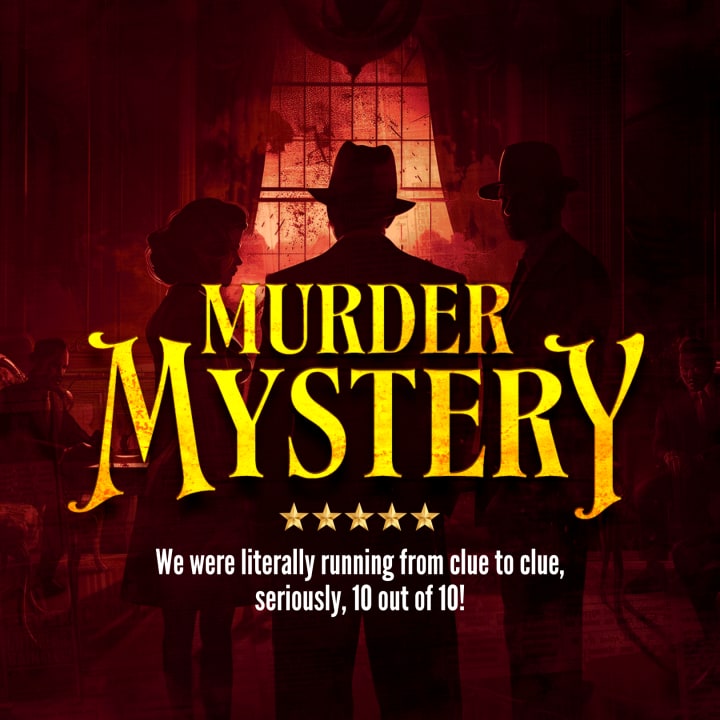
Portsmouth, UK Murder Mystery: Solve the case!
Sun, Mar 1 • 12:00 AM
Guildhall Square, Guildhall, Portsmouth, PO1 2AB
View details

Candlelight: Hans Zimmers Best Works
Sat, Feb 28 • 6:30 PM
The Park Office, Royal Victoria Country Park, Netley Abbey, Southampton, SO31 5GA
View details
Nearby attractions of HMS Alliance
The Royal Navy Submarine Museum
Fort Blockhouse
Round Tower
Gosport Discovery Centre
Walpole Park
Haslar Sea Wall
Hotwalls Studios
Gosport Museum and Art Gallery
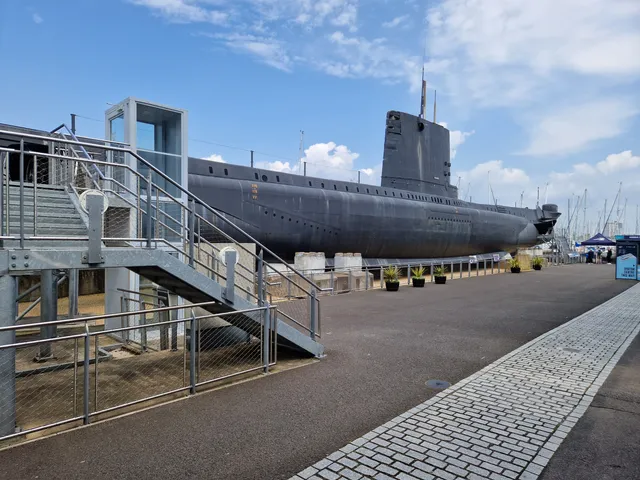
The Royal Navy Submarine Museum
4.7
(1.4K)
Open until 12:00 AM
Click for details
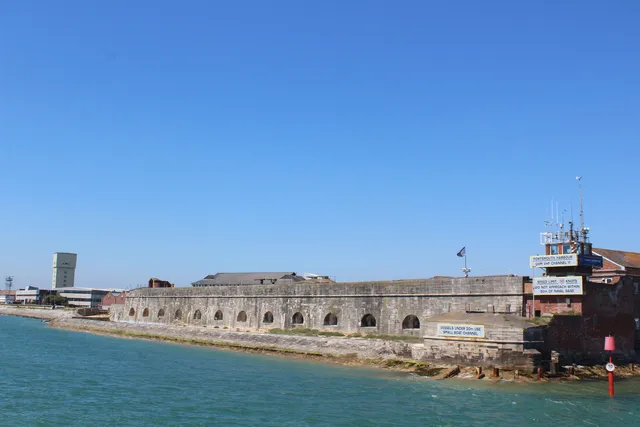
Fort Blockhouse
3.9
(122)
Open until 12:00 AM
Click for details
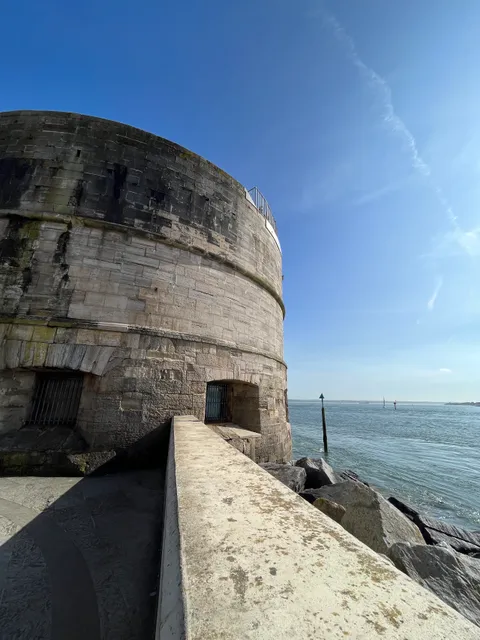
Round Tower
4.6
(561)
Open until 12:00 AM
Click for details
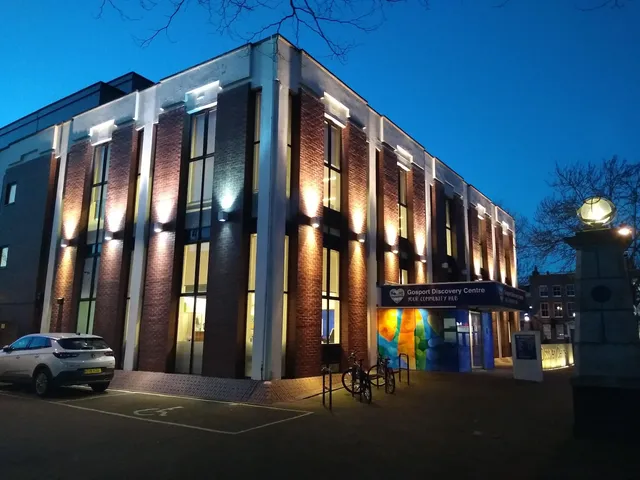
Gosport Discovery Centre
4.5
(49)
Open until 12:00 AM
Click for details
Nearby restaurants of HMS Alliance
The Creek at Haslar Marina
Coffee quarters
The Lightship at Haslar Marina
Lakeside Cafe And Bar
BEK sourdough bakery
The Still & West, Old Portsmouth
Coffee#1 Gosport
The Star - JD Wetherspoon
T & J Chinese Restaurant
Poppins Gosport
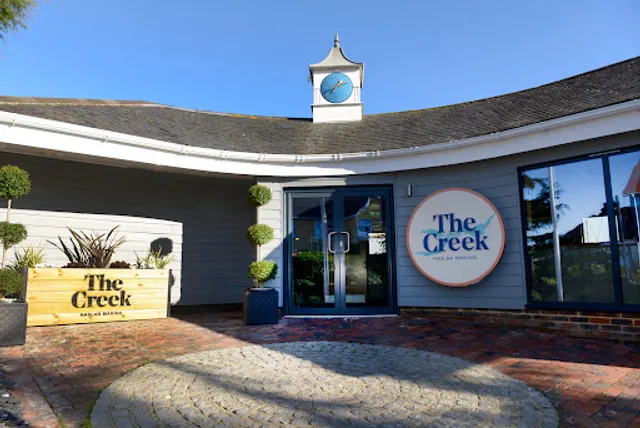
The Creek at Haslar Marina
3.9
(166)
Open until 12:00 AM
Click for details

Coffee quarters
4.1
(36)
Open until 5:00 PM
Click for details
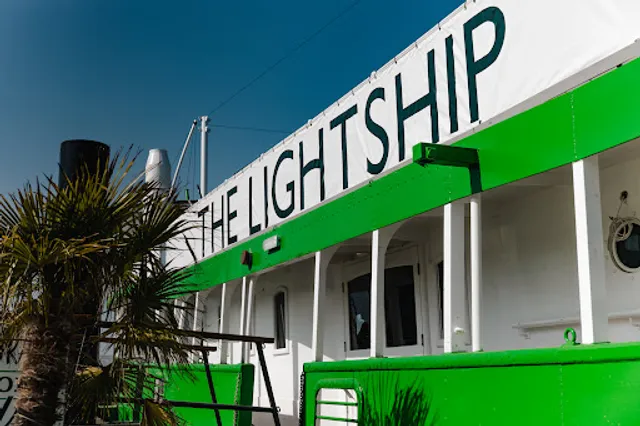
The Lightship at Haslar Marina
4.4
(171)
$$
Click for details
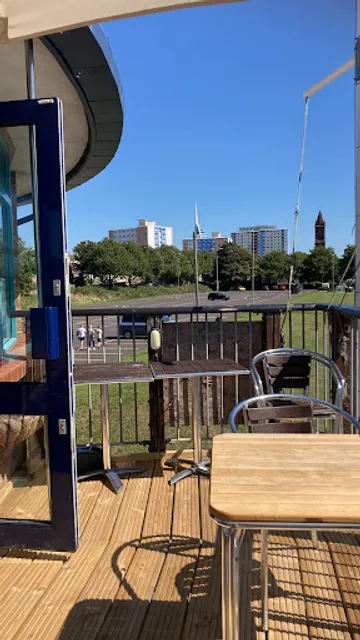
Lakeside Cafe And Bar
4.5
(169)
Open until 12:00 AM
Click for details
Nearby local services of HMS Alliance
The Lord’s Cigar Lounge
Fusion Fitness Gym Gosport
Victoria Pier

The Lord’s Cigar Lounge
5.0
(28)
Click for details

Fusion Fitness Gym Gosport
4.9
(78)
Click for details
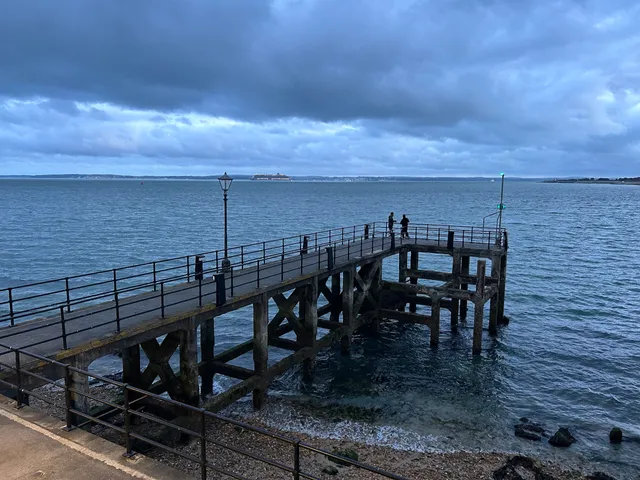
Victoria Pier
4.5
(23)
Click for details