St Andrews Cathedral things to do, attractions, restaurants, events info and trip planning
Basic Info
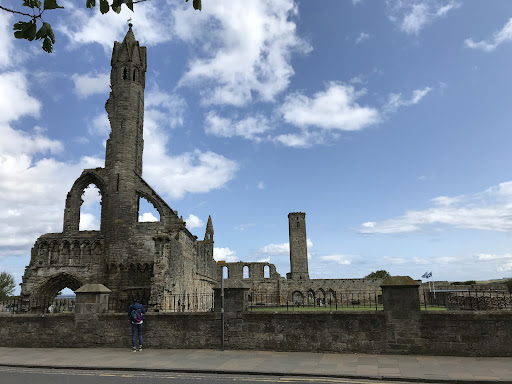
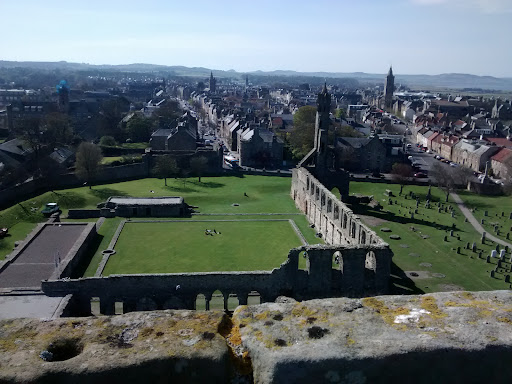
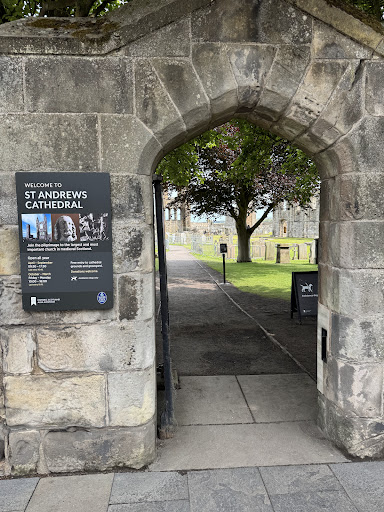
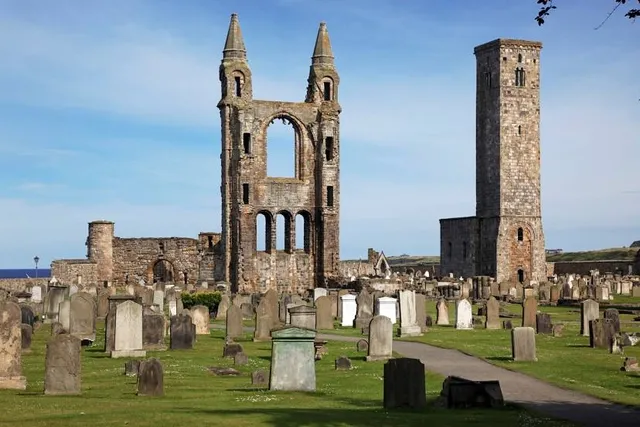
St Andrews Cathedral
The Pends, St Andrews KY16 9QL, United Kingdom
4.6(1.6K)
Open until 12:00 AM
Save
spot
spot
Ratings & Description
Info
St. Andrew's Cathedral is the Roman Catholic cathedral for the diocese of Victoria in British Columbia, Canada. Built in the High Victorian Gothic style, St. Andrew's was Victoria's third cathedral to be built.
Cultural
Outdoor
Family friendly
Accessibility
attractions: St Andrews Castle, The Byre Theatre, St Andrews Heritage Museum & Garden, Castle Sands, St Andrews Pier, University of St Andrews, St Salvator's Chapel, Gallery Franklin, The Bell Pettigrew Museum, Wardlaw Museum, restaurants: Northpoint Café, The Criterion, Zizzi - St Andrews, Harbour Cafe, We Are Zest Café, Nando's St Andrews, Tanon, The Bothy St Andrews, Tulsi Indian and Thai Restaurant, BlackHorn Burgers, local businesses: Jannettas Gelateria, Home Improvements St Andrews Ltd, Spokes Cycles - St Andrews, The Crystal Shop Scotland, The 51 Club - Bespoke Gentleman's Grooming, Bouquiniste Books, Cosmos Community Centre, Domino's Pizza - St Andrews, Waterstones, Bonkers Gift Shop St Andrews
 Learn more insights from Wanderboat AI.
Phone
+44 1334 472563
Website
historicenvironment.scot
Open hoursSee all hours
WedClosedOpen
Plan your stay

Pet-friendly Hotels in Great Britain
Find a cozy hotel nearby and make it a full experience.

Affordable Hotels in Great Britain
Find a cozy hotel nearby and make it a full experience.

The Coolest Hotels You Haven't Heard Of (Yet)
Find a cozy hotel nearby and make it a full experience.

Trending Stays Worth the Hype in Great Britain
Find a cozy hotel nearby and make it a full experience.
Reviews
Live events
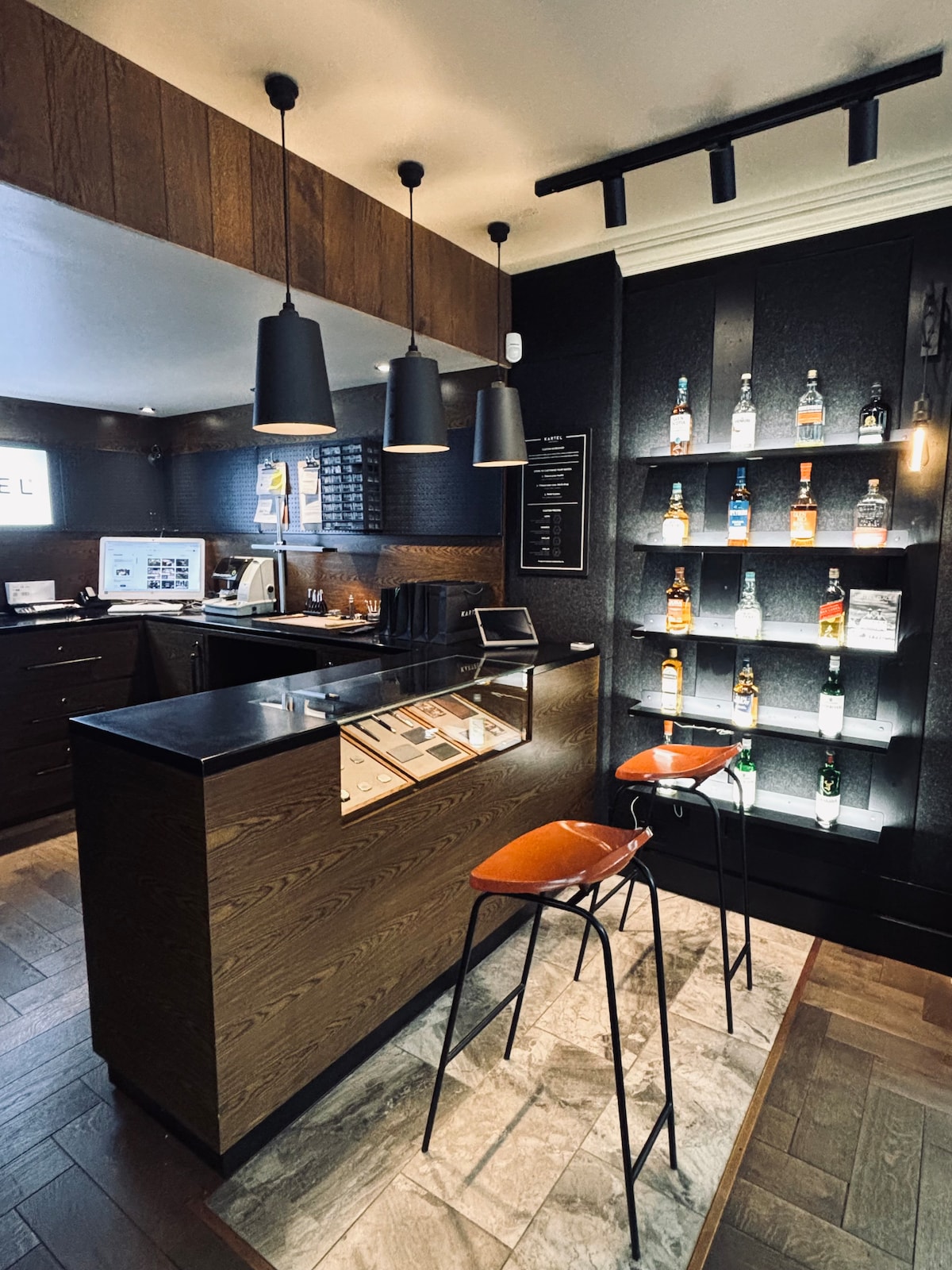
Kartel Watch Experience
Wed, Feb 25 • 10:00 AM
Fife, KY16 9NW, United Kingdom
View details
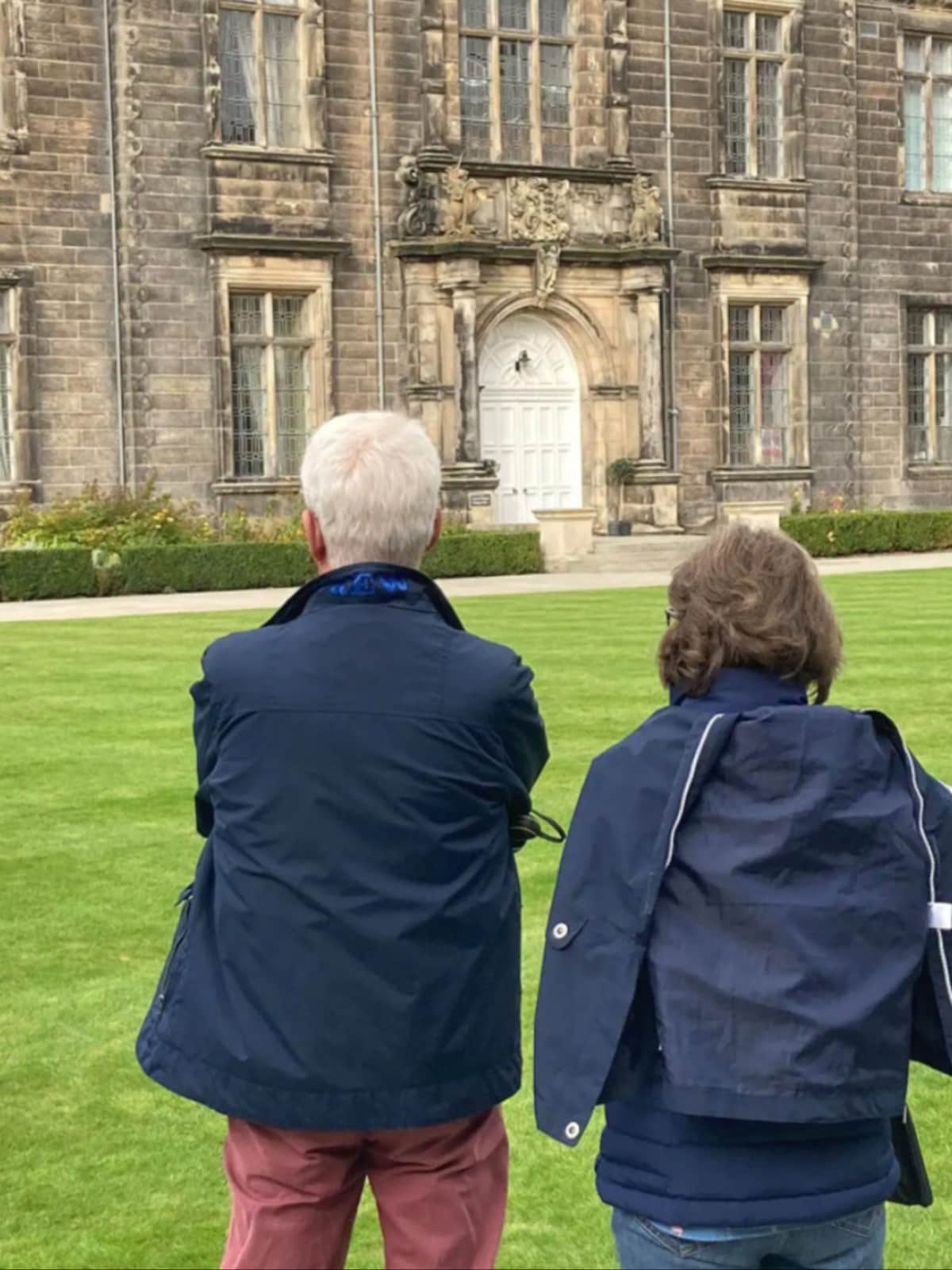
Explore St Andrews with a Wee Walk and Cocktail
Wed, Feb 25 • 5:00 PM
Fife, KY16 9AS, United Kingdom
View details
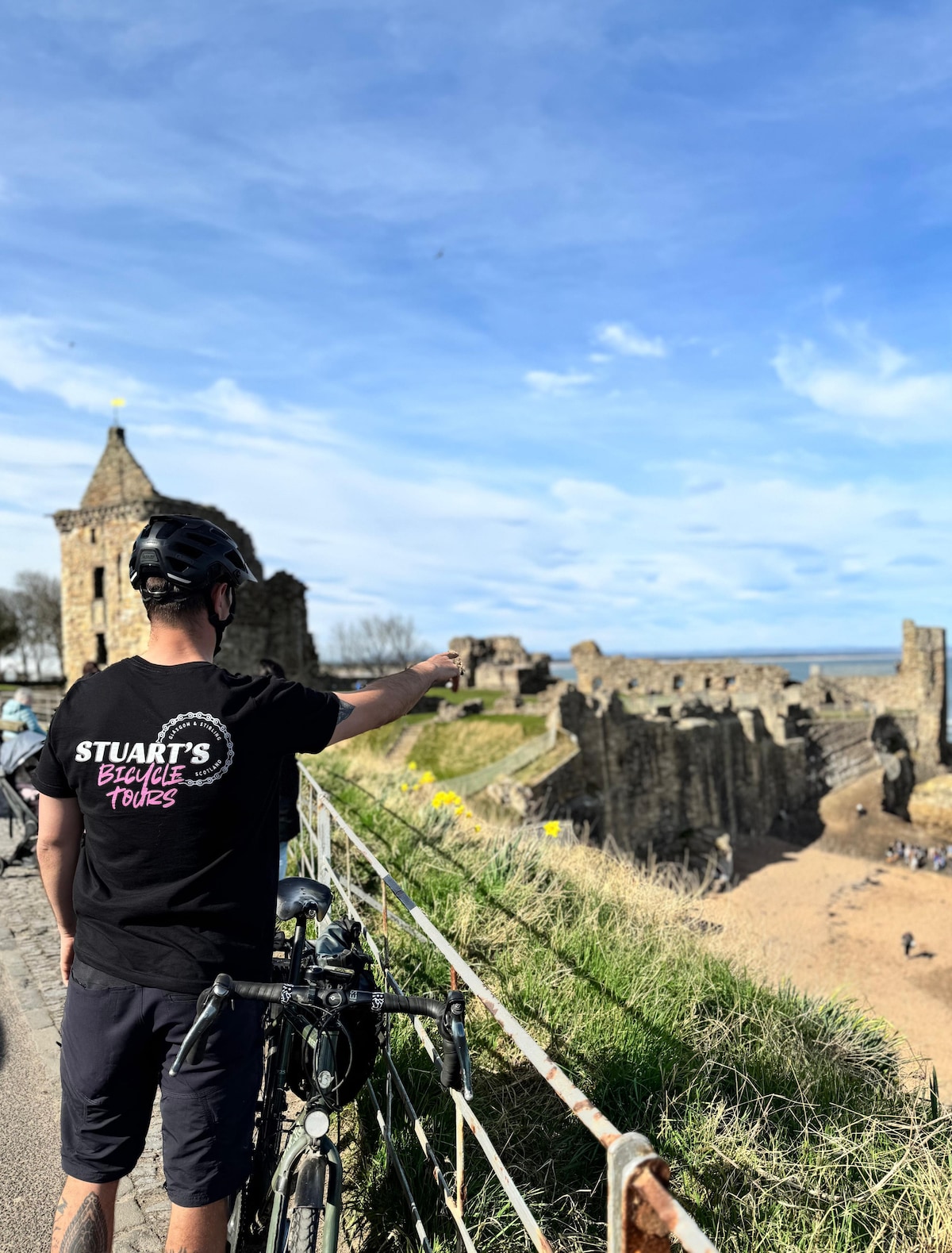
Join a guided E bike tour of St Andrews & Beyond
Wed, Feb 25 • 10:30 AM
Fife, KY16 9AA, United Kingdom
View details
Nearby attractions of St Andrews Cathedral
St Andrews Castle
The Byre Theatre
St Andrews Heritage Museum & Garden
Castle Sands
St Andrews Pier
University of St Andrews
St Salvator's Chapel
Gallery Franklin
The Bell Pettigrew Museum
Wardlaw Museum
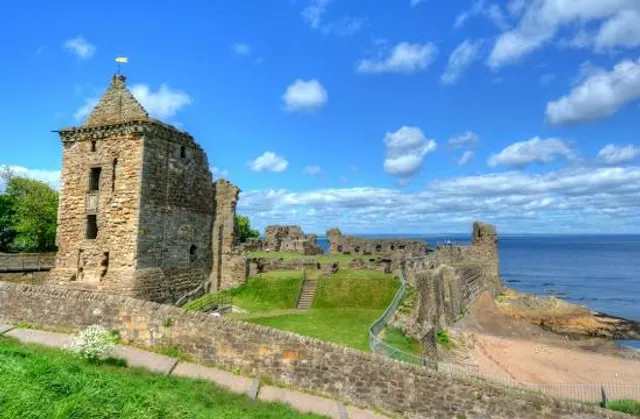
St Andrews Castle
4.5
(1.9K)
Closed
Click for details

The Byre Theatre
4.7
(282)
Open 24 hours
Click for details
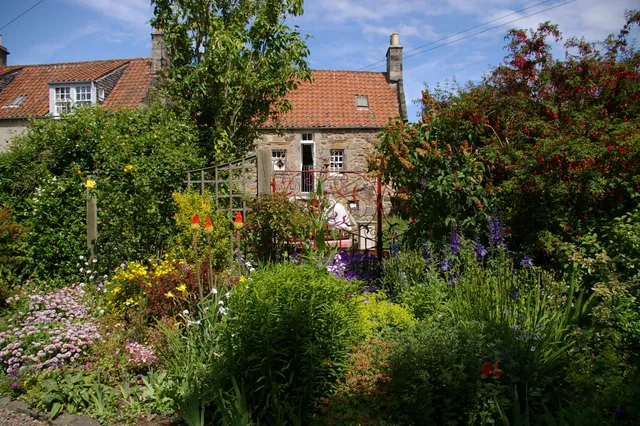
St Andrews Heritage Museum & Garden
4.7
(58)
Open until 12:00 AM
Click for details
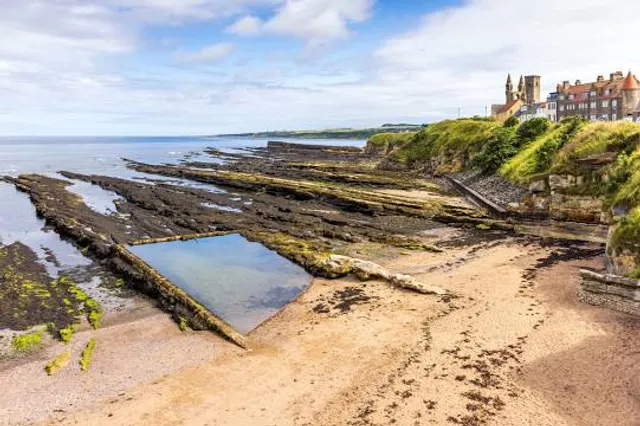
Castle Sands
4.5
(39)
Open until 12:00 AM
Click for details
Nearby restaurants of St Andrews Cathedral
Northpoint Café
The Criterion
Zizzi - St Andrews
Harbour Cafe
We Are Zest Café
Nando's St Andrews
Tanon
The Bothy St Andrews
Tulsi Indian and Thai Restaurant
BlackHorn Burgers
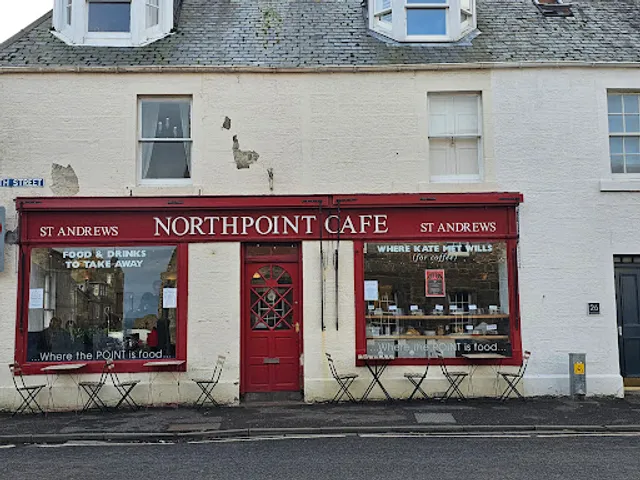
Northpoint Café
4.4
(352)
Closed
Click for details
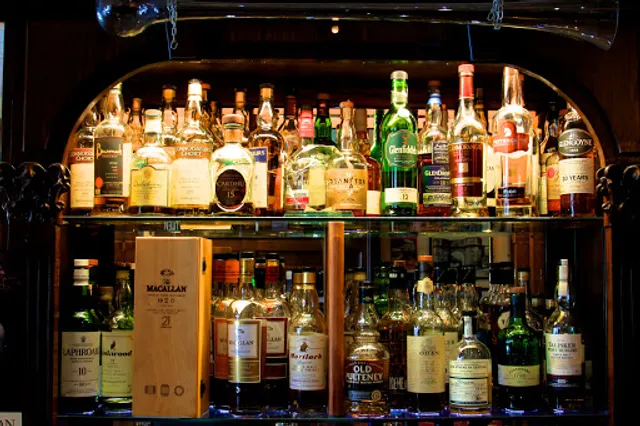
The Criterion
4.6
(706)
$
Closed
Click for details
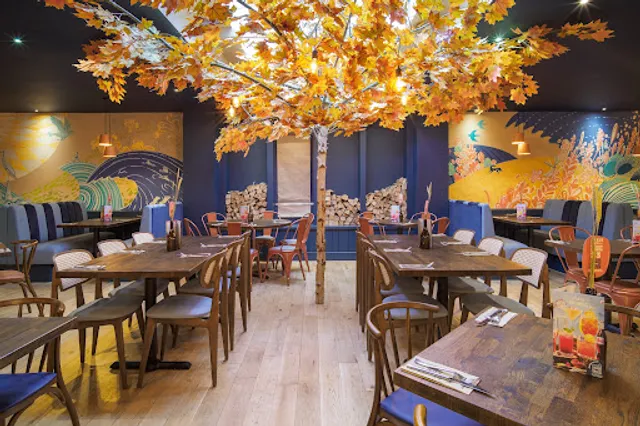
Zizzi - St Andrews
4.0
(496)
Closed
Click for details

Harbour Cafe
4.4
(168)
Click for details
Nearby local services of St Andrews Cathedral
Jannettas Gelateria
Home Improvements St Andrews Ltd
Spokes Cycles - St Andrews
The Crystal Shop Scotland
The 51 Club - Bespoke Gentleman's Grooming
Bouquiniste Books
Cosmos Community Centre
Domino's Pizza - St Andrews
Waterstones
Bonkers Gift Shop St Andrews

Jannettas Gelateria
4.7
(1.7K)
Click for details

Home Improvements St Andrews Ltd
4.1
(94)
Click for details

Spokes Cycles - St Andrews
4.5
(42)
Click for details

The Crystal Shop Scotland
4.7
(126)
Click for details