St George's Hall things to do, attractions, restaurants, events info and trip planning
Basic Info
St George's Hall
St George's Pl, Liverpool L1 1JJ, United Kingdom
4.7(1.9K)
Closed


tickets
Save
spot
spot
Ratings & Description
Info
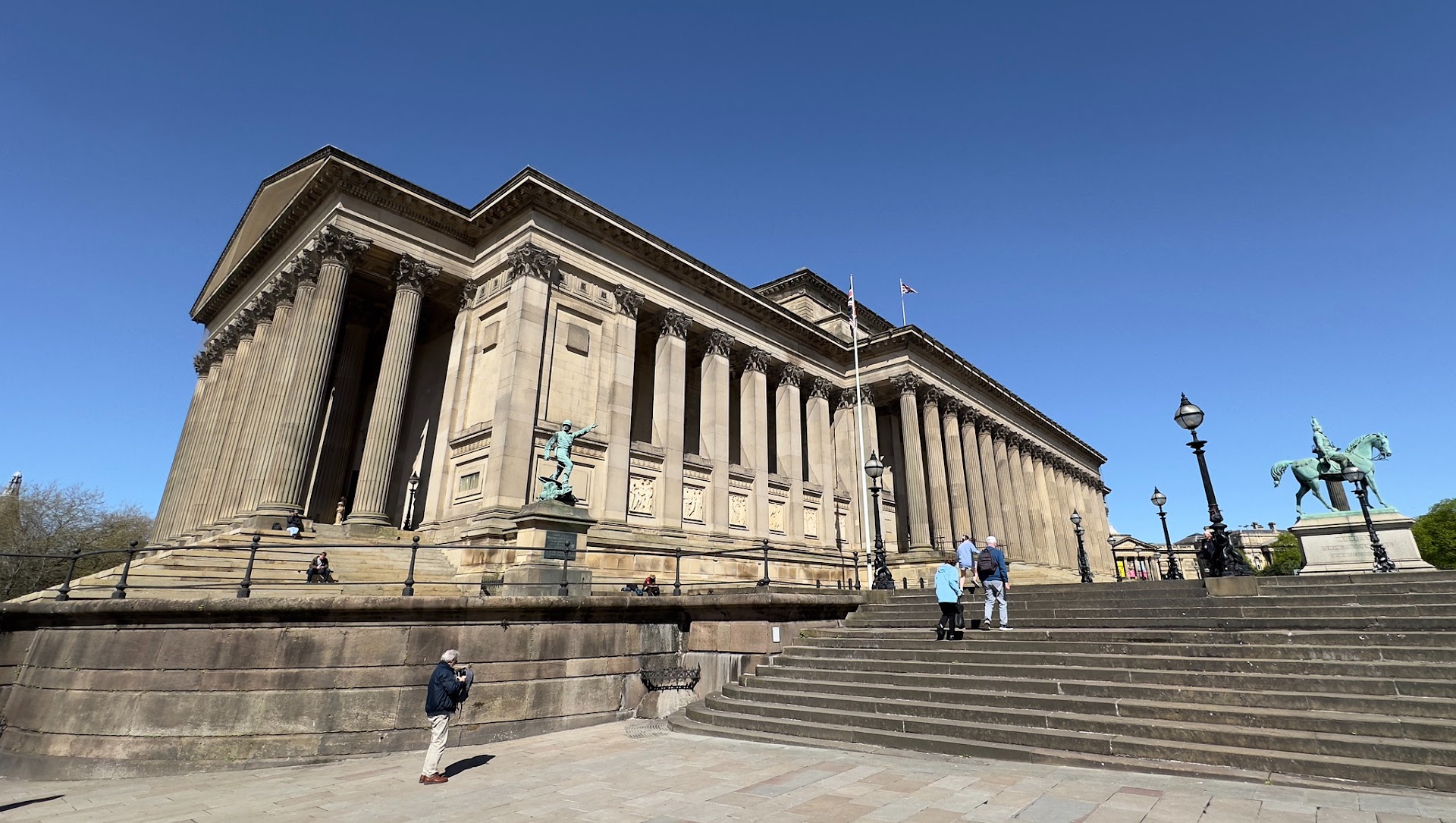
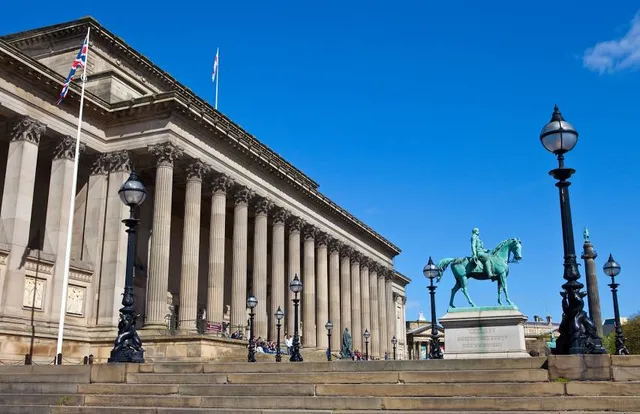
St George's Hall is a building on St George's Place, opposite Lime Street railway station in the centre of Liverpool, England. Opened in 1854, it is a Neoclassical building which contains concert halls and law courts, and is recorded in the National Heritage List for England as a designated Grade I listed building.
Cultural
Accessibility
attractions: World Museum, Liverpool Empire, Royal Court Theatre, Walker Art Gallery, St John's Gardens, Central Library, St Johns Beacon Viewing Gallery, Liverpool Playhouse Theatre, HisocieTEAuk, National Museums Liverpool, restaurants: The North Western - JD Wetherspoon, Boom Battle Bar Liverpool, Doctor Duncan's, Ma Egerton's Stage Door, The Fall Well - JD Wetherspoon, The Richard John Blackler - JD Wetherspoon, NEAPOLITAN Pizza & Bar - Lime street, Upper Crust Liverpool Lime Street, DUNKIN' St John's, Nando's Liverpool - Queen Square, local businesses: St Johns Shopping Centre, Liverpool Hair & Cosmetics Ltd, LFC Official Club Store, Storm Desire, Henry Bohn Books, The Best Dress by Fairytale Endings, Clayton Square Shopping Centre, Steble Fountain, Primark, Supercuts Hair Salon Liverpool St. Johns
 Learn more insights from Wanderboat AI.
Website
stgeorgeshallliverpool.co.uk
Open hoursSee all hours
Fri9:30 AM - 5 PMClosed
Plan your stay

Pet-friendly Hotels in Liverpool
Find a cozy hotel nearby and make it a full experience.

Affordable Hotels in Liverpool
Find a cozy hotel nearby and make it a full experience.

The Coolest Hotels You Haven't Heard Of (Yet)
Find a cozy hotel nearby and make it a full experience.

Trending Stays Worth the Hype in Liverpool
Find a cozy hotel nearby and make it a full experience.
Reviews
Live events
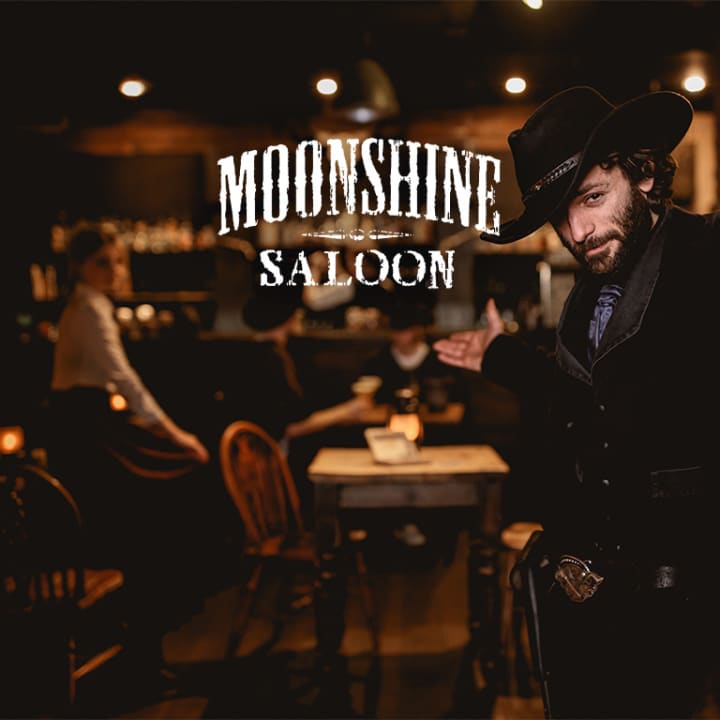
Moonshine Saloon Liverpool: Immersive Wild West Cocktail Experience
Fri, Feb 20 • 7:05 PM
40 Seel Street, Liverpool, L1 4BE, L1 4BE
View details

Walk through Liverpools history
Fri, Feb 20 • 10:00 AM
Merseyside, L3 1HU, United Kingdom
View details
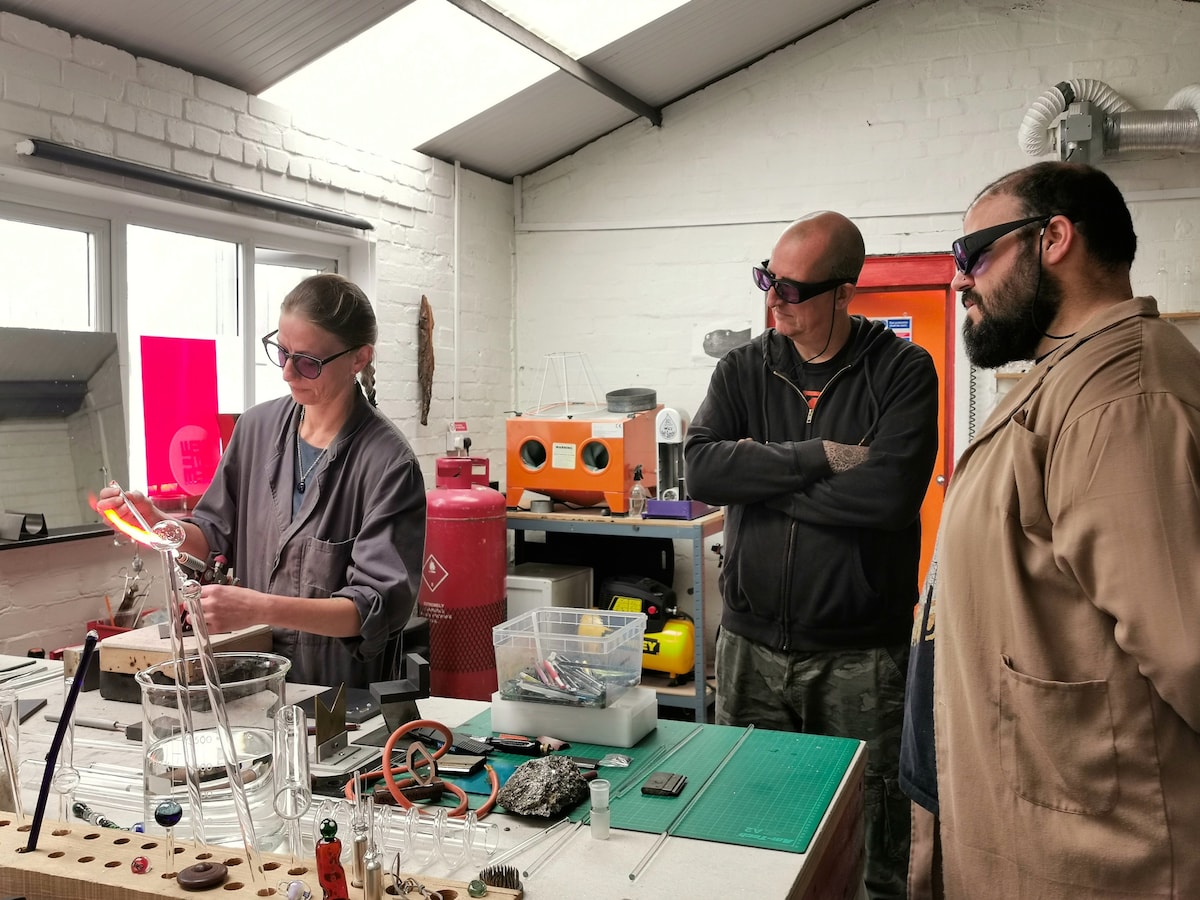
Glassblowing experience for beginners
Sat, Feb 21 • 1:30 PM
Merseyside, L19 8JA, United Kingdom
View details
Nearby attractions of St George's Hall
World Museum
Liverpool Empire
Royal Court Theatre
Walker Art Gallery
St John's Gardens
Central Library
St Johns Beacon Viewing Gallery
Liverpool Playhouse Theatre
HisocieTEAuk
National Museums Liverpool
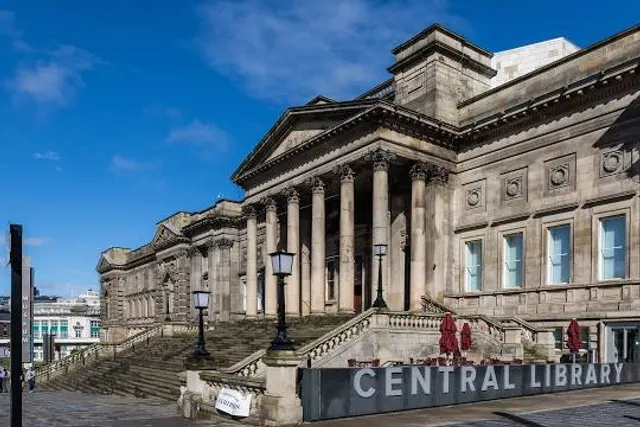
World Museum
4.6
(6.1K)
Closed
Click for details
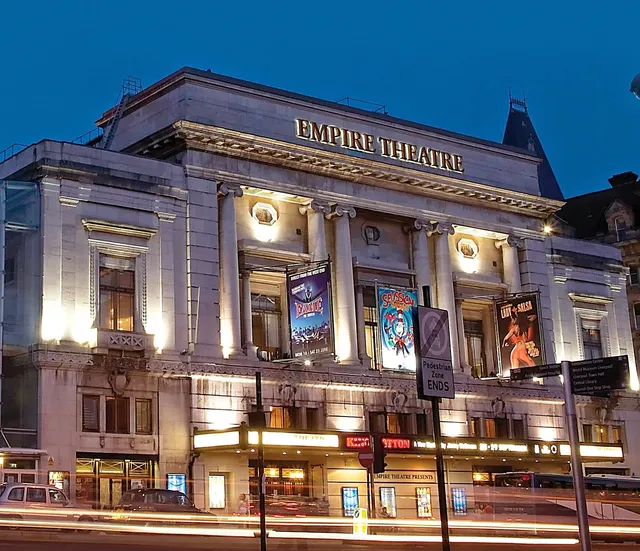
Liverpool Empire
4.5
(3.5K)
Open 24 hours
Click for details

Royal Court Theatre
4.7
(1.6K)
Open 24 hours
Click for details
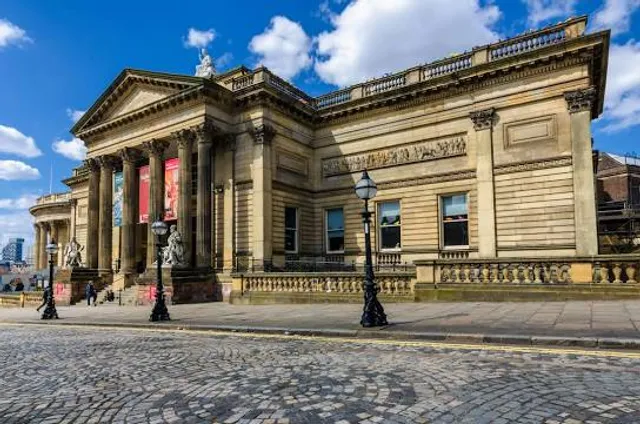
Walker Art Gallery
4.7
(2.1K)
Open 24 hours
Click for details
Nearby restaurants of St George's Hall
The North Western - JD Wetherspoon
Boom Battle Bar Liverpool
Doctor Duncan's
Ma Egerton's Stage Door
The Fall Well - JD Wetherspoon
The Richard John Blackler - JD Wetherspoon
NEAPOLITAN Pizza & Bar - Lime street
Upper Crust Liverpool Lime Street
DUNKIN' St John's
Nando's Liverpool - Queen Square
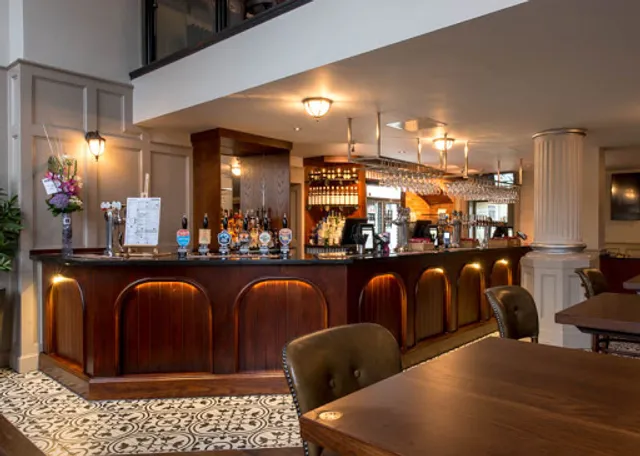
The North Western - JD Wetherspoon
4.2
(2K)
Open until 12:00 AM
Click for details
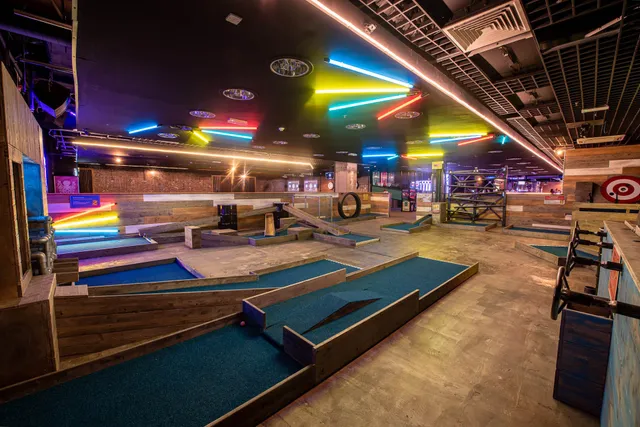
Boom Battle Bar Liverpool
4.8
(709)
$$
Closed
Click for details
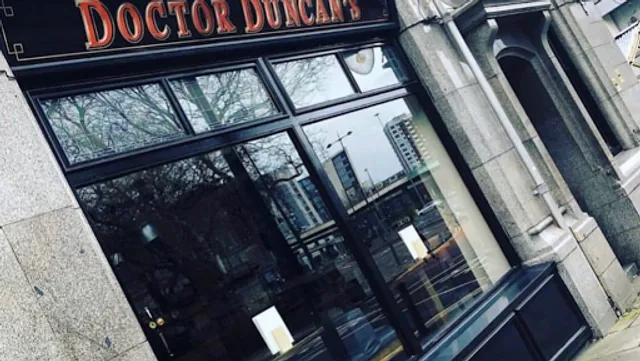
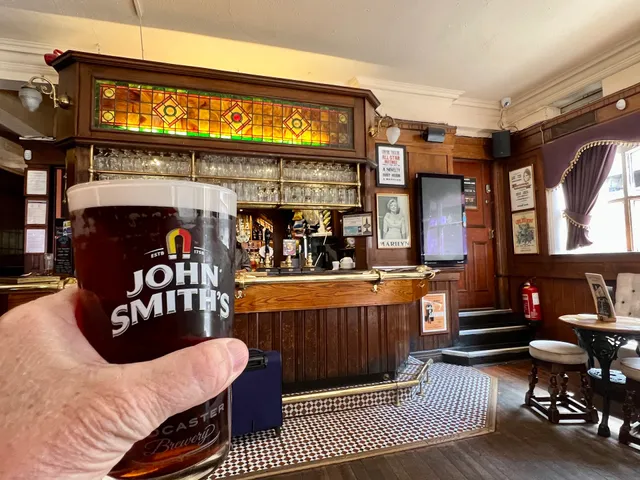
Doctor Duncan's
4.4
(643)
Closed
Click for details
Ma Egerton's Stage Door
4.5
(717)
Closed
Click for details
Nearby local services of St George's Hall
St Johns Shopping Centre
Liverpool Hair & Cosmetics Ltd
LFC Official Club Store
Storm Desire
Henry Bohn Books
The Best Dress by Fairytale Endings
Clayton Square Shopping Centre
Steble Fountain
Primark
Supercuts Hair Salon Liverpool St. Johns
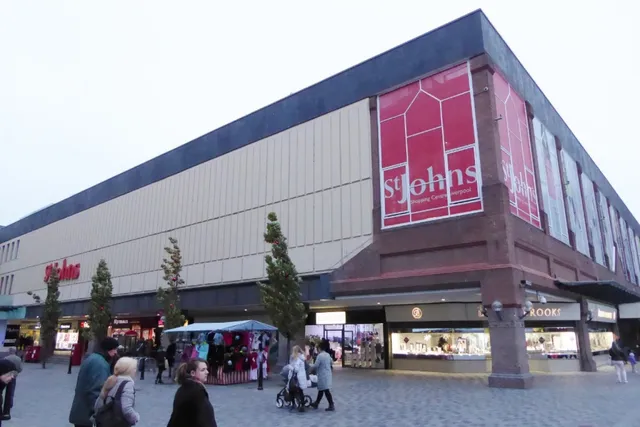
St Johns Shopping Centre
4.1
(5.3K)
Click for details

Liverpool Hair & Cosmetics Ltd
4.6
(275)
Click for details
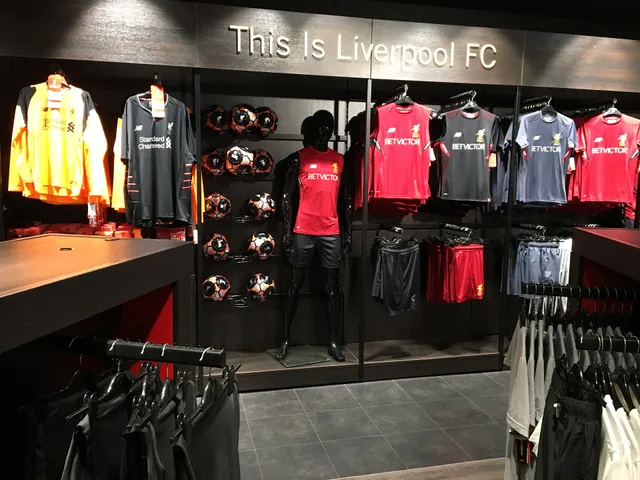
LFC Official Club Store
4.6
(752)
Click for details

Storm Desire
4.3
(127)
Click for details