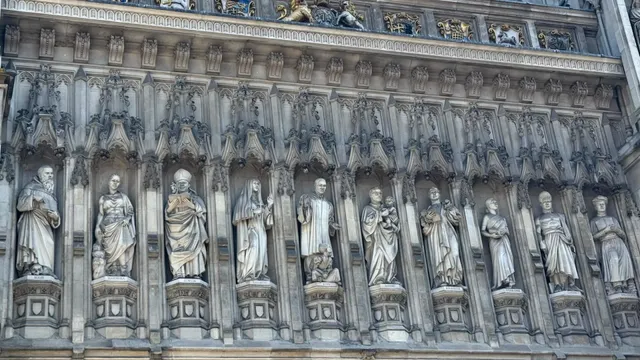
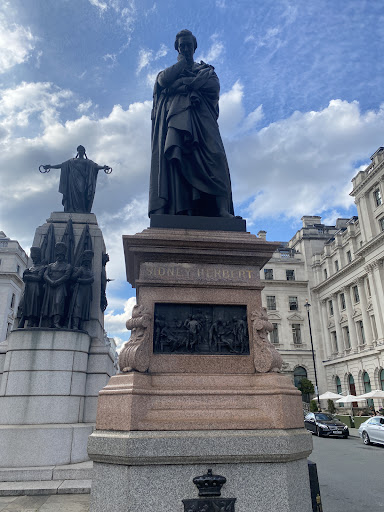
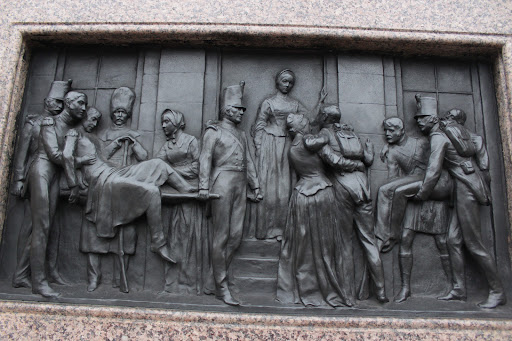
Guards Crimean War Memorial things to do, attractions, restaurants, events info and trip planning
Basic Info
Guards Crimean War Memorial
Waterloo Pl, London SW1Y 4AR, United Kingdom
4.5(261)
Open until 12:00 AM
Save
spot
spot
Ratings & Description
Info
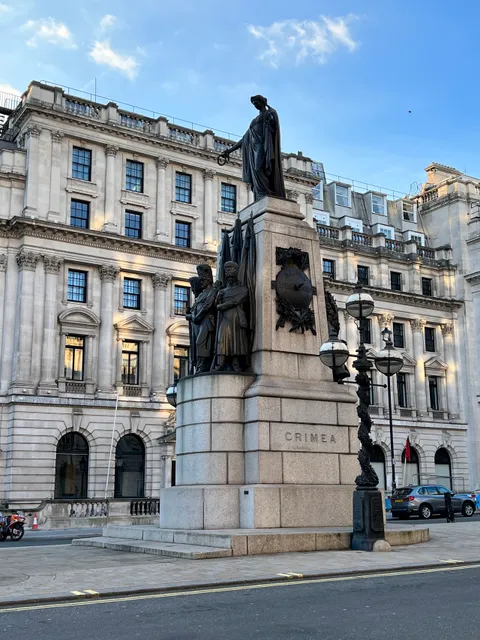
The Guards Crimean War Memorial is a Grade II listed memorial in St James's, London, that commemorates the Allied victory in the Crimean War of 1853–56.
Cultural
Scenic
Accessibility
Family friendly
attractions: His Majesty's Theatre, Trafalgar Square, Theatre Royal Haymarket, 116 Pall Mall - Institute of Directors, The National Gallery, The Harold Pinter Theatre, Leicester Square, Prince of Wales Theatre, Duke of York Column, The Criterion Theatre, restaurants: Wild Honey St James, Shoryu Ramen Regent Street, Imperial Treasure Fine Chinese Cuisine, estiatorio Milos, San Carlo - London, Fallow, Farzi London, Claro London, Scully, YORI Piccadilly Circus Korean BBQ, local businesses: Farlows, M&M'S London, St James's Square, Waterstones, Vue Cinema London - Piccadilly, Dover Street Market, The LEGO® Store Leicester Square, Spa, PureGym London Piccadilly, Mountain Warehouse London Regent Street New
 Learn more insights from Wanderboat AI.
Website
iwm.org.uk
Open hoursSee all hours
SatOpen 24 hoursOpen
Plan your stay

Pet-friendly Hotels in London
Find a cozy hotel nearby and make it a full experience.

Affordable Hotels in London
Find a cozy hotel nearby and make it a full experience.

The Coolest Hotels You Haven't Heard Of (Yet)
Find a cozy hotel nearby and make it a full experience.

Trending Stays Worth the Hype in London
Find a cozy hotel nearby and make it a full experience.
Reviews
Live events
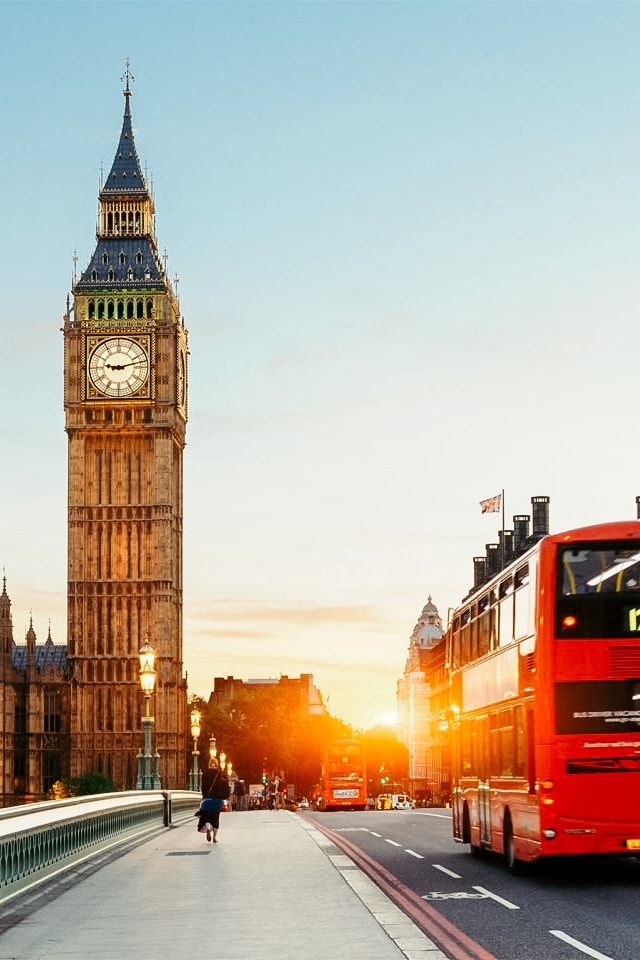
Explore 30+ London sights
Sat, Feb 14 • 1:00 PM
Greater London, W1J 9BR, United Kingdom
View details
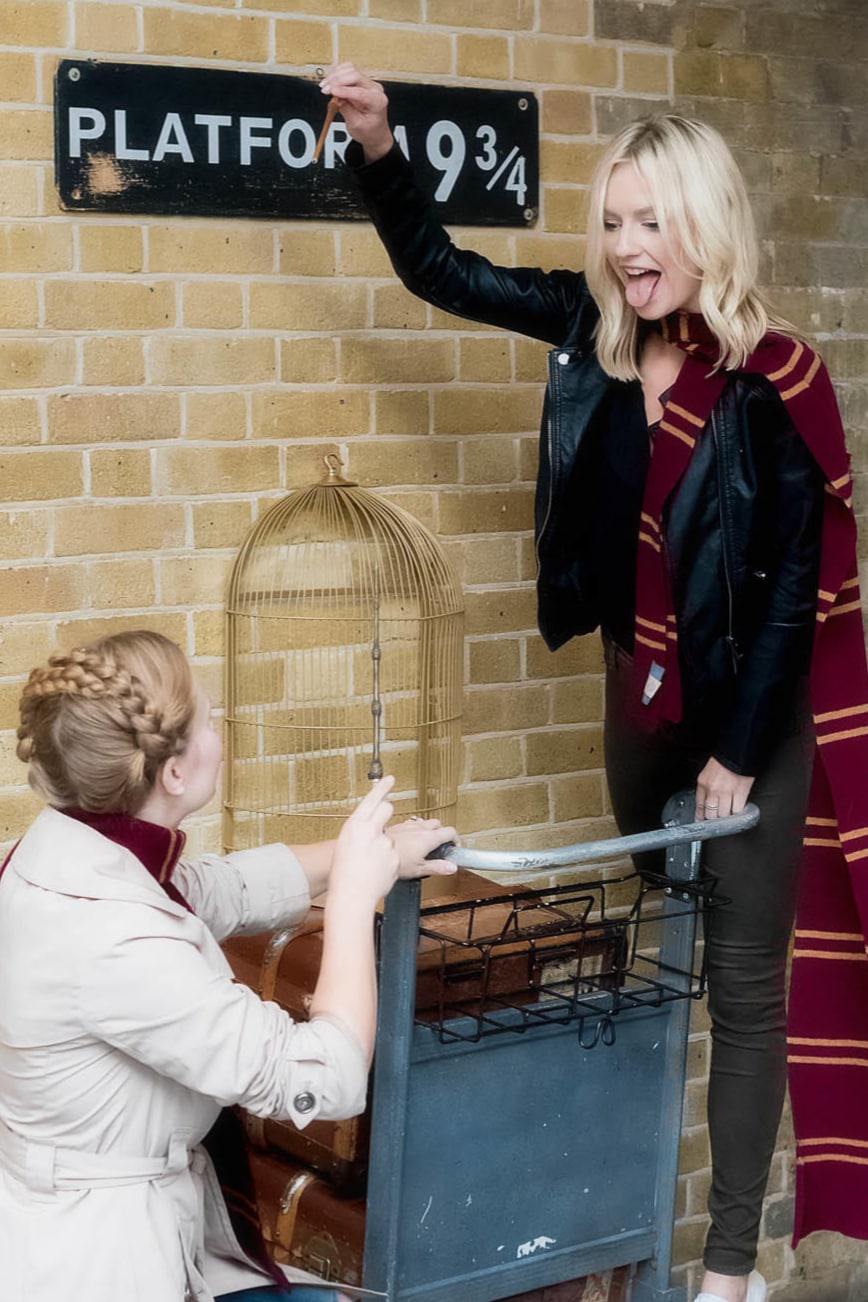
Top-Rated London Harry Potter Tour—Family Friendly
Sat, Feb 14 • 4:00 PM
Greater London, N1 9AP, United Kingdom
View details
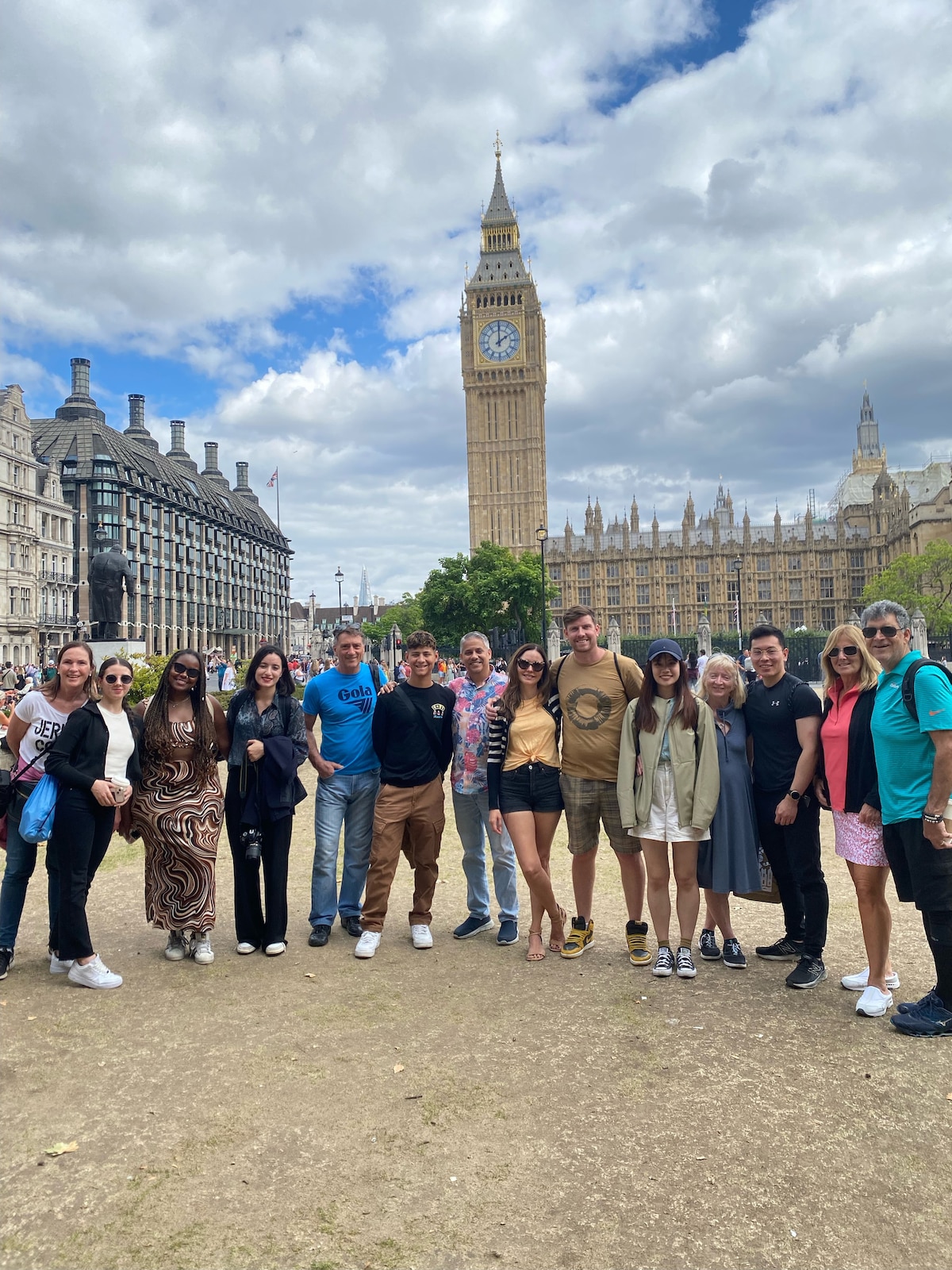
London sightseeing walking tour with 30 sights
Mon, Feb 16 • 10:00 AM
Greater London, SW1E 5EA, United Kingdom
View details
Nearby attractions of Guards Crimean War Memorial
His Majesty's Theatre
Trafalgar Square
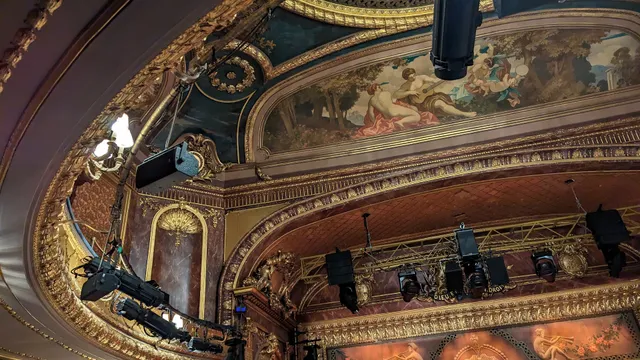
Theatre Royal Haymarket
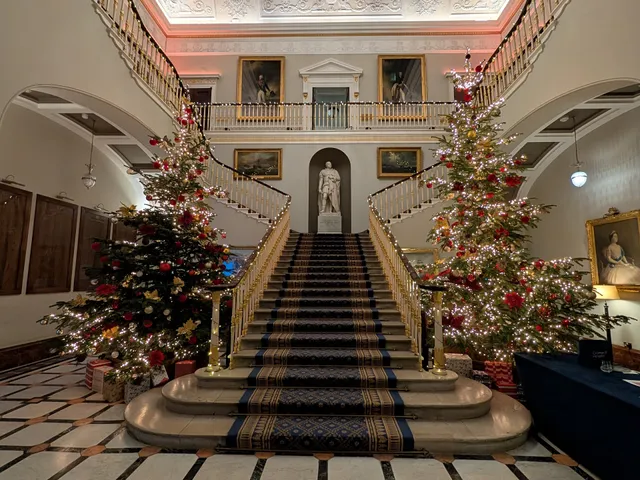
116 Pall Mall - Institute of Directors
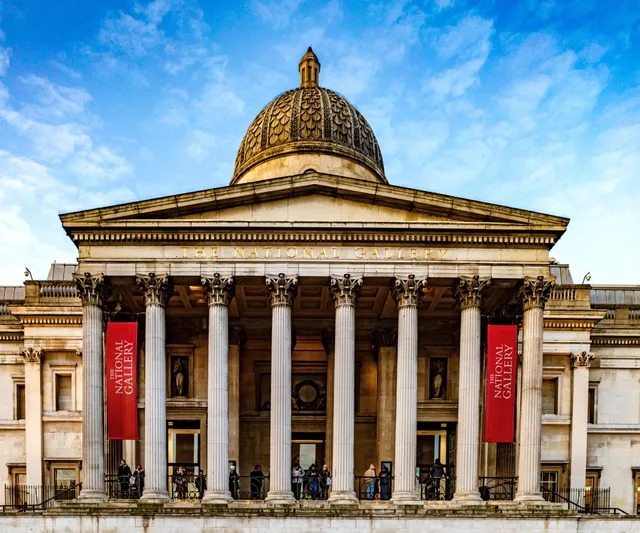
The National Gallery
The Harold Pinter Theatre
Leicester Square
Prince of Wales Theatre
Duke of York Column
The Criterion Theatre
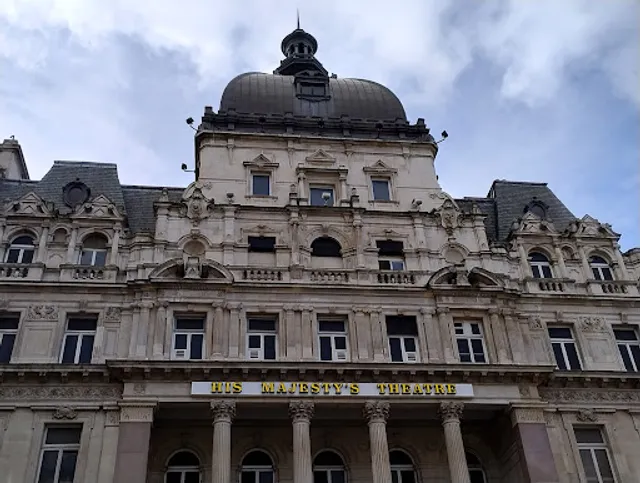
His Majesty's Theatre
4.7
(6.1K)
Open 24 hours
Click for details
Trafalgar Square
4.6
(41.9K)
Open 24 hours
Click for details
Theatre Royal Haymarket
4.6
(2.6K)
Open 24 hours
Click for details
116 Pall Mall - Institute of Directors
4.5
(536)
Open until 12:00 AM
Click for details
Nearby restaurants of Guards Crimean War Memorial
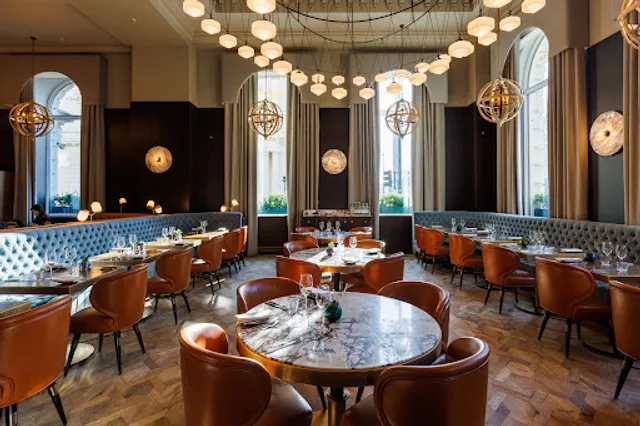
Wild Honey St James
Shoryu Ramen Regent Street
Imperial Treasure Fine Chinese Cuisine
estiatorio Milos
San Carlo - London
Fallow
Farzi London
Claro London
Scully
YORI Piccadilly Circus Korean BBQ
Wild Honey St James
4.4
(541)
$$$$
Open until 12:00 AM
Click for details
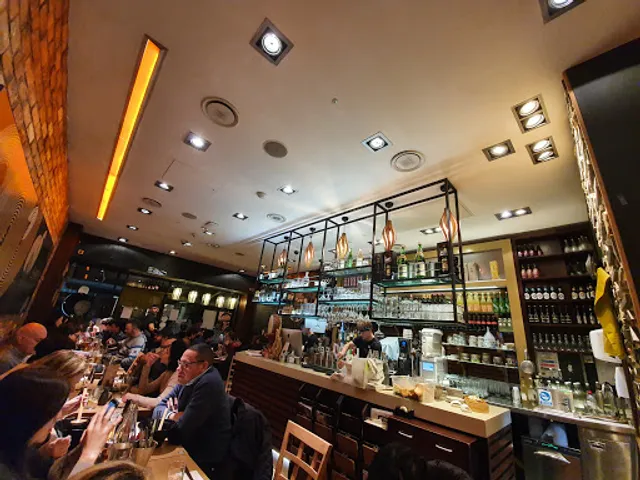
Shoryu Ramen Regent Street
4.4
(1.4K)
Open until 11:00 PM
Click for details
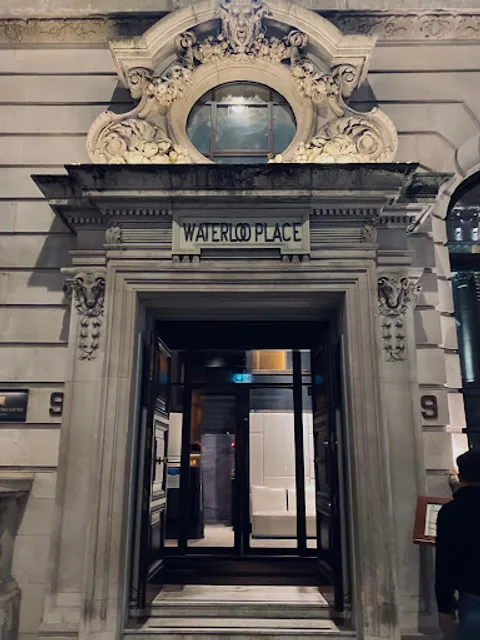
Imperial Treasure Fine Chinese Cuisine
4.3
(494)
Closed
Click for details
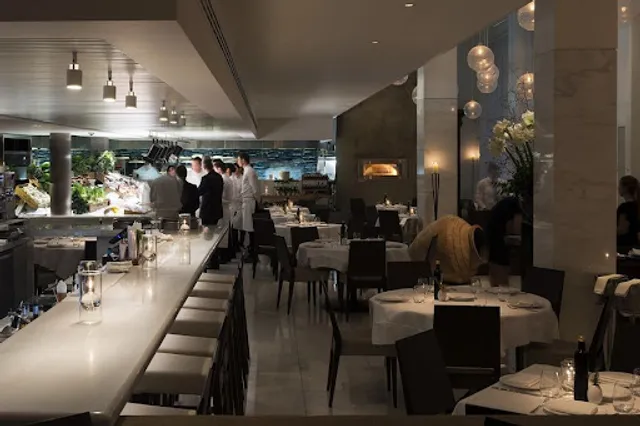
estiatorio Milos
4.4
(810)
Open until 12:00 AM
Click for details
Nearby local services of Guards Crimean War Memorial
Farlows
M&M'S London
St James's Square
Waterstones
Vue Cinema London - Piccadilly
Dover Street Market
The LEGO® Store Leicester Square
Spa
PureGym London Piccadilly
Mountain Warehouse London Regent Street New

Farlows
4.5
(179)
Click for details
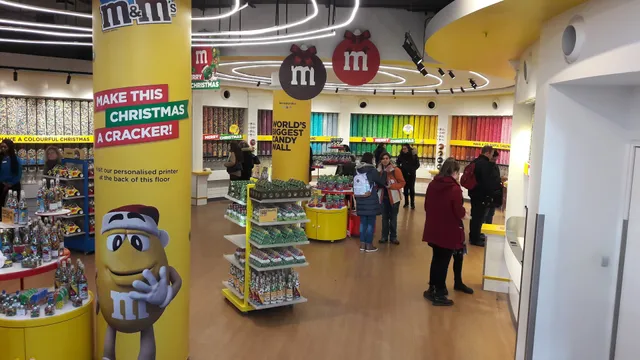
M&M'S London
4.3
(19.4K)
Click for details
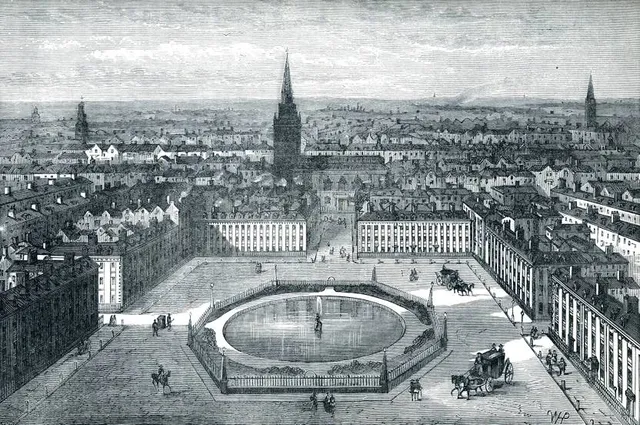
St James's Square
4.5
(706)
Click for details

Waterstones
4.7
(5.1K)
Click for details


The hit list


Plan your trip with Wanderboat
Welcome to Wanderboat AI, your AI search for local Eats and Fun, designed to help you explore your city and the world with ease.
Powered by Wanderboat AI trip planner.