Tyne Bridge things to do, attractions, restaurants, events info and trip planning
Basic Info
Tyne Bridge
A167, Gateshead, Newcastle upon Tyne NE8 2BE, United Kingdom
4.7(1.2K)
Open until 12:00 AM
Save
spot
spot
Ratings & Description
Info
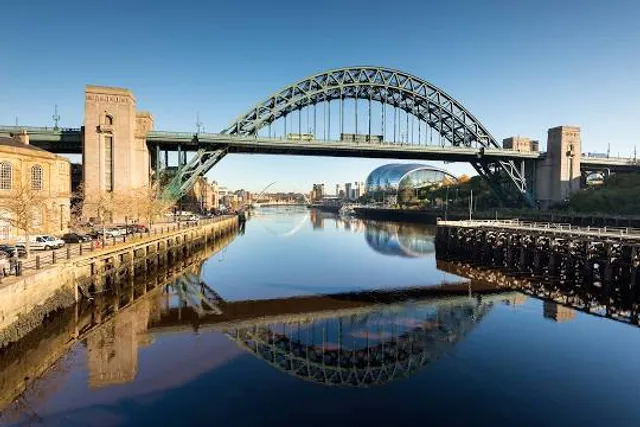
The Tyne Bridge is a through arch bridge over the River Tyne in North East England, linking Newcastle upon Tyne and Gateshead. The bridge was designed by the engineering firm Mott, Hay and Anderson, who later designed the Forth Road Bridge, and was built by Dorman Long and Co. of Middlesbrough.
Cultural
Outdoor
Accessibility
attractions: Newcastle City Marina, Newcastle Castle, St. Mary's Heritage Centre, Historic England North East & Yorkshire, Newcastle Cathedral, Gateshead Millennium Bridge, Souvenirs upon Tyne, Cjs Studio, Baltic Centre for Contemporary Art, Theatre Royal, restaurants: Slug & Lettuce - Quayside Newcastle, Redhouse, Sambuca Quayside Newcastle, Uno's Trattoria, Aveika, The Bridge Tavern, Khai Khai (খাই খাই) Indian Restaurant Newcastle Upon Tyne, The Quayside - JD Wetherspoon, Quay Ingredient, Akenside Traders, local businesses: Foley's Bridge, Quayside Sunday Market - Street Food Trucks, 5th Avenue Flowers, LD Mountain Centre, UpSide Down Presents, Tesco Express, The high level bridge, Tesco Extra, Crisis Skylight Newcastle, Clavering House
 Learn more insights from Wanderboat AI.
Website
tynebridge.org
Open hoursSee all hours
ThuOpen 24 hoursOpen
Plan your stay

Pet-friendly Hotels in Newcastle upon Tyne
Find a cozy hotel nearby and make it a full experience.

Affordable Hotels in Newcastle upon Tyne
Find a cozy hotel nearby and make it a full experience.

The Coolest Hotels You Haven't Heard Of (Yet)
Find a cozy hotel nearby and make it a full experience.

Trending Stays Worth the Hype in Newcastle upon Tyne
Find a cozy hotel nearby and make it a full experience.
Reviews
Live events
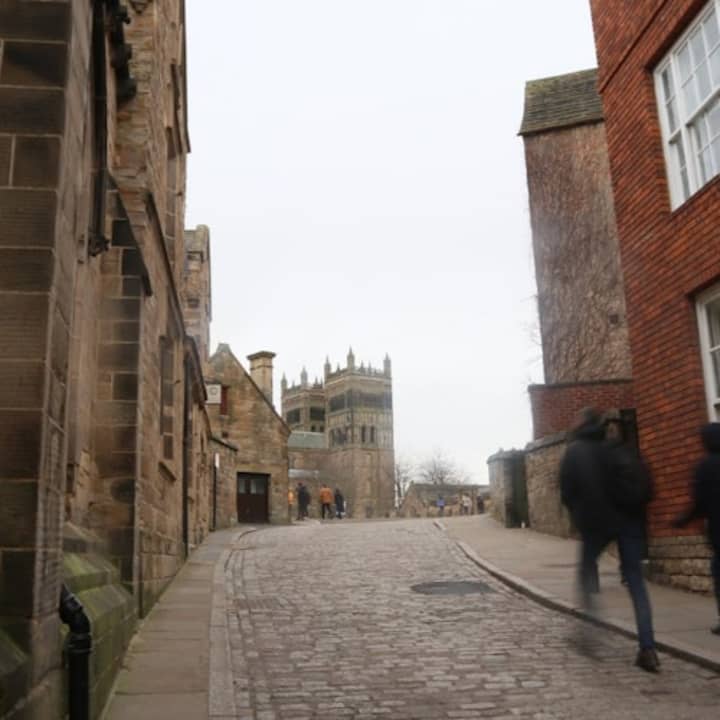
Private Myths & Legends of Durham Walking Tour
Thu, Feb 26 • 10:00 AM
The Black Gate, Castle Garth, Newcastle upon Tyne, NE1 1RQ
View details

Newcastle upon Tyne Murder Mystery: Solve the case!
Sun, Mar 1 • 12:00 AM
Newcastle upon Tyne, NE1 1RF
View details
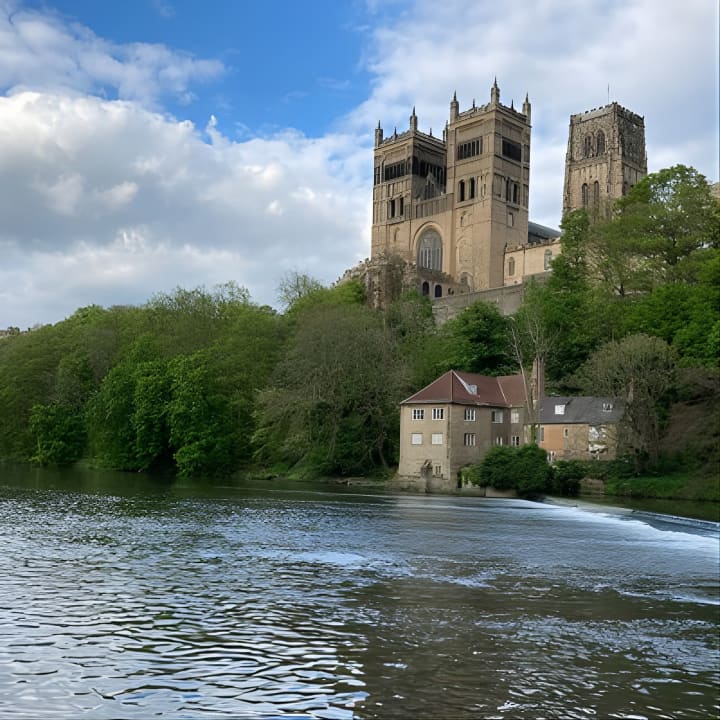
Durham’s Landmarks and Legends: A Self-Guided Audio Tour
Thu, Feb 26 • 12:00 AM
Durham, DH1
View details
Nearby attractions of Tyne Bridge
Newcastle City Marina
Newcastle Castle
St. Mary's Heritage Centre
Historic England North East & Yorkshire
Newcastle Cathedral
Gateshead Millennium Bridge
Souvenirs upon Tyne
Cjs Studio
Baltic Centre for Contemporary Art
Theatre Royal

Newcastle City Marina
4.5
(46)
Closed
Click for details
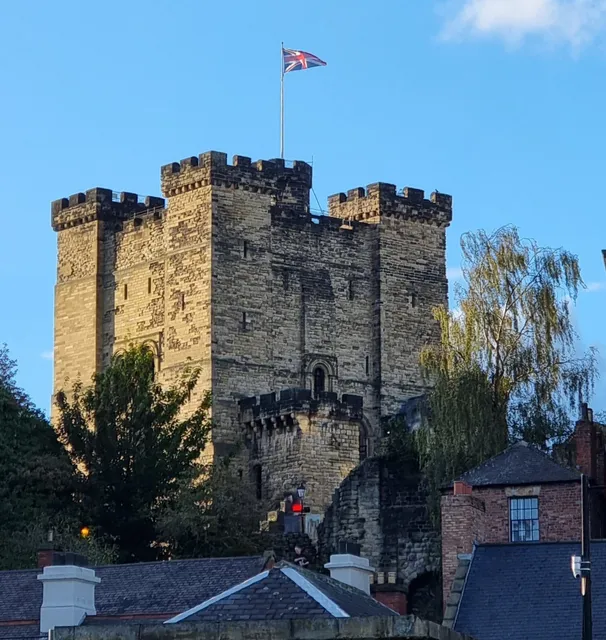
Newcastle Castle
4.5
(1.4K)
Open until 12:00 AM
Click for details

St. Mary's Heritage Centre
4.6
(71)
Open until 12:00 AM
Click for details
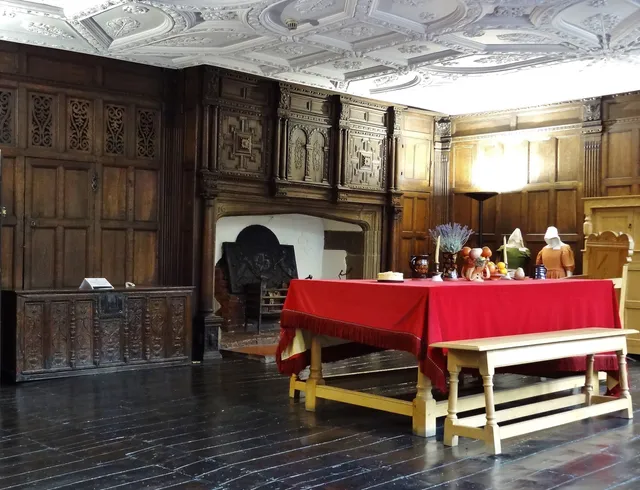
Historic England North East & Yorkshire
4.5
(62)
Open 24 hours
Click for details
Nearby restaurants of Tyne Bridge
Slug & Lettuce - Quayside Newcastle
Redhouse
Sambuca Quayside Newcastle
Uno's Trattoria
Aveika
The Bridge Tavern
Khai Khai (খাই খাই) Indian Restaurant Newcastle Upon Tyne
The Quayside - JD Wetherspoon
Quay Ingredient
Akenside Traders
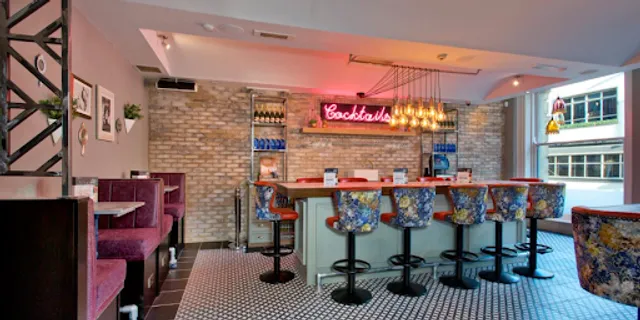
Slug & Lettuce - Quayside Newcastle
4.2
(1.3K)
$$$
Closed
Click for details
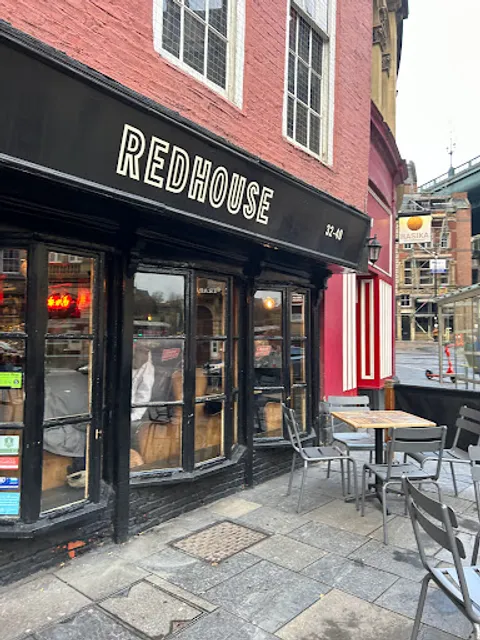
Redhouse
4.5
(928)
$
Closed
Click for details
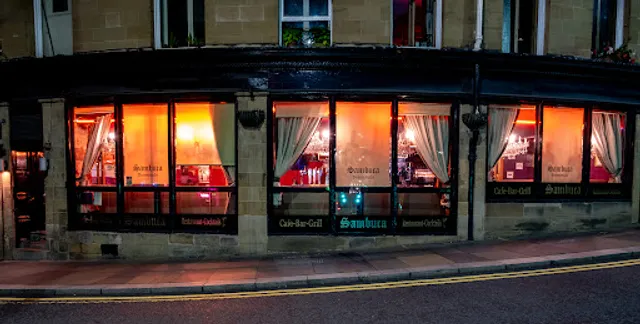
Sambuca Quayside Newcastle
4.4
(781)
$
Closed
Click for details
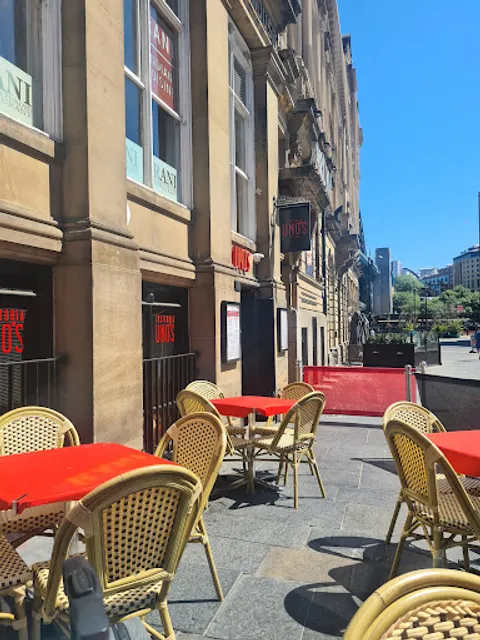
Uno's Trattoria
4.6
(848)
$$
Closed
Click for details
Nearby local services of Tyne Bridge
Foley's Bridge
Quayside Sunday Market - Street Food Trucks
5th Avenue Flowers
LD Mountain Centre
UpSide Down Presents
Tesco Express
The high level bridge
Tesco Extra
Crisis Skylight Newcastle
Clavering House
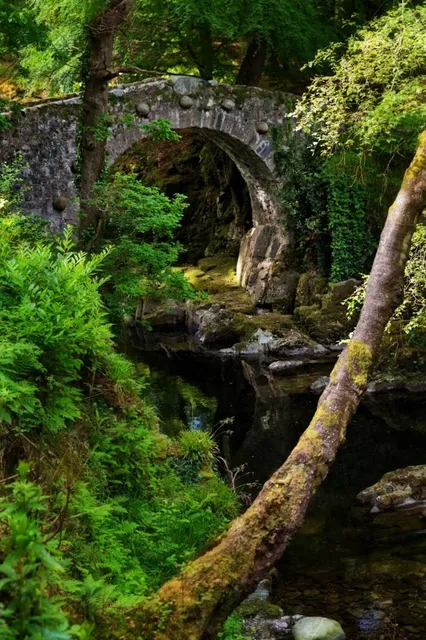
Foley's Bridge
4.9
(34)
Click for details

Quayside Sunday Market - Street Food Trucks
4.8
(44)
Click for details

5th Avenue Flowers
4.2
(41)
Click for details
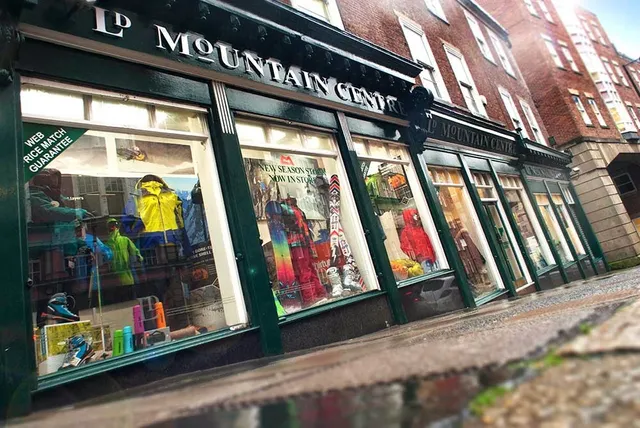
LD Mountain Centre
3.7
(307)
Click for details





