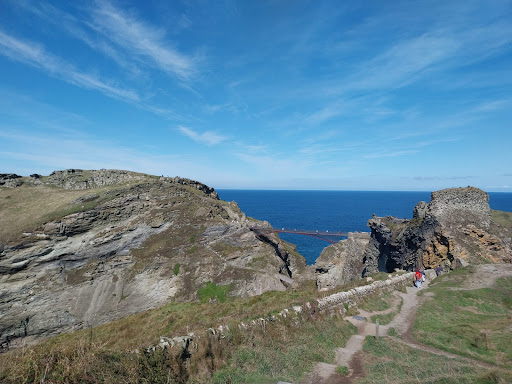
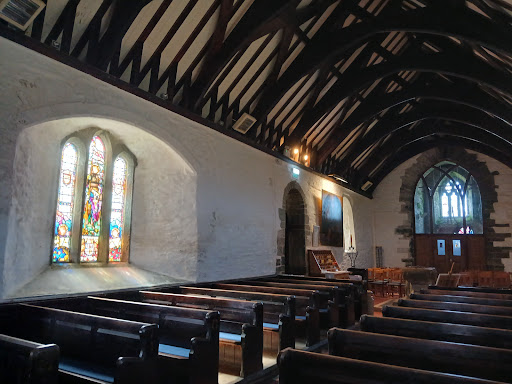
St Materiana's Church, Tintagel things to do, attractions, restaurants, events info and trip planning
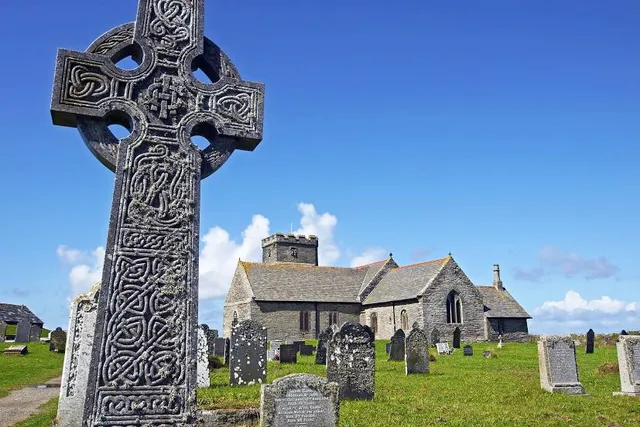
Basic Info
St Materiana's Church, Tintagel
Tintagel PL34 0DJ, United Kingdom
4.7(254)
Open 24 hours
Save
spot
spot
Ratings & Description
Info
The Parish Church of Saint Materiana at Tintagel is a Church of England parish church in the Church of England Diocese of Truro in Cornwall, England, UK. It stands on the cliffs between Trevena and Tintagel Castle and is listed Grade I.
Cultural
Scenic
Relaxation
Accessibility
attractions: Tintagel Castle, National Trust - Tintagel Old Post Office, Tintagel Toy Museum, Merlin's Cave, Gallos Statue, Tintagel, Tintagel Haven, Tintagel Visitor Centre and Community Hub, Tintagel Bridge View, North Shore Gallery, restaurants: King Arthur's Cafe, Ye Olde Malthouse Inn, Pengenna Pasties Traditional Pasty Shops, The Cornish Bakery, Crossbow cafe & grill, The Olive Garden, Charlie's, Tintagel Castle The Beach Cafe, The Artisan Sandwich Box, King Arthur's Arms, local businesses: Tintagel Castle Bridge, Spriggans Hollow, Dehen Rew - Treleavens Ice Cream -, Tintagel Artisan Confections, Willow Moon, The Hardware Shop
 Learn more insights from Wanderboat AI.
Phone
+44 1840 250359
Website
achurchnearyou.com
Plan your stay

Pet-friendly Hotels in Tintagel
Find a cozy hotel nearby and make it a full experience.

Affordable Hotels in Tintagel
Find a cozy hotel nearby and make it a full experience.

The Coolest Hotels You Haven't Heard Of (Yet)
Find a cozy hotel nearby and make it a full experience.

Trending Stays Worth the Hype in Tintagel
Find a cozy hotel nearby and make it a full experience.
Reviews
Nearby attractions of St Materiana's Church, Tintagel
Tintagel Castle
National Trust - Tintagel Old Post Office
Tintagel Toy Museum
Merlin's Cave
Gallos Statue
Tintagel
Tintagel Haven
Tintagel Visitor Centre and Community Hub
Tintagel Bridge View
North Shore Gallery
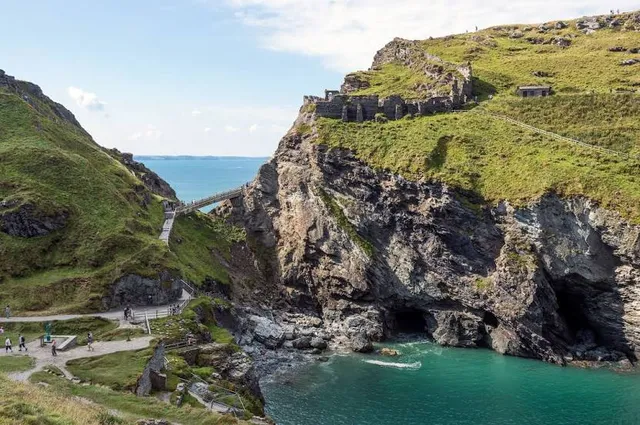
Tintagel Castle
4.6
(7.4K)
Open until 12:00 AM
Click for details
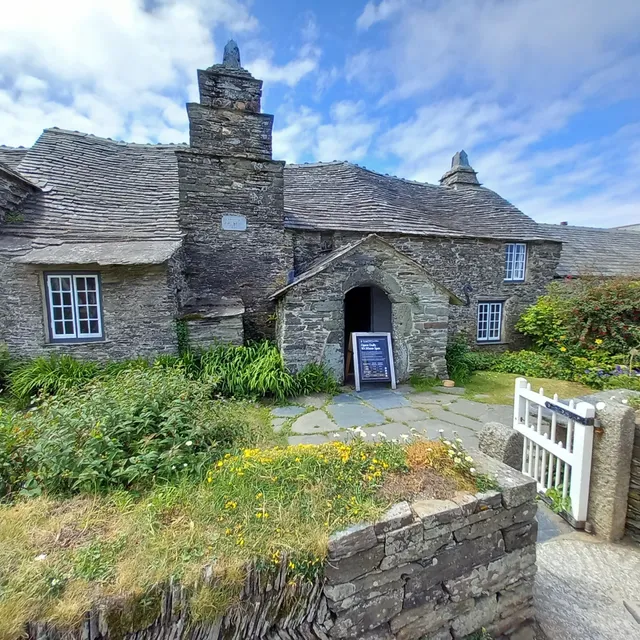
National Trust - Tintagel Old Post Office
4.5
(752)
Open until 12:00 AM
Click for details
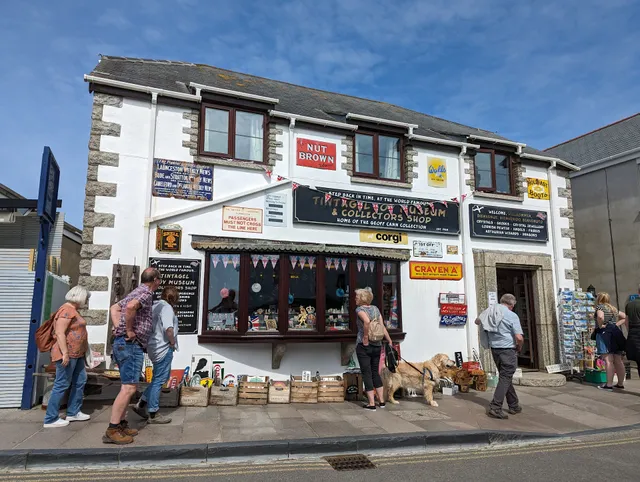
Tintagel Toy Museum
4.3
(119)
Open until 12:00 AM
Click for details
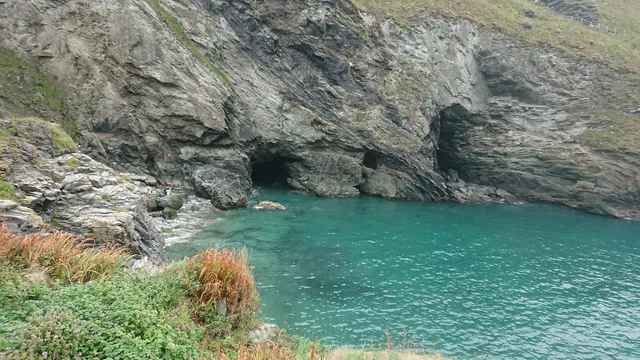
Merlin's Cave
4.7
(345)
Open until 12:00 AM
Click for details
Nearby restaurants of St Materiana's Church, Tintagel
King Arthur's Cafe
Ye Olde Malthouse Inn
Pengenna Pasties Traditional Pasty Shops
The Cornish Bakery
Crossbow cafe & grill
The Olive Garden
Charlie's
Tintagel Castle The Beach Cafe
The Artisan Sandwich Box
King Arthur's Arms
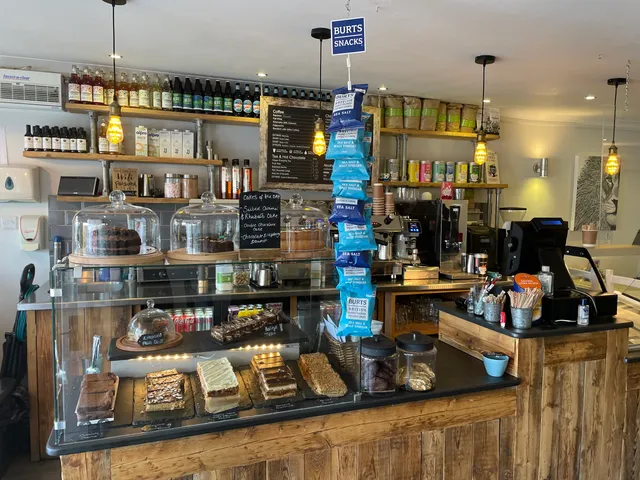
King Arthur's Cafe
4.7
(462)
$$
Open until 5:00 PM
Click for details
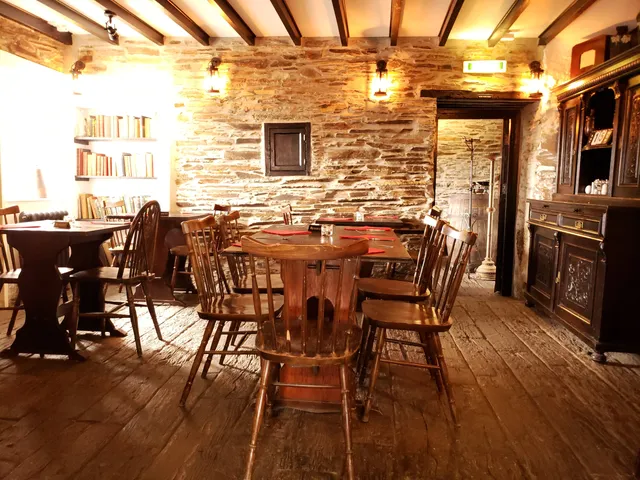
Ye Olde Malthouse Inn
4.6
(588)
Click for details
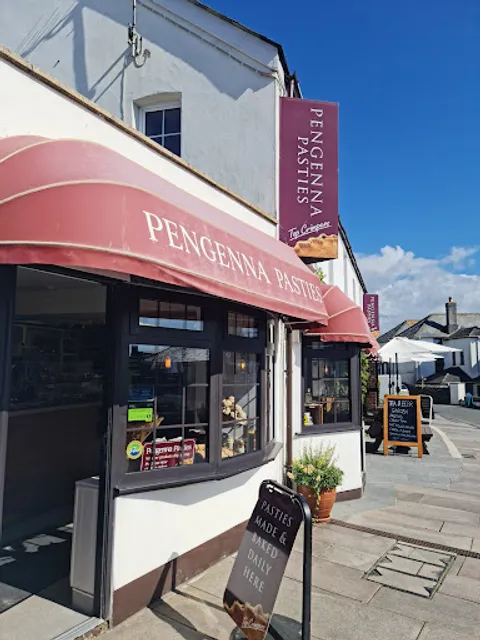
Pengenna Pasties Traditional Pasty Shops
4.1
(413)
Open until 5:00 PM
Click for details
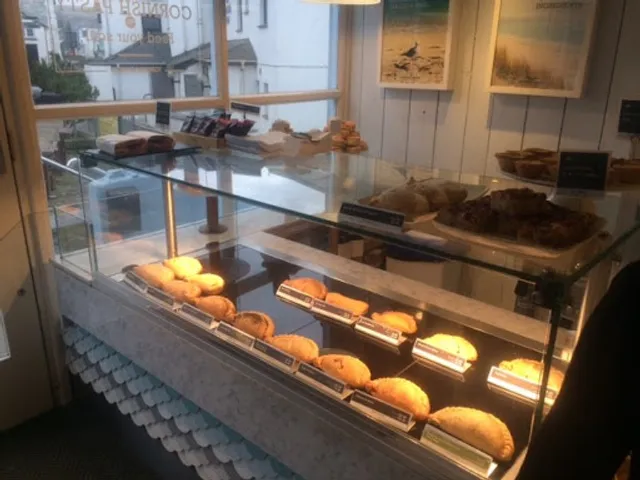
The Cornish Bakery
4.5
(473)
Open until 5:00 PM
Click for details
Nearby local services of St Materiana's Church, Tintagel
Tintagel Castle Bridge
Spriggans Hollow
Dehen Rew - Treleavens Ice Cream -
Tintagel Artisan Confections
Willow Moon
The Hardware Shop
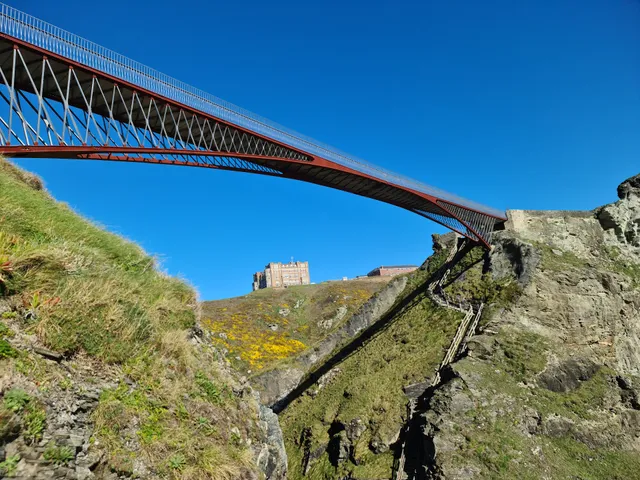
Tintagel Castle Bridge
4.5
(106)
Click for details

Spriggans Hollow
4.3
(20)
Click for details

Dehen Rew - Treleavens Ice Cream -
4.2
(47)
Click for details

Tintagel Artisan Confections
5.0
(52)
Click for details