Fort Verde State Historic Park things to do, attractions, restaurants, events info and trip planning
Basic Info
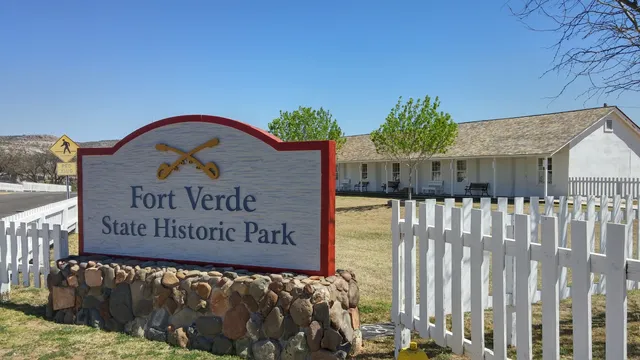
Fort Verde State Historic Park
125 E Hollamon St, Camp Verde, AZ 86322
4.5(435)
Closed

tickets
Save
spot
spot
Ratings & Description
Info
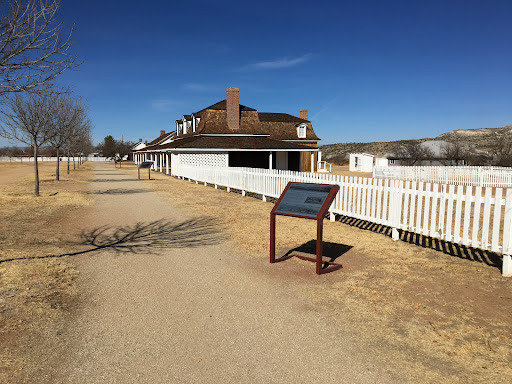
Fort Verde State Historic Park in the town of Camp Verde, Arizona is a small park that attempts to preserve parts of the Apache Wars-era fort as it appeared in the 1880s. The park was established in 1970 and was added to the National Register of Historic Places a year later.
Cultural
Scenic
Outdoor
Family friendly
Accessibility
attractions: Camp Verde Visitor Center, Camp Verde Historical Society, Camp Verde Parks & Recreation, Camp Verde Community Library, Rezzonico Family Park, Verde Valley Archaeology Center and Museum, restaurants: Moscato Italian Restaurant, Thanks A Latte Espresso Cafe, La Casita, Udderly Divine Cafe & Bakery, Wingfield Bread Company, Montezuma Burger Haus, Astoria International Bistro, Bullpen Grill and Watering Hole, Babe's Round Up, Beto's Corner, local businesses: Camp Verde Ace Hardware, Verde Valley Farmers Market, Verde Valley Resale Shop, Cowboy Corner, SMOKE EXPRESS, classic picture framing, Twice Nice Thriftique, Camp Verde Feeds, Silver Jewel Studios LLC, Verde Valley Electronics
 Learn more insights from Wanderboat AI.
Phone
(928) 567-3275
Website
azstateparks.com
Open hoursSee all hours
Mon9 AM - 4:30 PMClosed
Plan your stay

Pet-friendly Hotels in Camp Verde
Find a cozy hotel nearby and make it a full experience.

Affordable Hotels in Camp Verde
Find a cozy hotel nearby and make it a full experience.

The Coolest Hotels You Haven't Heard Of (Yet)
Find a cozy hotel nearby and make it a full experience.

Trending Stays Worth the Hype in Camp Verde
Find a cozy hotel nearby and make it a full experience.
Reviews
Live events

Cuddles and animal therapy at a petting farm
Mon, Feb 23 • 8:30 AM
Cornville, Arizona, 86325
View details

Receive an Intuitive Reading and Energy Healing
Mon, Feb 23 • 9:30 AM
Sedona, Arizona, 86351, United States
View details
Receive an Intuitive Reading and Energy Healing
Tue, Feb 24 • 9:30 AM
Sedona, Arizona, 86351
View details
Nearby attractions of Fort Verde State Historic Park
Camp Verde Visitor Center
Camp Verde Historical Society
Camp Verde Parks & Recreation
Camp Verde Community Library
Rezzonico Family Park
Verde Valley Archaeology Center and Museum
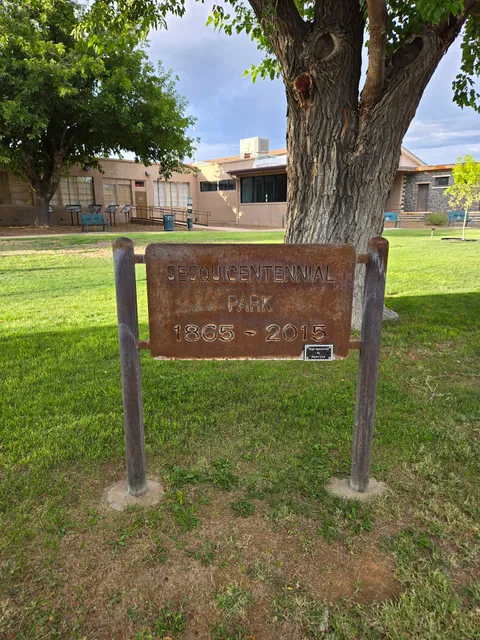
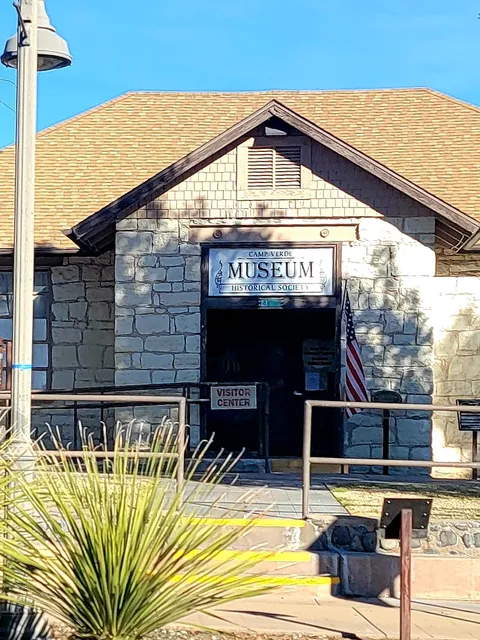
Camp Verde Visitor Center
4.6
(28)
Closed
Click for details
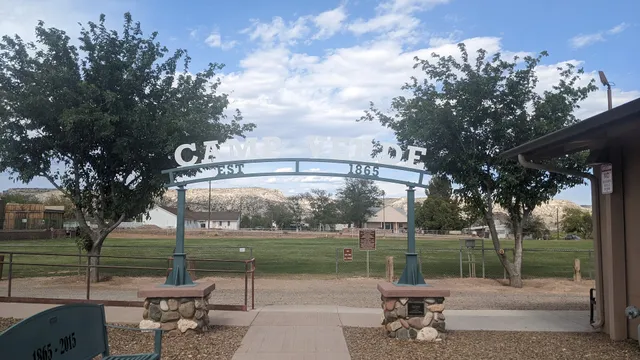
Camp Verde Historical Society
4.3
(10)
Open 24 hours
Click for details
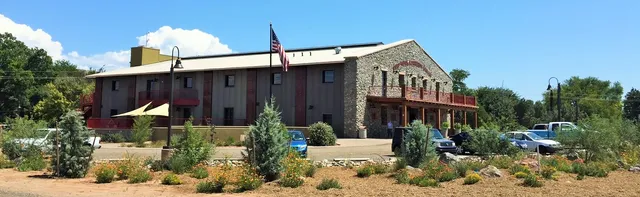
Camp Verde Parks & Recreation
3.7
(12)
Open until 12:00 AM
Click for details
Camp Verde Community Library
4.8
(57)
Open until 12:00 AM
Click for details
Nearby restaurants of Fort Verde State Historic Park
Moscato Italian Restaurant
Thanks A Latte Espresso Cafe
La Casita
Udderly Divine Cafe & Bakery
Wingfield Bread Company
Montezuma Burger Haus
Astoria International Bistro
Bullpen Grill and Watering Hole
Babe's Round Up
Beto's Corner
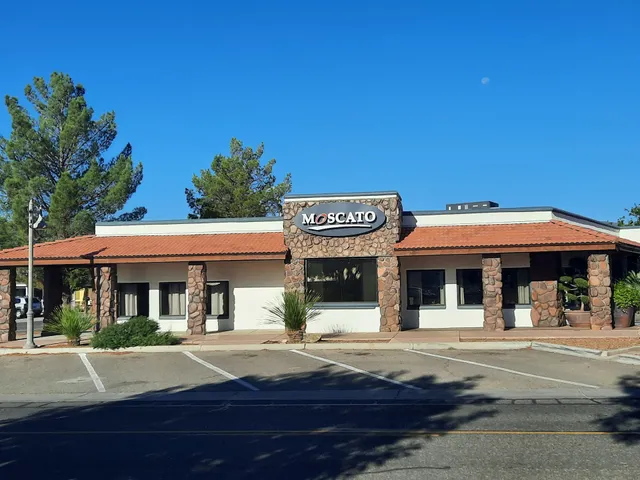
Moscato Italian Restaurant
4.5
(711)
$$
Open until 12:00 AM
Click for details
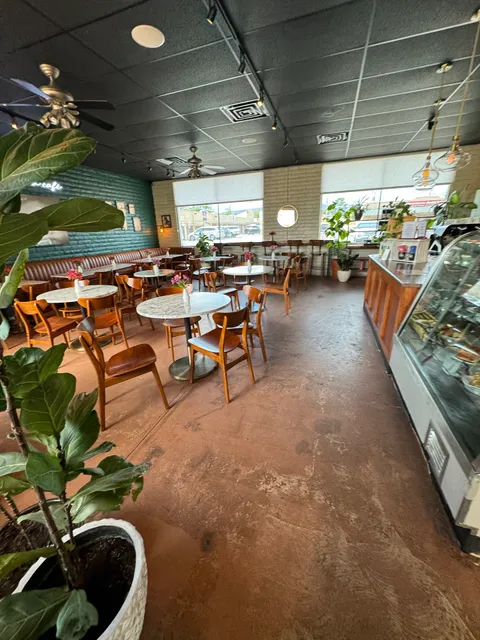
Thanks A Latte Espresso Cafe
4.7
(425)
$
Open until 12:00 AM
Click for details
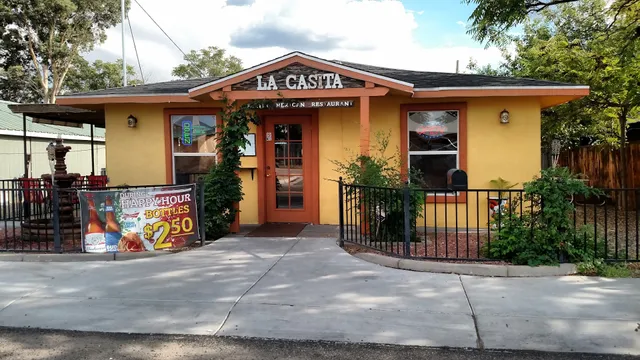
La Casita
4.5
(852)
$
Closed
Click for details
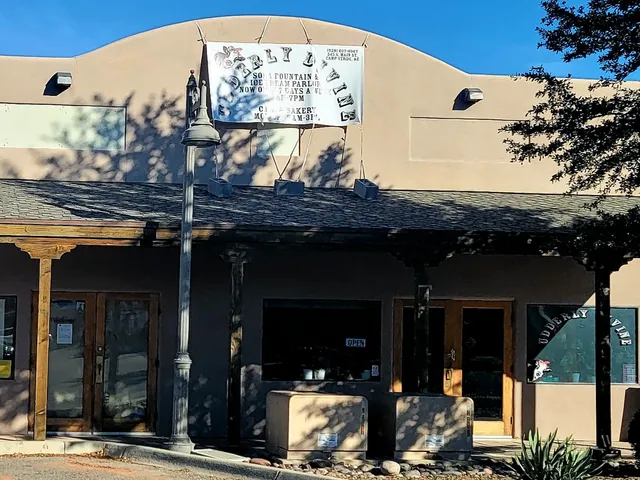
Udderly Divine Cafe & Bakery
4.6
(279)
$
Open until 12:00 AM
Click for details
Nearby local services of Fort Verde State Historic Park
Camp Verde Ace Hardware
Verde Valley Farmers Market
Verde Valley Resale Shop
Cowboy Corner
SMOKE EXPRESS
classic picture framing
Twice Nice Thriftique
Camp Verde Feeds
Silver Jewel Studios LLC
Verde Valley Electronics
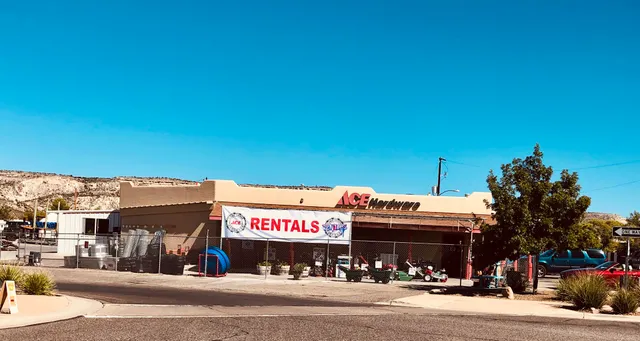
Camp Verde Ace Hardware
4.6
(320)
Click for details
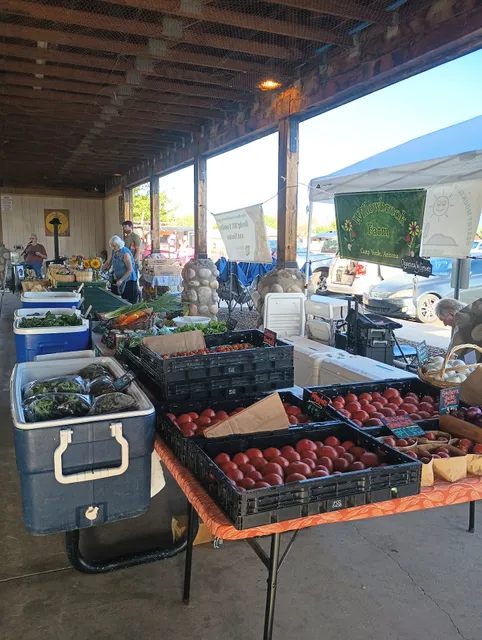
Verde Valley Farmers Market
4.3
(14)
Click for details
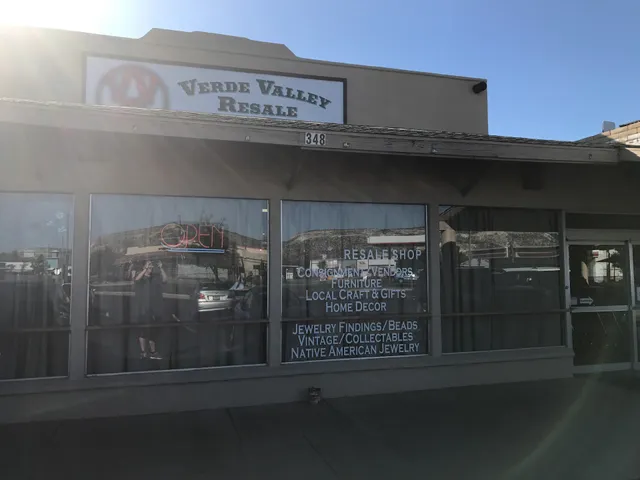
Verde Valley Resale Shop
4.5
(115)
Click for details

Cowboy Corner
4.6
(73)
Click for details