Elsinore Arch things to do, attractions, restaurants, events info and trip planning

Basic Info
Elsinore Arch
1700 Gilbert Ave, Cincinnati, OH 45202
4.6(54)
Open 24 hours
Save
spot
spot
Ratings & Description
Info
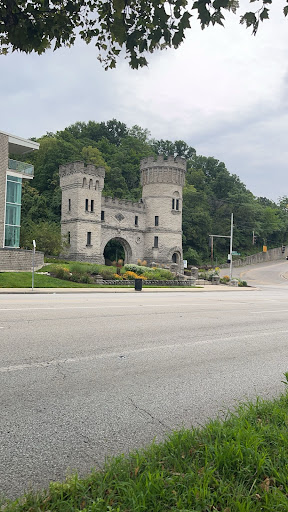
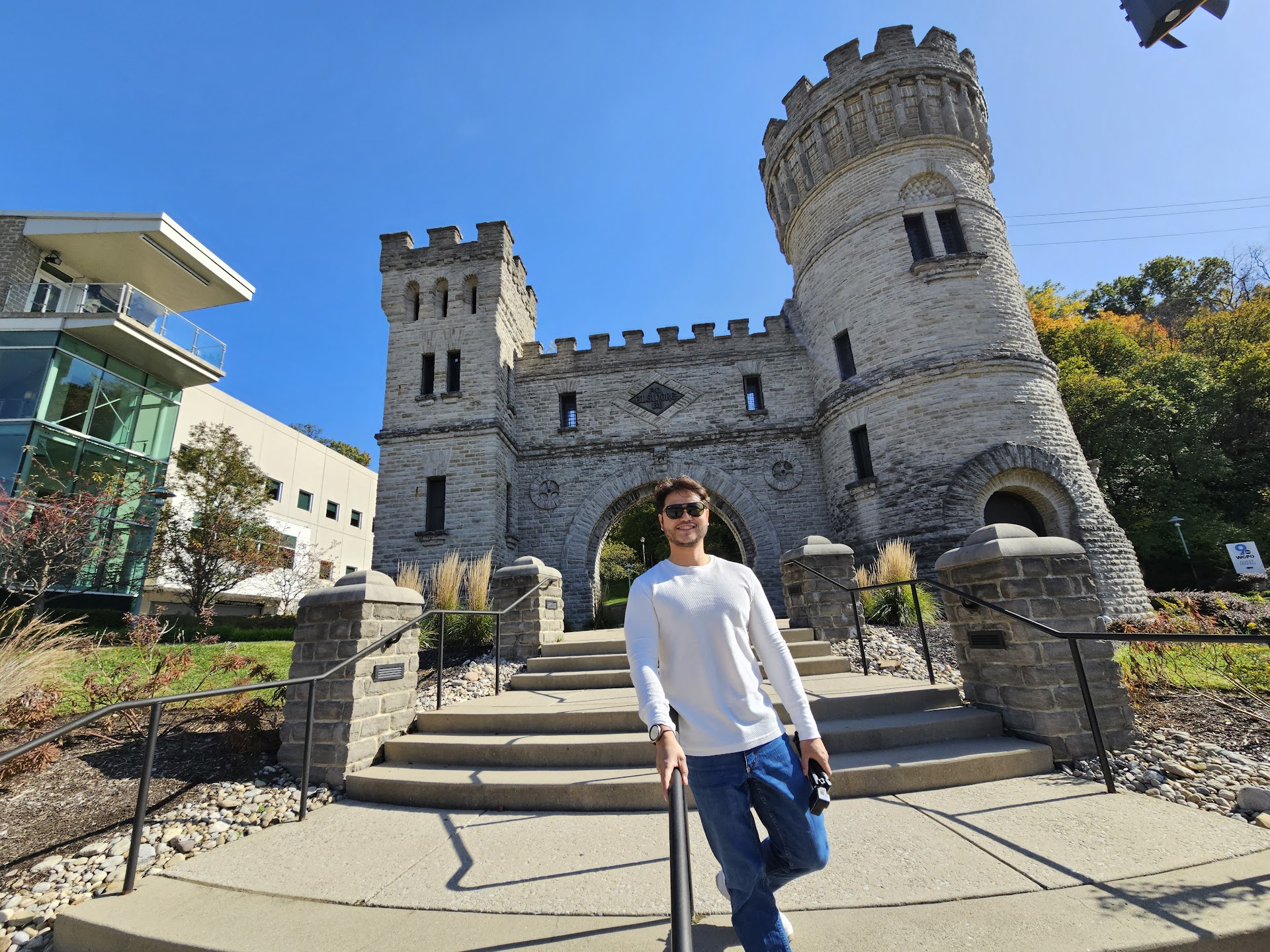
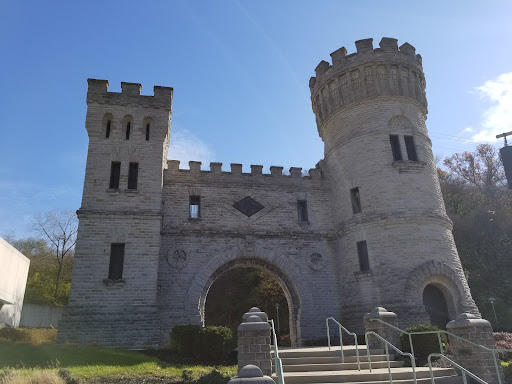
Elsinore Arch is a registered historic structure in Cincinnati, Ohio, listed in the National Register on March 3, 1980. The building, at Gilbert Avenue and Elsinore Place, was constructed in 1883 for the Cincinnati Water Works. It's said to be inspired by the Elsinore Castle featured in Hamlet.
Cultural
Scenic
attractions: Cincinnati Art Museum, Cincinnati Playhouse in the Park, Eden Park, Art Climb Steps at CAM, Krohn Conservatory, Pendleton Art Center, Spring House Gazebo, Pendleton First Floor Studios, Holy Cross - Immaculata Parish, Andrea Eisert Abstract Art Gallery, restaurants: Terrace Cafe at CAM, du jours, Mt. Adams Bar & Grill, The Blind Lemon, Luca Bistro, World Glass Bar, The Bow Tie Cafe, El Barril, Crowley's Highland House Cafe, THE HILLTOP, local businesses: High St., Cincinnati Ballet, Staples, 1111 St Gregory St, Staples Print & Marketing Services, Mirror Lake, Hard Rock Casino Cincinnati, Queen City Salon and Spa, Bell Event Centre, Cincinnati Art Club
 Learn more insights from Wanderboat AI.
Website
walnuthillsstories.org
Plan your stay

Pet-friendly Hotels in Cincinnati
Find a cozy hotel nearby and make it a full experience.

Affordable Hotels in Cincinnati
Find a cozy hotel nearby and make it a full experience.

The Coolest Hotels You Haven't Heard Of (Yet)
Find a cozy hotel nearby and make it a full experience.

Trending Stays Worth the Hype in Cincinnati
Find a cozy hotel nearby and make it a full experience.
Reviews
Live events
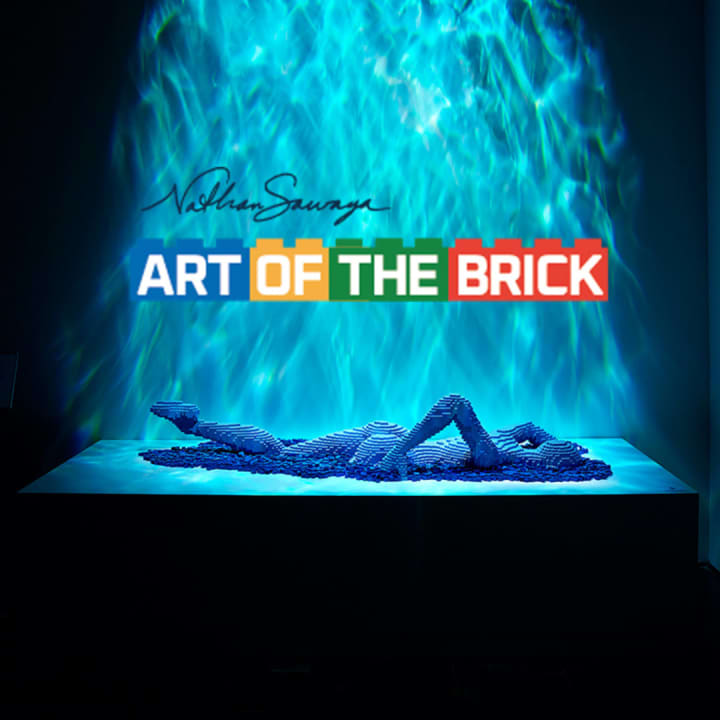
Art of the Brick: An Exhibition of LEGO® Art
Thu, Feb 12 • 9:30 AM
18 West 4th Street, Cincinnati, 45202
View details

Galentines
Thu, Feb 12 • 4:00 PM
7730 U.S. 42 Florence, KY 41042
View details

WGRR Cupids Disco Ball
Fri, Feb 13 • 7:00 PM
5975 Boymel Drive Fairfield, OH 45014
View details
Nearby attractions of Elsinore Arch
Cincinnati Art Museum
Cincinnati Playhouse in the Park
Eden Park
Art Climb Steps at CAM
Krohn Conservatory
Pendleton Art Center
Spring House Gazebo
Pendleton First Floor Studios
Holy Cross - Immaculata Parish
Andrea Eisert Abstract Art Gallery
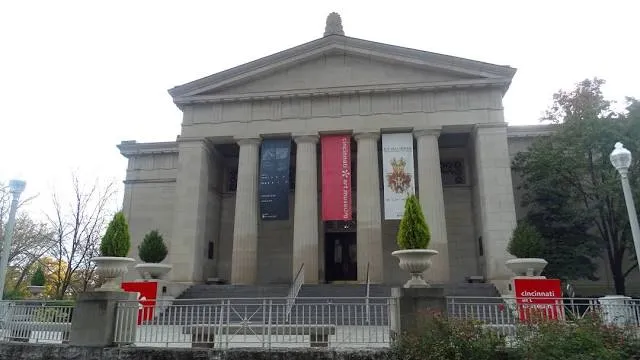
Cincinnati Art Museum
4.8
(3K)
Closed
Click for details
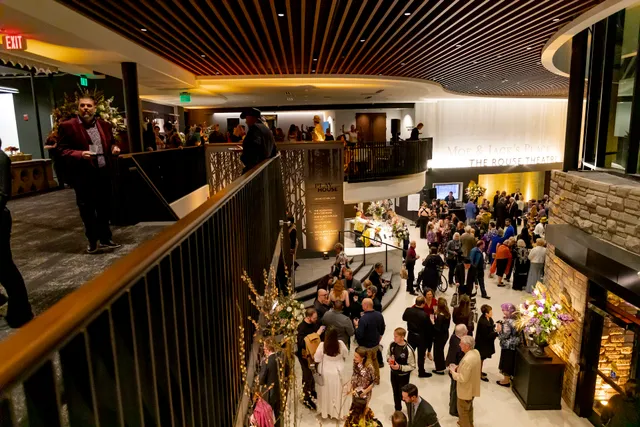
Cincinnati Playhouse in the Park
4.7
(667)
Open 24 hours
Click for details
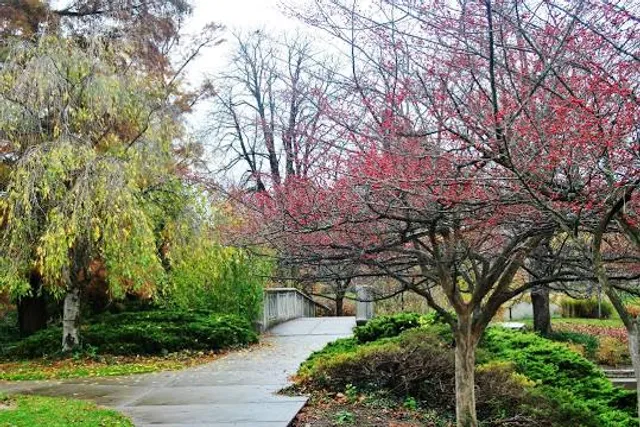
Eden Park
4.7
(2.1K)
Closed
Click for details
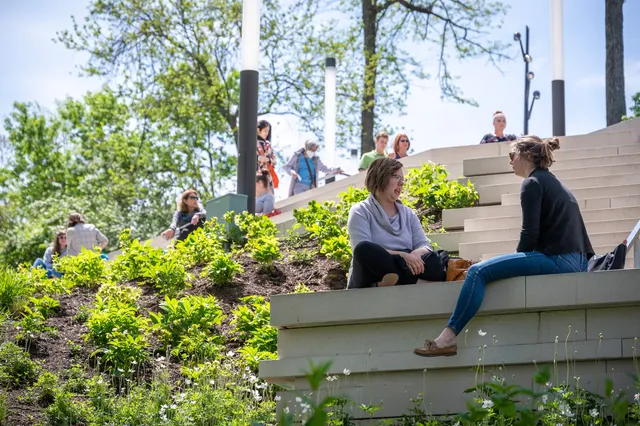
Art Climb Steps at CAM
4.8
(59)
Open until 12:00 AM
Click for details
Nearby restaurants of Elsinore Arch
Terrace Cafe at CAM
du jours
Mt. Adams Bar & Grill
The Blind Lemon
Luca Bistro
World Glass Bar
The Bow Tie Cafe
El Barril
Crowley's Highland House Cafe
THE HILLTOP
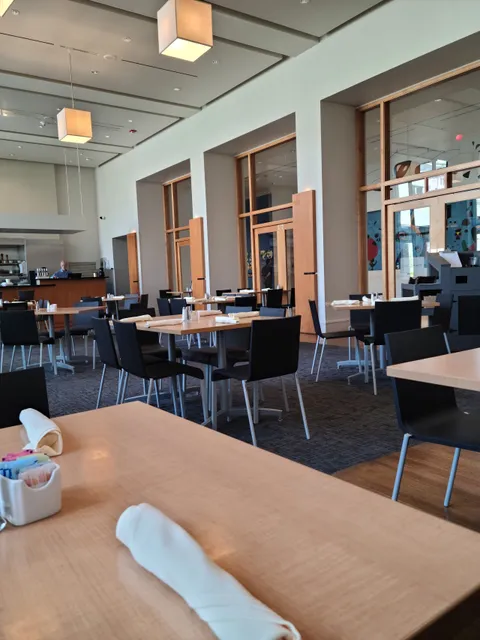
Terrace Cafe at CAM
4.5
(71)
$
Closed
Click for details

du jours
4.9
(33)
$
Closed
Click for details
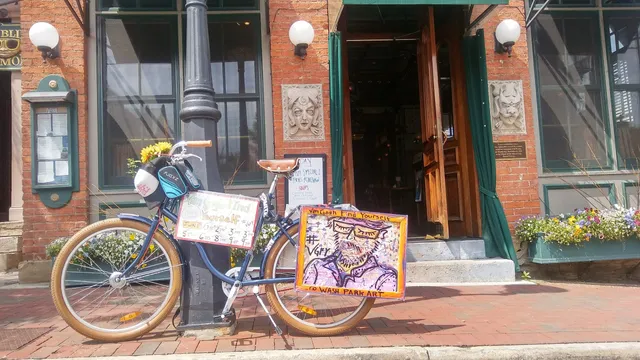
Mt. Adams Bar & Grill
4.5
(529)
$
Closed
Click for details
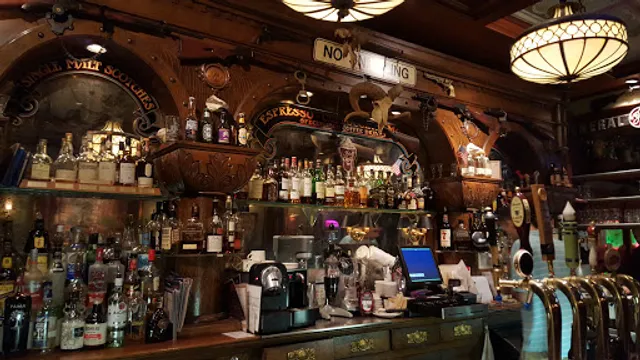
The Blind Lemon
4.7
(424)
$
Closed
Click for details
Nearby local services of Elsinore Arch
High St.
Cincinnati Ballet
Staples
1111 St Gregory St
Staples Print & Marketing Services
Mirror Lake
Hard Rock Casino Cincinnati
Queen City Salon and Spa
Bell Event Centre
Cincinnati Art Club
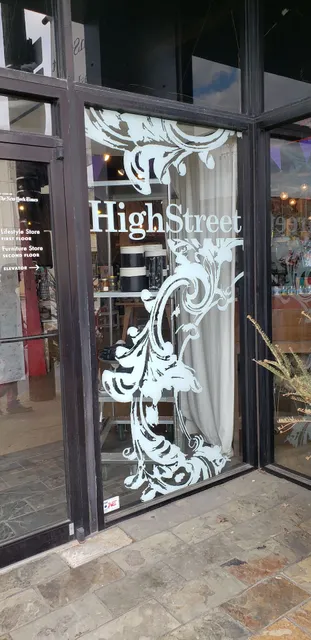
High St.
4.9
(176)
Click for details
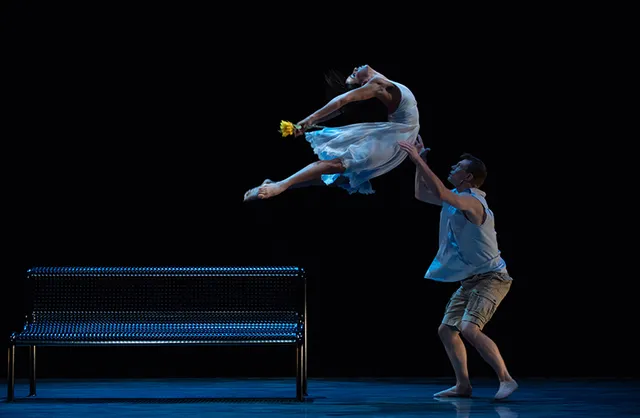
Cincinnati Ballet
4.6
(32)
Click for details

Staples
3.9
(95)
Click for details
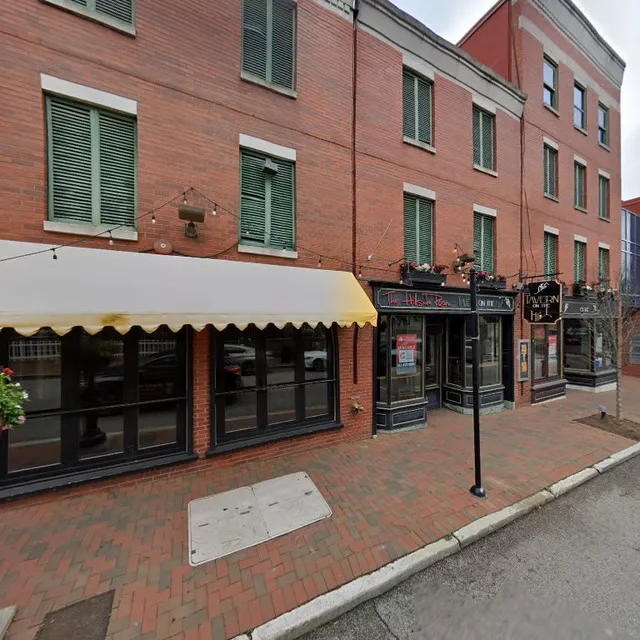
1111 St Gregory St
4.9
(343)
Click for details


The hit list


Plan your trip with Wanderboat
Welcome to Wanderboat AI, your AI search for local Eats and Fun, designed to help you explore your city and the world with ease.
Powered by Wanderboat AI trip planner.