National Memorial Cemetery of the Pacific things to do, attractions, restaurants, events info and trip planning
Basic Info
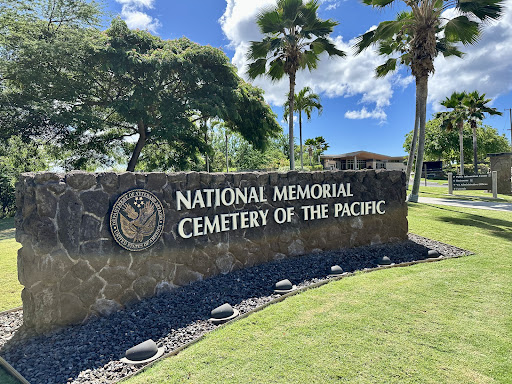
National Memorial Cemetery of the Pacific
2177 Pūowaina Dr, Honolulu, HI 96813, United States
4.7(344)
Closed
Save
spot
spot
Ratings & Description
Info
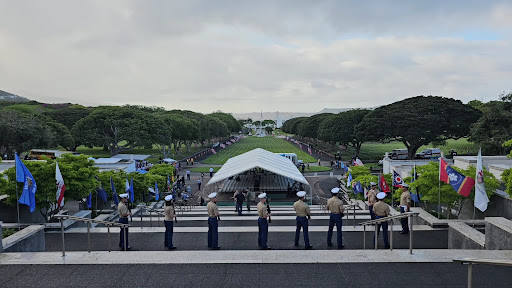
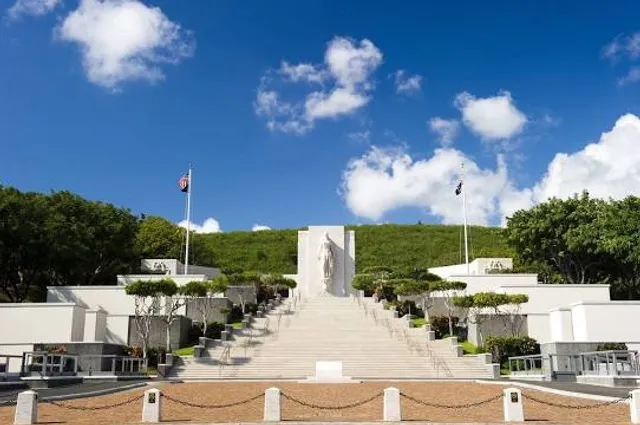
The National Memorial Cemetery of the Pacific is a national cemetery located at Punchbowl Crater in Honolulu, Hawaii. It serves as a memorial to honor those men and women who served in the United States Armed Forces, and those who have been killed in doing so.
Cultural
Scenic
Accessibility
attractions: Papakolea Community Park, Booth District Park, Dole Community Park, restaurants: Peppa's Korean BBQ, SushiMan, Pizza Hut, K D Cafe Hawaii, $5 Bento Box Makiki, L&L Hawaiian Barbecue, Subway, local businesses: Punchbowl Crater, Punchbowl Scenic Lookout, The Queen's Aloha Lūʻau, Makeup by Mua.sherba, Blessed Sacrament Church, Fantastic Sams Cut & Color, Yoshino Nail, Makiki Nails, Victoria Plaza, Danger Close Tactical
 Learn more insights from Wanderboat AI.
Phone
+1 808-532-3720
Website
cem.va.gov
Open hoursSee all hours
Mon8 a.m. - 6 p.m.Closed
Plan your stay

Pet-friendly Hotels in Honolulu
Find a cozy hotel nearby and make it a full experience.

Affordable Hotels in Honolulu
Find a cozy hotel nearby and make it a full experience.

The Coolest Hotels You Haven't Heard Of (Yet)
Find a cozy hotel nearby and make it a full experience.

Trending Stays Worth the Hype in Honolulu
Find a cozy hotel nearby and make it a full experience.
Reviews
Live events
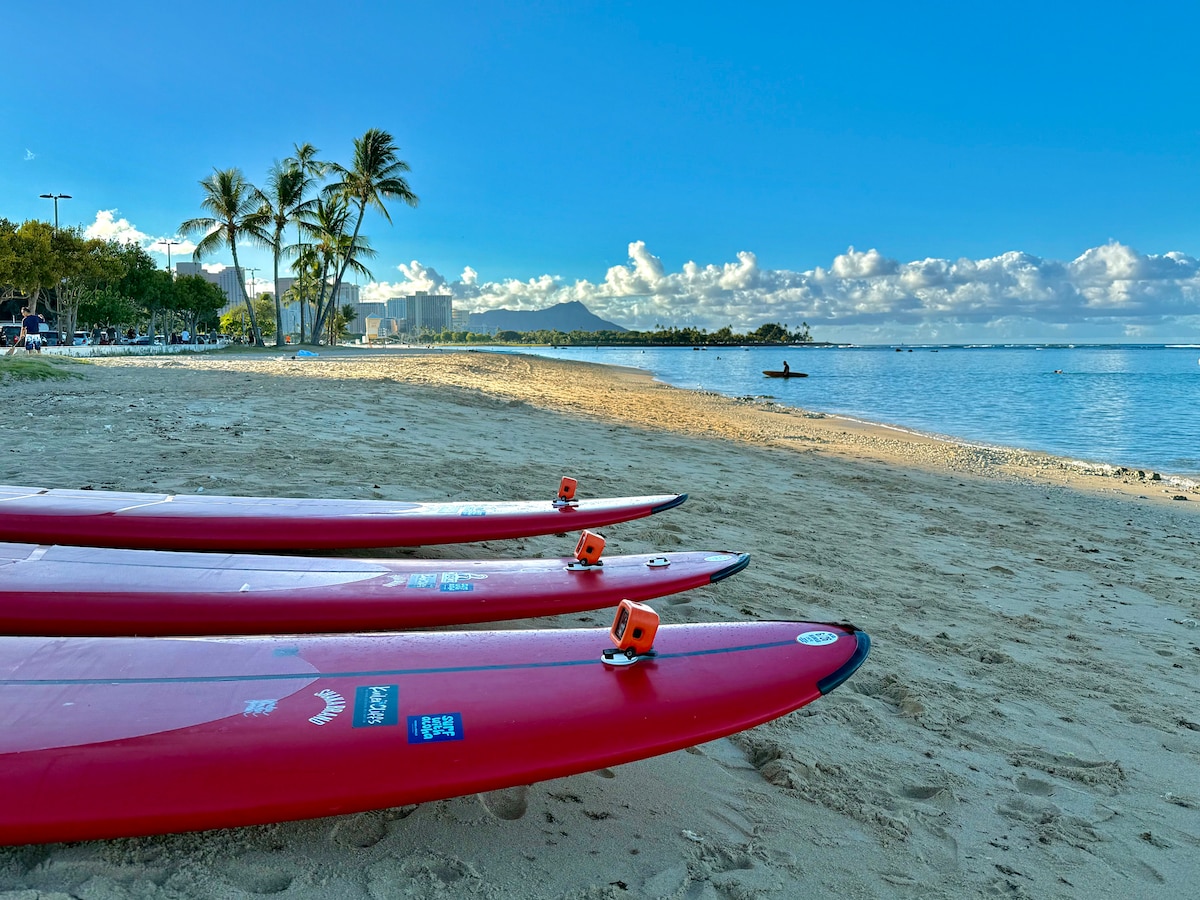
Learn to surf No crowds Gopro vids included
Mon, Feb 16 • 7:00 AM
Honolulu, Hawaii, 96815
View details
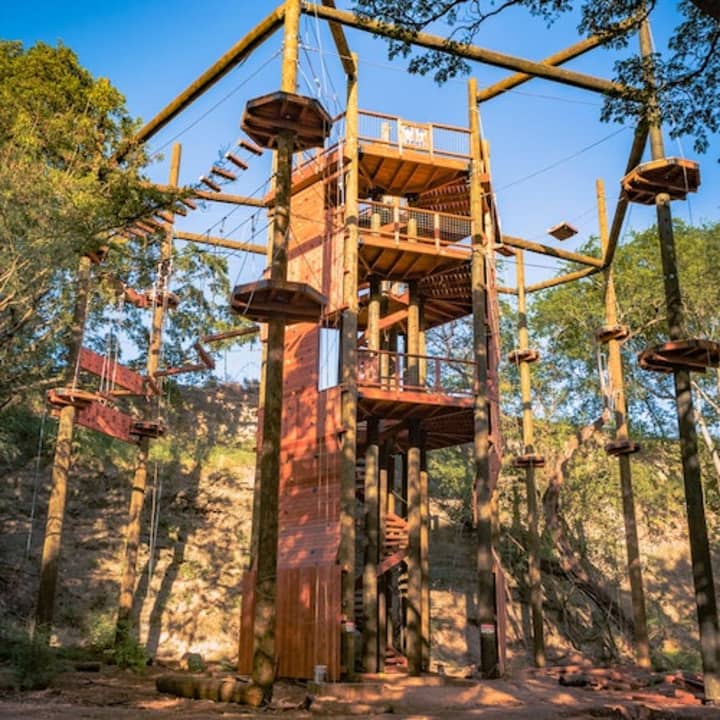
Coral Crater Park: Adventure Tower
Mon, Feb 16 • 9:00 AM
91-1780 Midway Street, Kapolei, 96707
View details

Private 45 Minute Helicopter Tour with Romantic Landing
Mon, Feb 16 • 9:00 AM
155 Kapalulu Place #197, Honolulu, 96819
View details
Nearby attractions of National Memorial Cemetery of the Pacific
Papakolea Community Park
Booth District Park
Dole Community Park
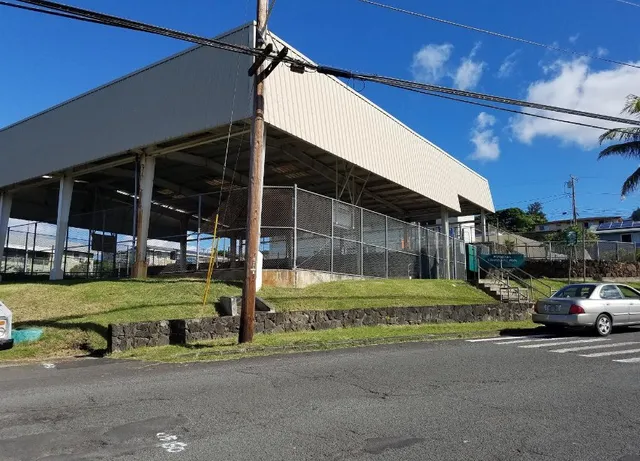
Papakolea Community Park
4.5
(91)
Closed
Click for details
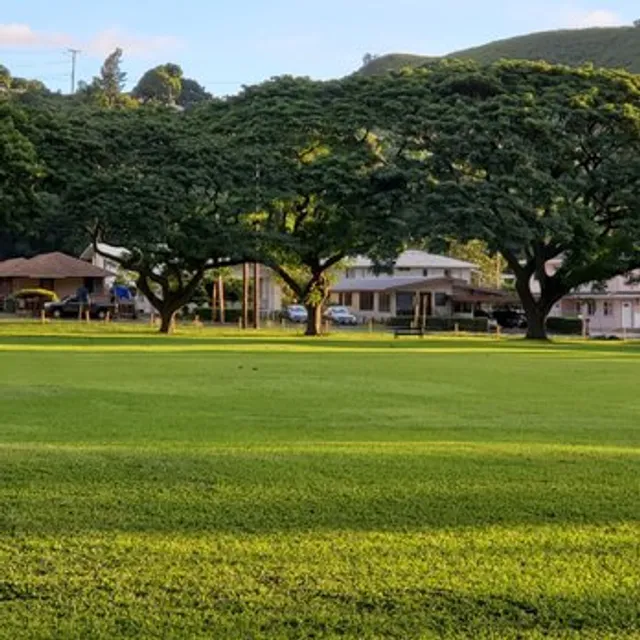
Booth District Park
4.4
(12)
Closed
Click for details
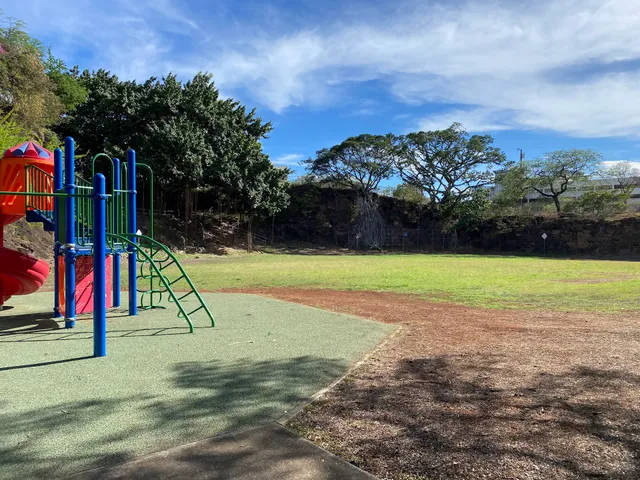
Dole Community Park
3.8
(88)
Closed
Click for details
Nearby restaurants of National Memorial Cemetery of the Pacific
Peppa's Korean BBQ
SushiMan
Pizza Hut
K D Cafe Hawaii
$5 Bento Box Makiki
L&L Hawaiian Barbecue
Subway
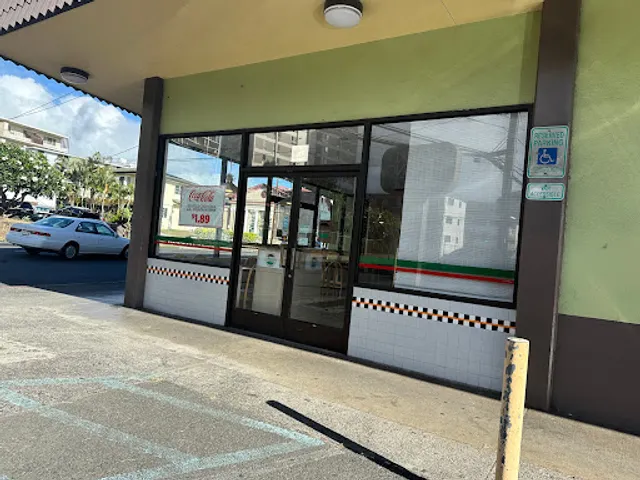
Peppa's Korean BBQ
4.2
(143)
$
Closed
Click for details
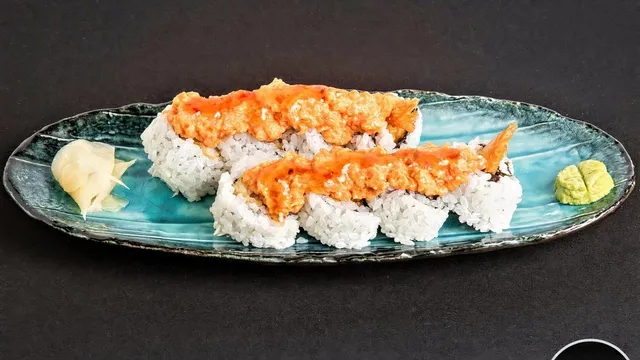
SushiMan
4.0
(66)
$
Closed
Click for details
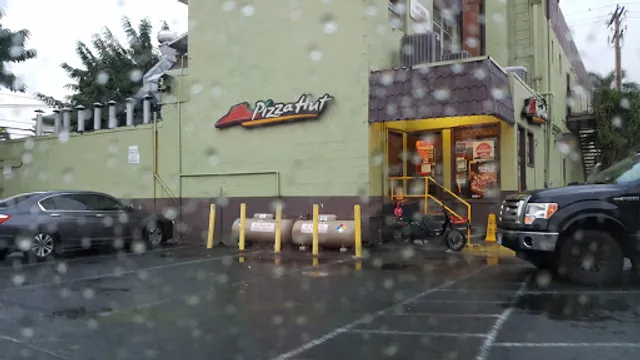
Pizza Hut
4.2
(136)
$
Closed
Click for details
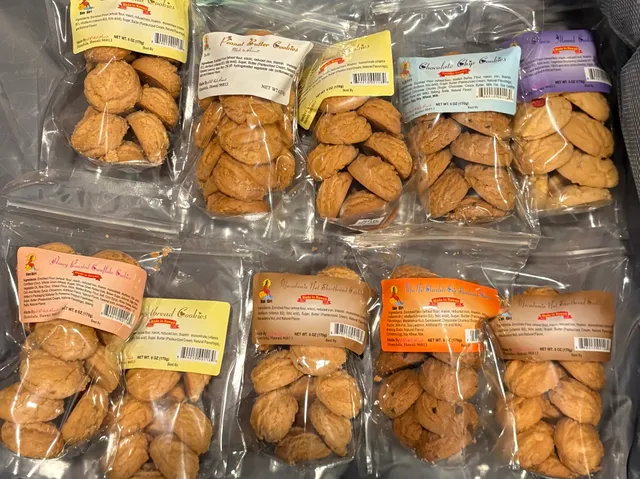
K D Cafe Hawaii
4.9
(8)
Open until 12:00 AM
Click for details
Nearby local services of National Memorial Cemetery of the Pacific
Punchbowl Crater
Punchbowl Scenic Lookout
The Queen's Aloha Lūʻau
Makeup by Mua.sherba
Blessed Sacrament Church
Fantastic Sams Cut & Color
Yoshino Nail
Makiki Nails
Victoria Plaza
Danger Close Tactical
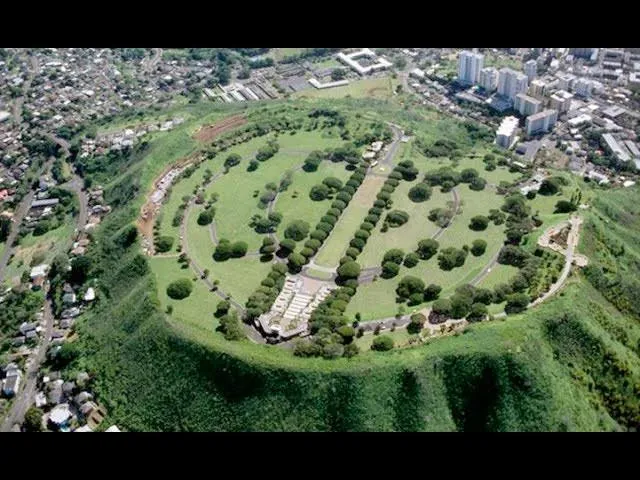
Punchbowl Crater
4.8
(97)
Click for details
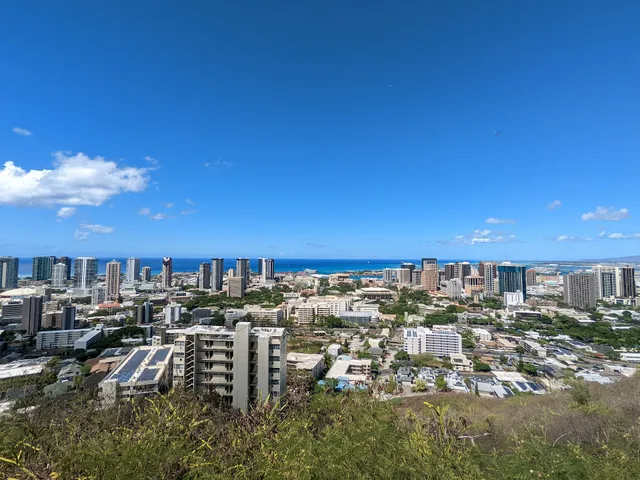
Punchbowl Scenic Lookout
4.8
(102)
Click for details
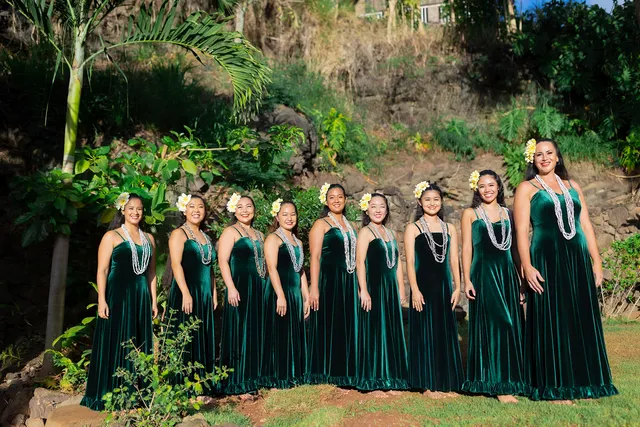
The Queen's Aloha Lūʻau
4.7
(9)
Click for details
Makeup by Mua.sherba
5.0
(18)
Click for details