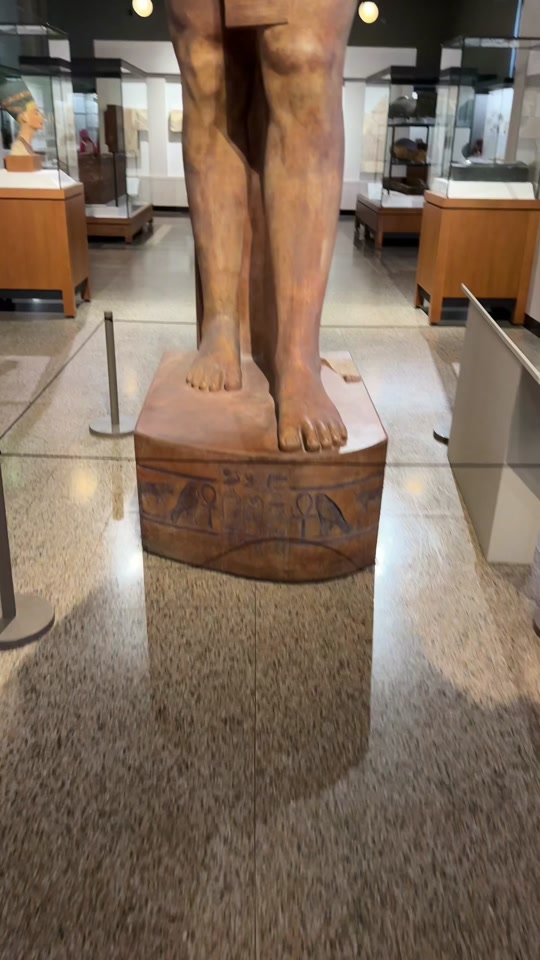
Institute for the Study of Ancient Cultures Museum things to do, attractions, restaurants, events info and trip planning
Basic Info
Institute for the Study of Ancient Cultures Museum
1155 E 58th St, Chicago, IL 60637
4.8(254)
Open until 12:00 AM

tickets
Save
spot
spot
Ratings & Description
Info
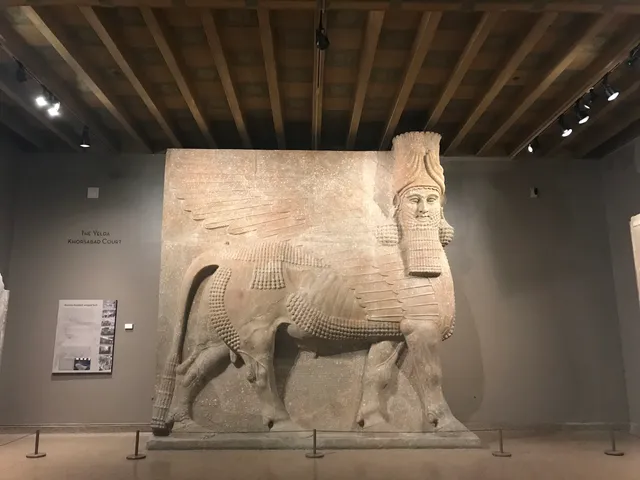
The Institute for the Study of Ancient Cultures, West Asia & North Africa, established in 1919, is the University of Chicago's interdisciplinary research center for ancient Near Eastern studies and archaeology museum.
Cultural
Family friendly
Accessibility
attractions: Frederick C. Robie House, Rockefeller Memorial Chapel, University of Chicago Booth School of Business, The University of Chicago, University of Chicago College Admissions, Midway Plaisance Park, Ida Noyes Hall, The Renaissance Society, University of Chicago - Main Quadrangle, University of Chicago Botany Pond, restaurants: Plein Air Cafe, Quadrangle Club, Medici On 57th, Grounds of Being: The Divinity School Coffee Shop, Hallowed Grounds, Noodles Etc, Harper Café, Bartlett Dining Commons, Cobb Coffee Shop, Starbucks, local businesses: Seminary Co-op Bookstores, Ida Noyes Hall, Doc Films, 57th Street Books, Harper Memorial Library, Midway Plaisance Ice Skating Rink, Bond Chapel, FedEx Office Print & Ship Center, University of Chicago Laboratory Schools, David Rubenstein Forum at the University of Chicago
 Learn more insights from Wanderboat AI.
Phone
(773) 702-9514
Website
isac.uchicago.edu
Open hoursSee all hours
MonClosedOpen
Plan your stay

Pet-friendly Hotels in Hyde Park Township
Find a cozy hotel nearby and make it a full experience.

Affordable Hotels in Hyde Park Township
Find a cozy hotel nearby and make it a full experience.

The Coolest Hotels You Haven't Heard Of (Yet)
Find a cozy hotel nearby and make it a full experience.

Trending Stays Worth the Hype in Hyde Park Township
Find a cozy hotel nearby and make it a full experience.
Reviews
Live events
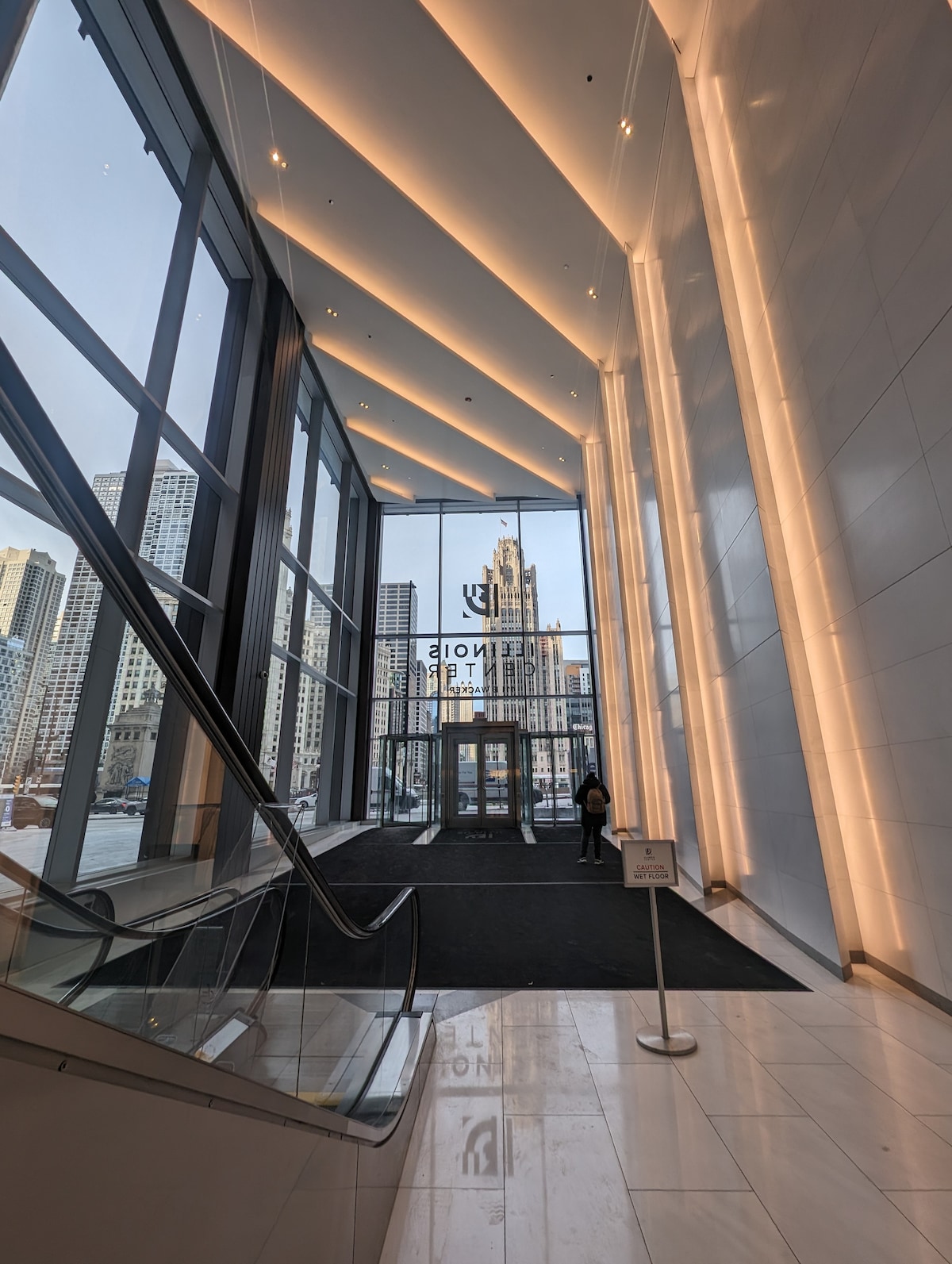
Chicago Underground Pedway & Secret Interiors Tour
Mon, Feb 16 • 2:00 PM
Chicago, Illinois, 60602, United States
View details

Chinatowns Food & Culture Walking Tour in Chicago
Mon, Feb 16 • 4:00 PM
Chicago, Illinois, 60616, United States
View details
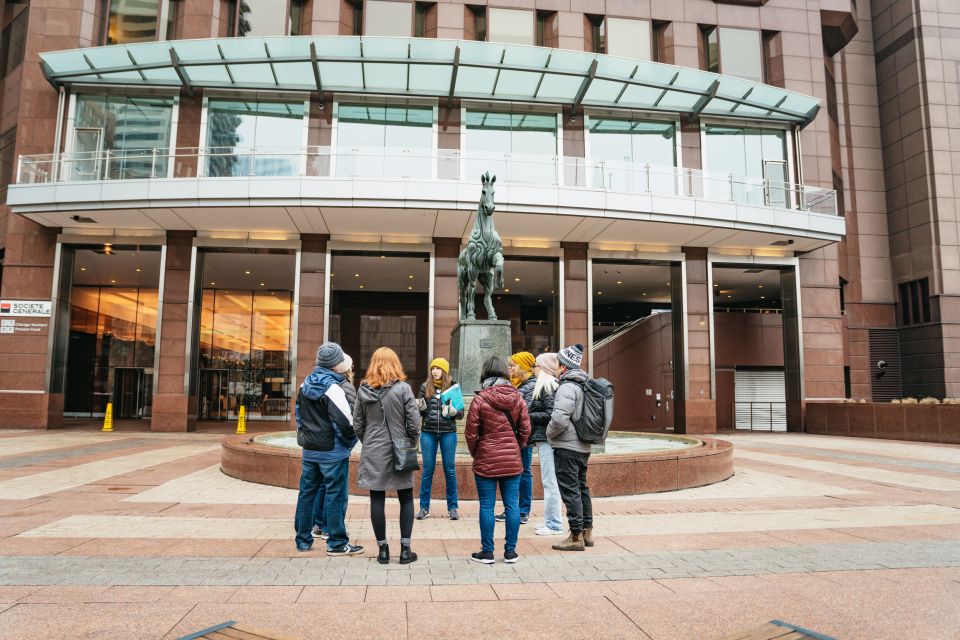
Discover Chicagos Dazzling Architecture Interiors
Mon, Feb 16 • 11:00 AM
Chicago, Illinois, 60605
View details
Nearby attractions of Institute for the Study of Ancient Cultures Museum
Frederick C. Robie House
Rockefeller Memorial Chapel
University of Chicago Booth School of Business
The University of Chicago
University of Chicago College Admissions
Midway Plaisance Park
Ida Noyes Hall
The Renaissance Society
University of Chicago - Main Quadrangle
University of Chicago Botany Pond
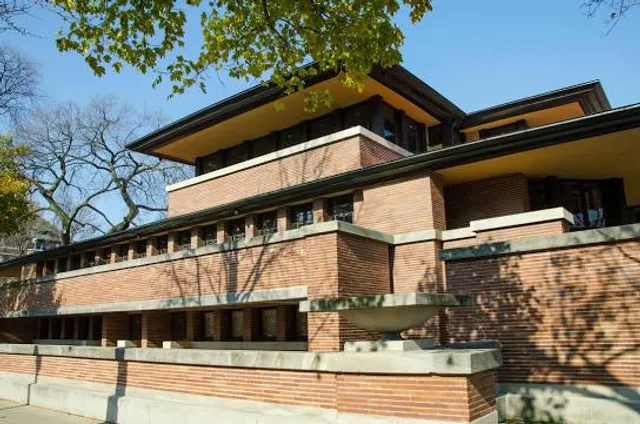
Frederick C. Robie House
4.7
(632)
Open until 4:00 PM
Click for details
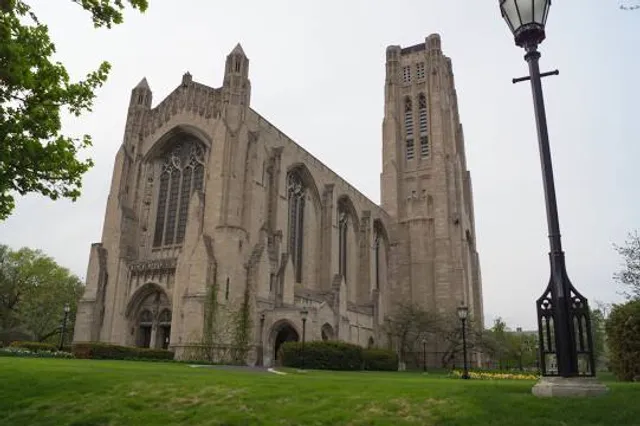
Rockefeller Memorial Chapel
4.8
(58)
Open 24 hours
Click for details
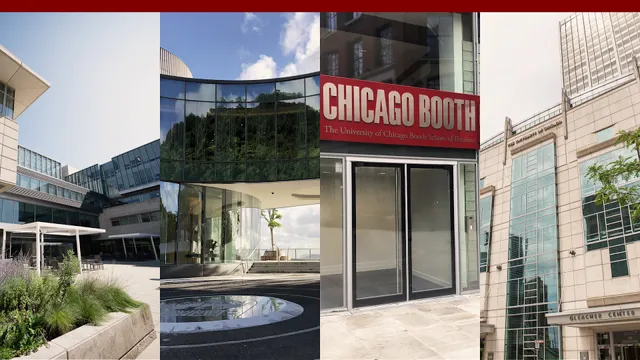
University of Chicago Booth School of Business
4.7
(87)
Open 24 hours
Click for details
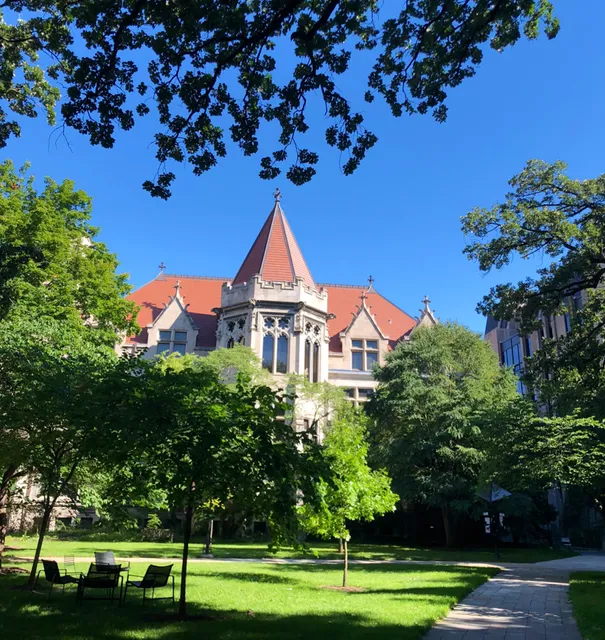
The University of Chicago
4.6
(529)
Open until 5:00 PM
Click for details
Nearby restaurants of Institute for the Study of Ancient Cultures Museum
Plein Air Cafe
Quadrangle Club
Medici On 57th
Grounds of Being: The Divinity School Coffee Shop
Hallowed Grounds
Noodles Etc
Harper Café
Bartlett Dining Commons
Cobb Coffee Shop
Starbucks
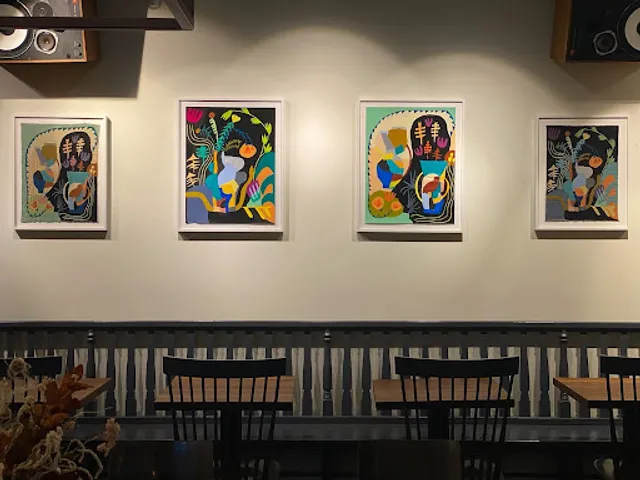
Plein Air Cafe
4.4
(400)
$
Open until 8:00 PM
Click for details
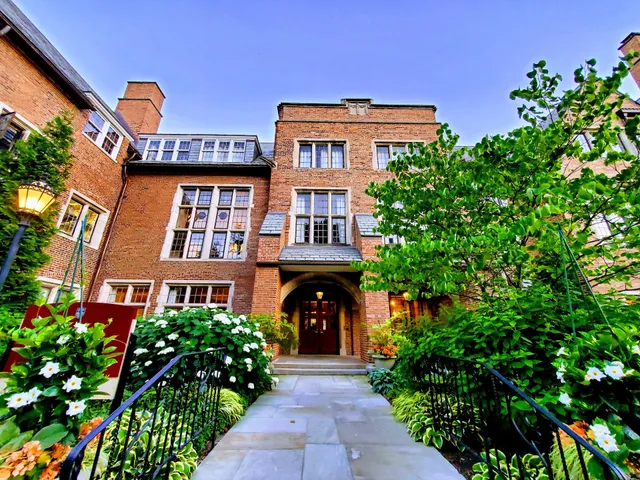
Quadrangle Club
4.4
(136)
Click for details
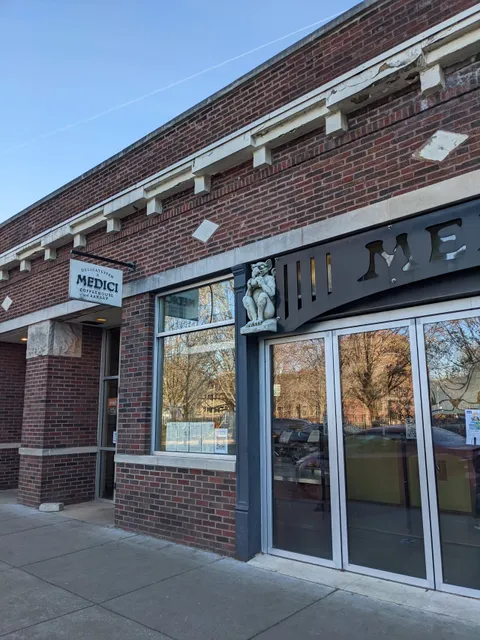
Medici On 57th
4.4
(1.5K)
$
Open until 8:30 PM
Click for details
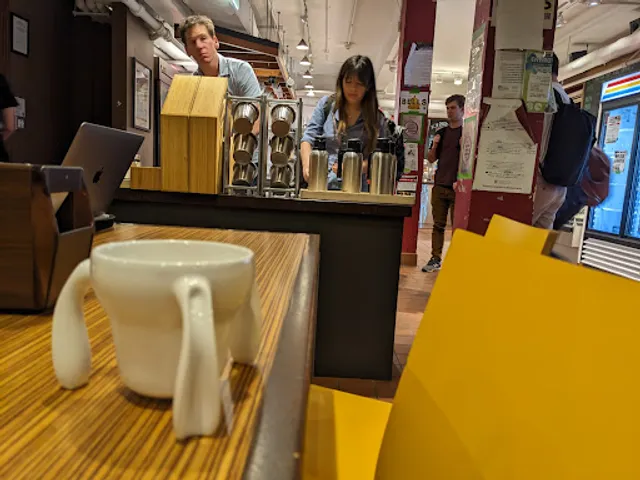
Grounds of Being: The Divinity School Coffee Shop
4.7
(98)
$
Open until 12:00 AM
Click for details
Nearby local services of Institute for the Study of Ancient Cultures Museum
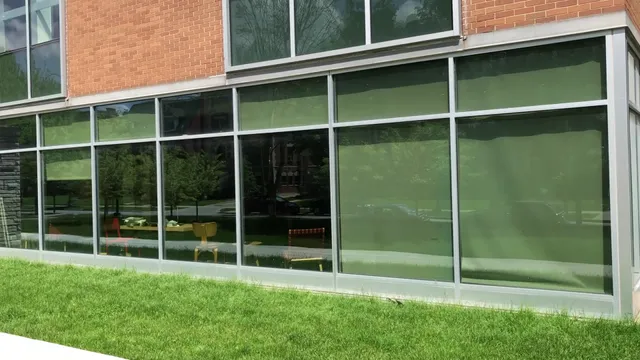
Seminary Co-op Bookstores
Ida Noyes Hall
Doc Films
57th Street Books
Harper Memorial Library
Midway Plaisance Ice Skating Rink
Bond Chapel
FedEx Office Print & Ship Center
University of Chicago Laboratory Schools
David Rubenstein Forum at the University of Chicago
Seminary Co-op Bookstores
4.8
(213)
Click for details
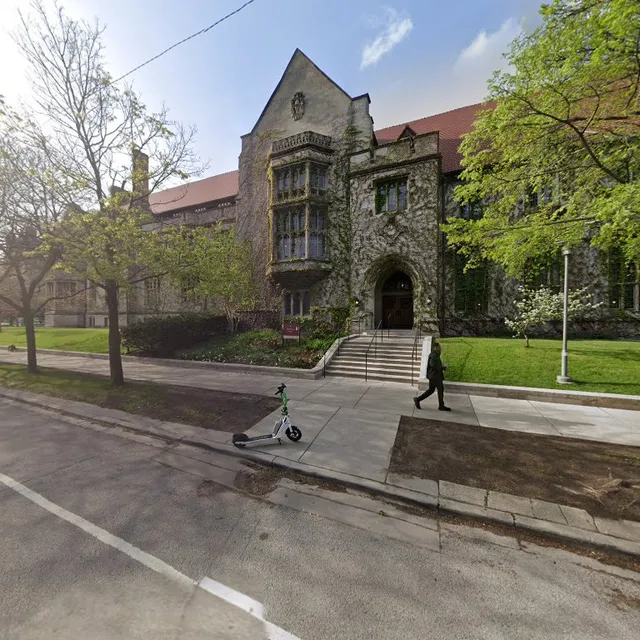
Ida Noyes Hall
4.7
(111)
Click for details
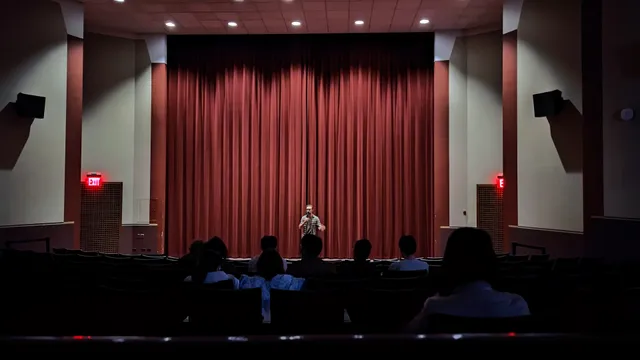
Doc Films
4.8
(65)
Click for details
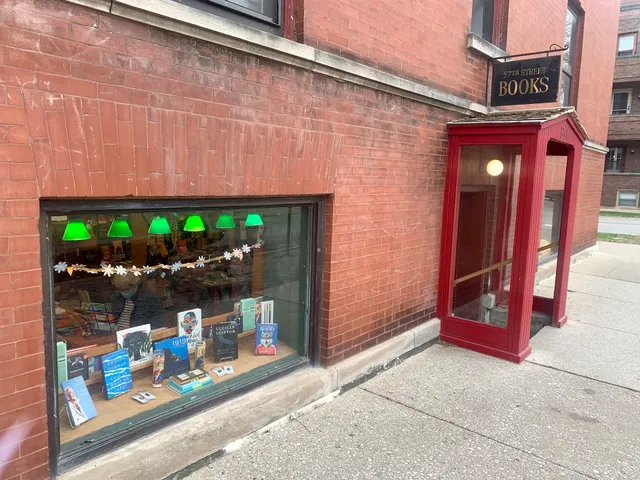
57th Street Books
4.8
(314)
Click for details