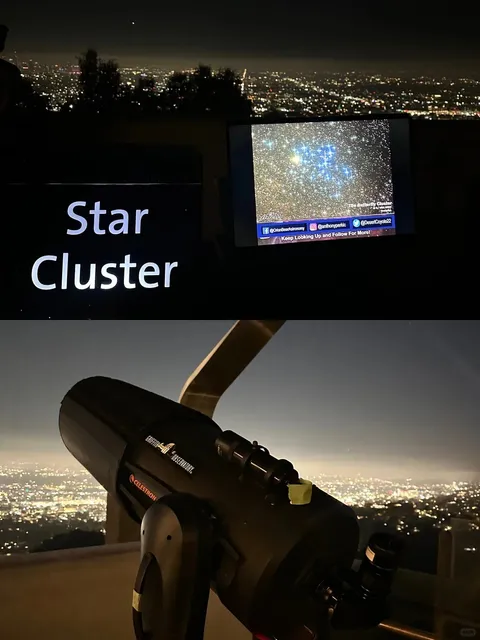
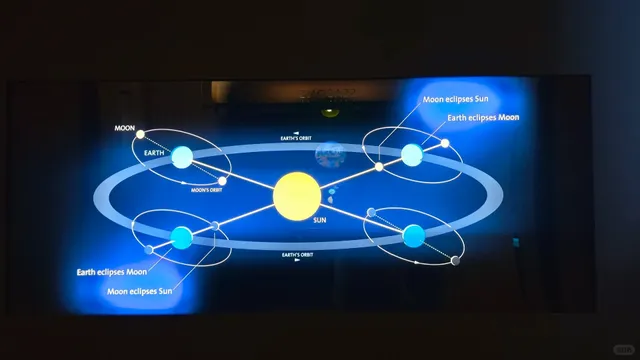
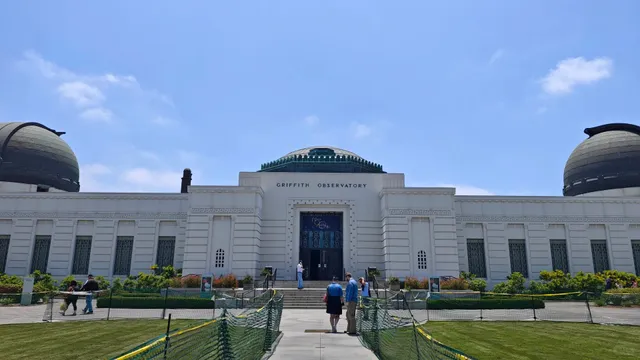
Griffith Observatory things to do, attractions, restaurants, events info and trip planning
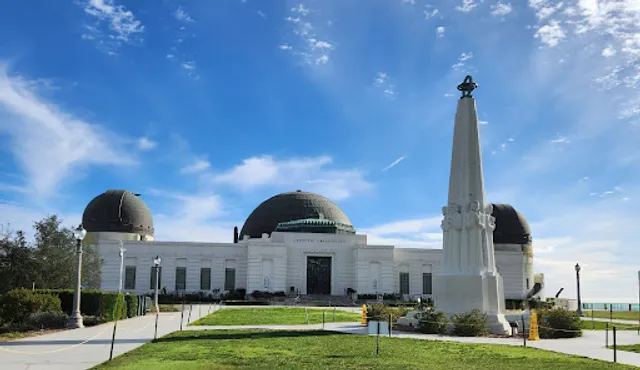
Basic Info
Griffith Observatory
Los Angeles, CA 90027
4.7(289)
Save
spot
spot
Ratings & Description
Info
Cultural
Scenic
Entertainment
Family friendly
Accessibility
attractions: Astronomers Monument, Griffith Observatory, Charlie Turner Trailhead, James Dean Bust, The Greek Theatre, Samuel Oschin Planetarium, Griffith Observatory, Griffith Park Trails, Glendale Peak Trail Head, Vermont Canyon Play Area, restaurants: Café at the End of the Universe, Franklin's Cafe - Griffith Park, The Trails, local businesses: Friends Of The Observatory, Griffith Observatory Foundation, Stellar Emporium Gift Shop, Mt. Hollywood Tunnel, Roosevelt Golf Course, Mount Hollywood Trl, Vermont Canyon Tennis Courts, 2715 N Vermont Canyon Rd, Mt Hollywood, Mount Hollywood
 Learn more insights from Wanderboat AI.
Plan your stay

Pet-friendly Hotels in Los Angeles
Find a cozy hotel nearby and make it a full experience.

Affordable Hotels in Los Angeles
Find a cozy hotel nearby and make it a full experience.

The Coolest Hotels You Haven't Heard Of (Yet)
Find a cozy hotel nearby and make it a full experience.

Trending Stays Worth the Hype in Los Angeles
Find a cozy hotel nearby and make it a full experience.
Reviews
Live events

Fly an airplane over LA’s epic landmarks
Mon, Feb 23 • 10:00 AM
Los Angeles, California, 91406
View details

Bubble Planet: An Immersive Experience in Los Angeles
Mon, Feb 23 • 9:30 AM
634 Mateo St. Los Angeles, CA, 90021
View details
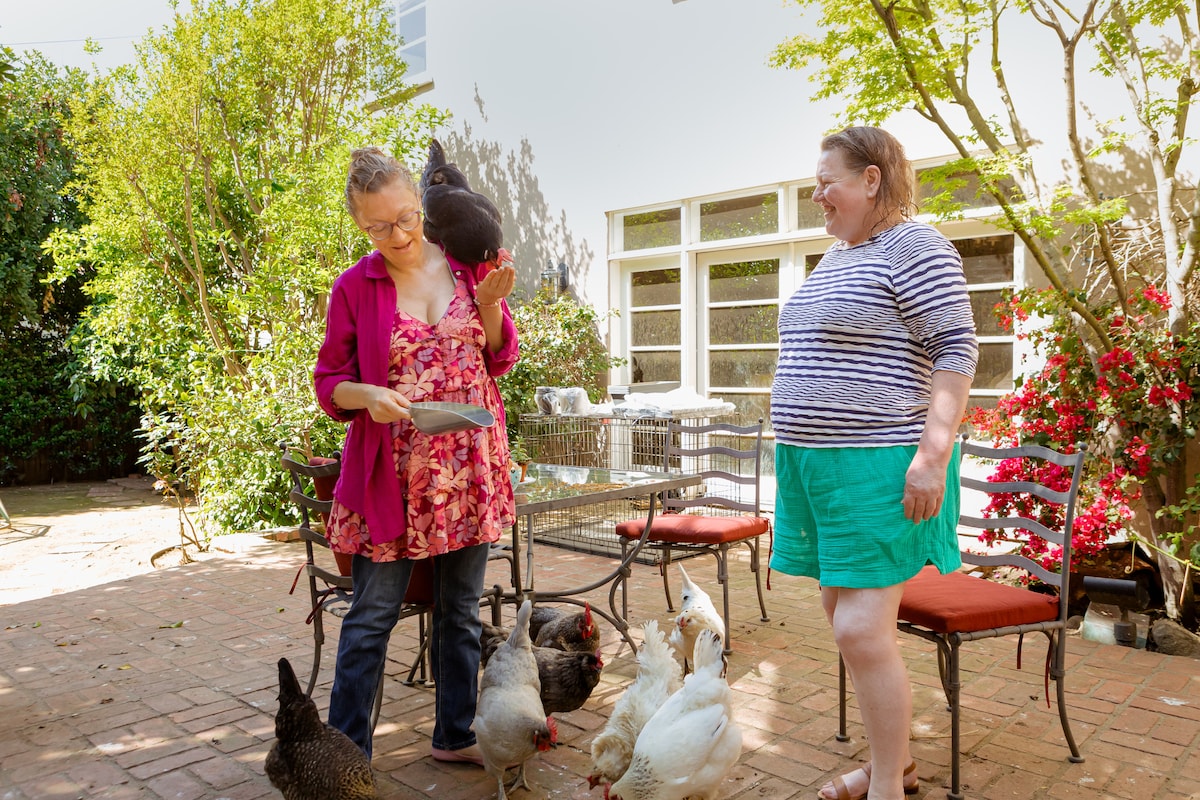
Learn how to raise backyard chickens
Mon, Feb 23 • 10:00 AM
Pasadena, California, 91107
View details
Nearby attractions of Griffith Observatory
Astronomers Monument
Griffith Observatory
Charlie Turner Trailhead
James Dean Bust
The Greek Theatre
Samuel Oschin Planetarium
Griffith Observatory
Griffith Park Trails
Glendale Peak Trail Head
Vermont Canyon Play Area
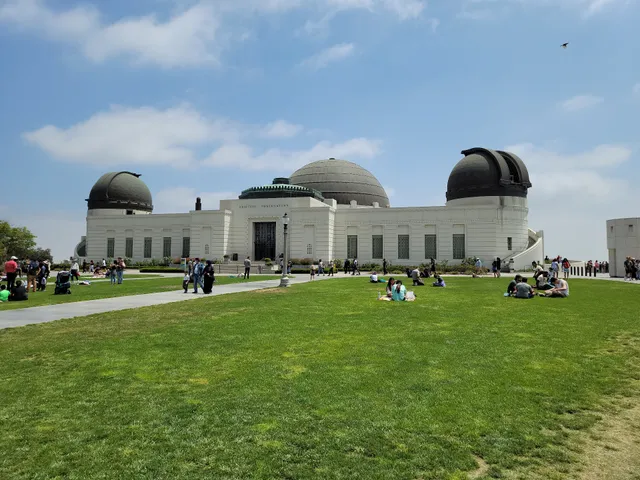
Astronomers Monument
4.8
(175)
Open until 12:00 AM
Click for details
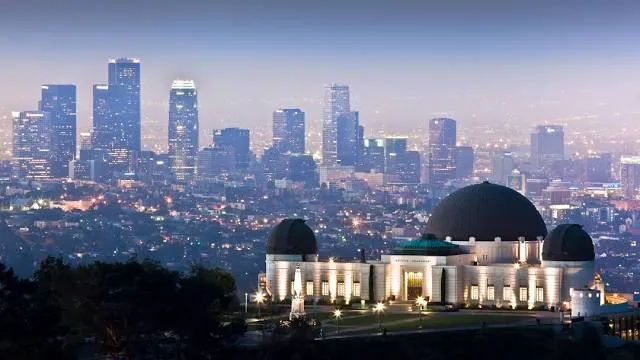
Griffith Observatory
4.7
(176)
Closed
Click for details
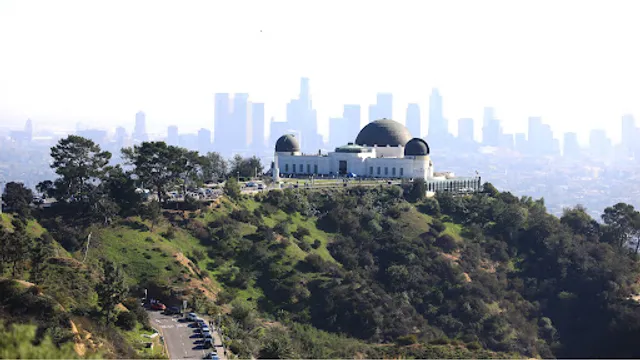
Charlie Turner Trailhead
4.7
(513)
Open 24 hours
Click for details
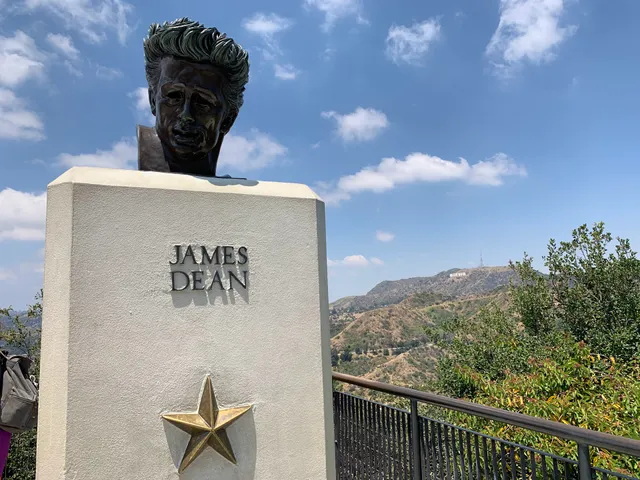
James Dean Bust
4.5
(64)
Open until 12:00 AM
Click for details
Nearby restaurants of Griffith Observatory
Café at the End of the Universe
Franklin's Cafe - Griffith Park
The Trails
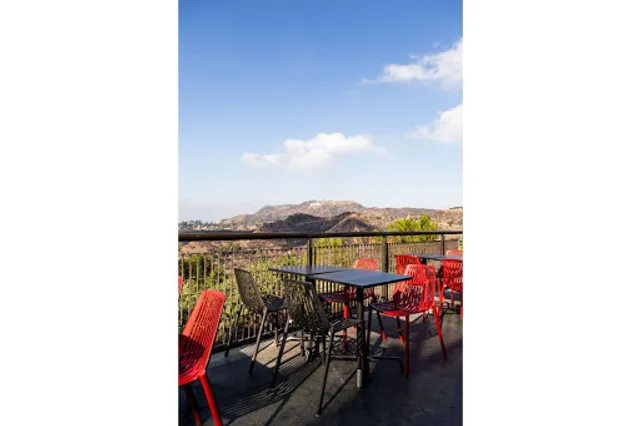
Café at the End of the Universe
2.7
(58)
$
Open until 12:00 AM
Click for details
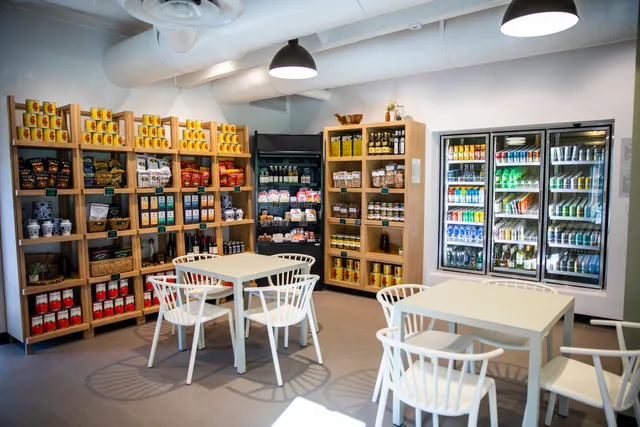
Franklin's Cafe - Griffith Park
3.9
(48)
$
Open until 5:00 PM
Click for details
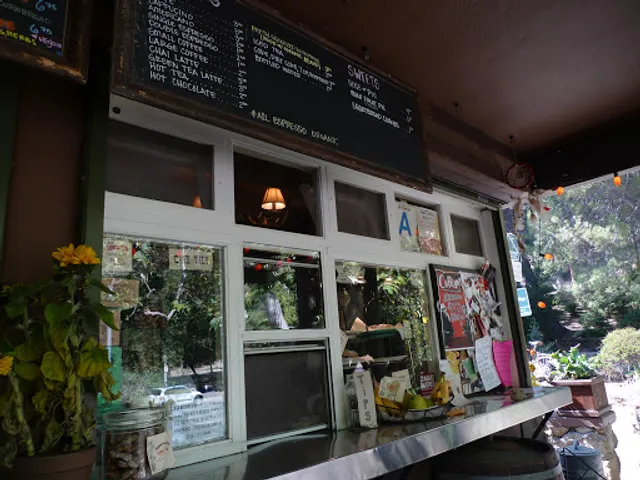
The Trails
4.5
(518)
$
Open until 5:00 PM
Click for details
Nearby local services of Griffith Observatory
Friends Of The Observatory
Griffith Observatory Foundation
Stellar Emporium Gift Shop
Mt. Hollywood Tunnel
Roosevelt Golf Course
Mount Hollywood Trl
Vermont Canyon Tennis Courts
2715 N Vermont Canyon Rd
Mt Hollywood
Mount Hollywood
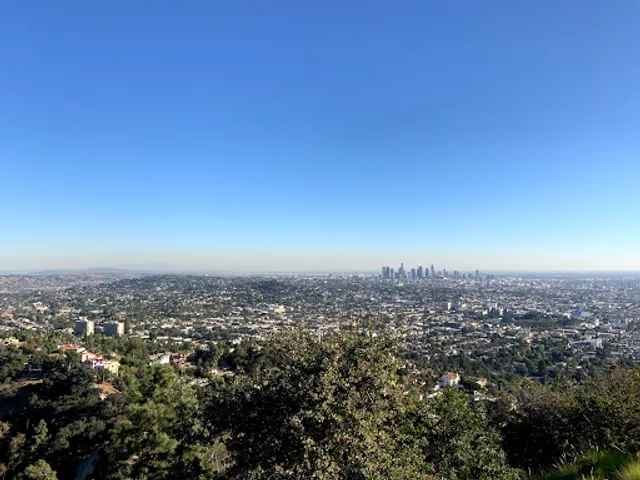
Friends Of The Observatory
4.7
(40)
Click for details
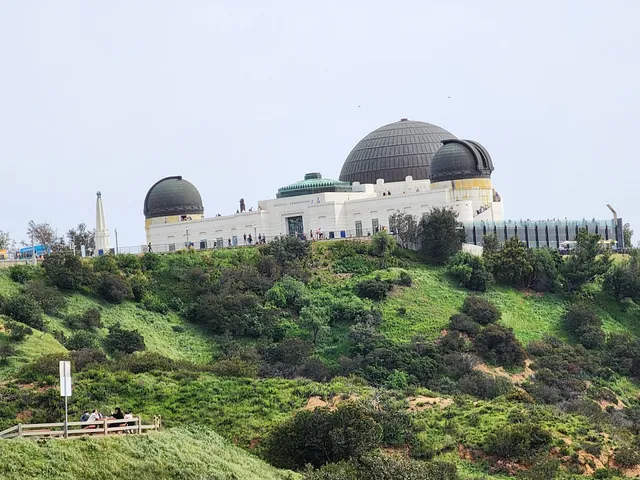
Griffith Observatory Foundation
4.9
(24)
Click for details
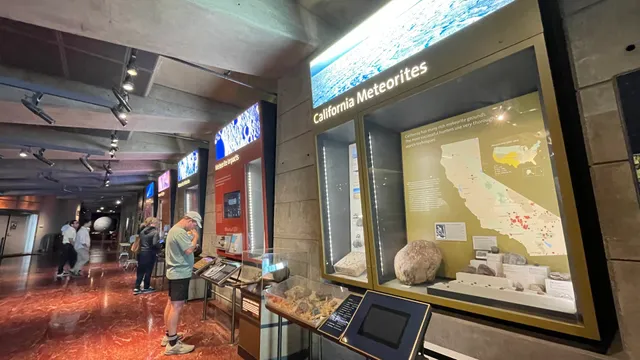
Stellar Emporium Gift Shop
4.7
(10)
Click for details
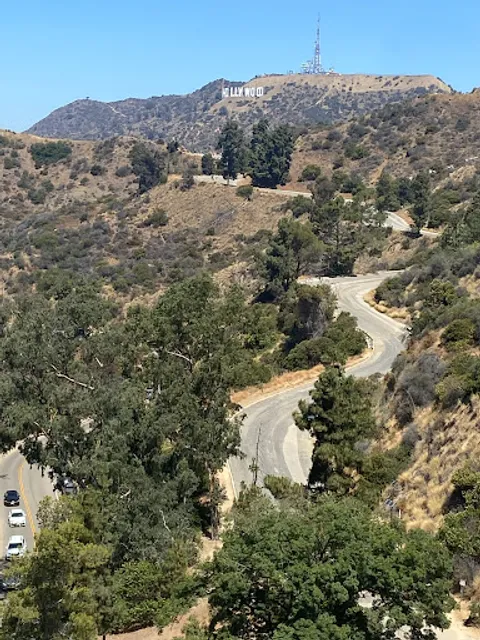
Mt. Hollywood Tunnel
4.6
(90)
Click for details


The hit list

Plan your trip with Wanderboat
Welcome to Wanderboat AI, your AI search for local Eats and Fun, designed to help you explore your city and the world with ease.
Powered by Wanderboat AI trip planner.