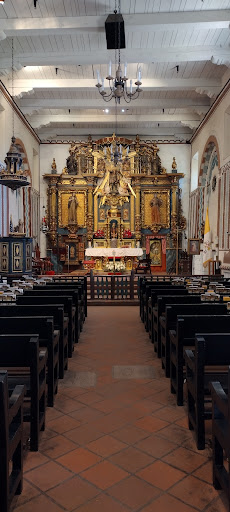
Mission San Fernando Rey de España things to do, attractions, restaurants, events info and trip planning
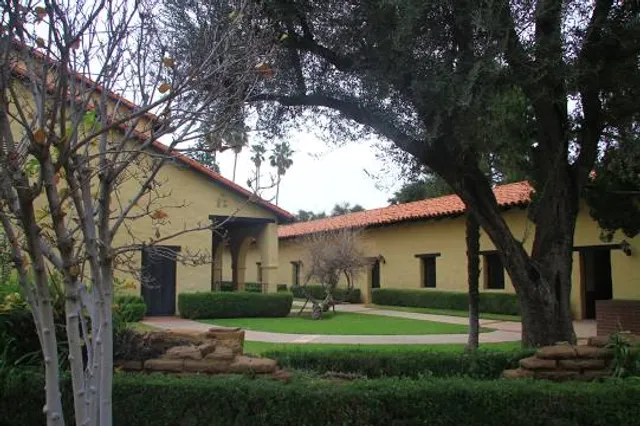
Basic Info
Mission San Fernando Rey de España
15151 San Fernando Mission Blvd, Mission Hills, CA 91345
4.6(625)
Closed
Save
spot
spot
Ratings & Description
Info
Mission San Fernando Rey de España is a Spanish mission in the Mission Hills community of Los Angeles, California. The mission was founded on 8 September 1797 at the site of Achooykomenga, and was the seventeenth of the twenty-one Spanish missions established in Alta California.
Cultural
Family friendly
Accessibility
attractions: Brand Park Memory Garden, Dirt Direct Offroad, Forneris Farms, Andres Pico Adobe Park, San Fernando Valley Historical Society, restaurants: Good Day Donuts, Arby's, Starbucks, The Bear Pit Bar-B-Q Restaurant, McDonald's, Coco's Bakery Restaurant, Subway, Presidente Restaurant, Tortas Ahogadas Las Originales, In-N-Out Burger, local businesses: Brand Park Community Center, North Valley Occupational Center, Carnival Cruise Lines, Eden Memorial Park, True Zero Mission Hills
 Learn more insights from Wanderboat AI.
Phone
(818) 361-0186
Website
missionsanfernandorey.org
Open hoursSee all hours
Wed9 AM - 4 PMClosed
Plan your stay

Pet-friendly Hotels in Los Angeles
Find a cozy hotel nearby and make it a full experience.

Affordable Hotels in Los Angeles
Find a cozy hotel nearby and make it a full experience.

The Coolest Hotels You Haven't Heard Of (Yet)
Find a cozy hotel nearby and make it a full experience.

Trending Stays Worth the Hype in Los Angeles
Find a cozy hotel nearby and make it a full experience.
Reviews
Live events

Fly an airplane over LA’s epic landmarks
Fri, Feb 20 • 5:30 PM
Los Angeles, California, 91406
View details

Jazz A Gogo Night
Wed, Feb 18 • 7:00 PM
395 Santa Monica Place ##300 Santa Monica, CA 90401
View details

KPOP Demon Hunters: An Evening with the Art Team
Fri, Feb 20 • 7:00 PM
6150 Laurel Canyon Boulevard Los Angeles, CA 91606
View details
Nearby attractions of Mission San Fernando Rey de España
Brand Park Memory Garden
Dirt Direct Offroad
Forneris Farms
Andres Pico Adobe Park
San Fernando Valley Historical Society
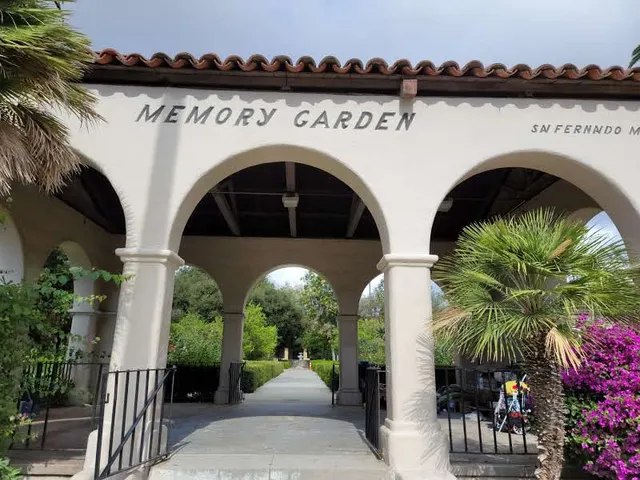
Brand Park Memory Garden
4.4
(325)
Closed
Click for details

Dirt Direct Offroad
4.9
(35)
Open 24 hours
Click for details
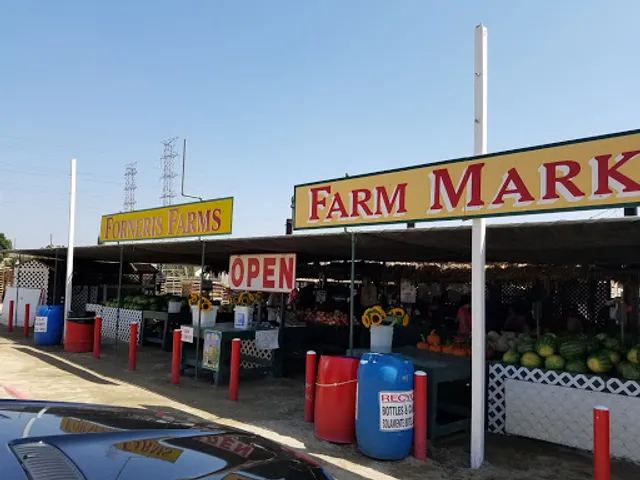
Forneris Farms
3.8
(204)
Open 24 hours
Click for details
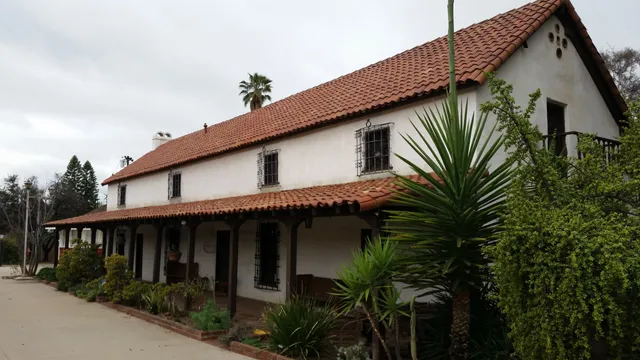
Andres Pico Adobe Park
4.3
(36)
Open until 12:00 AM
Click for details
Nearby restaurants of Mission San Fernando Rey de España
Good Day Donuts
Arby's
Starbucks
The Bear Pit Bar-B-Q Restaurant
McDonald's
Coco's Bakery Restaurant
Subway
Presidente Restaurant
Tortas Ahogadas Las Originales
In-N-Out Burger
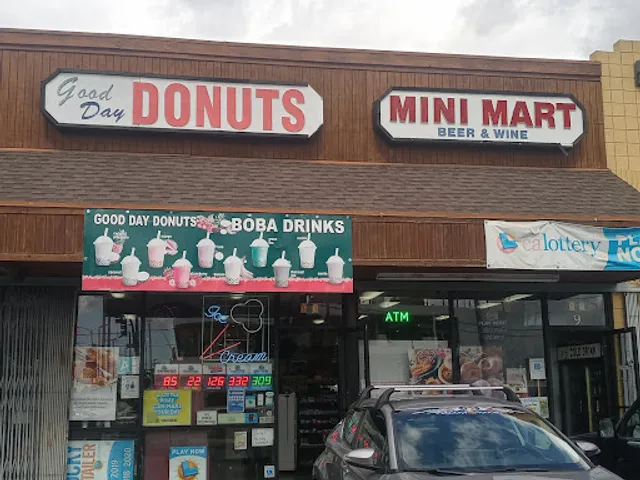
Good Day Donuts
4.8
(88)
$
Closed
Click for details

Arby's
4.4
(882)
$
Closed
Click for details
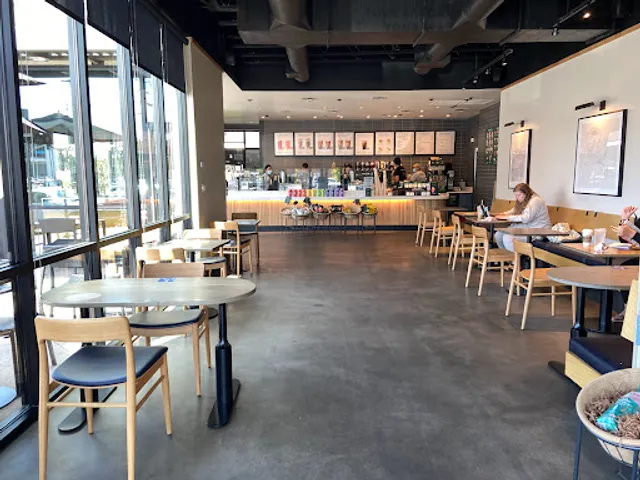
Starbucks
4.2
(541)
$
Closed
Click for details
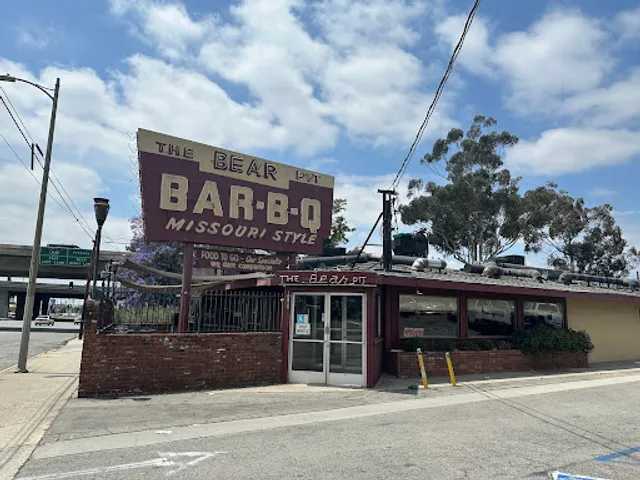
The Bear Pit Bar-B-Q Restaurant
4.2
(1.2K)
$$
Closed
Click for details
Nearby local services of Mission San Fernando Rey de España
Brand Park Community Center
North Valley Occupational Center
Carnival Cruise Lines
Eden Memorial Park
True Zero Mission Hills
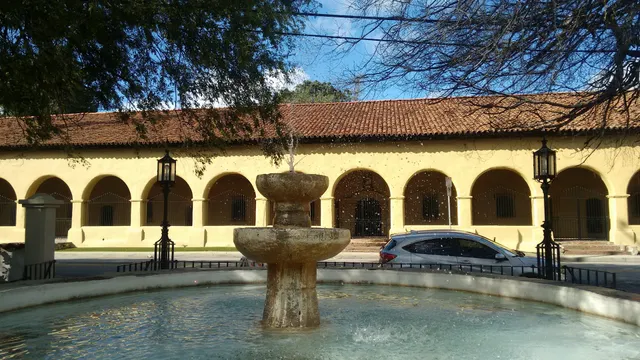
Brand Park Community Center
4.6
(54)
Click for details
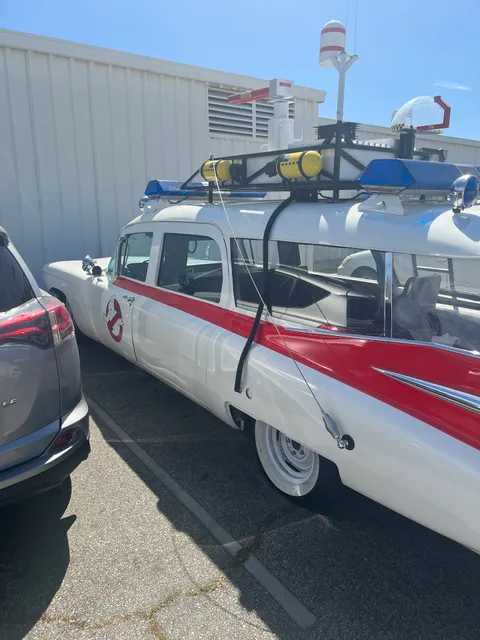
North Valley Occupational Center
4.4
(75)
Click for details
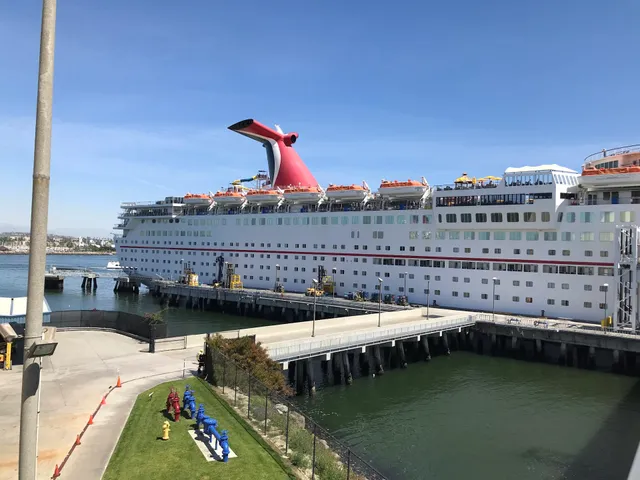
Carnival Cruise Lines
4.1
(26)
Click for details
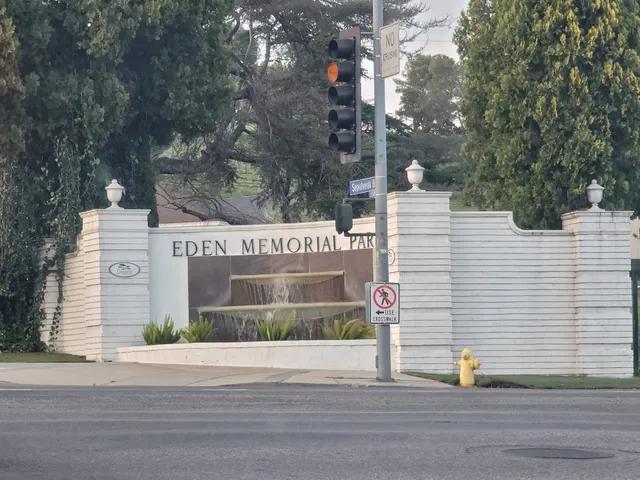
Eden Memorial Park
3.1
(24)
Click for details


The hit list

Plan your trip with Wanderboat
Welcome to Wanderboat AI, your AI search for local Eats and Fun, designed to help you explore your city and the world with ease.
Powered by Wanderboat AI trip planner.