Olvera Street things to do, attractions, restaurants, events info and trip planning
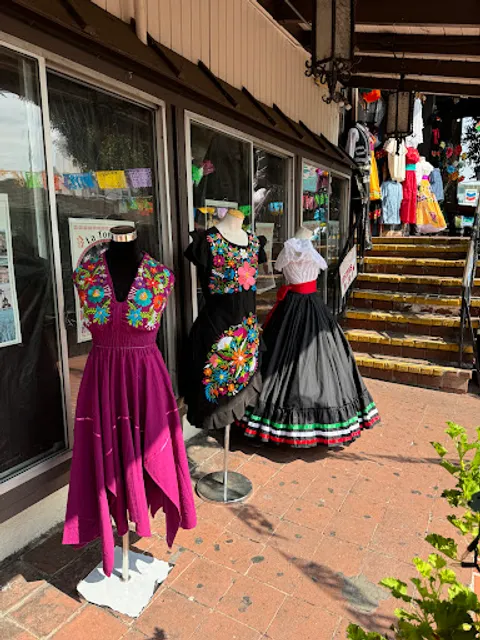
Basic Info
Olvera Street
Olvera St, Los Angeles, CA 90012
4.7(16)
Closed
Save
spot
spot
Ratings & Description
Info
Cultural
Entertainment
Family friendly
Accessibility
attractions: Los Angeles Union Station, Our Lady Queen of Angels Catholic Church, Italian American Museum of Los Angeles IAMLA, El Pueblo de Los Angeles Historical Monument, Avila Adobe, Union Station Square, Plaza Olvera, Los Angeles Plaza Park, America Tropical Interpretive Center, Sepulveda House Museum, restaurants: Philippe The Original, Juanita's Cafe, Cielito Lindo, El Paseo Inn 🇲🇽, Las Anitas, Nam Coffee, Placita Cafe, La Noche Buena Restaurant, Intiraymi Restaurant, La Luz del Día Restaurant, local businesses: Olvera St, Olvera Street, Olverita's Village, Union, CoreSite Los Angeles Data Center (LA2), Red Wing Shoe Store, Jia Apartments, Casa California Inc, Amtrak Thruway Bus Connection, Yue Wa Market
 Learn more insights from Wanderboat AI.
Website
olveraevents.com
Open hoursSee all hours
Wed10 AM - 6 PMClosed
Plan your stay

Pet-friendly Hotels in Los Angeles
Find a cozy hotel nearby and make it a full experience.

Affordable Hotels in Los Angeles
Find a cozy hotel nearby and make it a full experience.

The Coolest Hotels You Haven't Heard Of (Yet)
Find a cozy hotel nearby and make it a full experience.

Trending Stays Worth the Hype in Los Angeles
Find a cozy hotel nearby and make it a full experience.
Reviews
Live events

Bubble Planet: An Immersive Experience in Los Angeles
Thu, Feb 26 • 9:30 AM
634 Mateo St. Los Angeles, CA, 90021
View details

Mariko, Keyser, BABA JENKINS, Stella Prince, MLLN, Joshua Benard
Wed, Feb 25 • 7:00 PM
8462 West Sunset Boulevard West Hollywood, CA 90069
View details

Self-Care City Scavenger Hunt: Based on Hot Habits Series -Monterey Park
Thu, Feb 26 • 1:00 PM
245 West Garvey Avenue Monterey Park, CA 91754
View details
Nearby attractions of Olvera Street
Los Angeles Union Station
Our Lady Queen of Angels Catholic Church
Italian American Museum of Los Angeles IAMLA
El Pueblo de Los Angeles Historical Monument
Avila Adobe
Union Station Square
Plaza Olvera
Los Angeles Plaza Park
America Tropical Interpretive Center
Sepulveda House Museum
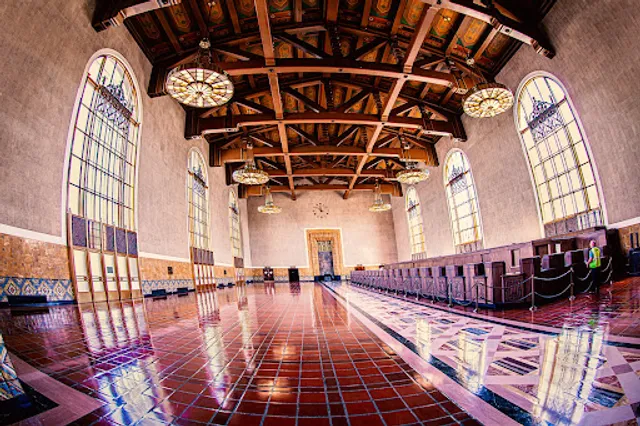
Los Angeles Union Station
4.5
(4.6K)
Open until 1:00 AM
Click for details
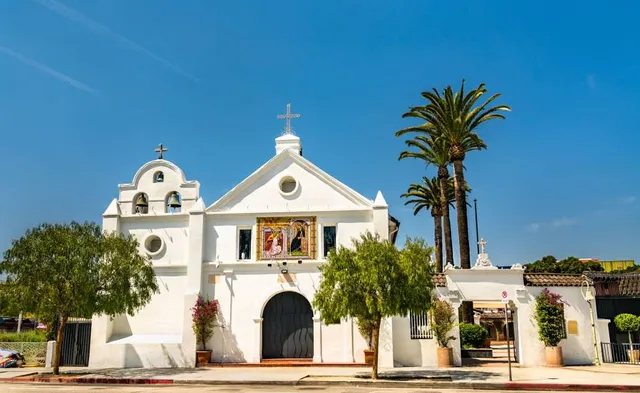
Our Lady Queen of Angels Catholic Church
4.6
(1.2K)
Closed
Click for details
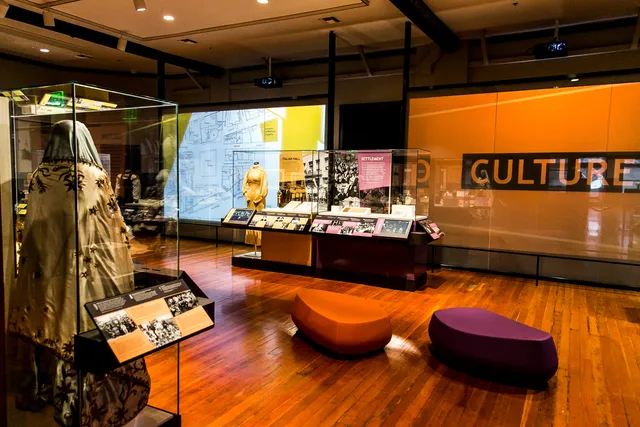
Italian American Museum of Los Angeles IAMLA
4.7
(80)
Closed
Click for details
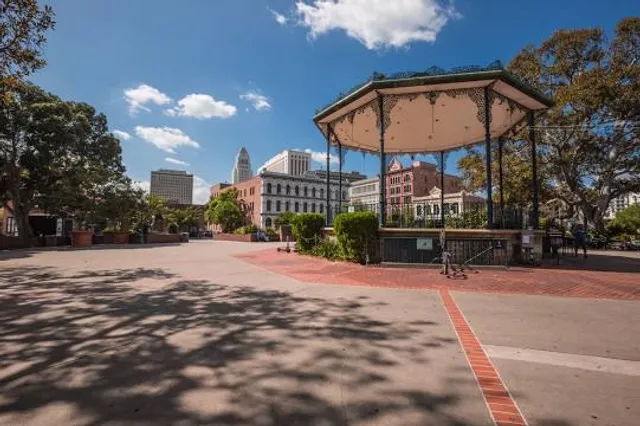
El Pueblo de Los Angeles Historical Monument
4.5
(740)
Open until 10:00 PM
Click for details
Nearby restaurants of Olvera Street
Philippe The Original
Juanita's Cafe
Cielito Lindo
El Paseo Inn 🇲🇽
Las Anitas
Nam Coffee
Placita Cafe
La Noche Buena Restaurant
Intiraymi Restaurant
La Luz del Día Restaurant
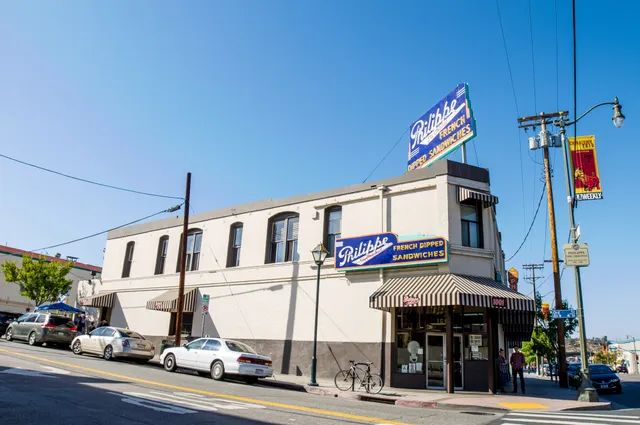
Philippe The Original
4.6
(5K)
$
Open until 10:00 PM
Click for details
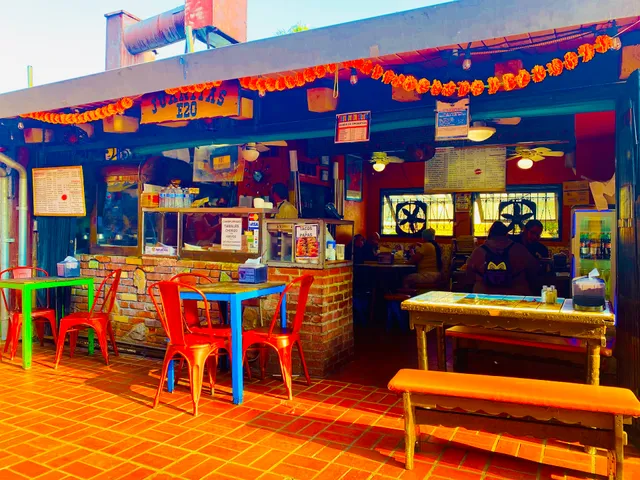
Juanita's Cafe
4.5
(187)
$
Closed
Click for details
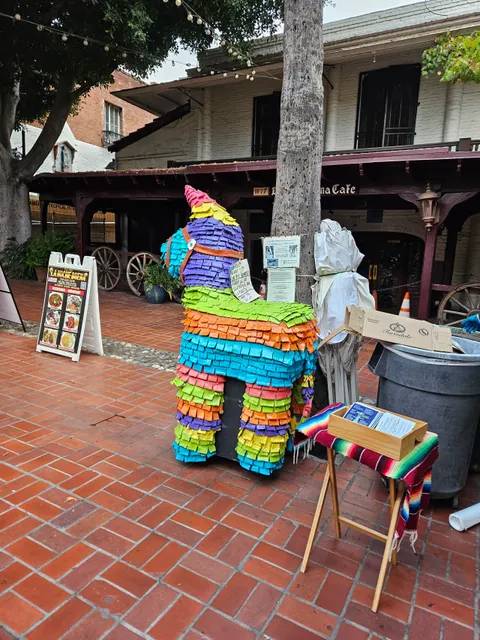
Cielito Lindo
4.4
(1.2K)
$
Closed
Click for details
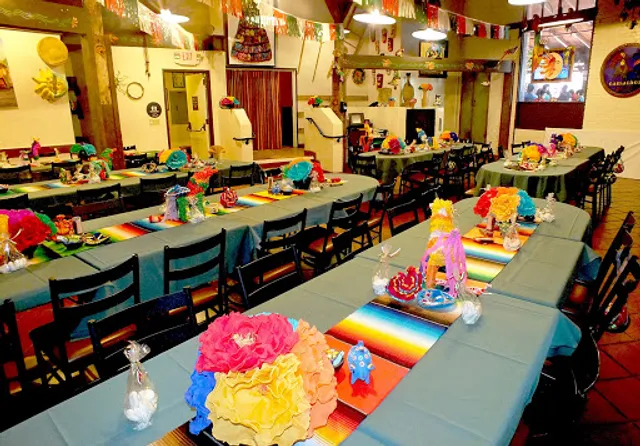
El Paseo Inn 🇲🇽
4.0
(569)
$$
Closed
Click for details
Nearby local services of Olvera Street
Olvera St
Olvera Street
Olverita's Village
Union
CoreSite Los Angeles Data Center (LA2)
Red Wing Shoe Store
Jia Apartments
Casa California Inc
Amtrak Thruway Bus Connection
Yue Wa Market
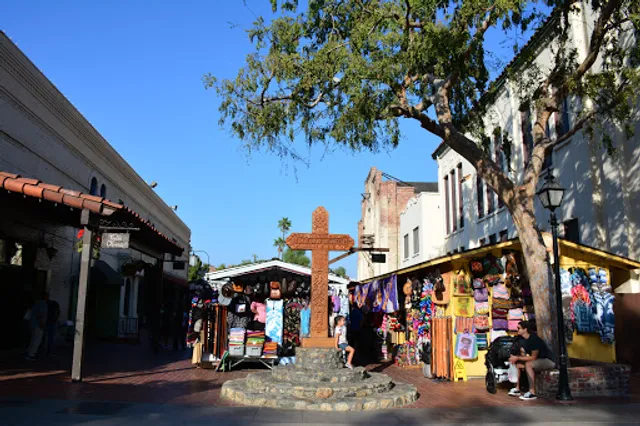
Olvera St
4.6
(358)
Click for details
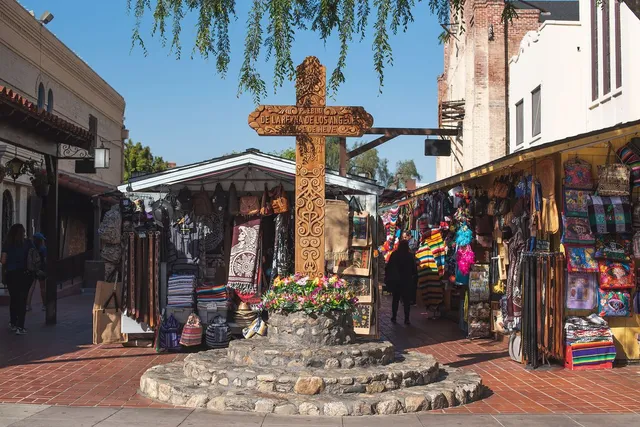
Olvera Street
4.6
(209)
Click for details
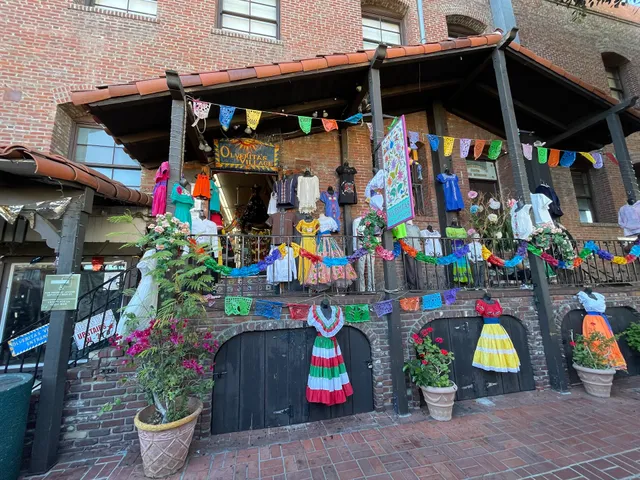
Olverita's Village
4.4
(77)
Click for details
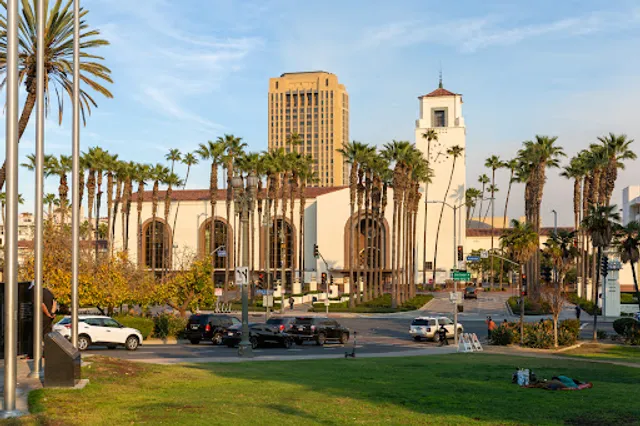
Union
4.4
(1.0K)
Click for details


The hit list

Plan your trip with Wanderboat
Welcome to Wanderboat AI, your AI search for local Eats and Fun, designed to help you explore your city and the world with ease.
Powered by Wanderboat AI trip planner.