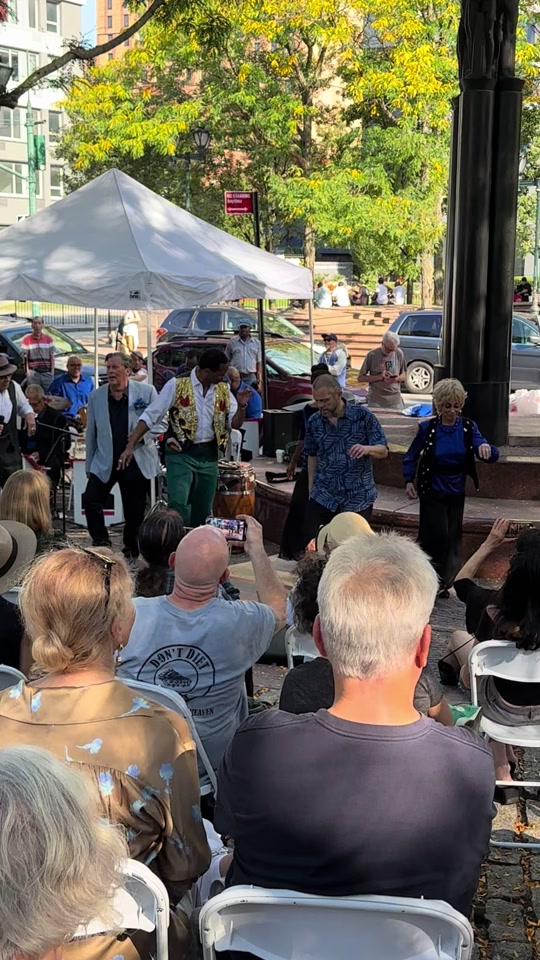
Duke Ellington Statue things to do, attractions, restaurants, events info and trip planning

Basic Info
Duke Ellington Statue
Duke Ellington Circle, New York, NY 10029
4.5(186)
Open until 1:00 AM
Save
spot
spot
Ratings & Description
Info
Cultural
Scenic
attractions: The Africa Center, East 110th Street Playground, Bernard Family Playground, Harlem Meer, Church of St Edward the Martyr, Conservatory Garden, Gate of the Exonerated, Harlem Meer, Museum of the City of New York, Graffiti Hall of Fame, restaurants: Shun Cheong, K-Street Food 5th ave, Fifth Avenue Deli Mart, Kennedy Fried Chicken, Zaid Gourmet, Metro market place, Steak & Hoagies, Luxury Greens Juice Bar, El Paso Mexican Restaurant Mezcal & Tequila Bar, L&O Deli Grocery, local businesses: DopeHouse Dispensary, The Africa Center, Central Park Organic Deli & Grocery, The Heritage, Sunshine Daycare of East Harlem LLC, Friends Of The Children New York, Ranch Market, Outpost | Heritage House | Manhattan Coliving, Urban Garden Center, Casablanca Meat Market
 Learn more insights from Wanderboat AI.
Phone
(212) 639-9675
Website
centralparknyc.org
Open hoursSee all hours
Sun6 AM - 1 AMOpen
Plan your stay

Pet-friendly Hotels in New York
Find a cozy hotel nearby and make it a full experience.

Affordable Hotels in New York
Find a cozy hotel nearby and make it a full experience.

The Coolest Hotels You Haven't Heard Of (Yet)
Find a cozy hotel nearby and make it a full experience.

Trending Stays Worth the Hype in New York
Find a cozy hotel nearby and make it a full experience.
Reviews
Live events
ARTE MUSEUM: An Immersive Media Art Exhibition
Sun, Feb 8 • 10:00 AM
61 Chelsea Piers, New York, 10011
View details
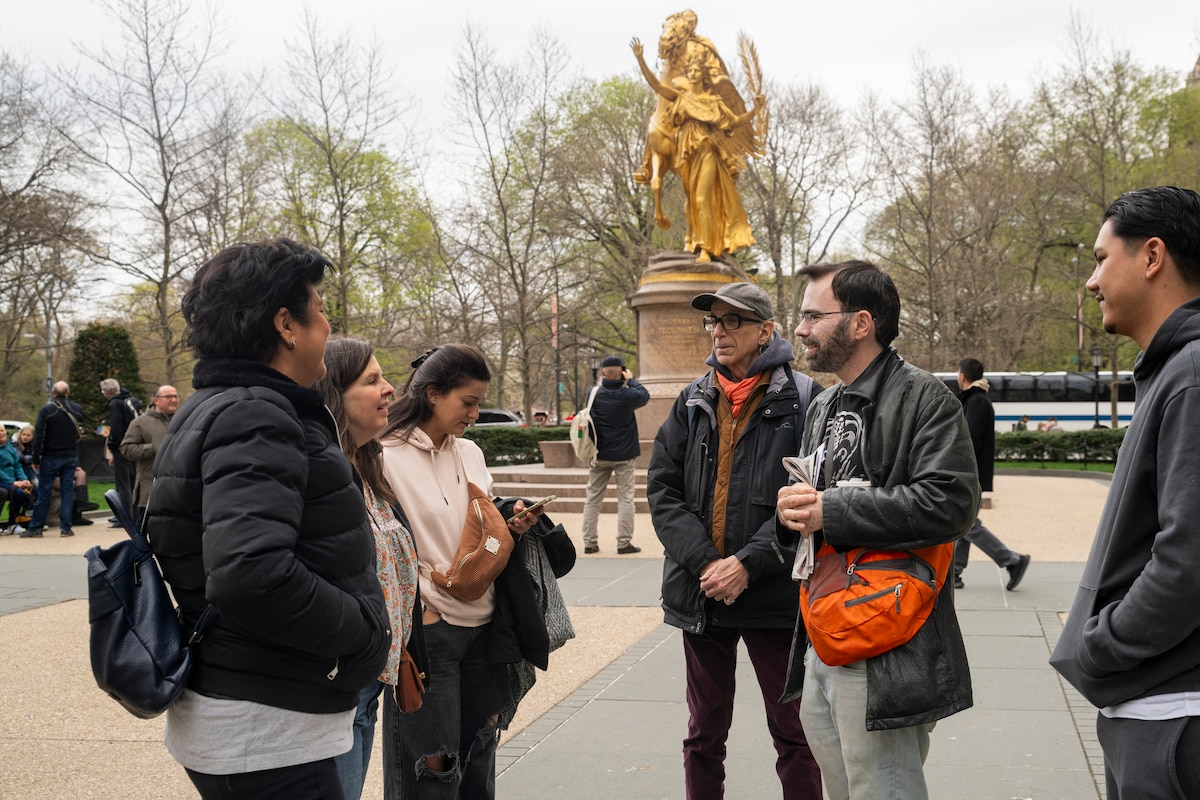
The Full-Day See It All NYC Tour
Sun, Feb 8 • 10:00 AM
New York, New York, 10019
View details
Dopamine Land: A Multisensory Experience
Sun, Feb 8 • 11:00 AM
One Garden State Plaza Pkwy, Paramus, 07652
View details
Nearby attractions of Duke Ellington Statue
The Africa Center
East 110th Street Playground
Bernard Family Playground
Harlem Meer
Church of St Edward the Martyr
Conservatory Garden
Gate of the Exonerated
Harlem Meer
Museum of the City of New York
Graffiti Hall of Fame
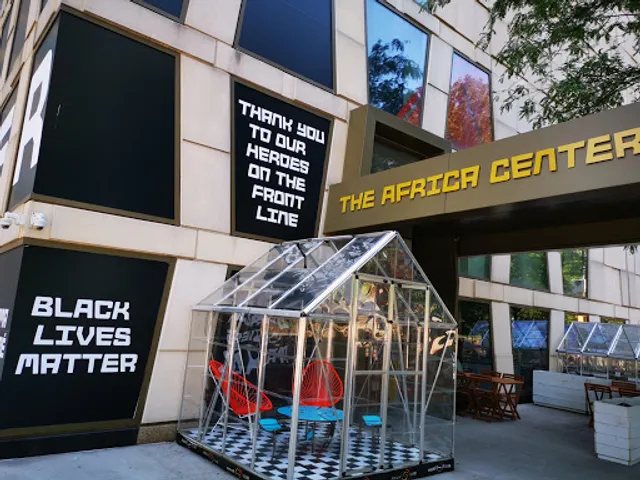
The Africa Center
4.6
(81)
Closed
Click for details
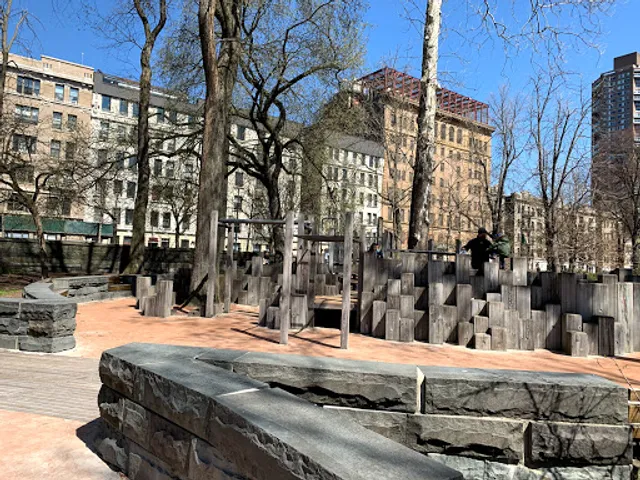
East 110th Street Playground
4.6
(143)
Open until 7:00 PM
Click for details
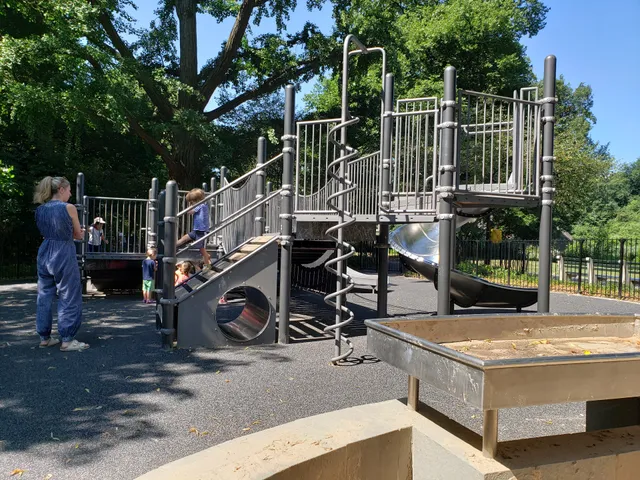
Bernard Family Playground
4.5
(50)
Open 24 hours
Click for details
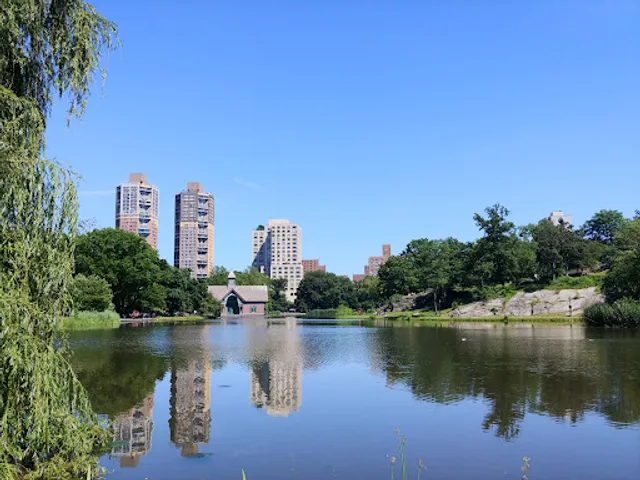
Harlem Meer
4.7
(298)
Open until 1:00 AM
Click for details
Nearby restaurants of Duke Ellington Statue
Shun Cheong
K-Street Food 5th ave
Fifth Avenue Deli Mart
Kennedy Fried Chicken
Zaid Gourmet
Metro market place
Steak & Hoagies
Luxury Greens Juice Bar
El Paso Mexican Restaurant Mezcal & Tequila Bar
L&O Deli Grocery

Shun Cheong
3.8
(96)
$
Closed
Click for details
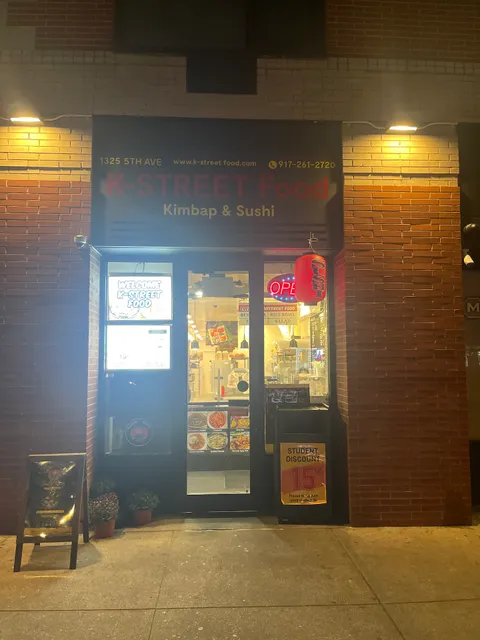
K-Street Food 5th ave
4.9
(50)
$
Closed
Click for details
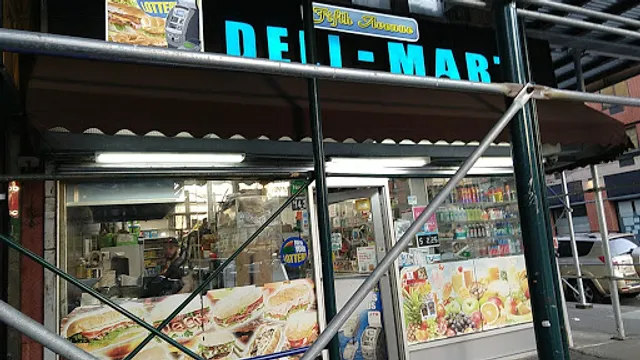
Fifth Avenue Deli Mart
4.3
(25)
Open until 12:00 AM
Click for details
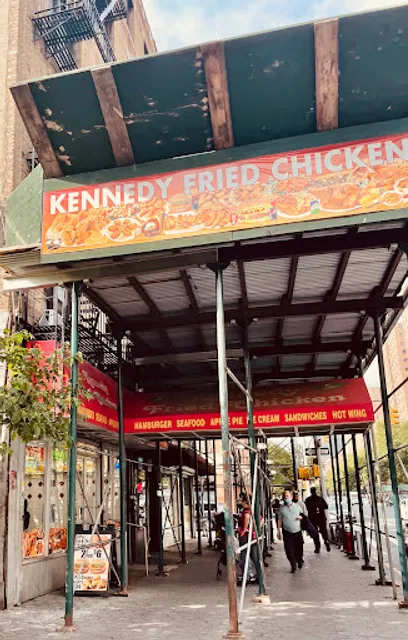
Kennedy Fried Chicken
3.9
(135)
$
Closed
Click for details
Nearby local services of Duke Ellington Statue
DopeHouse Dispensary
The Africa Center
Central Park Organic Deli & Grocery
The Heritage
Sunshine Daycare of East Harlem LLC
Friends Of The Children New York
Ranch Market
Outpost | Heritage House | Manhattan Coliving
Urban Garden Center
Casablanca Meat Market
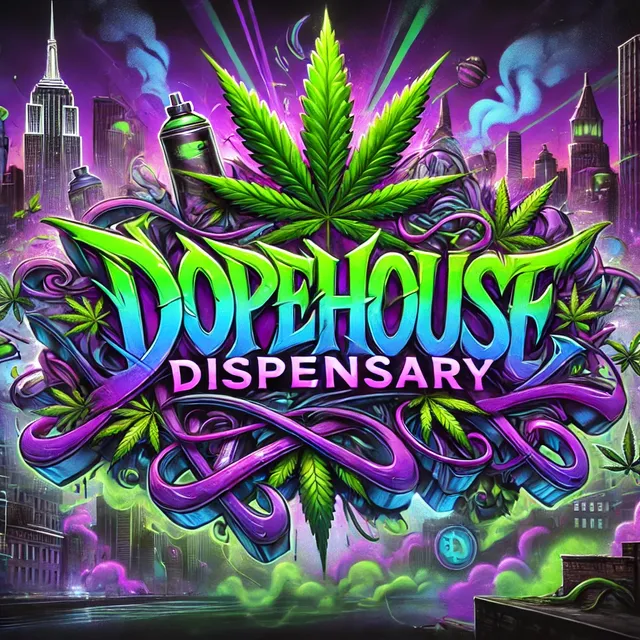
DopeHouse Dispensary
4.4
(95)
Click for details

The Africa Center
4.5
(65)
Click for details
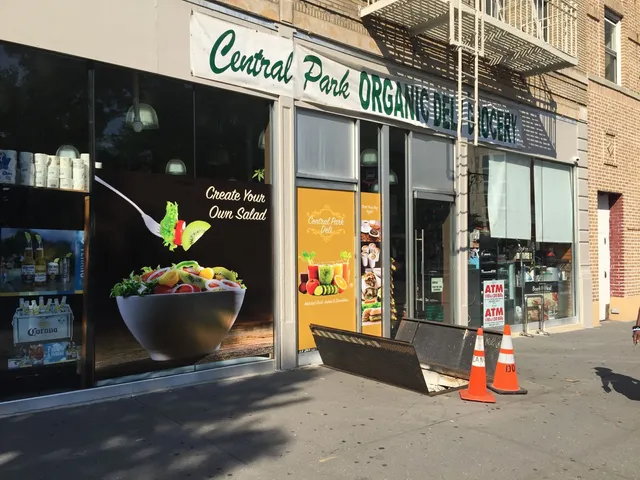
Central Park Organic Deli & Grocery
4.0
(69)
Click for details
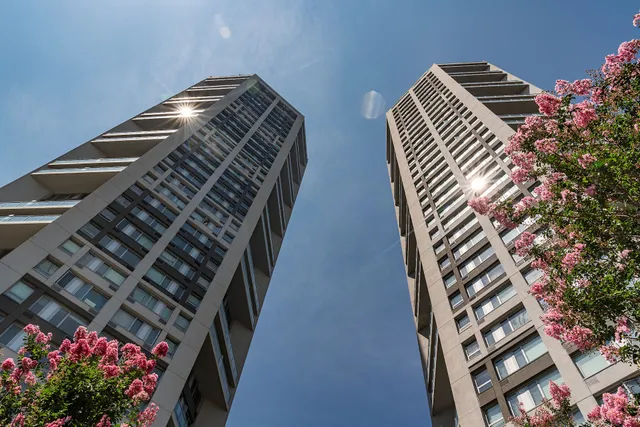
The Heritage
3.3
(52)
Click for details