S'edav Va'aki Museum (formerly Pueblo Grande Museum) things to do, attractions, restaurants, events info and trip planning
Basic Info
S'edav Va'aki Museum (formerly Pueblo Grande Museum)
4619 E Washington St, Phoenix, AZ 85034
4.5(572)
Open until 12:00 AM

tickets
Save
spot
spot
Ratings & Description
Info
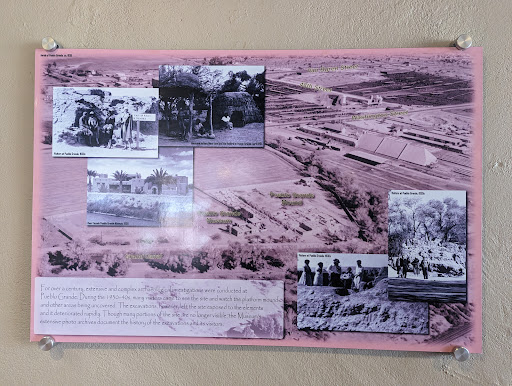
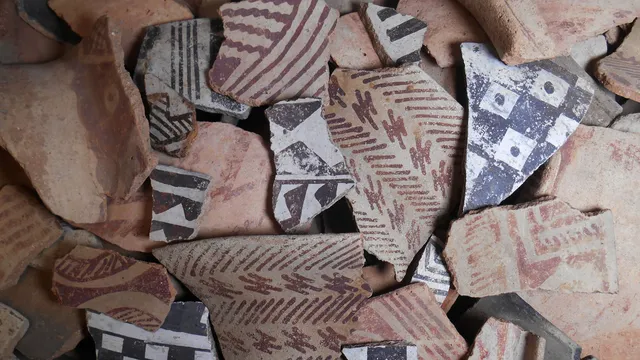
Pueblo Grande Ruin and Irrigation Sites are pre-Columbian archaeological sites and ruins, located in Phoenix, Arizona. They include a prehistoric platform mound and irrigation canals. The City of Phoenix manages these resources as the S’edav Va’aki Museum.
Cultural
Outdoor
Family friendly
Accessibility
attractions: , restaurants: THE POST, W XYZ Bar, The Perch Restaurant & Lounge, BoSa Donuts, Sub Shack AZ, Panera Bread, PHX Eats Cafe, Samurai Sam's, Phx Eats Tacos, Brix Kitchen+Cocktails, local businesses: The Traveling Sista, Living in Phoenix Arizona REALTOR, Global Travel, The Varon Co. Barber Shops, 44th St Sky Train Station, KB Home National Accounting and Purchasing Administration, Saguaro Signature Landscaping
 Learn more insights from Wanderboat AI.
Phone
(602) 495-0901
Website
phoenix.gov
Open hoursSee all hours
Thu9 AM - 8 PMOpen
Plan your stay

Pet-friendly Hotels in Phoenix
Find a cozy hotel nearby and make it a full experience.

Affordable Hotels in Phoenix
Find a cozy hotel nearby and make it a full experience.

The Coolest Hotels You Haven't Heard Of (Yet)
Find a cozy hotel nearby and make it a full experience.

Trending Stays Worth the Hype in Phoenix
Find a cozy hotel nearby and make it a full experience.
Reviews
Live events

Annual Thunderbird Case Conference - The Human Experience Meets AI
Fri, Feb 27 • 8:30 AM
401 North 1st Street Global Forum Phoenix, AZ 85004
View details

Blood Moon Yoga
Mon, Mar 2 • 5:30 PM
5445 East Lincoln Drive Paradise Valley, AZ 85253
View details

Bubble Planet: An Immersive Experience in Arizona Mills
Thu, Feb 26 • 9:00 AM
5000 South Arizona Mills Circle, Tempe, 85282
View details
Nearby restaurants of S'edav Va'aki Museum (formerly Pueblo Grande Museum)
THE POST
W XYZ Bar
The Perch Restaurant & Lounge
BoSa Donuts
Sub Shack AZ
Panera Bread
PHX Eats Cafe
Samurai Sam's
Phx Eats Tacos
Brix Kitchen+Cocktails
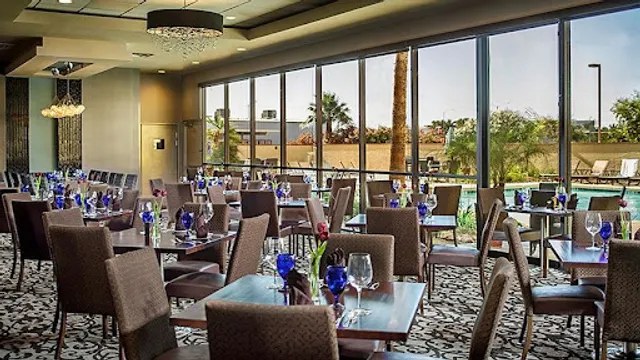
THE POST
4.0
(51)
$$
Open until 11:00 PM
Click for details

W XYZ Bar
4.2
(11)
Open until 12:00 AM
Click for details
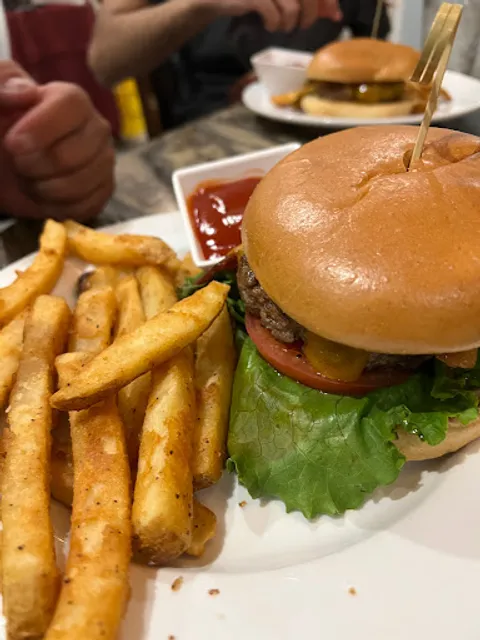
The Perch Restaurant & Lounge
3.8
(33)
$$
Closed
Click for details
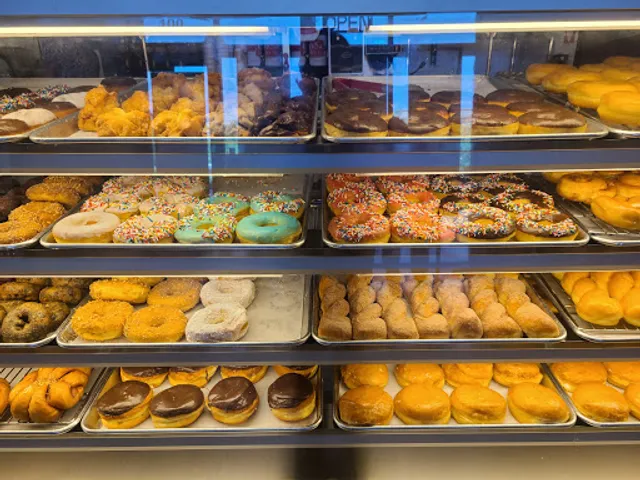
BoSa Donuts
4.2
(99)
$
Open until 6:00 PM
Click for details
Nearby local services of S'edav Va'aki Museum (formerly Pueblo Grande Museum)
The Traveling Sista
Living in Phoenix Arizona REALTOR
Global Travel
The Varon Co. Barber Shops
44th St Sky Train Station
KB Home National Accounting and Purchasing Administration
Saguaro Signature Landscaping

The Traveling Sista
5.0
(31)
Click for details

Living in Phoenix Arizona REALTOR
4.9
(31)
Click for details

Global Travel
4.8
(16)
Click for details

The Varon Co. Barber Shops
4.9
(154)
Click for details