Seattle Capoeira Center things to do, attractions, restaurants, events info and trip planning
Basic Info
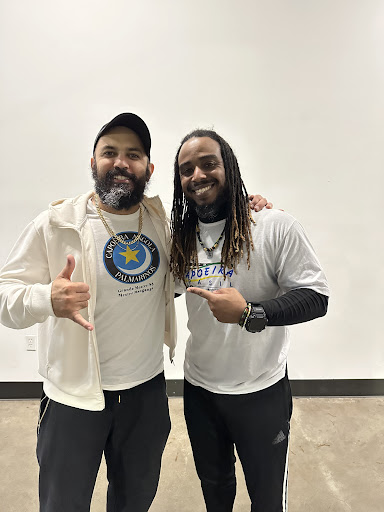
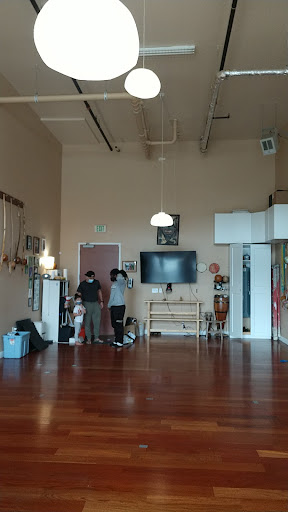
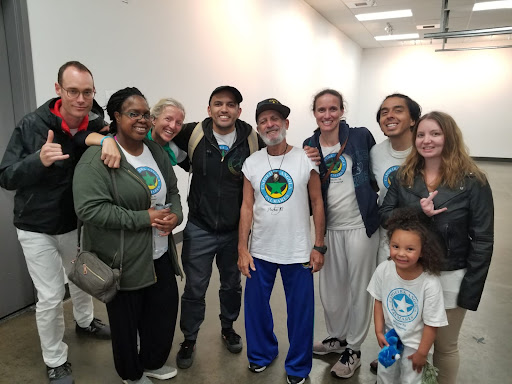
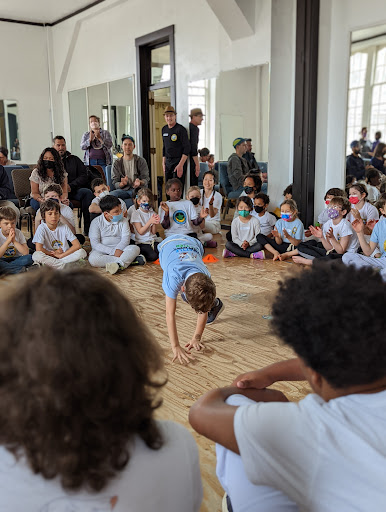
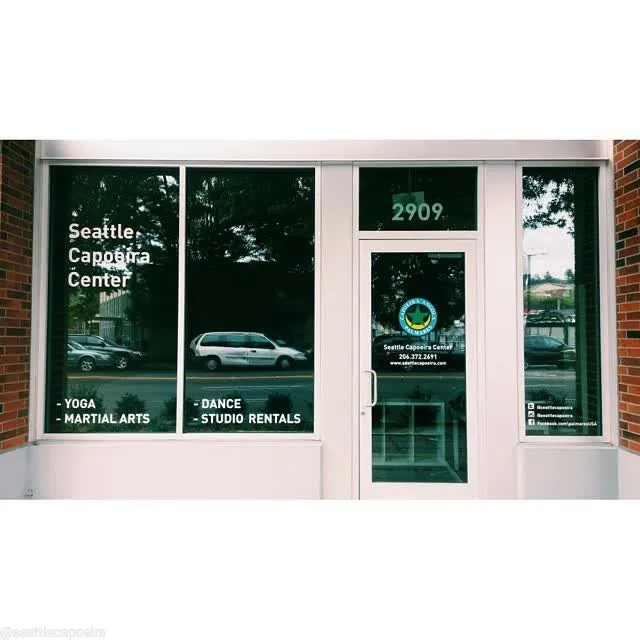
Seattle Capoeira Center
2909 Rainier Ave S, Seattle, WA 98144
5.0(69)
Open until 12:00 AM
Save
spot
spot
Ratings & Description
Info
Cultural
Entertainment
Family friendly
Accessibility
attractions: Artspace Mt. Baker Lofts, Mount Baker Boulevard, Martin Luther King Jr. Memorial Park, Mount Baker Park, York Playground, restaurants: The Original Philly's, Magnolia Pho, Thai Recipe Restaurant, Jewel Cafe, Rain City Hot Dogs & Burgers, Cafe Ibex, El Rinconsito | Seattle, Baked From The Hart, Pho Bac Restaurant, Wendy's, local businesses: Salon 206, Seattle Locksmith Security, Mekong Asian Market, Martin Luther King Jr. Recreational Park, Western Beauty Supply, Legacy Auto Sales LLC, Vitality Pilates Studio, Treehouse, Mount Baker Tennis Courts, Mount Baker Beach
 Learn more insights from Wanderboat AI.
Phone
(206) 494-0287
Website
seattlecapoeiracenter.com
Open hoursSee all hours
FriClosedOpen
Plan your stay

Pet-friendly Hotels in Seattle
Find a cozy hotel nearby and make it a full experience.

Affordable Hotels in Seattle
Find a cozy hotel nearby and make it a full experience.

The Coolest Hotels You Haven't Heard Of (Yet)
Find a cozy hotel nearby and make it a full experience.

Trending Stays Worth the Hype in Seattle
Find a cozy hotel nearby and make it a full experience.
Reviews
Live events

February Salsa & Bachata Special
Fri, Feb 20 • 7:00 PM
12256 134th Court Northeast #STE 160 Redmond, WA 98052
View details

Sound Bath Immersion – Issaquah
Sat, Feb 21 • 7:00 PM
2128 Northwest Shy Bear Way Issaquah, WA 98027
View details

Rhythm & Mimosas, the brunch party!
Sat, Feb 21 • 12:00 PM
1020 Bellevue Way Northeast Bellevue, WA 98004
View details
Nearby attractions of Seattle Capoeira Center
Artspace Mt. Baker Lofts
Mount Baker Boulevard
Martin Luther King Jr. Memorial Park
Mount Baker Park
York Playground
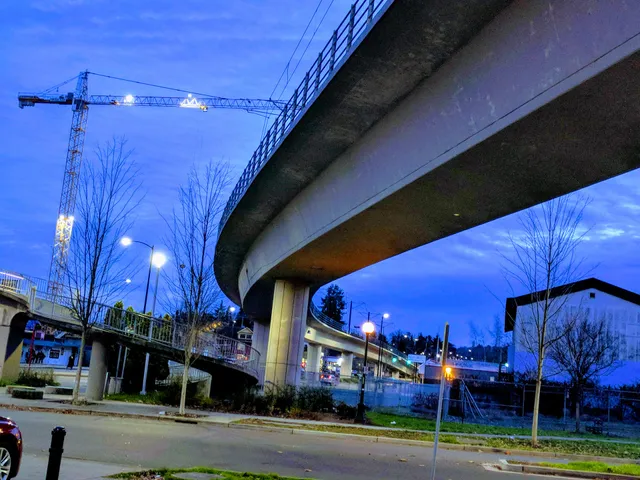
Artspace Mt. Baker Lofts
5.0
(13)
Open until 4:30 PM
Click for details
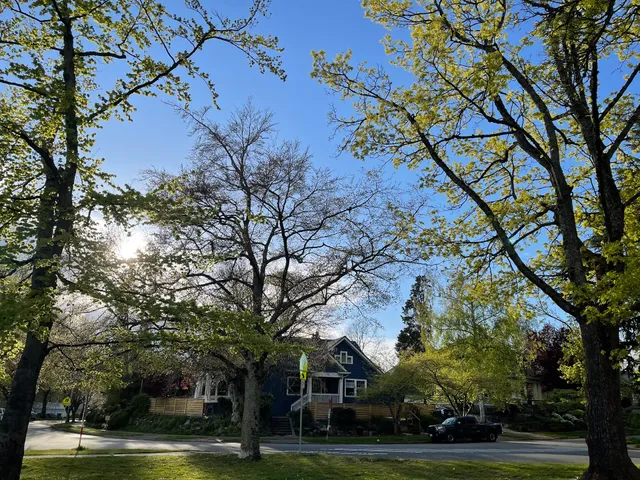
Mount Baker Boulevard
4.8
(15)
Open until 12:00 AM
Click for details
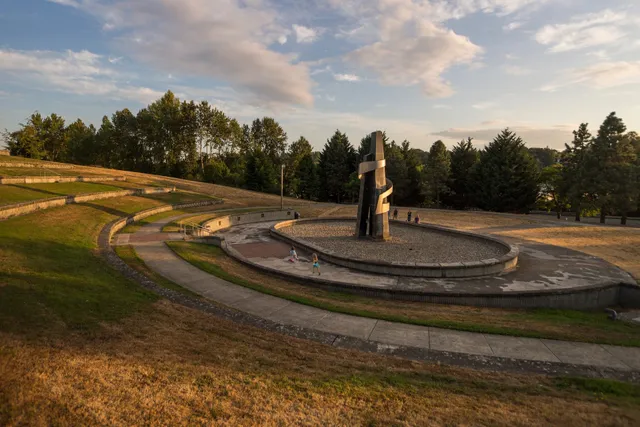
Martin Luther King Jr. Memorial Park
4.5
(72)
Open until 11:30 PM
Click for details
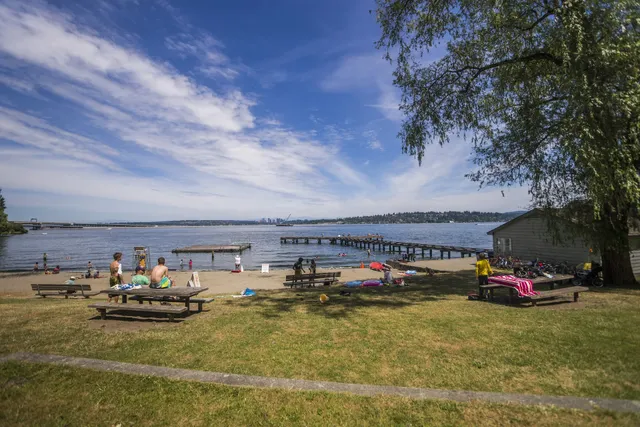
Mount Baker Park
4.5
(185)
Open until 10:00 PM
Click for details
Nearby restaurants of Seattle Capoeira Center
The Original Philly's
Magnolia Pho
Thai Recipe Restaurant
Jewel Cafe
Rain City Hot Dogs & Burgers
Cafe Ibex
El Rinconsito | Seattle
Baked From The Hart
Pho Bac Restaurant
Wendy's
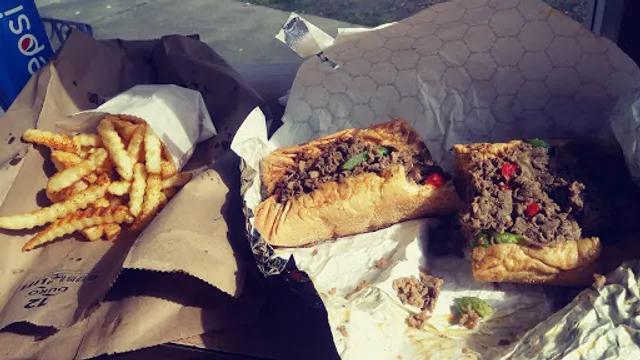
The Original Philly's
4.3
(677)
$
Open until 7:00 PM
Click for details
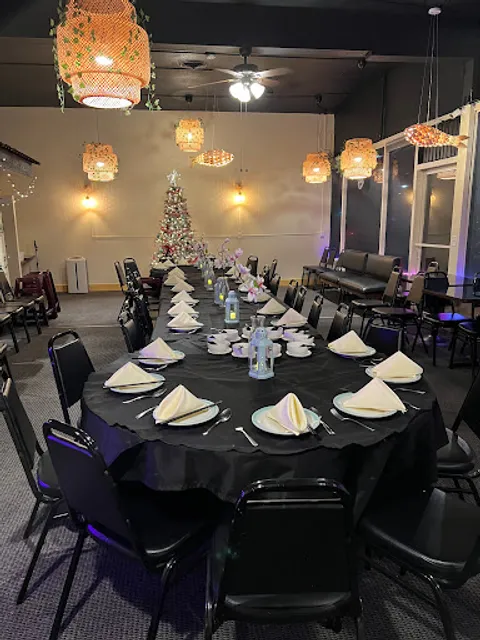
Magnolia Pho
4.9
(355)
$
Open until 12:00 AM
Click for details
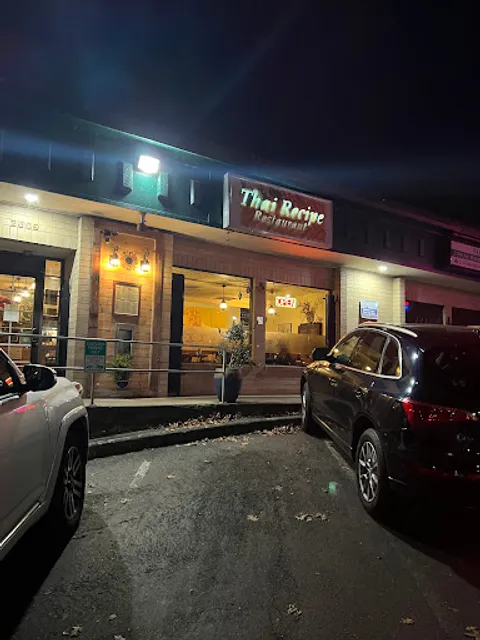
Thai Recipe Restaurant
4.4
(222)
$
Open until 9:00 PM
Click for details
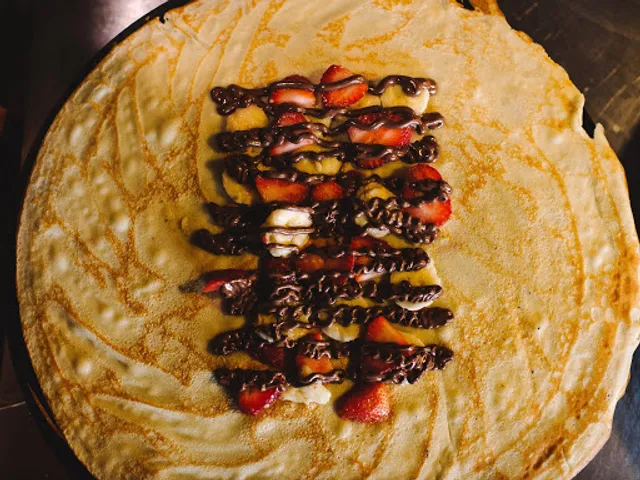
Jewel Cafe
3.9
(41)
$
Closed
Click for details
Nearby local services of Seattle Capoeira Center
Salon 206
Seattle Locksmith Security
Mekong Asian Market
Martin Luther King Jr. Recreational Park
Western Beauty Supply
Legacy Auto Sales LLC
Vitality Pilates Studio
Treehouse
Mount Baker Tennis Courts
Mount Baker Beach
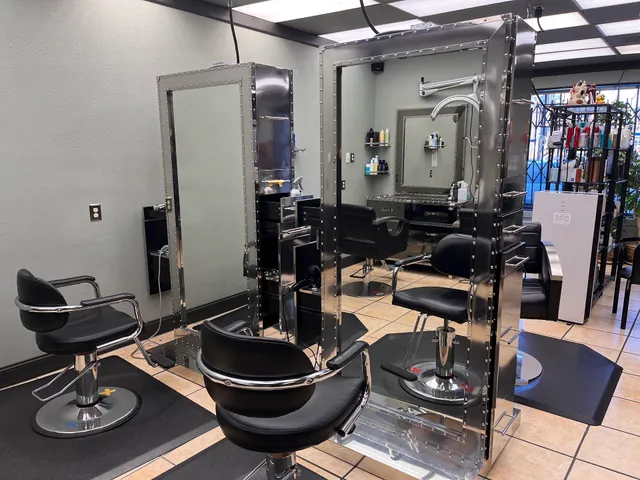
Salon 206
4.7
(80)
Click for details
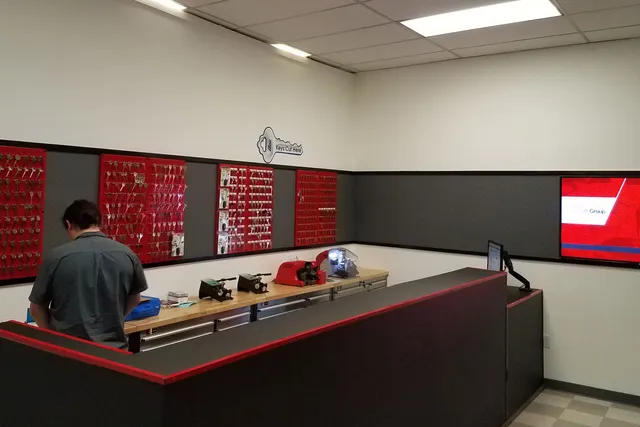
Seattle Locksmith Security
4.8
(401)
Click for details
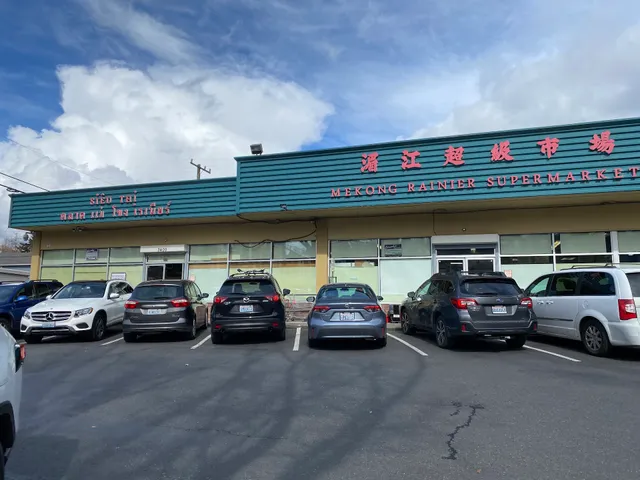
Mekong Asian Market
4.3
(281)
Click for details
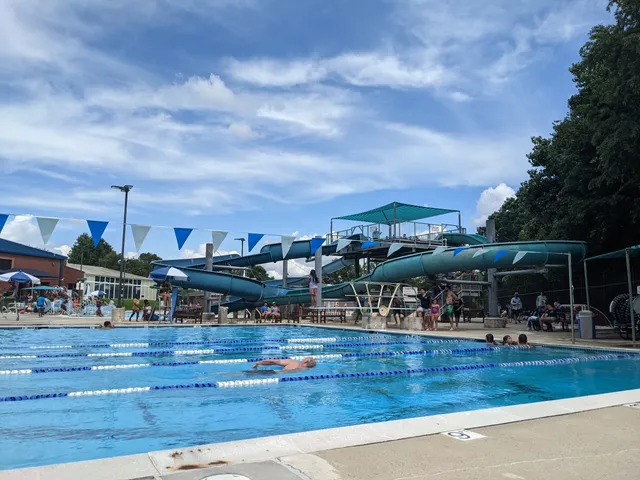
Martin Luther King Jr. Recreational Park
4.6
(354)
Click for details