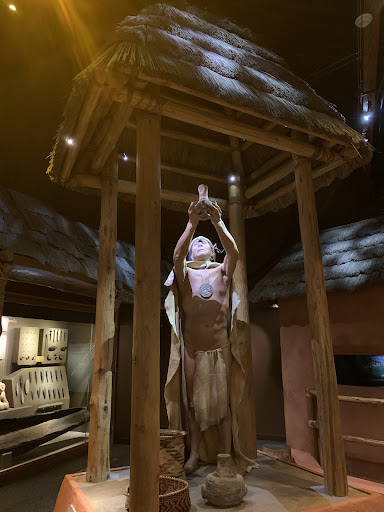
Museum of the Cherokee People things to do, attractions, restaurants, events info and trip planning
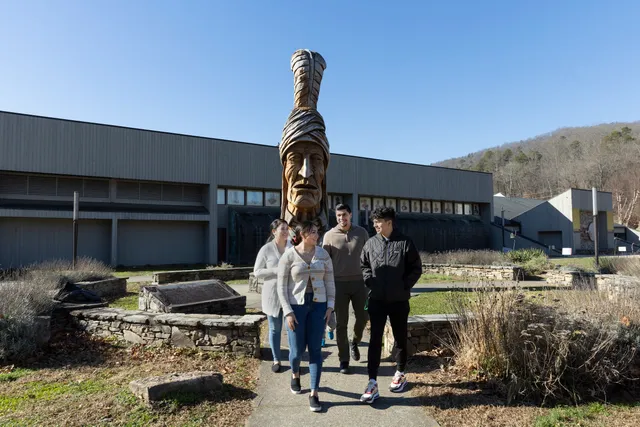
Basic Info
Museum of the Cherokee People
589 Tsali Blvd, Cherokee, NC 28719
4.6(2.4K)
Open until 12:00 AM


tickets
Save
spot
spot
Ratings & Description
Info
The Museum of the Cherokee Indian is a 5013 nonprofit cultural arts and history museum, educational center, and archive founded in 1948, and located in Cherokee, North Carolina. The museum provides permanent exhibitions, an artifact collection, workshops, educational programs, and a museum store.
Cultural
Family friendly
Accessibility
attractions: Unto These Hills Ticket Office, Unto These Hills, Outdoor Drama, Oconaluftee Island Park, Oconaluftee Indian Village, Fire Mountain Trails - Bike Trail Head, Cherokee Talking Trees Trout Derby, Cherokee North Carolina, Cherokee Skate Park, Cherokee NC, Cherokee Indian Reservation, restaurants: Sugarbear's Ice-cream and Coffee, BJ's Diner, Fresh Burger, Paul's Family Restaurant, All Fried Up, Kobe Express, Front Porch Cakery & Deli, Dairy Queen, local businesses: Cherokee Indian Fair Grounds, Medicine Man Craft Shop, Cherokee Rose, Ravenhawk Gifts & Collectibles, Southwest Store, Owl Cage, Twisted Sister, Cherokee Fitness Complex, Ric Youngblood's Smoke Shop 2, Moccasinsdirect.com DBA Indian Summer Souvenirs
 Learn more insights from Wanderboat AI.
Phone
(828) 497-3481
Website
motcp.org
Open hoursSee all hours
WedClosedOpen
Plan your stay

Pet-friendly Hotels in Yellowhill Community
Find a cozy hotel nearby and make it a full experience.

Affordable Hotels in Yellowhill Community
Find a cozy hotel nearby and make it a full experience.

The Coolest Hotels You Haven't Heard Of (Yet)
Find a cozy hotel nearby and make it a full experience.

Trending Stays Worth the Hype in Yellowhill Community
Find a cozy hotel nearby and make it a full experience.
Reviews
Live events
Guided Waterfalls Hike in the Smokies
Wed, Jan 28 • 8:30 AM
Bryson City, North Carolina, 28713
View details

Bed Bug Training | How to Identify, Avoid, and Treat Bed Bugs
Wed, Jan 28 • 1:00 PM
43 John Crowe Hill Dr, Cherokee, NC, United States, North Carolina 28719
View details

Garden Life Series: Botany (Class 2 of 8)
Thu, Jan 29 • 10:30 AM
876 Skyland Drive Room 105, Sylva, NC 28779
View details
Nearby attractions of Museum of the Cherokee People
Unto These Hills Ticket Office
Unto These Hills, Outdoor Drama
Oconaluftee Island Park
Oconaluftee Indian Village
Fire Mountain Trails - Bike Trail Head
Cherokee Talking Trees Trout Derby
Cherokee North Carolina
Cherokee Skate Park
Cherokee NC
Cherokee Indian Reservation
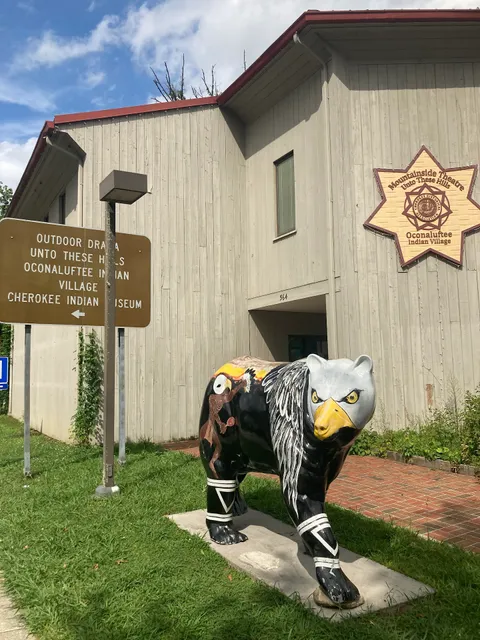
Unto These Hills Ticket Office
4.3
(71)
Open 24 hours
Click for details
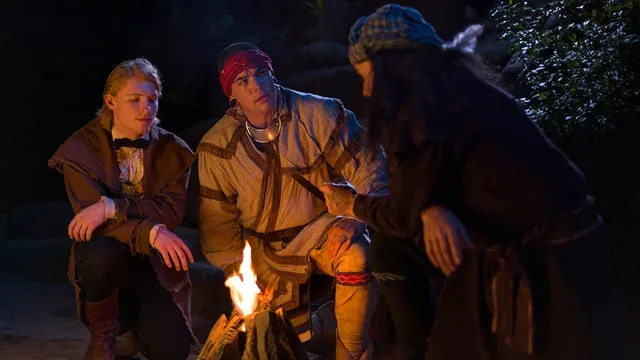
Unto These Hills, Outdoor Drama
4.7
(426)
Open 24 hours
Click for details
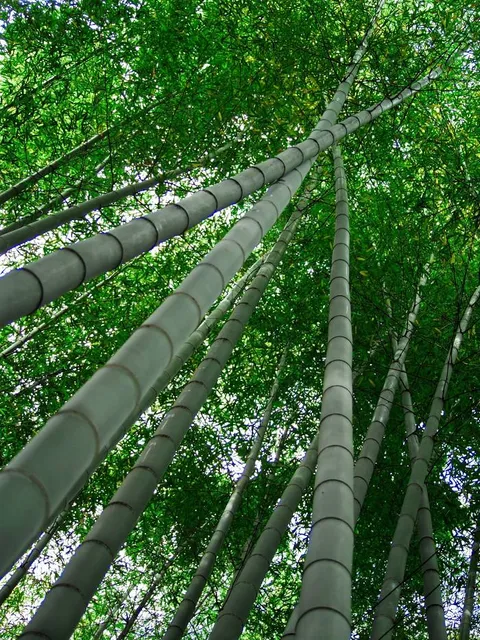
Oconaluftee Island Park
4.8
(1.8K)
Open until 12:00 AM
Click for details
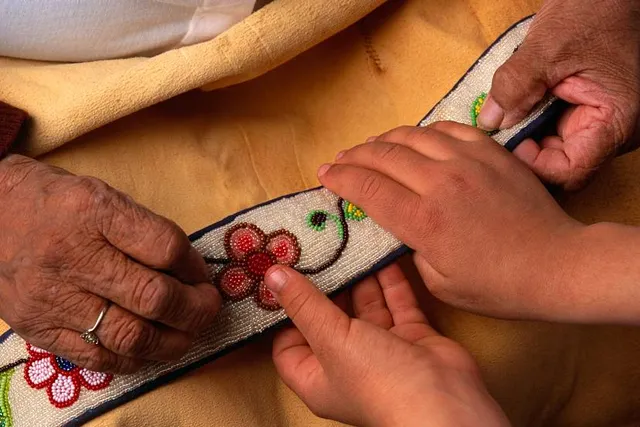
Oconaluftee Indian Village
4.6
(877)
Open 24 hours
Click for details
Nearby restaurants of Museum of the Cherokee People
Sugarbear's Ice-cream and Coffee
BJ's Diner
Fresh Burger
Paul's Family Restaurant
All Fried Up
Kobe Express
Front Porch Cakery & Deli
Dairy Queen
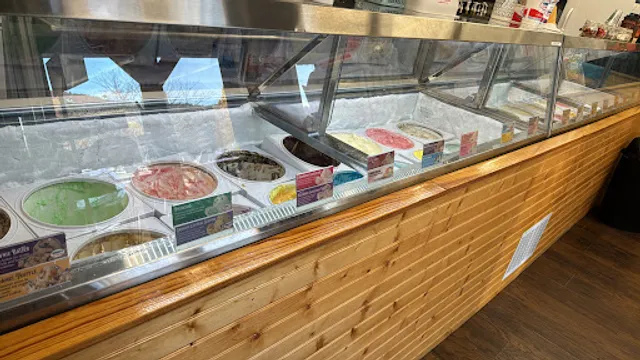
Sugarbear's Ice-cream and Coffee
4.7
(60)
Open until 12:00 AM
Click for details
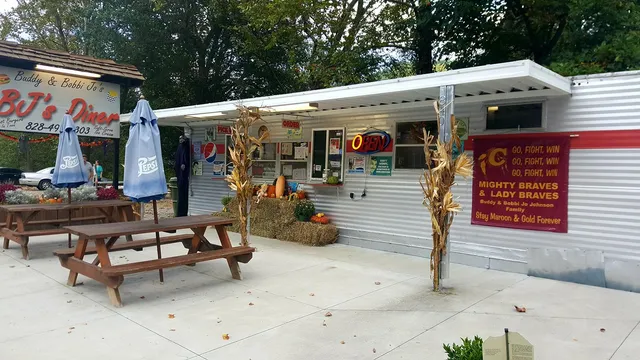
BJ's Diner
4.6
(390)
$
Closed
Click for details
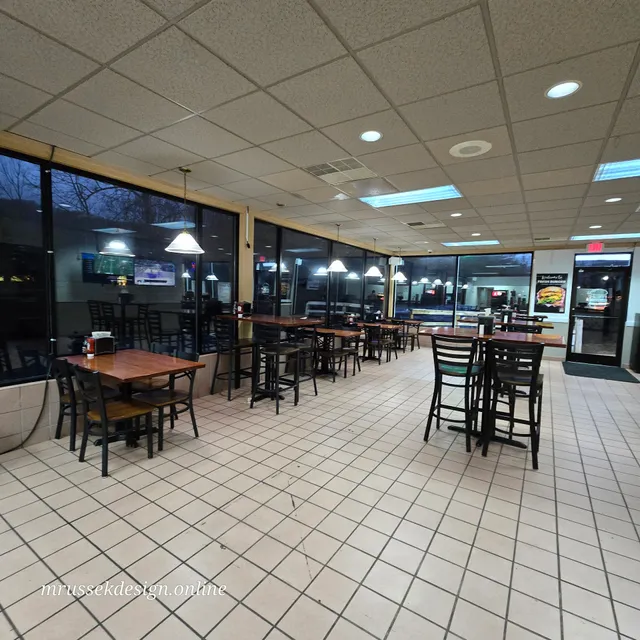
Fresh Burger
4.7
(254)
$
Closed
Click for details
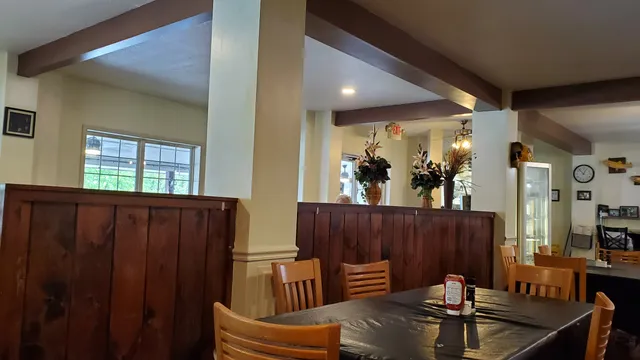
Paul's Family Restaurant
3.2
(1.9K)
$
Closed
Click for details
Nearby local services of Museum of the Cherokee People
Cherokee Indian Fair Grounds
Medicine Man Craft Shop
Cherokee Rose
Ravenhawk Gifts & Collectibles
Southwest Store
Owl Cage
Twisted Sister
Cherokee Fitness Complex
Ric Youngblood's Smoke Shop 2
Moccasinsdirect.com DBA Indian Summer Souvenirs
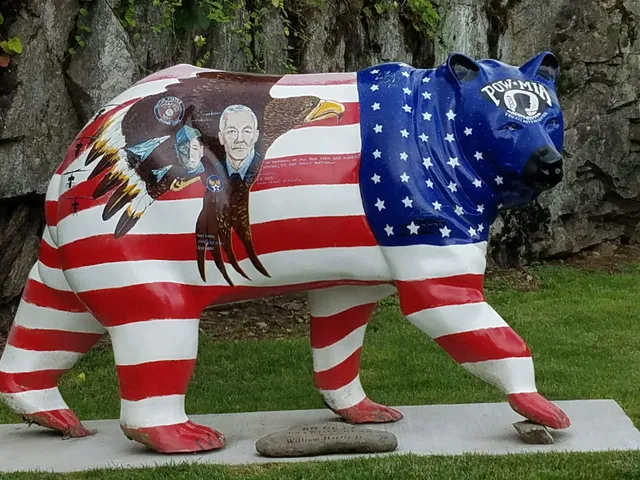
Cherokee Indian Fair Grounds
4.5
(259)
Click for details
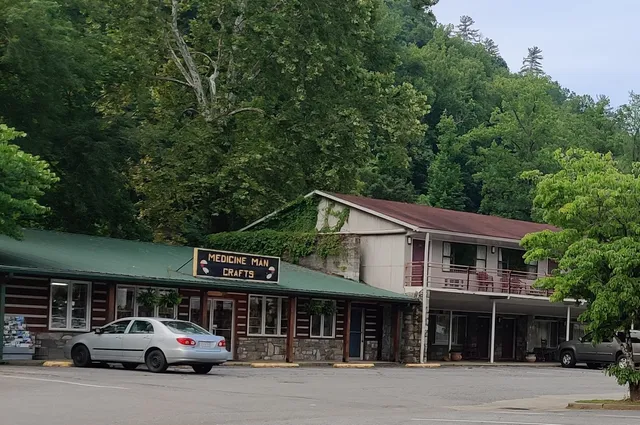
Medicine Man Craft Shop
4.6
(234)
Click for details
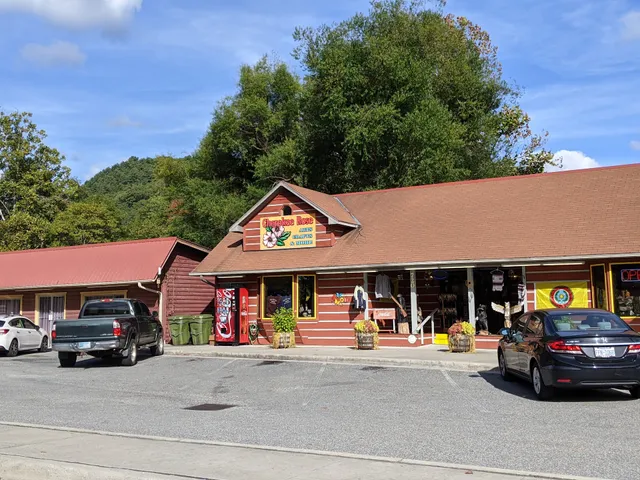
Cherokee Rose
4.6
(160)
Click for details
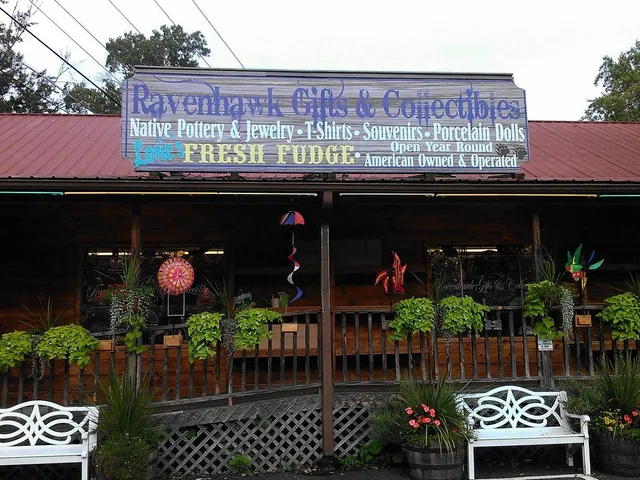
Ravenhawk Gifts & Collectibles
4.1
(50)
Click for details