Hanoi Opera House things to do, attractions, restaurants, events info and trip planning
Basic Info
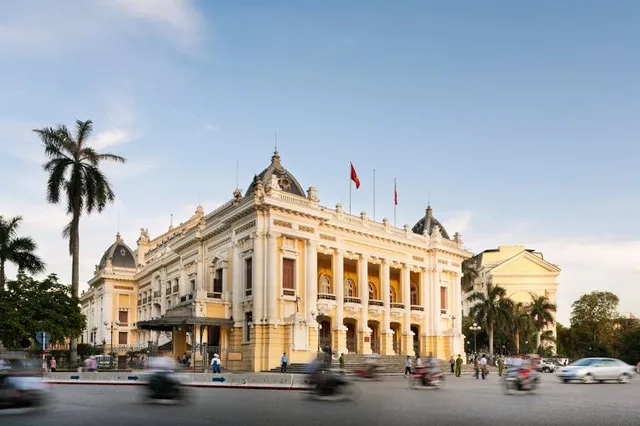
Hanoi Opera House
1 Tràng Tiền, Phan Chu Trinh, Hoàn Kiếm, Hà Nội, Vietnam
4.6(8.2K)
Open 24 hours


tickets
Save
spot
spot
Ratings & Description
Info
The Hanoi Opera House, or the Grand Opera House is an opera house in central Hanoi, Vietnam. It was erected by the French colonial administration between 1901 and 1911.
Cultural
Accessibility
attractions: Square of August Revolution, Vietnam National Museum of History, Geology Museum, Vườn hoa Con Cóc, Tao Dan flower garden, Dong Phong Art Gallery, Vietnamese Women's Museum, Vietnamese Women's Museum, Hoàn Kiếm Lake, Ceramic mosaic mural road, restaurants: El Gaucho Tràng Tiền, El Gaucho Tràng Tiền, Shamoji Robata Yaki, La Table Hanoia (Press Club), Trang Tien Ice cream, San Fu Lou Restaurant Phan Chu Trinh, Pizza 4P’s Tràng Tiền, Luk Lak Vietnamese Restaurant, Paris Deli, Pane e Vino Italian Restaurant & Wine Shop - Opera House, local businesses: Ăn Vặt Mẹ Sữa, Ly Thai To Garden, Zen Villas - Traditional Massage, Trang Tien Plaza, Vietnam Luxury Golf Tours, Song Thu Art Gallery - Tranh sơn mài, sơn dầu Hà Nội - Lacquer painting, Nhà Hàng Lion City, Turtle Tower, Lotus Water Puppet Theater, Mai Bùi Spa
 Learn more insights from Wanderboat AI.
Phone
+84 24 3933 0113
Website
hanoioperahouse.org.vn
Plan your stay

Pet-friendly Hotels in Hà Nội
Find a cozy hotel nearby and make it a full experience.

Affordable Hotels in Hà Nội
Find a cozy hotel nearby and make it a full experience.

The Coolest Hotels You Haven't Heard Of (Yet)
Find a cozy hotel nearby and make it a full experience.

Trending Stays Worth the Hype in Hà Nội
Find a cozy hotel nearby and make it a full experience.
Reviews
Live events
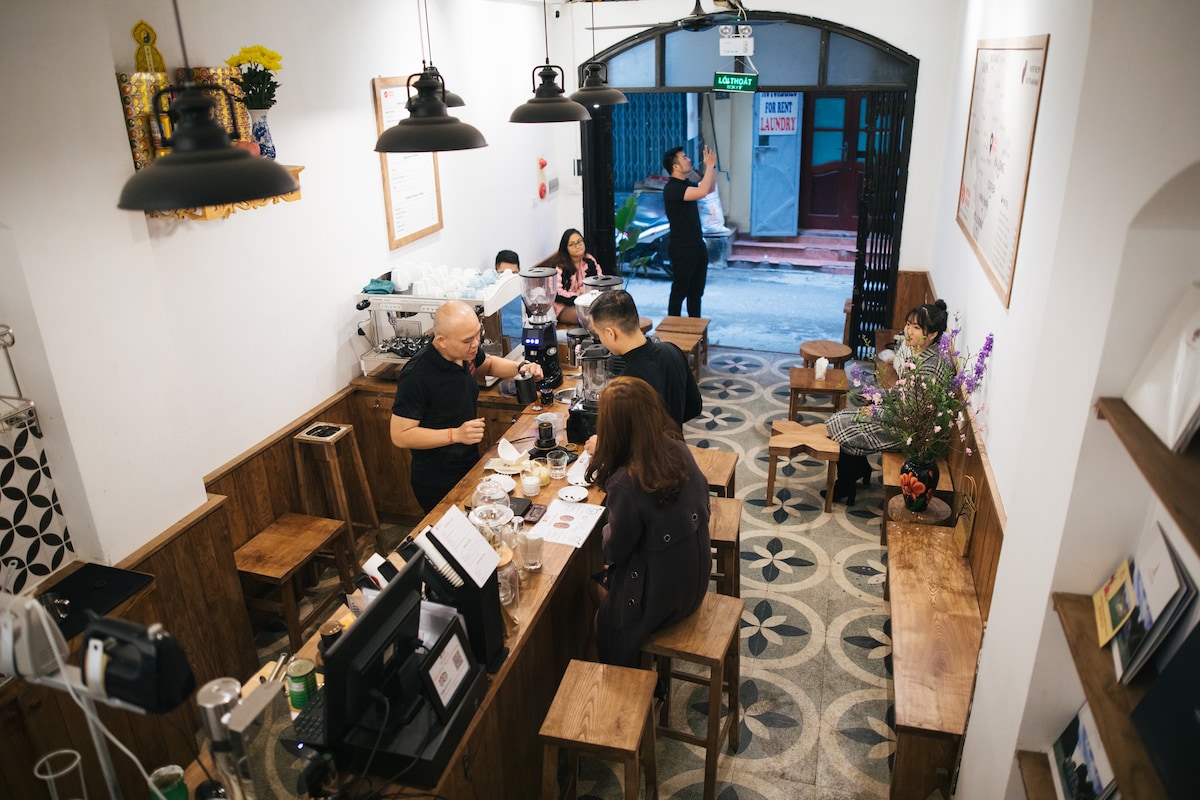
N Y N A Coffee - Egg Coffee/Coconut/Salted Coffee
Mon, Mar 2 • 4:00 PM
Hoàn Kiếm, Hà Nội, Vietnam
View details
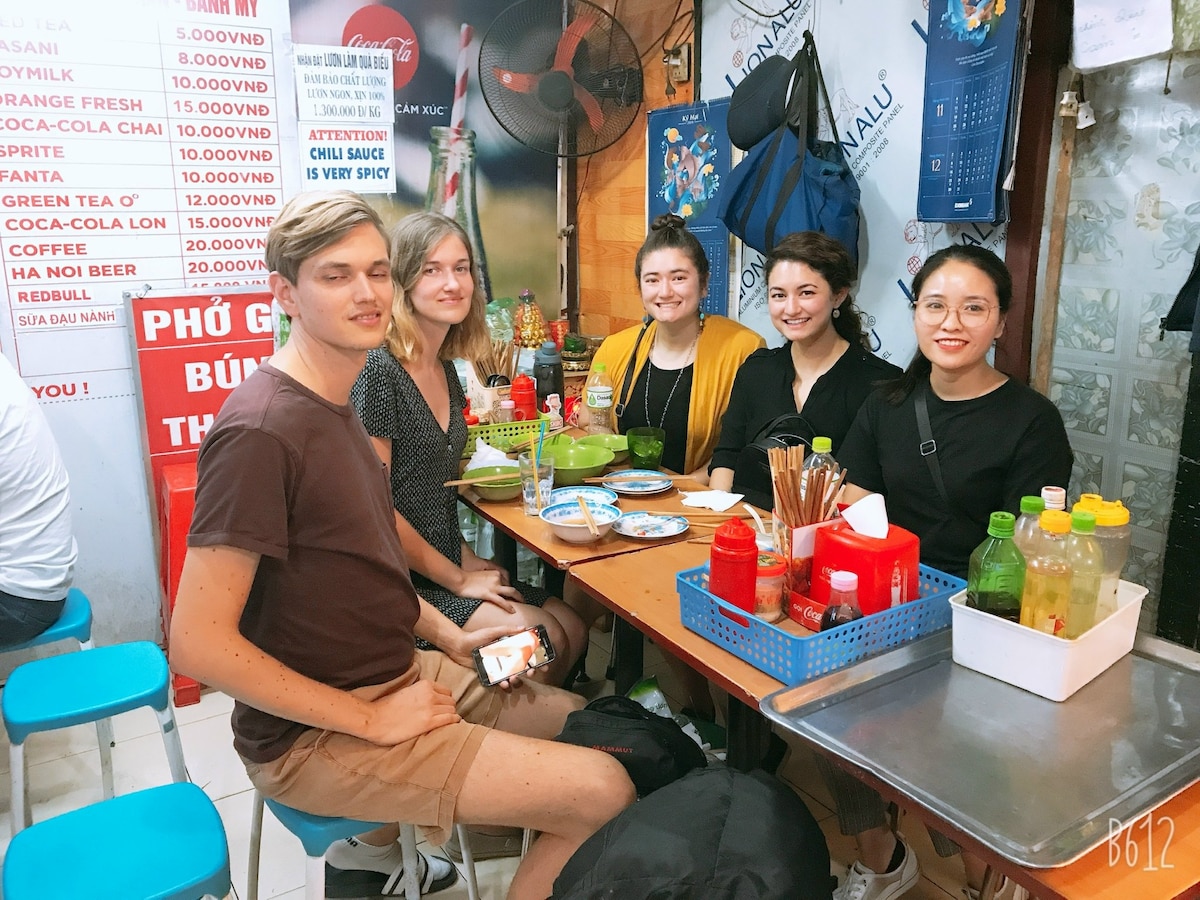
Taste Vietnamese street cuisine with a local
Wed, Feb 25 • 11:00 AM
Hoàn Kiếm, Hanoi, 11400, Vietnam
View details
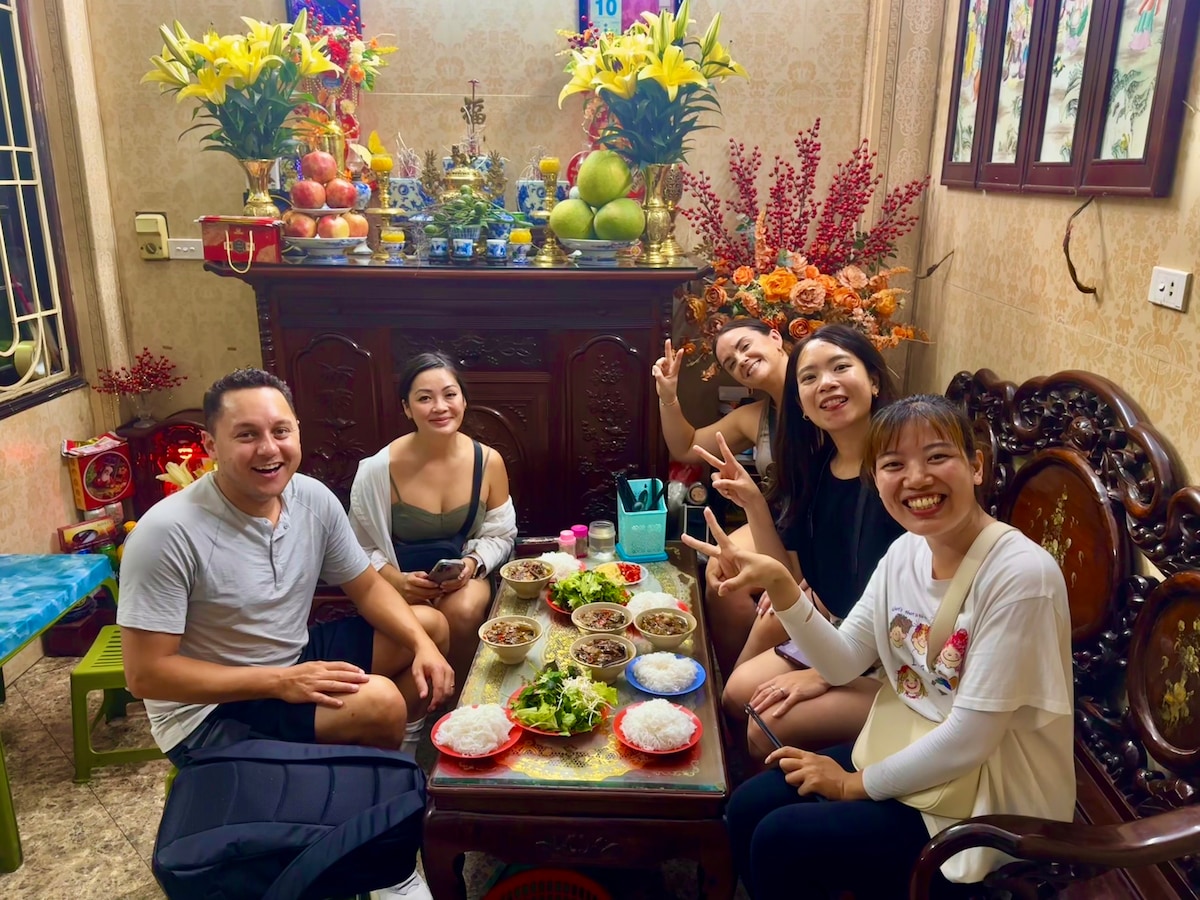
Savor Hanoi - Old Quarter Culinary Adventure
Wed, Feb 25 • 11:00 AM
Hoàn Kiếm, Hà Nội, 10000, Vietnam
View details
Nearby attractions of Hanoi Opera House
Square of August Revolution
Vietnam National Museum of History
Geology Museum
Vườn hoa Con Cóc
Tao Dan flower garden
Dong Phong Art Gallery
Vietnamese Women's Museum
Vietnamese Women's Museum
Hoàn Kiếm Lake
Ceramic mosaic mural road
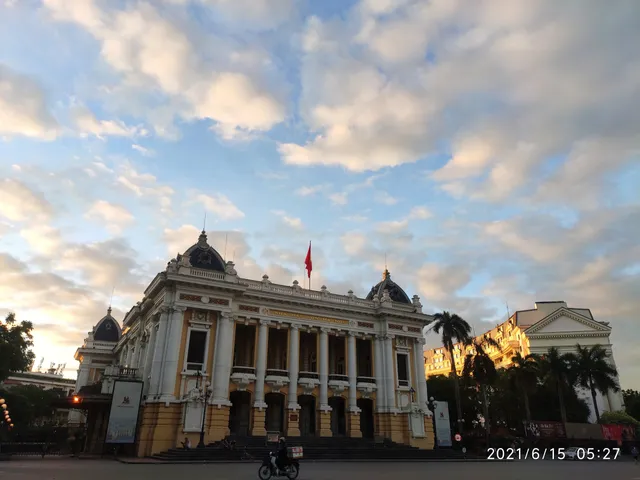
Square of August Revolution
4.6
(132)
Open until 12:00 AM
Click for details
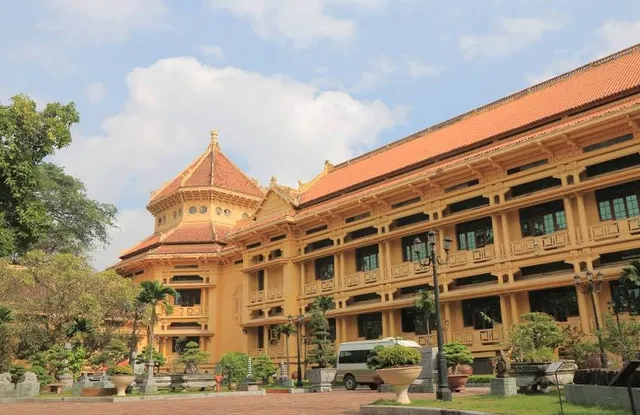
Vietnam National Museum of History
4.3
(1.8K)
Open 24 hours
Click for details
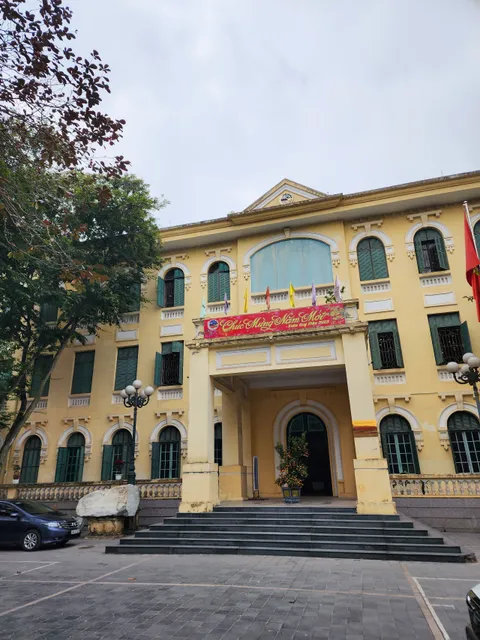
Geology Museum
4.3
(123)
Closed
Click for details
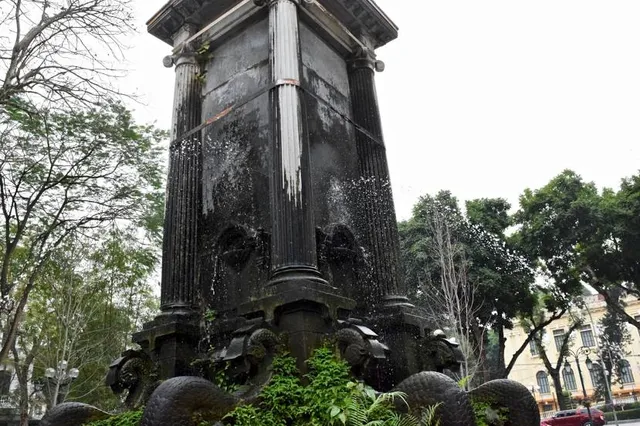
Vườn hoa Con Cóc
4.5
(431)
Open until 12:00 AM
Click for details
Nearby restaurants of Hanoi Opera House
El Gaucho Tràng Tiền
El Gaucho Tràng Tiền
Shamoji Robata Yaki
La Table Hanoia (Press Club)
Trang Tien Ice cream
San Fu Lou Restaurant Phan Chu Trinh
Pizza 4P’s Tràng Tiền
Luk Lak Vietnamese Restaurant
Paris Deli
Pane e Vino Italian Restaurant & Wine Shop - Opera House
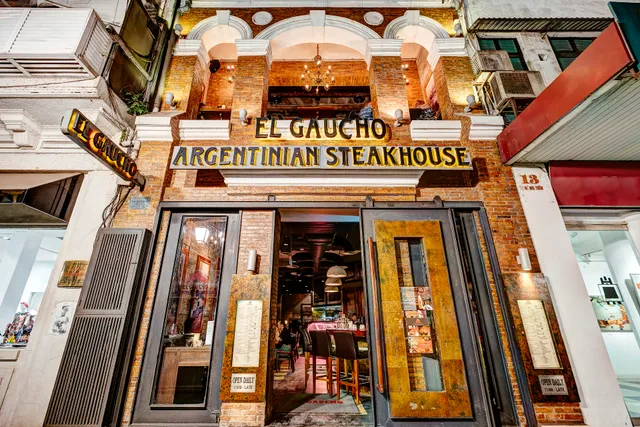
El Gaucho Tràng Tiền
4.5
(684)
Closed
Click for details
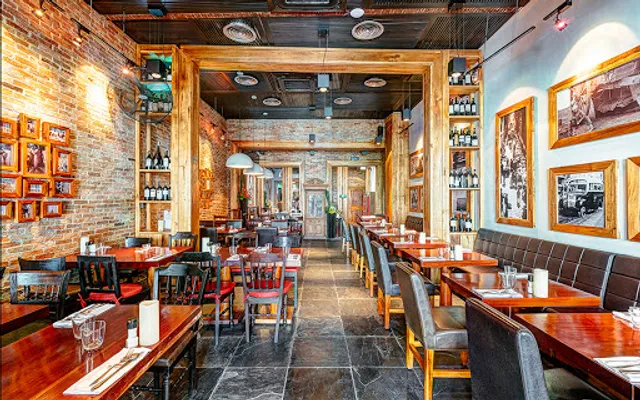
El Gaucho Tràng Tiền
4.5
(675)
Closed
Click for details
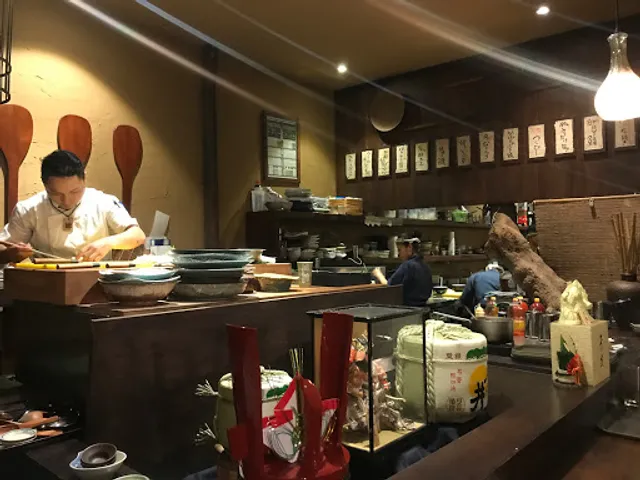
Shamoji Robata Yaki
4.8
(668)
Closed
Click for details
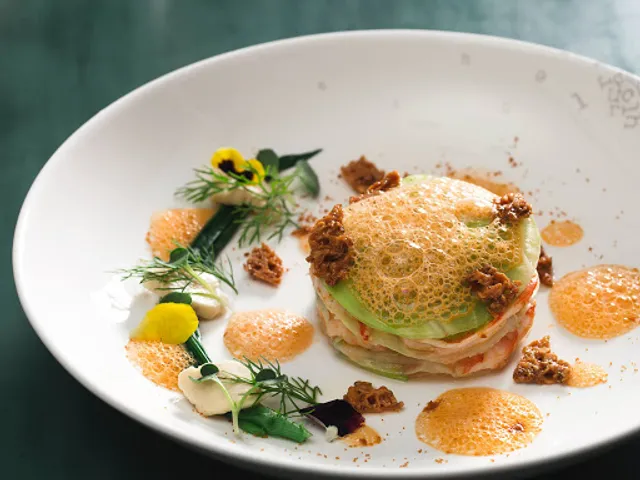
La Table Hanoia (Press Club)
4.4
(534)
Closed
Click for details
Nearby local services of Hanoi Opera House
Ăn Vặt Mẹ Sữa
Ly Thai To Garden
Zen Villas - Traditional Massage
Trang Tien Plaza
Vietnam Luxury Golf Tours
Song Thu Art Gallery - Tranh sơn mài, sơn dầu Hà Nội - Lacquer painting
Nhà Hàng Lion City
Turtle Tower
Lotus Water Puppet Theater
Mai Bùi Spa
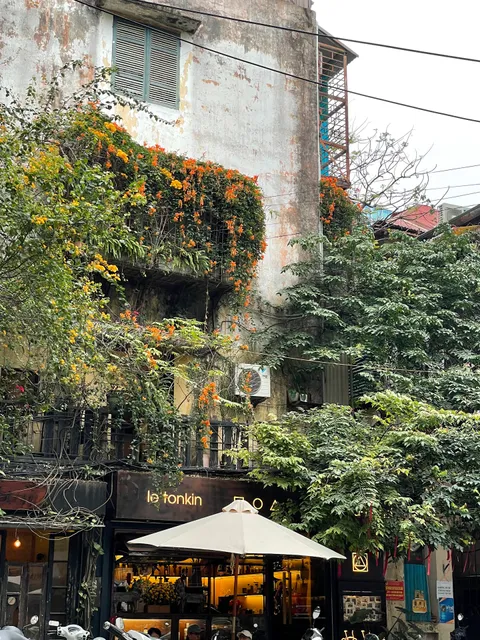
Ăn Vặt Mẹ Sữa
4.3
(29)
Click for details
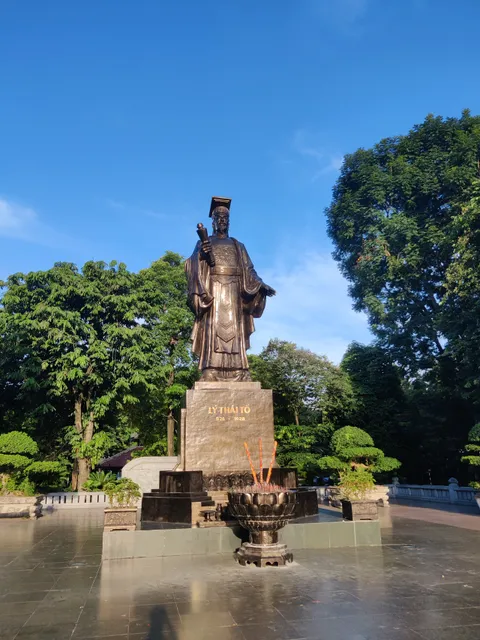
Ly Thai To Garden
4.5
(3.9K)
Click for details
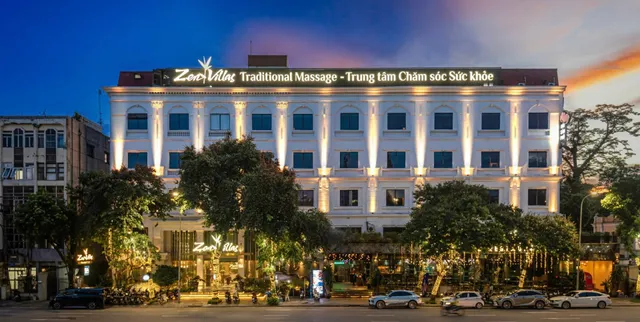
Zen Villas - Traditional Massage
4.8
(388)
Click for details
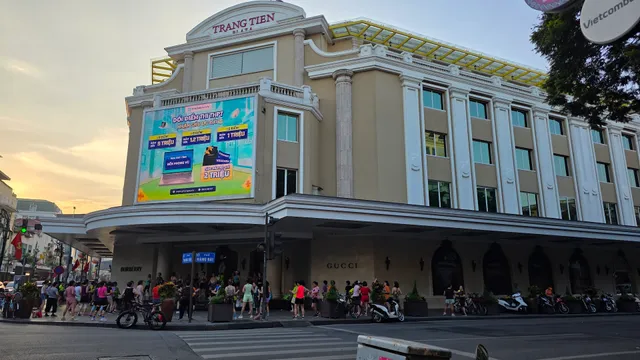
Trang Tien Plaza
4.4
(1.2K)
Click for details