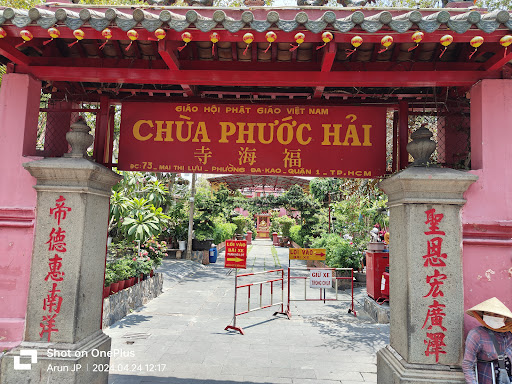
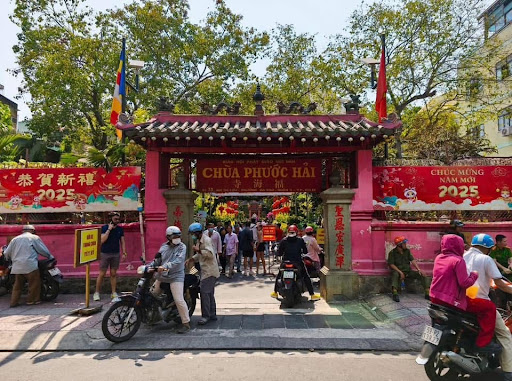
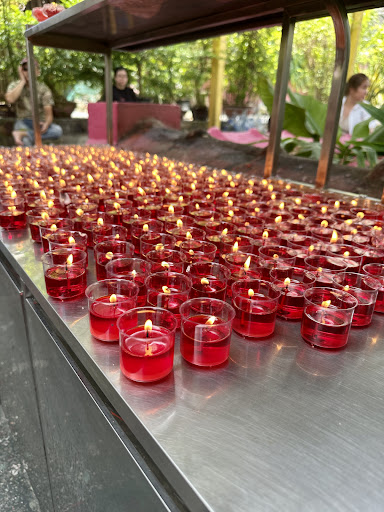
Jade Emperor Pagoda things to do, attractions, restaurants, events info and trip planning

Basic Info
Jade Emperor Pagoda
73 Mai Thị Lựu, Đa Kao, Quận 1, Thành phố Hồ Chí Minh 700000, Vietnam
4.7(813)
Closed
Save
spot
spot
Ratings & Description
Info
The Jade Emperor Pagoda also known as the Phước Hải Tự is a Taoist pagoda located at 73 Mai Thị Lựu Street, District 1, Ho Chi Minh City, Vietnam. It was founded by a Chinese merchant named Liu Daoyuan a Cantonese migrant. It is also known from 1984 by the new Buddhist name Phước Hải Tự.
Cultural
Scenic
Family friendly
attractions: GALERIE QUYNH CONTEMPORARY ART, Le Van Tam Park, Saigon Zoo and Botanical Garden, History Museum of Ho Chi Minh City, Tan Dinh Church, Sài Gòn–Gia Định Special Forces Museum, Ho Chi Minh Campaign Museum, Craig Thomas Gallery, restaurants: Chay Tuệ Nhà Hàng Buffet, McDonald's Đa Kao, Mạch Saigon, Ayam Penyet Vindo - Halal, Popeyes Vòng Xoay Điện Biên Phủ, KFC Nguyễn Văn Giai, Miến Cua 94 Chả Giò Cua Biển, Quán Thuý 94 - Miến Cua, Oromia Coffee & Lounge, Quán kem nhãn Chú Tám, local businesses: Pizza 100, SaigonWalks - Explore Vietnam in your own way., Somerset Ho Chi Minh City, PM Arts & Crafts, Hai An Bookstore, WeWork Lim Tower 3, Nha Khoa Otis - Nha Khoa Uy Tín Quận 1 , chuyên nhổ răng khôn, bọc răng sứ, cạo vôi răng, tẩy trắng răng, niềng răng, Nha Khoa Thái Dương, Saigon Tuktuk Tours - Authentic Street Food & Sightseeing, Nha khoa Ths .Bs. Ngô Tuấn Anh
 Learn more insights from Wanderboat AI.
Open hoursSee all hours
Tue7 AM - 6 PMClosed
Plan your stay

Pet-friendly Hotels in Ho Chi Minh City
Find a cozy hotel nearby and make it a full experience.

Affordable Hotels in Ho Chi Minh City
Find a cozy hotel nearby and make it a full experience.

The Coolest Hotels You Haven't Heard Of (Yet)
Find a cozy hotel nearby and make it a full experience.

Trending Stays Worth the Hype in Ho Chi Minh City
Find a cozy hotel nearby and make it a full experience.
Reviews
Live events
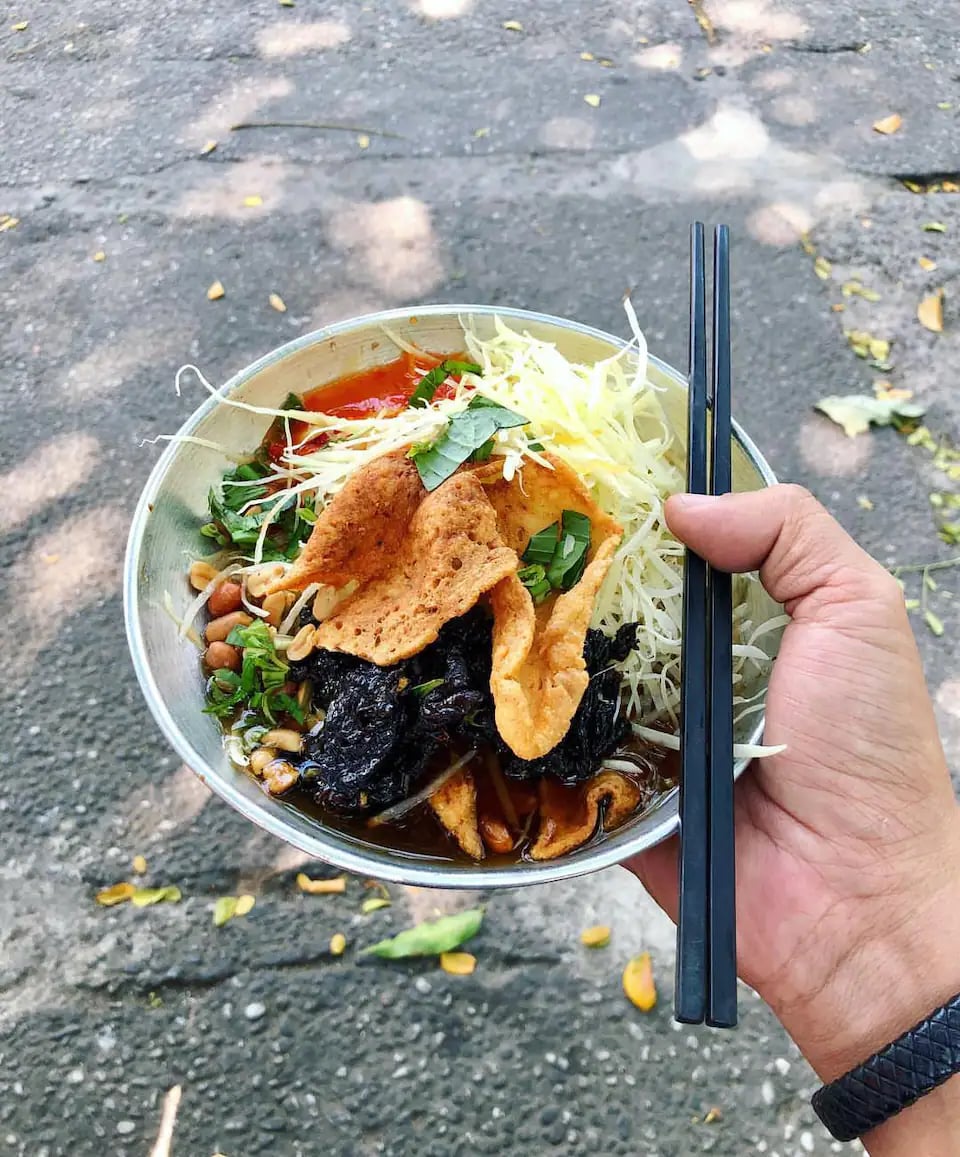
Best Street Food Motorbike Tour in Ho Chi Minh City
Tue, Feb 24 • 5:00 PM
Quận 1, Hồ Chí Minh, 700000, Vietnam
View details

Grandma Noodles, Coffee, Exotic Fruits & History
Wed, Feb 25 • 7:30 AM
Quận 3, Hồ Chí Minh, 722000, Vietnam
View details
Nearby attractions of Jade Emperor Pagoda
GALERIE QUYNH CONTEMPORARY ART
Le Van Tam Park
Saigon Zoo and Botanical Garden
History Museum of Ho Chi Minh City
Tan Dinh Church
Sài Gòn–Gia Định Special Forces Museum
Ho Chi Minh Campaign Museum
Craig Thomas Gallery
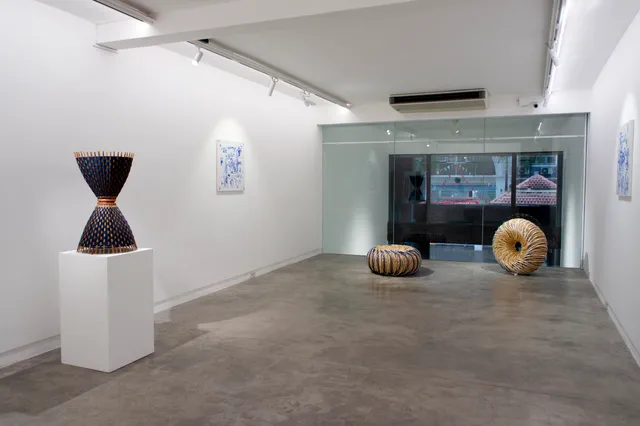
GALERIE QUYNH CONTEMPORARY ART
4.4
(156)
Open until 12:00 AM
Click for details
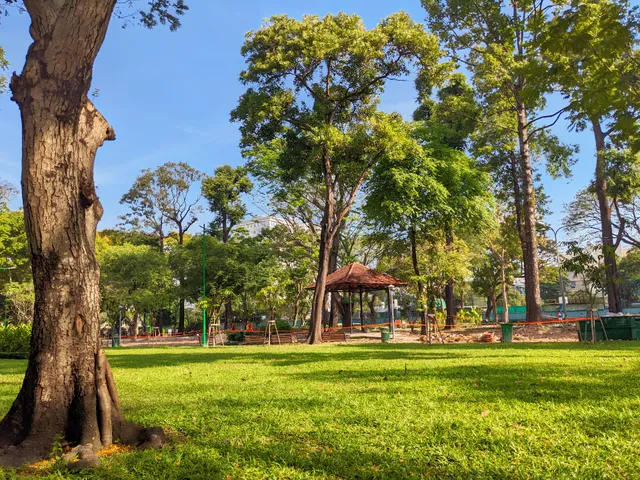
Le Van Tam Park
4.4
(587)
Open 24 hours
Click for details
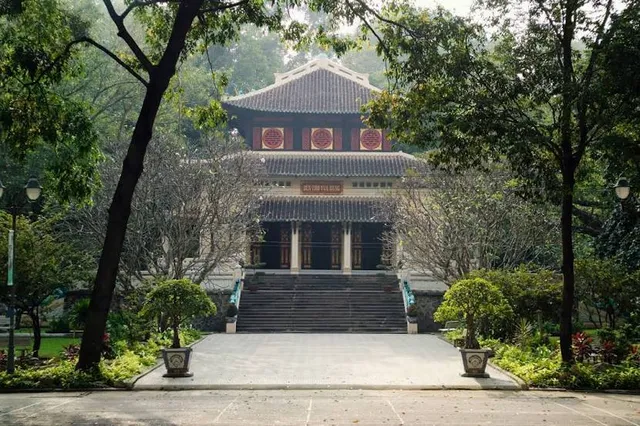
Saigon Zoo and Botanical Garden
4.3
(12.9K)
Closed
Click for details
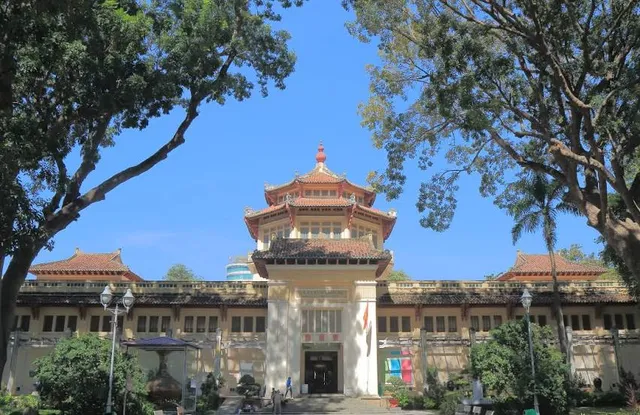
History Museum of Ho Chi Minh City
4.5
(1.9K)
Open until 12:00 AM
Click for details
Nearby restaurants of Jade Emperor Pagoda
Chay Tuệ Nhà Hàng Buffet
McDonald's Đa Kao
Mạch Saigon
Ayam Penyet Vindo - Halal
Popeyes Vòng Xoay Điện Biên Phủ
KFC Nguyễn Văn Giai
Miến Cua 94 Chả Giò Cua Biển
Quán Thuý 94 - Miến Cua
Oromia Coffee & Lounge
Quán kem nhãn Chú Tám
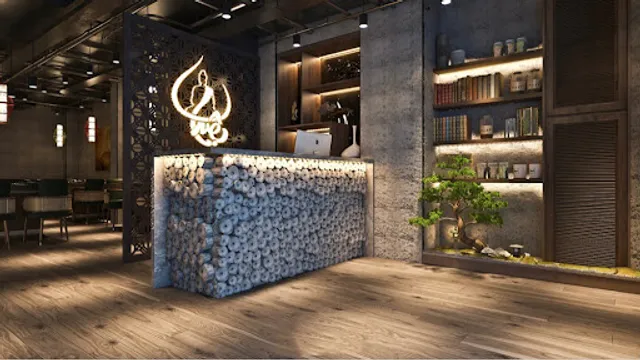
Chay Tuệ Nhà Hàng Buffet
4.8
(1.1K)
Open until 9:30 PM
Click for details
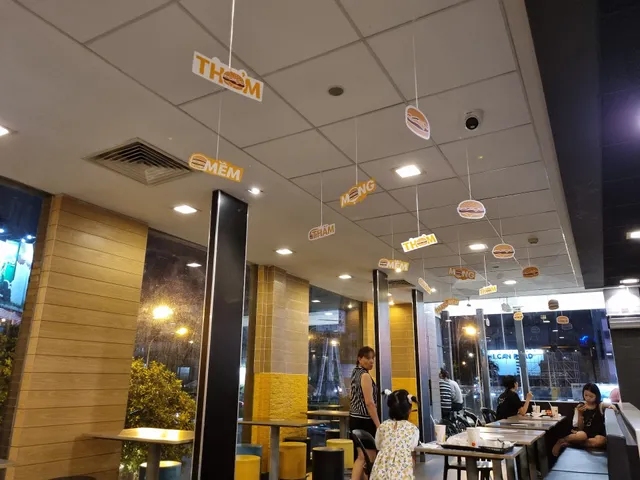
McDonald's Đa Kao
4.2
(2.6K)
Open until 12:00 AM
Click for details
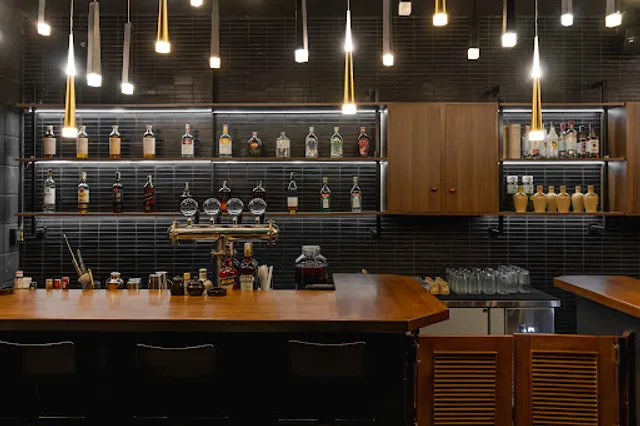
Mạch Saigon
4.5
(243)
Open until 2:00 AM
Click for details
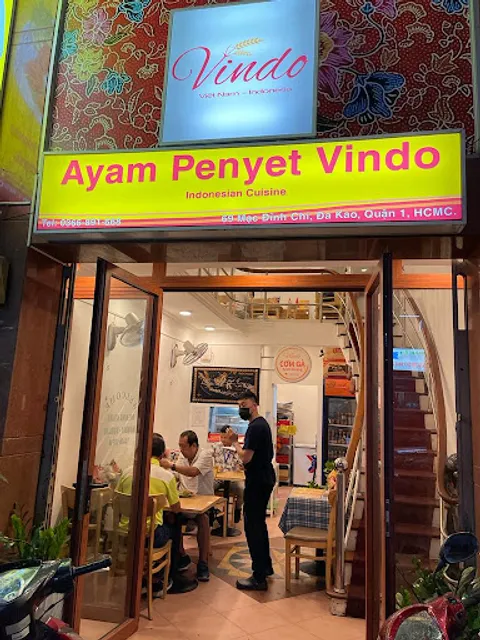
Ayam Penyet Vindo - Halal
4.9
(234)
Open until 12:00 AM
Click for details
Nearby local services of Jade Emperor Pagoda
Pizza 100
SaigonWalks - Explore Vietnam in your own way.
Somerset Ho Chi Minh City
PM Arts & Crafts
Hai An Bookstore
WeWork Lim Tower 3
Nha Khoa Otis - Nha Khoa Uy Tín Quận 1 , chuyên nhổ răng khôn, bọc răng sứ, cạo vôi răng, tẩy trắng răng, niềng răng
Nha Khoa Thái Dương
Saigon Tuktuk Tours - Authentic Street Food & Sightseeing
Nha khoa Ths .Bs. Ngô Tuấn Anh
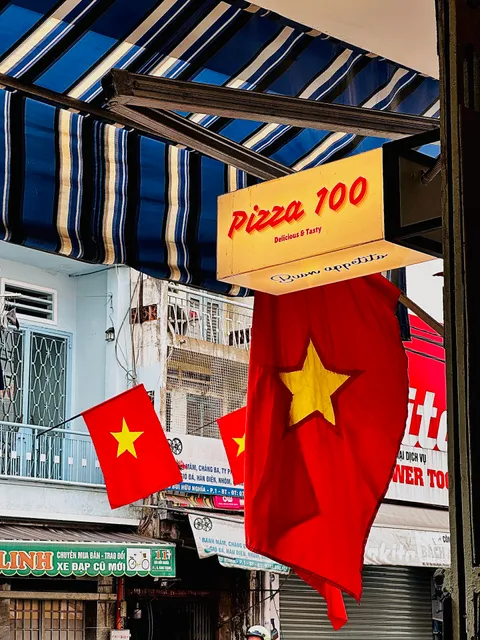
Pizza 100
4.8
(148)
Click for details

SaigonWalks - Explore Vietnam in your own way.
5.0
(16)
Click for details
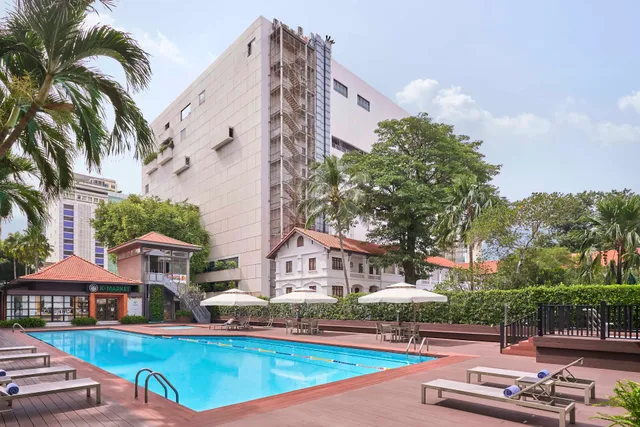
Somerset Ho Chi Minh City
4.4
(672)
Click for details
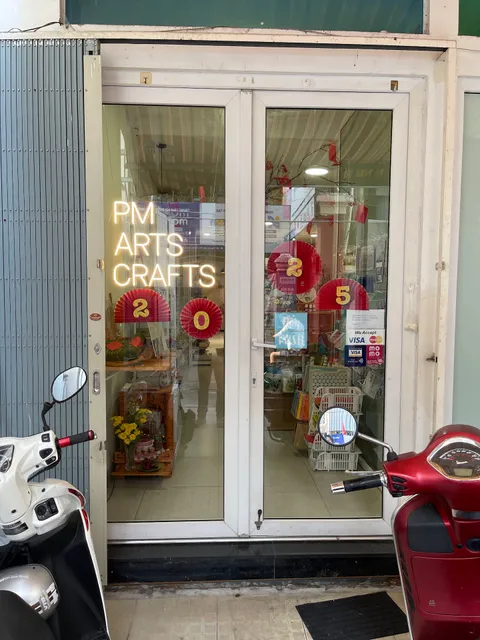
PM Arts & Crafts
4.7
(40)
Click for details