Review of Sin Chai Village
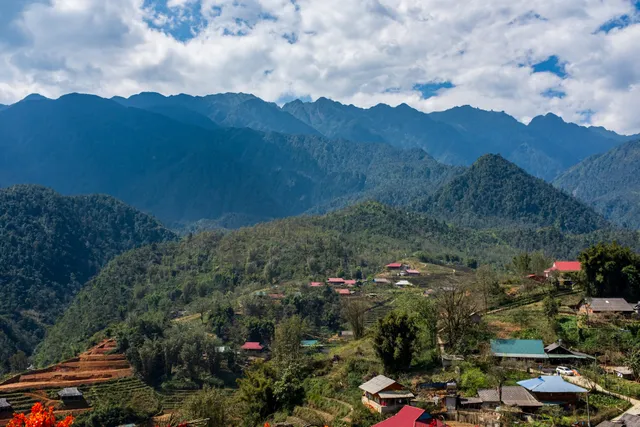
Sin Chai Village, located about 4 kilometers from Sapa Town, offers an authentic glimpse into the traditional lifestyle of the Red Dao ethnic community. Nestled at the foot of Fansipan Mountain, this picturesque village is an ideal destination for travelers seeking a quieter, less touristy experience compared to the more commercialized areas around Sapa.
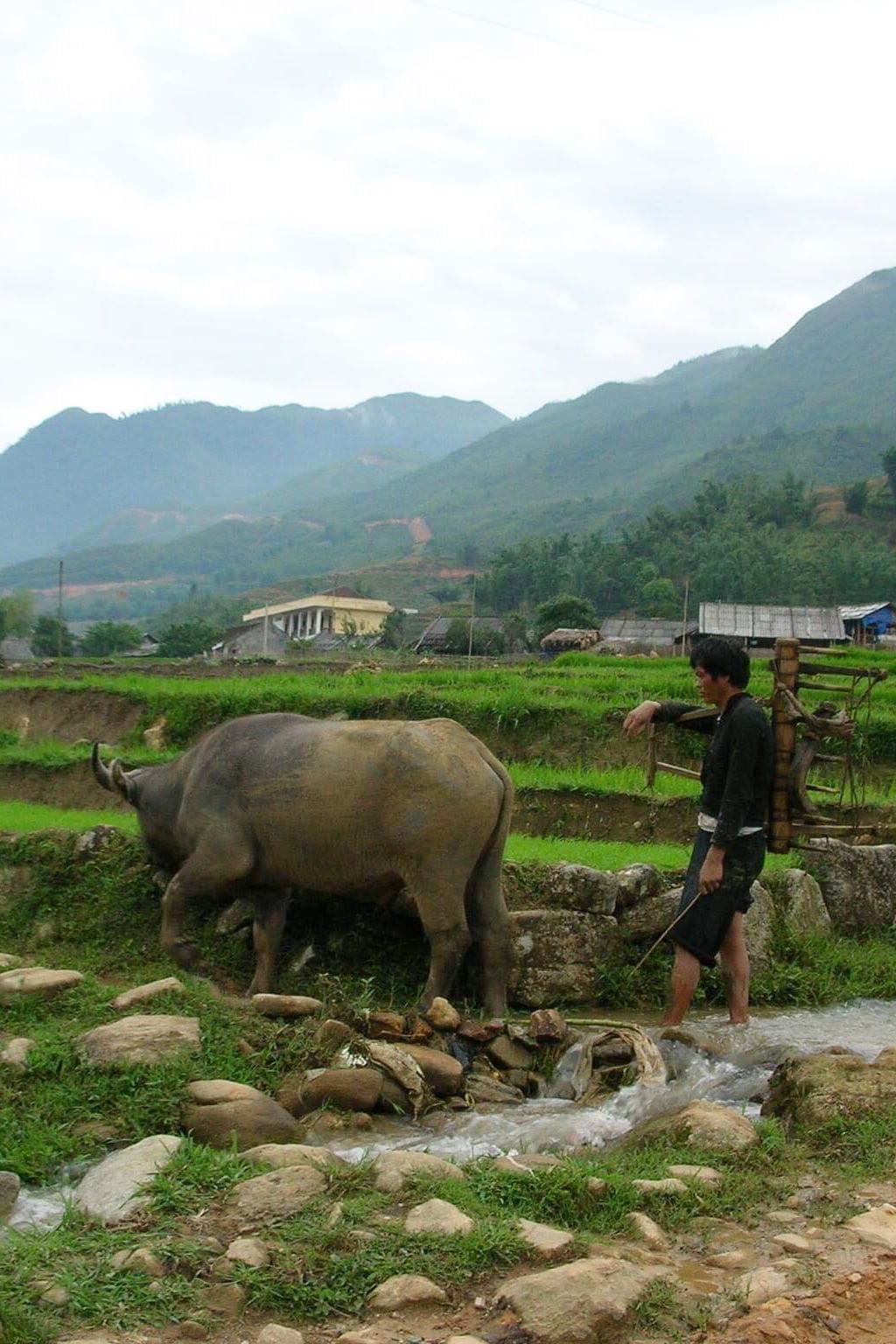
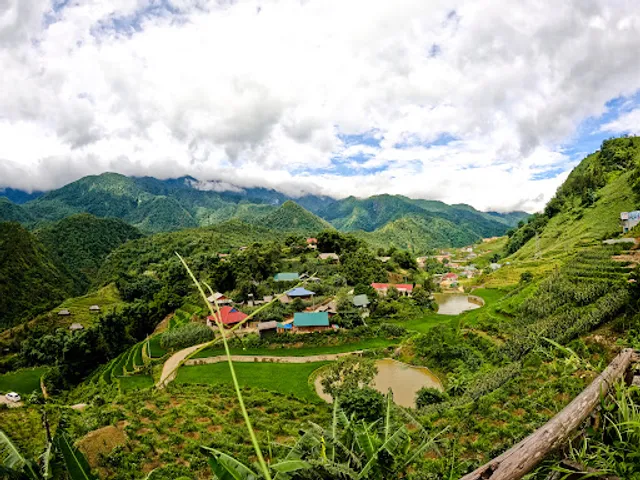
The journey to Sin Chai is scenic, with winding roads surrounded by lush greenery, terraced rice fields, and cascading streams. Upon arrival, visitors are greeted with a serene atmosphere and stunning views of the surrounding mountains. The village itself retains a sense of authenticity, with traditional stilt houses, local farms, and a way of life deeply connected to nature.
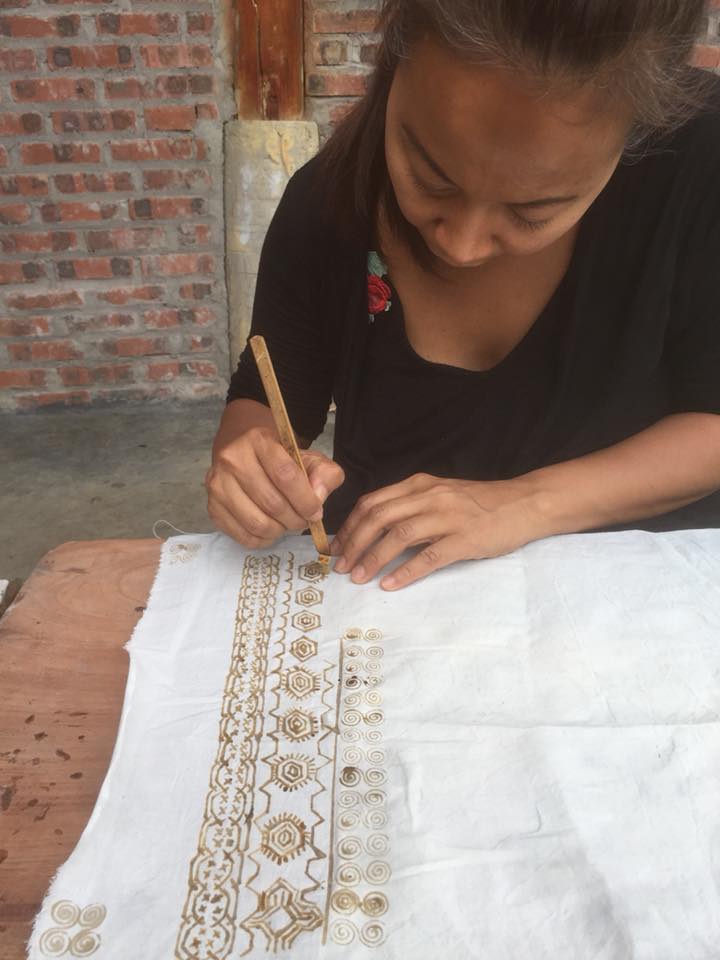
One of the highlights of visiting Sin Chai is interacting with the Red Dao people, who are known for their warm hospitality and vibrant traditional attire. Many families welcome visitors into their homes, offering insight into their daily lives, cultural practices, and traditional crafts such as embroidery.
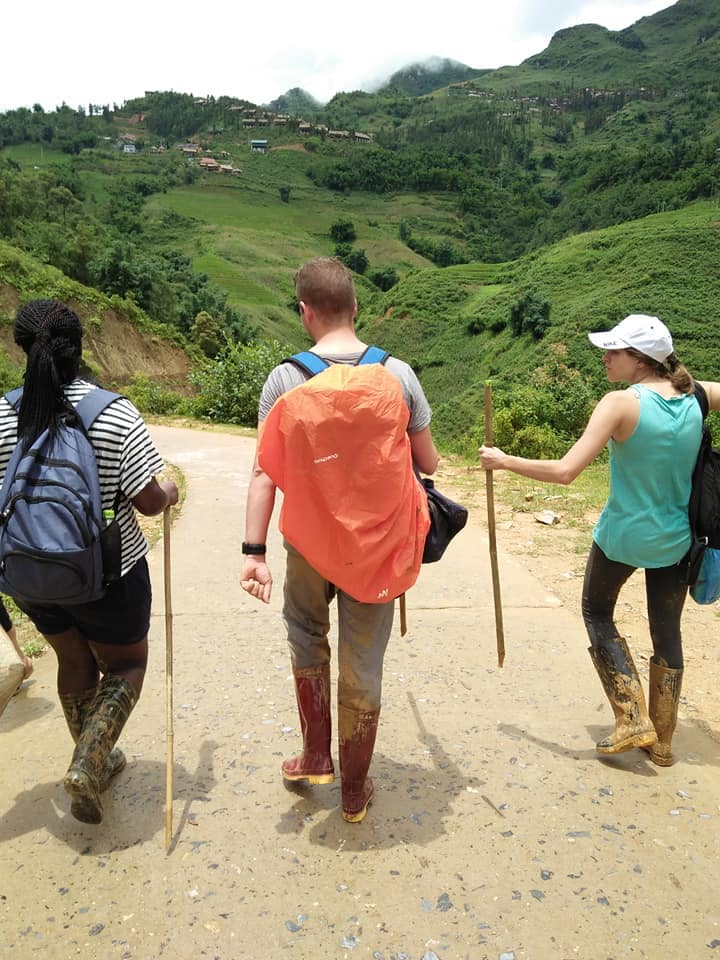
For nature enthusiasts, Sin Chai is also a starting point for trekking routes that lead into the Hoang Lien National Park. These trails offer opportunities to explore dense forests, discover hidden waterfalls, and witness breathtaking views of the valleys below.
While the village is less developed than other tourist destinations, this is part of its charm. However, visitors should be prepared for limited facilities, such as dining options or modern conveniences. Those seeking an immersive experience can arrange homestays to spend more time in the village and gain a deeper understanding of the Red Dao culture.
Rating: 4.5/5 Pros: Authentic cultural experience, stunning natural beauty, peaceful atmosphere. Cons: Limited facilities, slightly challenging access for some travelers.
Sin Chai Village is a must-visit for those who appreciate culture, nature, and an off-the-beaten-path...
Read moreA must-visit idyllic Hmong village experience.
This traditional village is truly a gem, offering a serene escape into a world of indigenous culture and natural beauty. Nestled in isolation, the village radiates a sense of authenticity and charm that makes it feel like a step back in time.
Visiting early in the morning is highly recommended. The village is at its most tranquil, and you can explore its wonders without the crowds. The peaceful ambiance enhances the experience, allowing you to fully immerse yourself in its unique way of life.
The village is a treasure trove of Hmong traditions. From the intricate tribal architecture to the vibrant dance and musical performances by the locals, every detail reflects the rich heritage of the community. The performances, in particular, are a captivating display of skill and joy, leaving you with a deep appreciation for their culture.
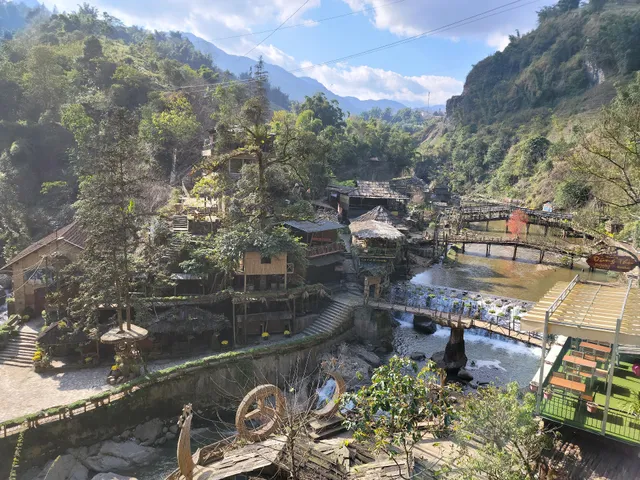
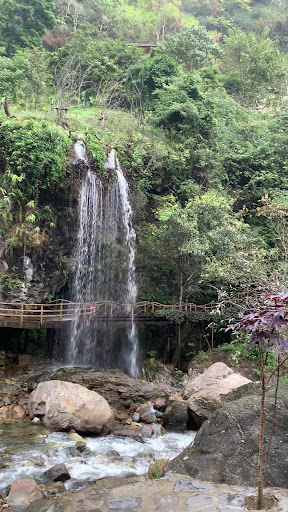
Nature lovers will be enchanted by the village’s surroundings. The waterfall is simply breathtaking—a perfect spot for a quiet moment of reflection or a photo opportunity. The traditional watermill, a symbol of their harmonious relationship with nature, is another standout attraction that showcases the ingenuity of the Hmong people.
To top it all off, the village offers complimentary traditional desserts made from sticky rice, paired with a taste of their homemade rice wine. These treats add a sweet and satisfying conclusion to the visit, leaving a lasting impression of their warm hospitality.
This Hmong village is a perfect blend of culture, history, and natural beauty. Whether you’re a history enthusiast, a nature lover, or simply looking for a unique experience, this destination is absolutely worth the visit. Plan your trip early in the day for the best experience, and prepare to be enchanted by the magic of the Hmong people and their...
Read moreCat Cat Village, Sapa: A Unique Experience with a Few Challenges
Cat Cat Village, located in the beautiful hills of Sapa, is a charming destination that offers a glimpse into the traditional lifestyle of the local H’Mong people. However, visiting it requires a bit of preparation and awareness of the terrain and logistics.
Getting There:
By Bike: If you’re riding a motorbike, do not park too early! Continue riding until you reach the end of the path near the village entrance. Parking too soon means you’ll have to tackle a significant number of stairs to reach the village—a tiring and unnecessary detour.
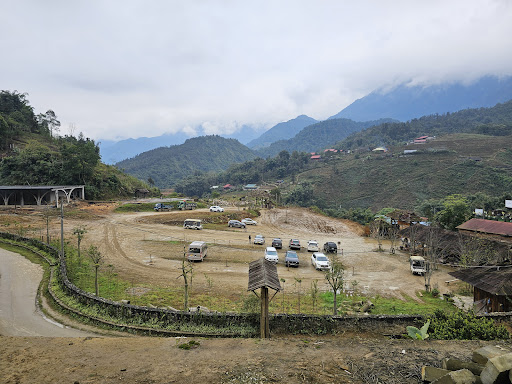
By Car or Bus: For those arriving by car or bus, the vehicles usually stop at a designated parking area. From there, you’ll need to walk quite a bit and descend numerous stairs to finally reach the village. This part can be exhausting, especially for those traveling with kids or carrying luggage.
The Experience: Once inside, Cat Cat Village offers a picturesque blend of culture and nature. You’ll find traditional houses, local crafts, and scenic spots, including waterfalls and lush terraced fields. The village has been partially commercialized for tourism, but it still retains its rustic charm.
Tips for Visitors:
Wear comfortable shoes to handle the steep and uneven stairs.
Start early to avoid crowds, especially on weekends.
Bring water, as the trek to and from the village can be taxing.
Overall, Cat Cat Village is worth visiting if you’re in Sapa, but be prepared for the physical exertion, especially if you’re not used to walking long distances or navigating stairs. Planning your parking or drop-off point wisely can save you a lot of...
Read more